
Zambia’s 2012 Triumph Was More Than a Story Written in the Sky

How Zambia combined collective memory, a compact tournament plan and extraordinary penalty composure to win the 2012 Africa Cup of Nations in Libreville.
How Zambia combined collective memory, a compact tournament plan and extraordinary penalty composure to win the 2012 Africa Cup of Nations in Libreville.

The United States’ 1–0 win over England in 1950 was a disciplined World Cup shock—and a miracle that reached almost no audience back home.
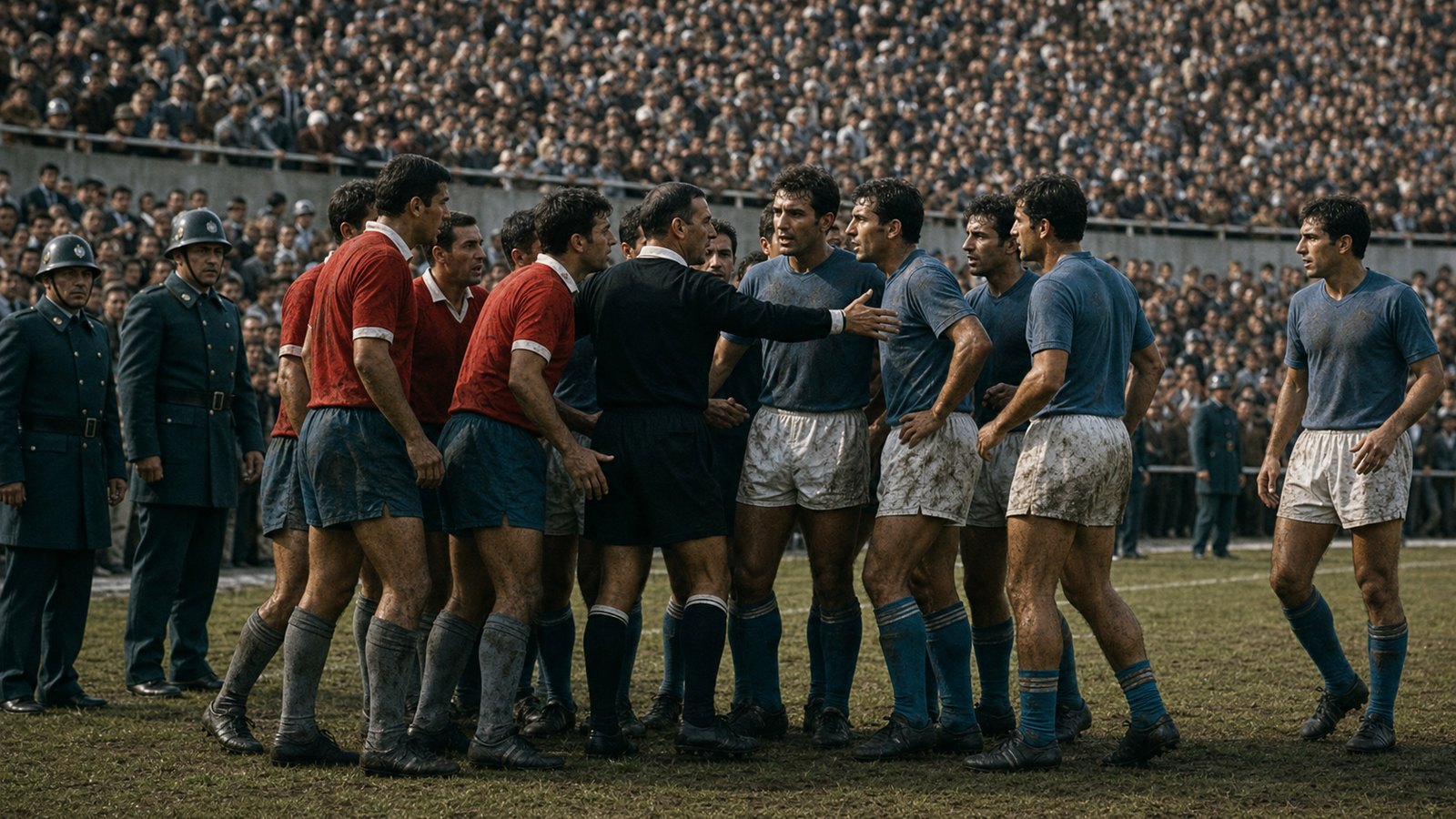
Chile’s violent 2–0 win over Italy in 1962 exposed how little support a referee had when sight, language and authority all broke down.
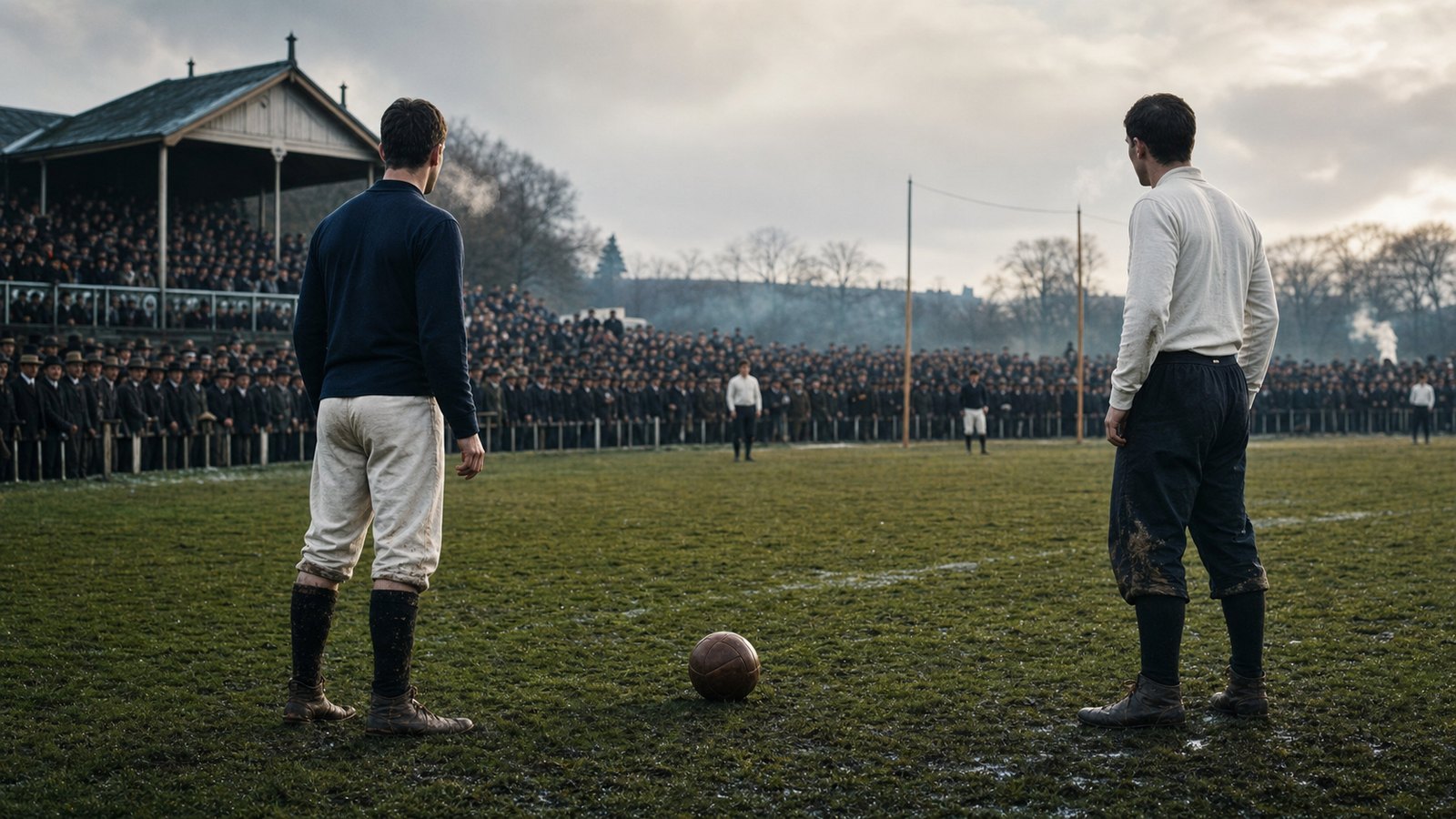
At Hamilton Crescent in 1872, eleven Queen’s Park clubmates faced an England side drawn from nine clubs and proved that international football could work.

Dynamo Kyiv’s 1975 European season showed how testing, running, and collective timing could turn football into a coordinated machine.

Five knockout wins in Paris transformed Uruguay from an unfamiliar Olympic entrant into football’s first sustained South American international power.

How one 1992 law change turned the goalkeeper from a protected pause into football’s first pressured passer.

How an opening defeat, a changed centre-forward and four pressure matches turned the Netherlands into European champions.

England’s 1966 narrow midfield reassigned width, cover and running until the Wingless Wonders could control the centre without losing their attacking threat.

How Porto turned six very different knockout matches into one controlled path to the 2004 Champions League trophy.