
Cambridge Put Nine School Representatives Behind One Football Code in 1863
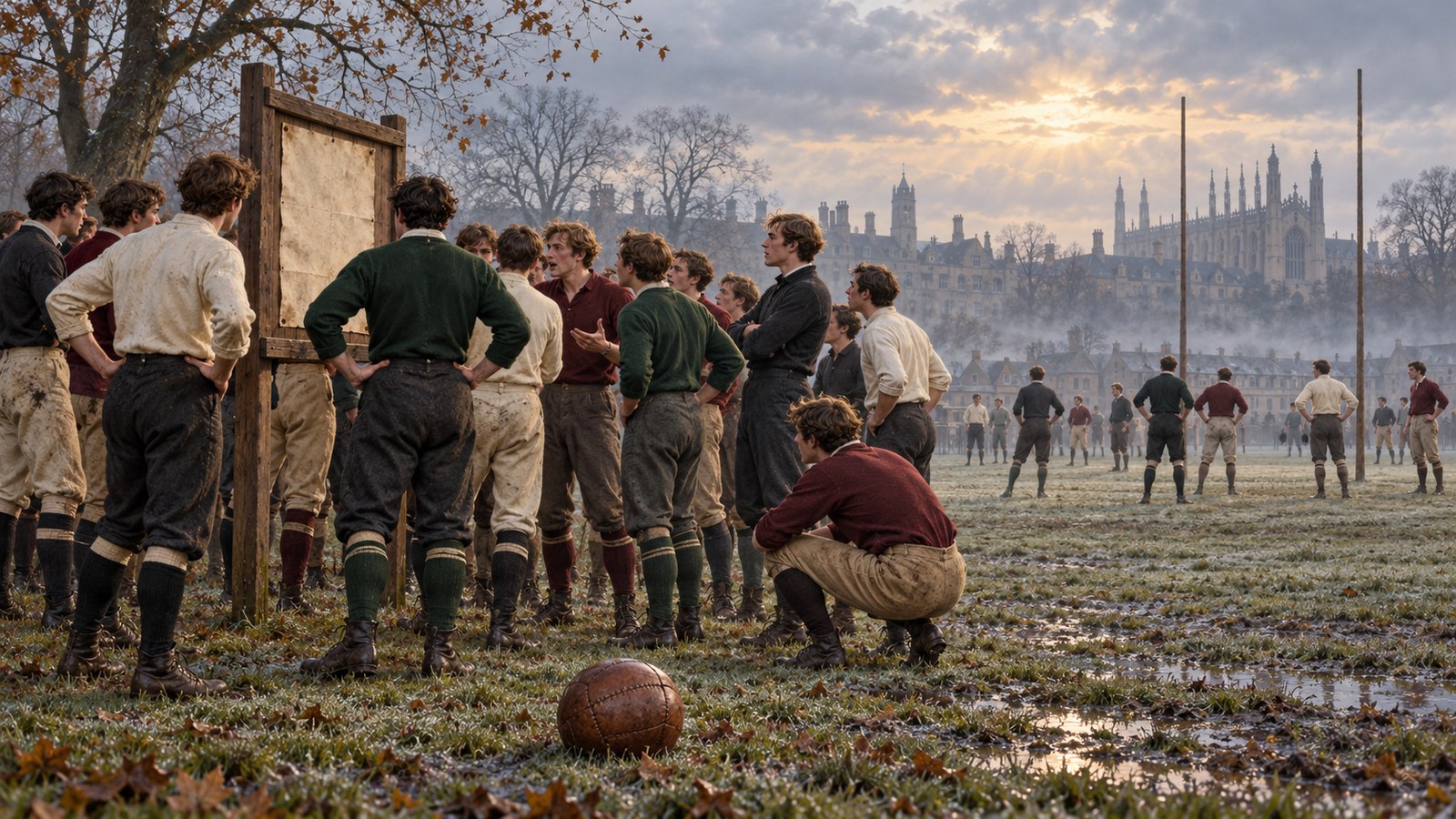
Cambridge’s 1863 football rules converted rival school traditions into a playable code with exact dimensions, handling limits and named prohibitions.
Cambridge’s 1863 football rules converted rival school traditions into a playable code with exact dimensions, handling limits and named prohibitions.
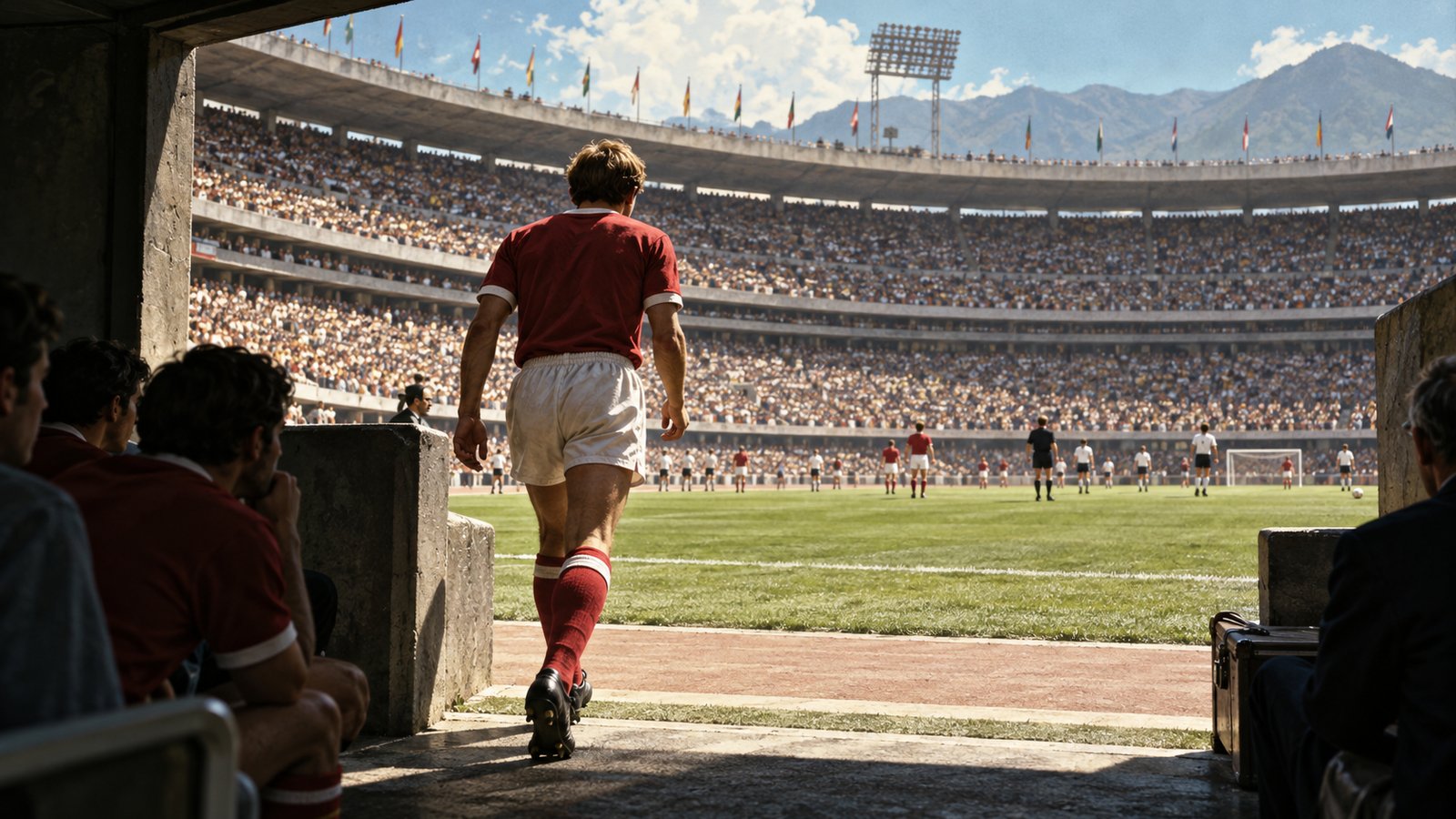
The first World Cup substitution arrived quietly at half-time in the 1970 opener, then changed how coaches could respond to every match.
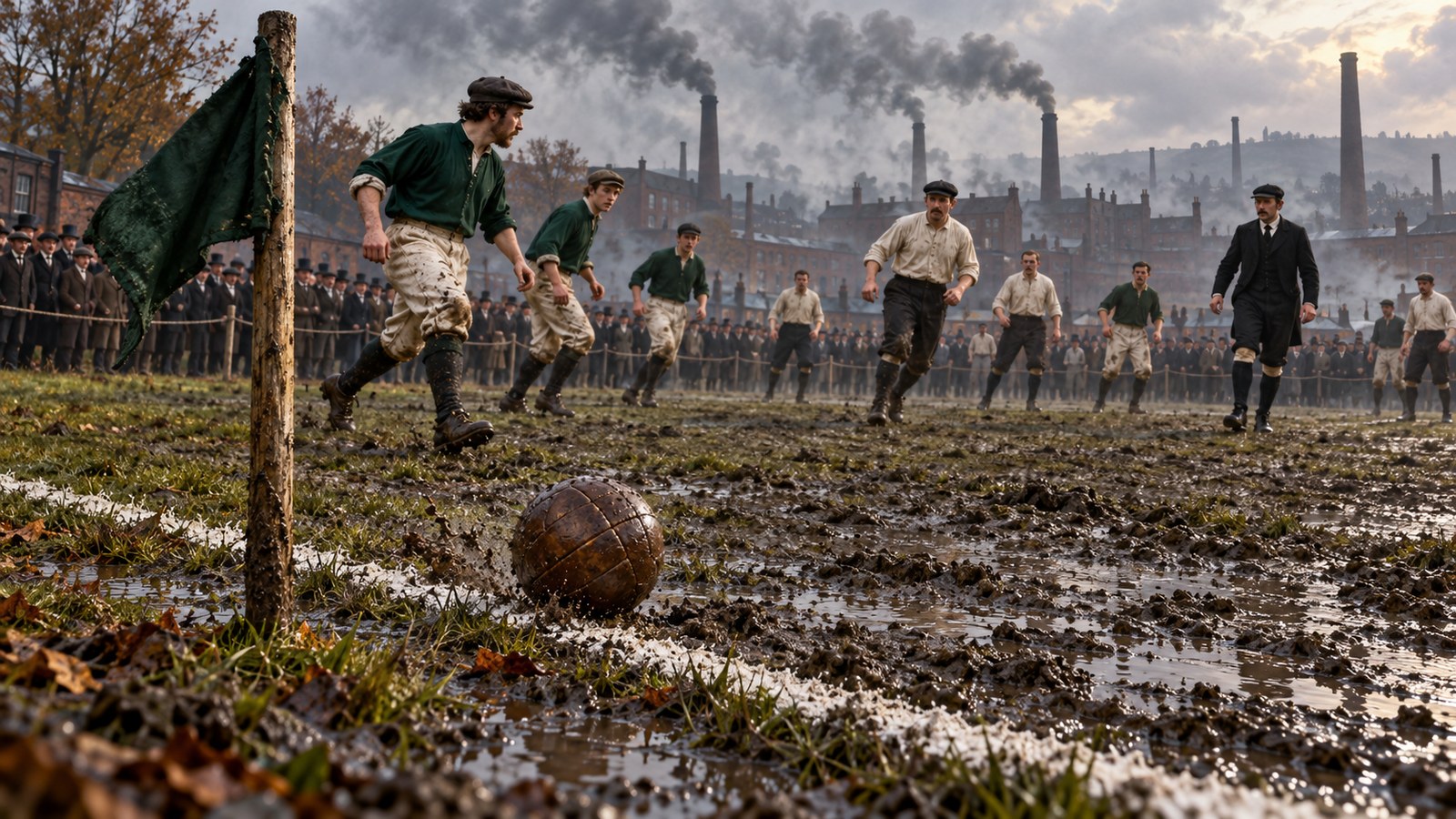
Sheffield’s 1868 rule made defenders concede a corner when they put the ball behind their own goal line, years before the FA adopted the restart.
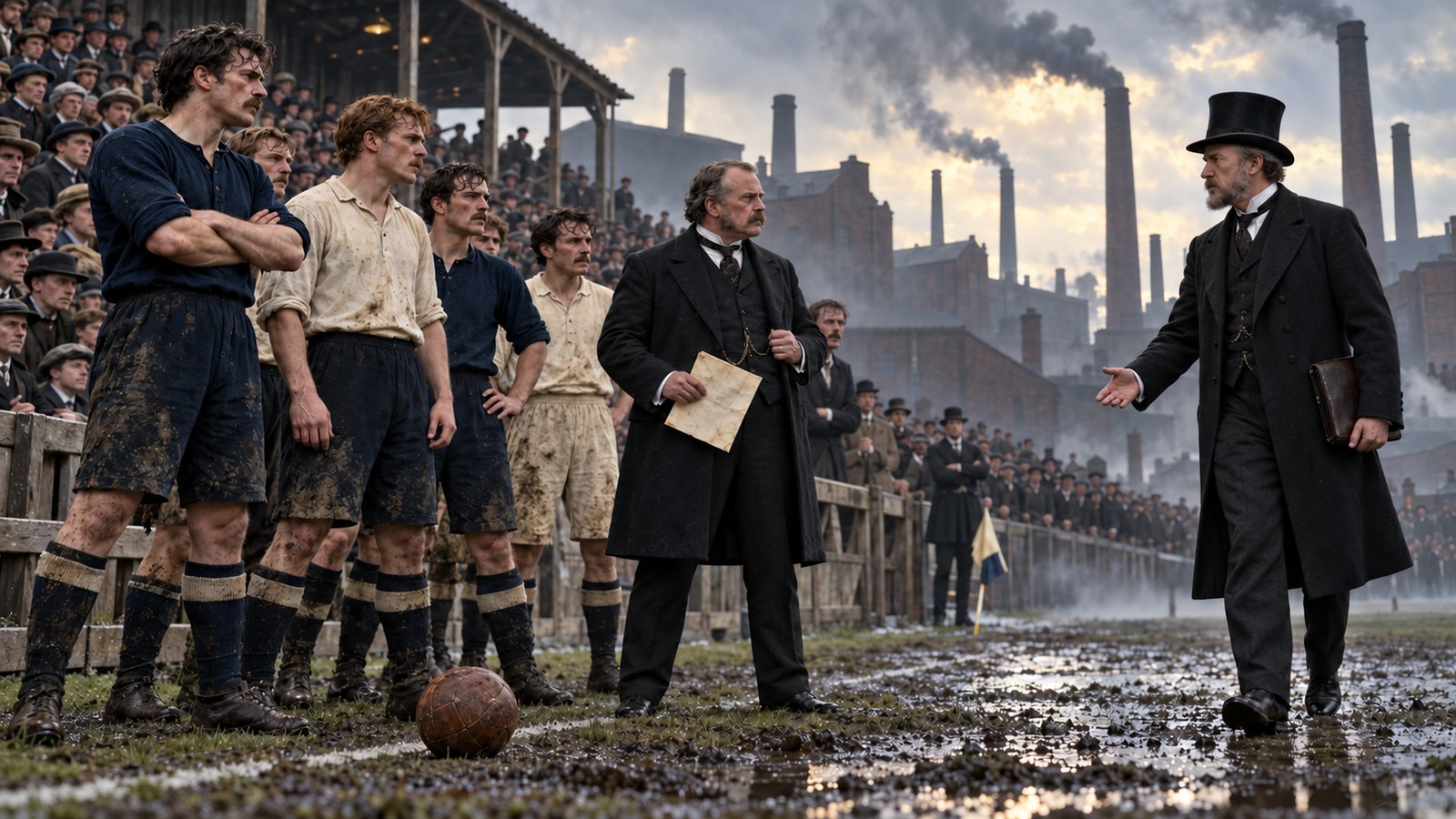
Preston’s 1884 FA Cup protest exposed the conflict between amateur rules and paid football labour, helping force the FA to legalise professionalism in 1885.
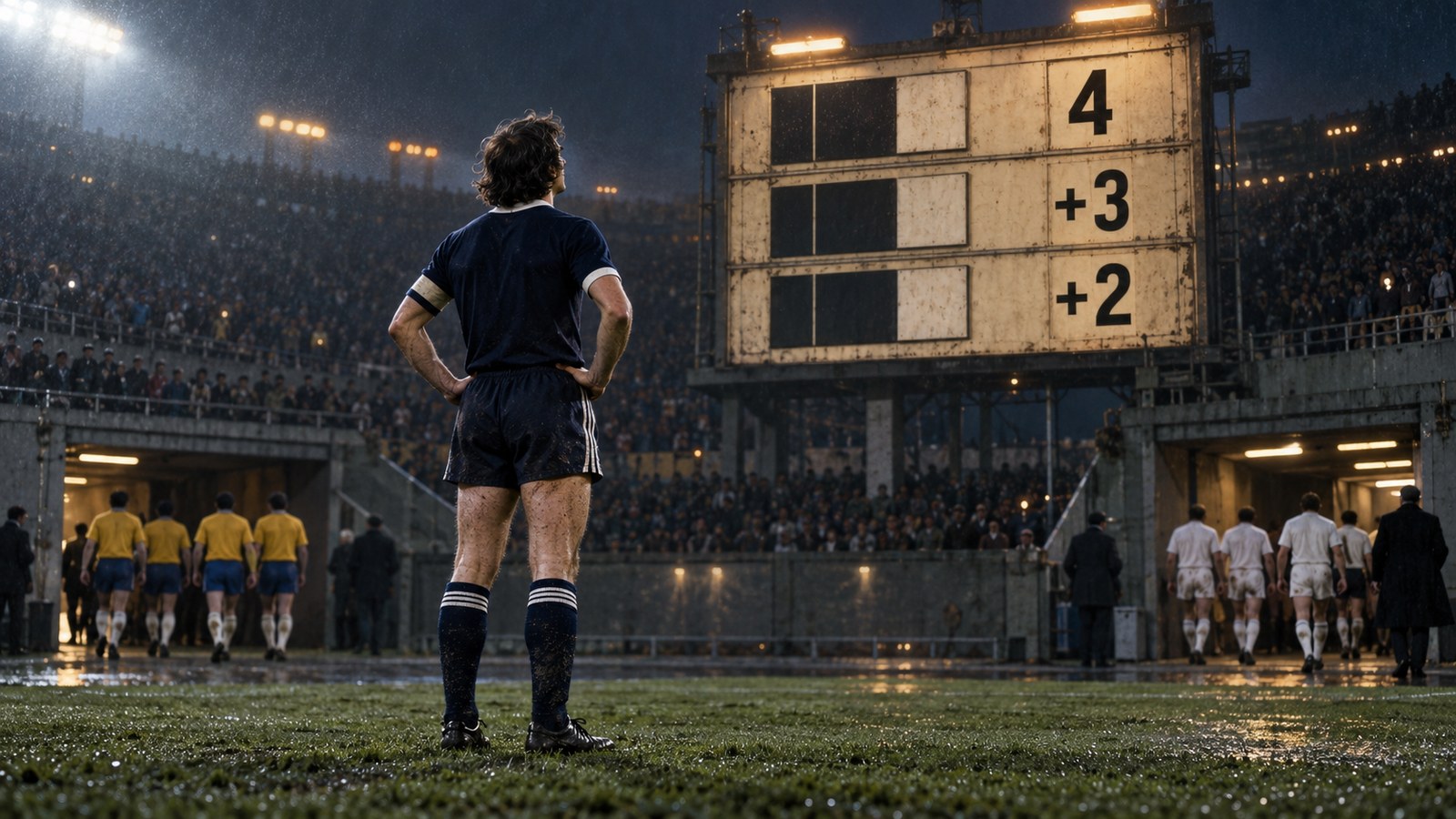
Scotland conceded only once and remained unbeaten at the 1974 World Cup, yet a single goal of goal difference sent Willie Ormond’s side home.
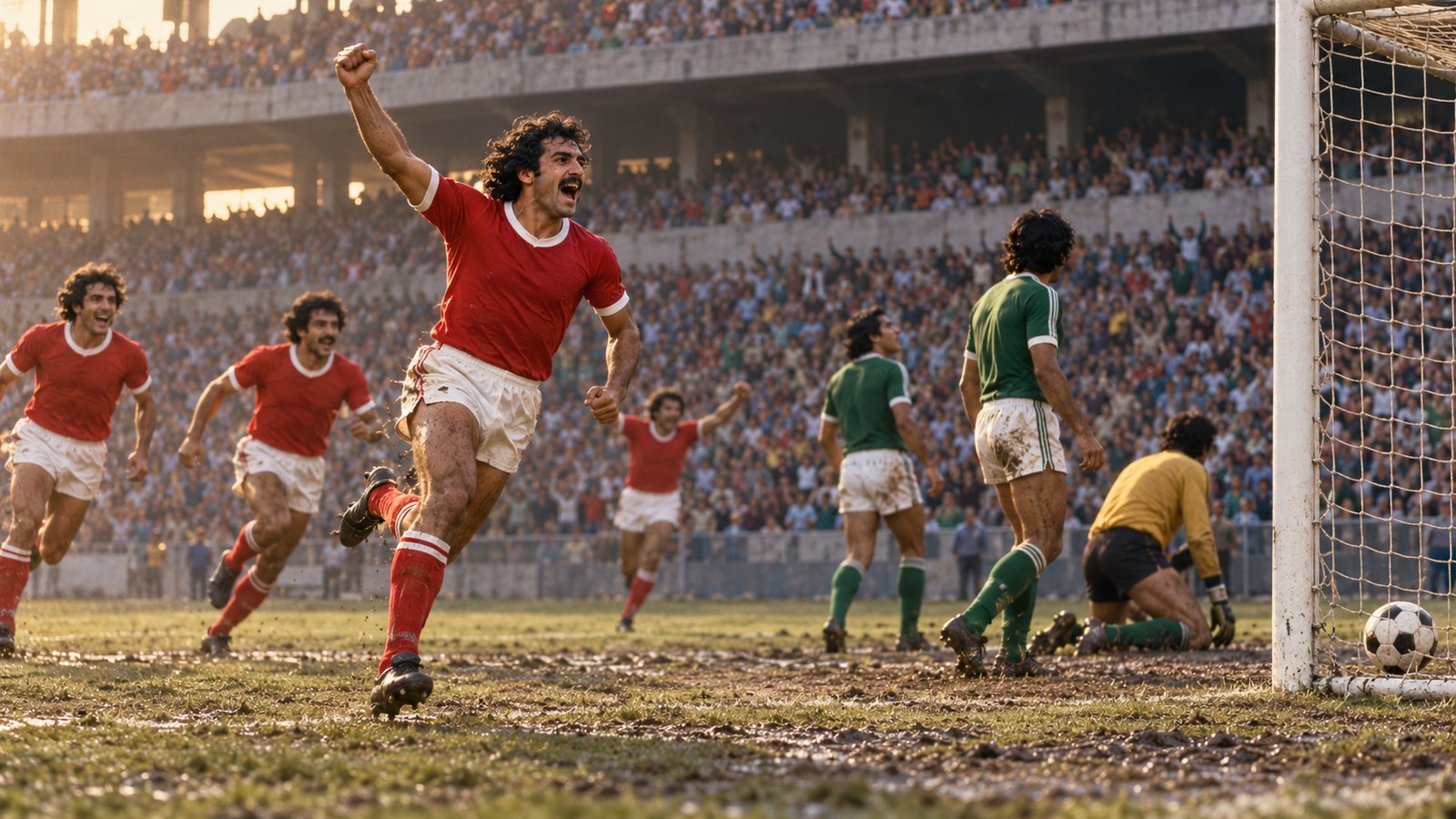
Tunisia overturned a half-time deficit against Mexico with three second-half goals to record Africa’s first World Cup match victory.
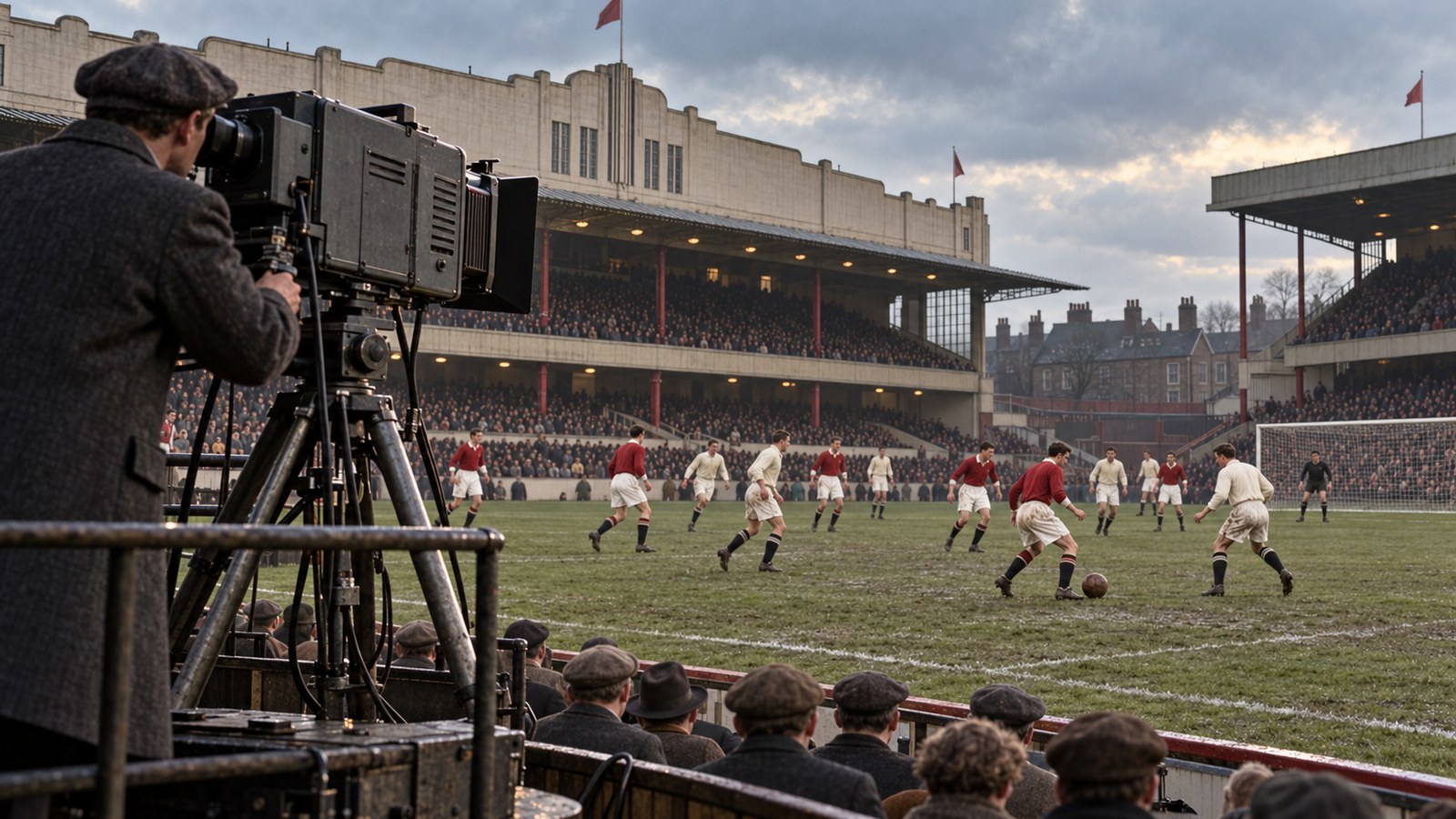
In 1937, Arsenal supplied both teams for the BBC experiment that taught television how to show football.
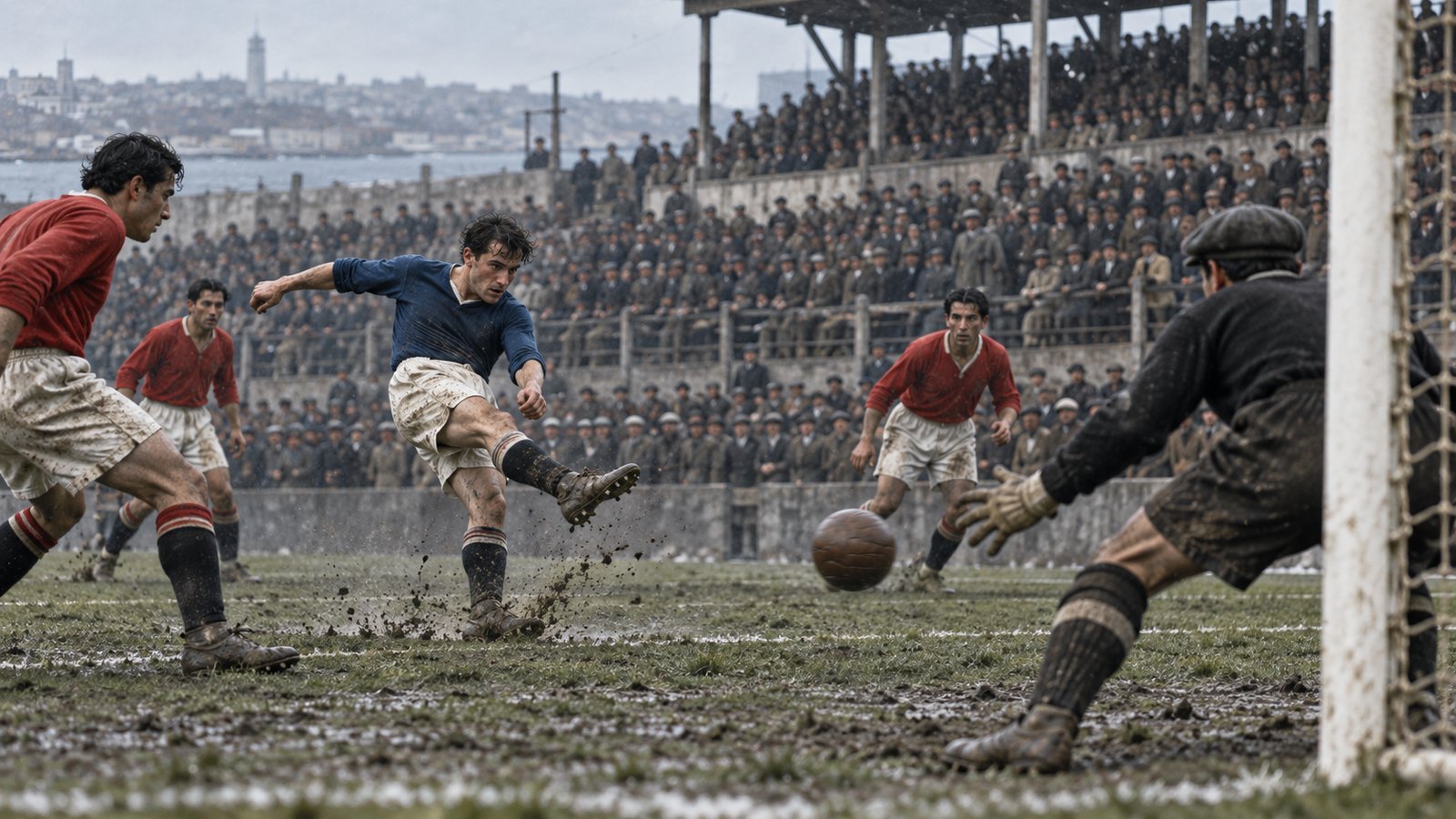
Lucien Laurent travelled from a Peugeot factory to Uruguay and scored the first goal in World Cup history before the tournament possessed a tradition.
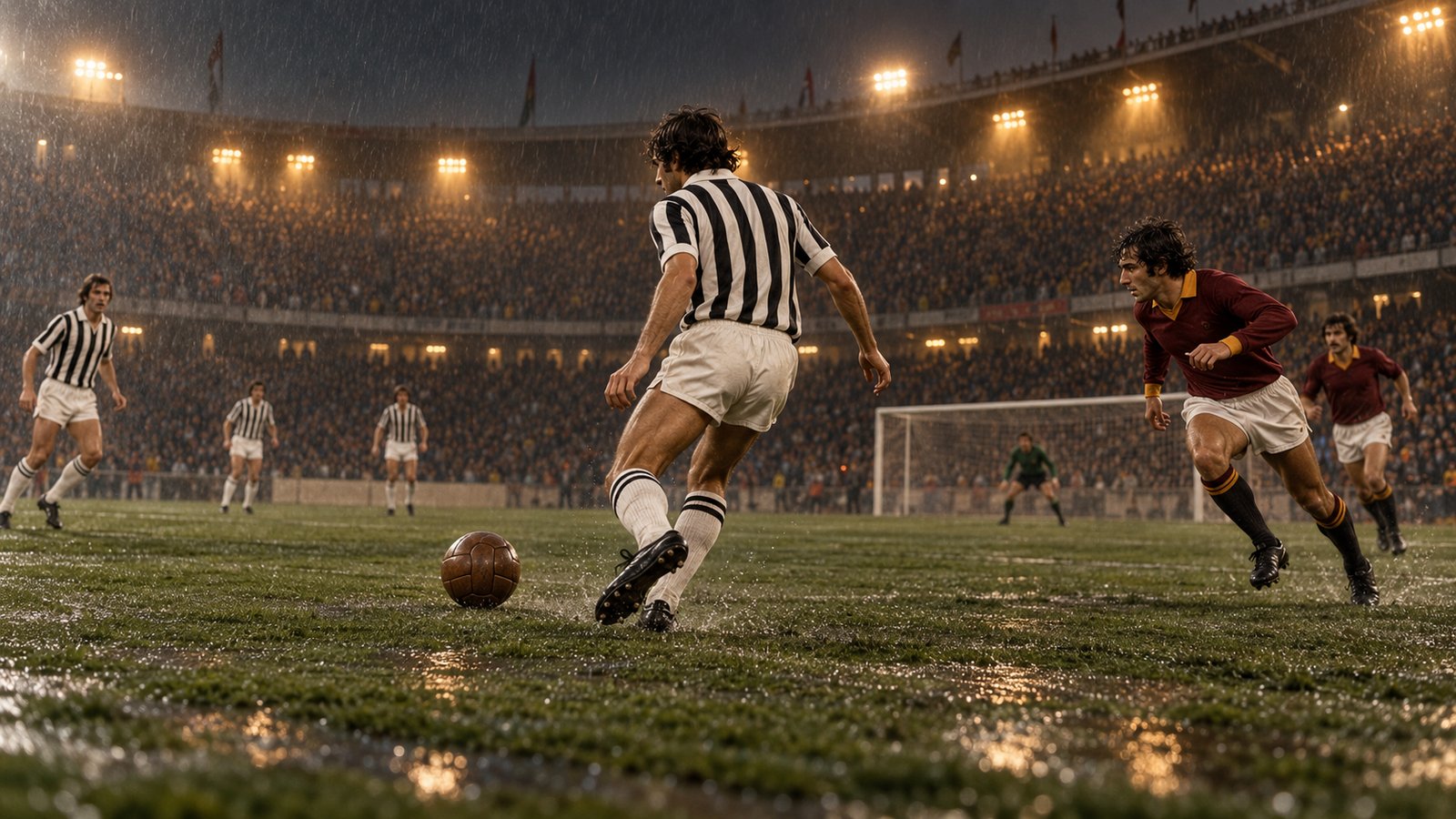
Gaetano Scirea paired a spotless disciplinary record with the passing, timing and calm authority that made the libero an attacking position from deep.
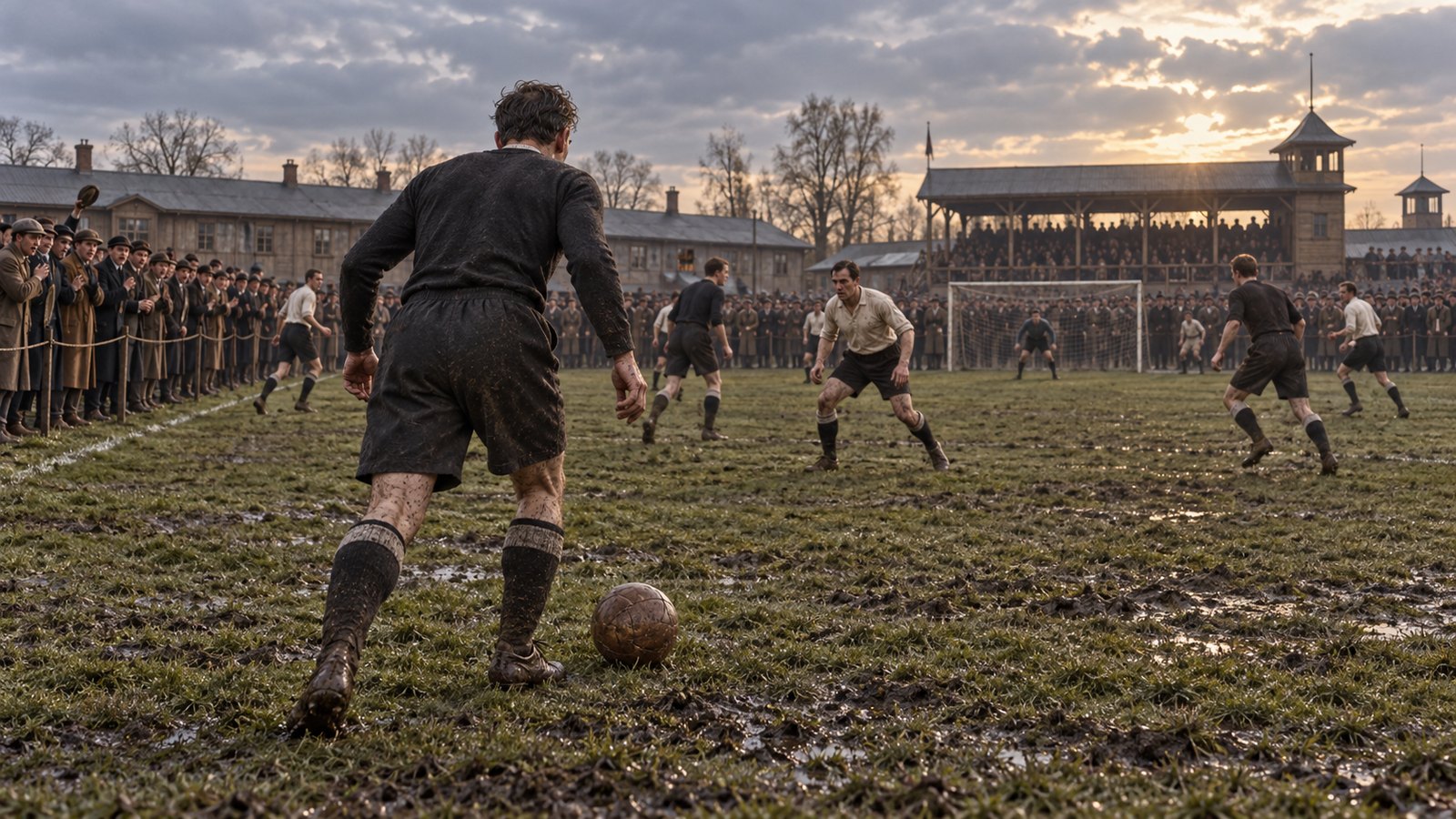
One worn ball, jacket goalposts and three interned football experts grew into two leagues, a cup and thousand-strong crowds at a German racecourse.