
Peru Beat Austria 4–2 in Berlin, Then Officials Ordered the Match Replayed
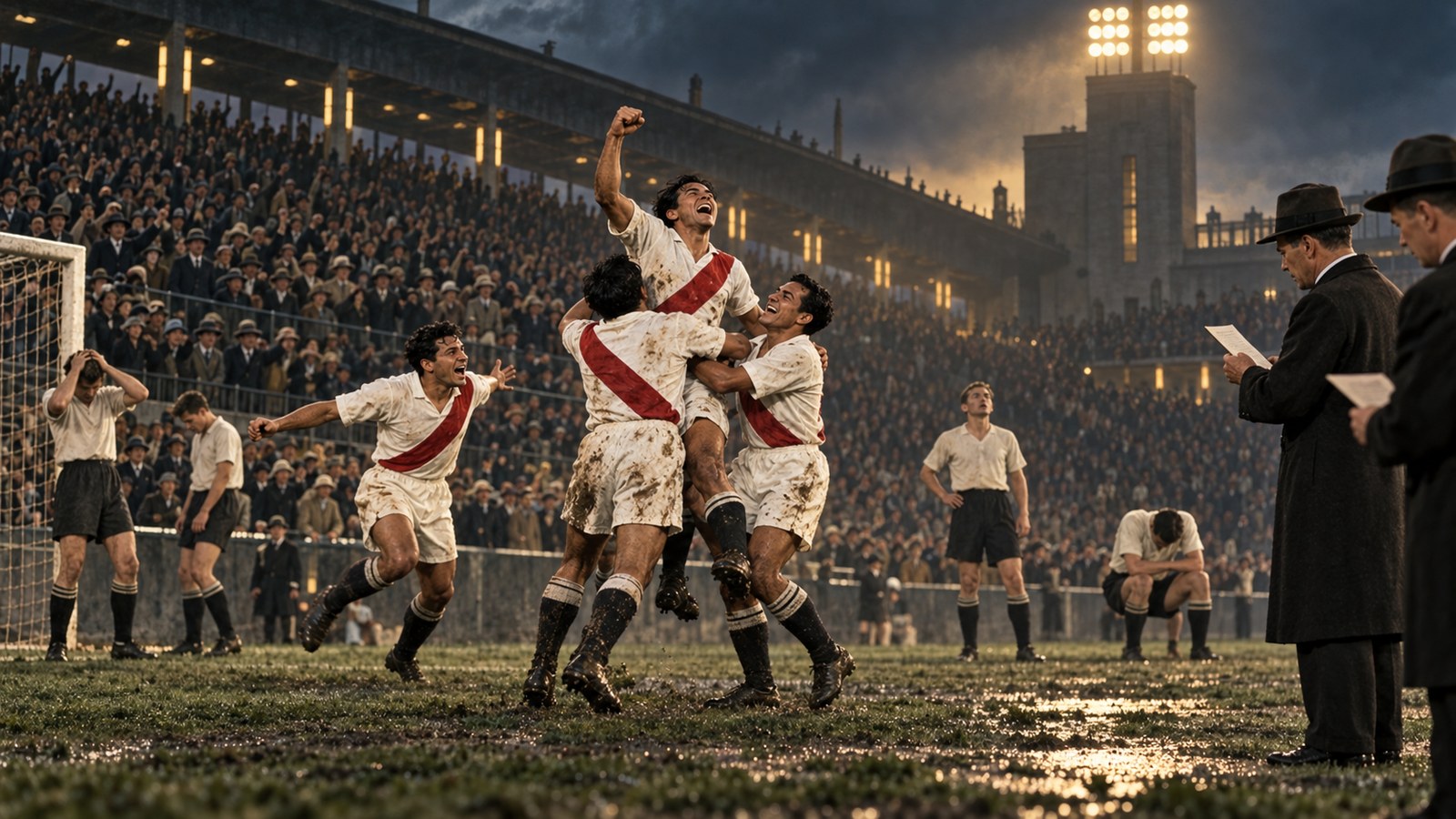
Peru’s 4–2 Olympic win over Austria was erased by an appeal and a replay order issued without Peru’s defence in the room.
Peru’s 4–2 Olympic win over Austria was erased by an appeal and a replay order issued without Peru’s defence in the room.
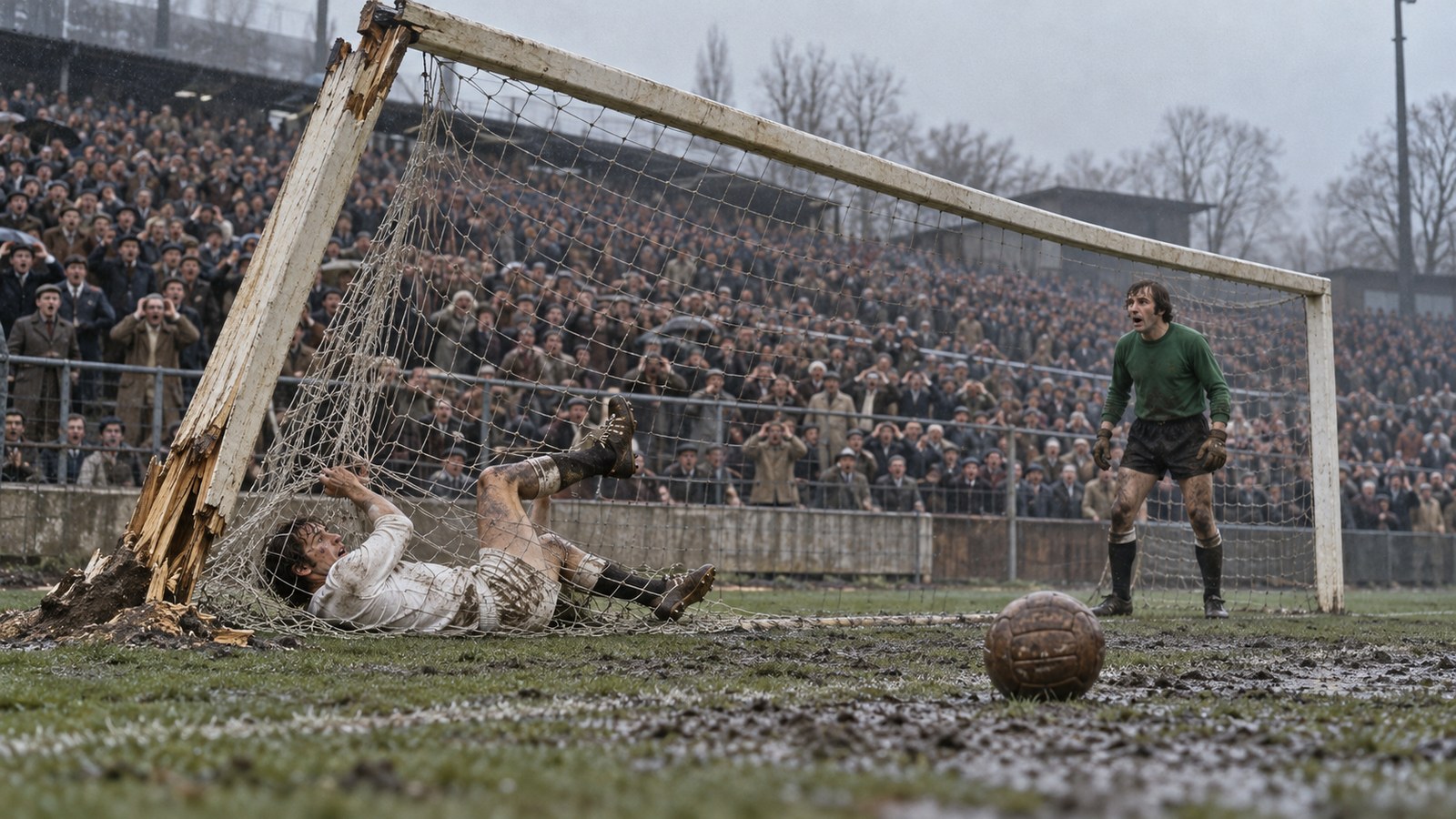
A broken wooden post ended Gladbach’s 1–1 draw with Werder in the 88th minute, produced a 0–2 ruling and changed Bundesliga ground requirements.
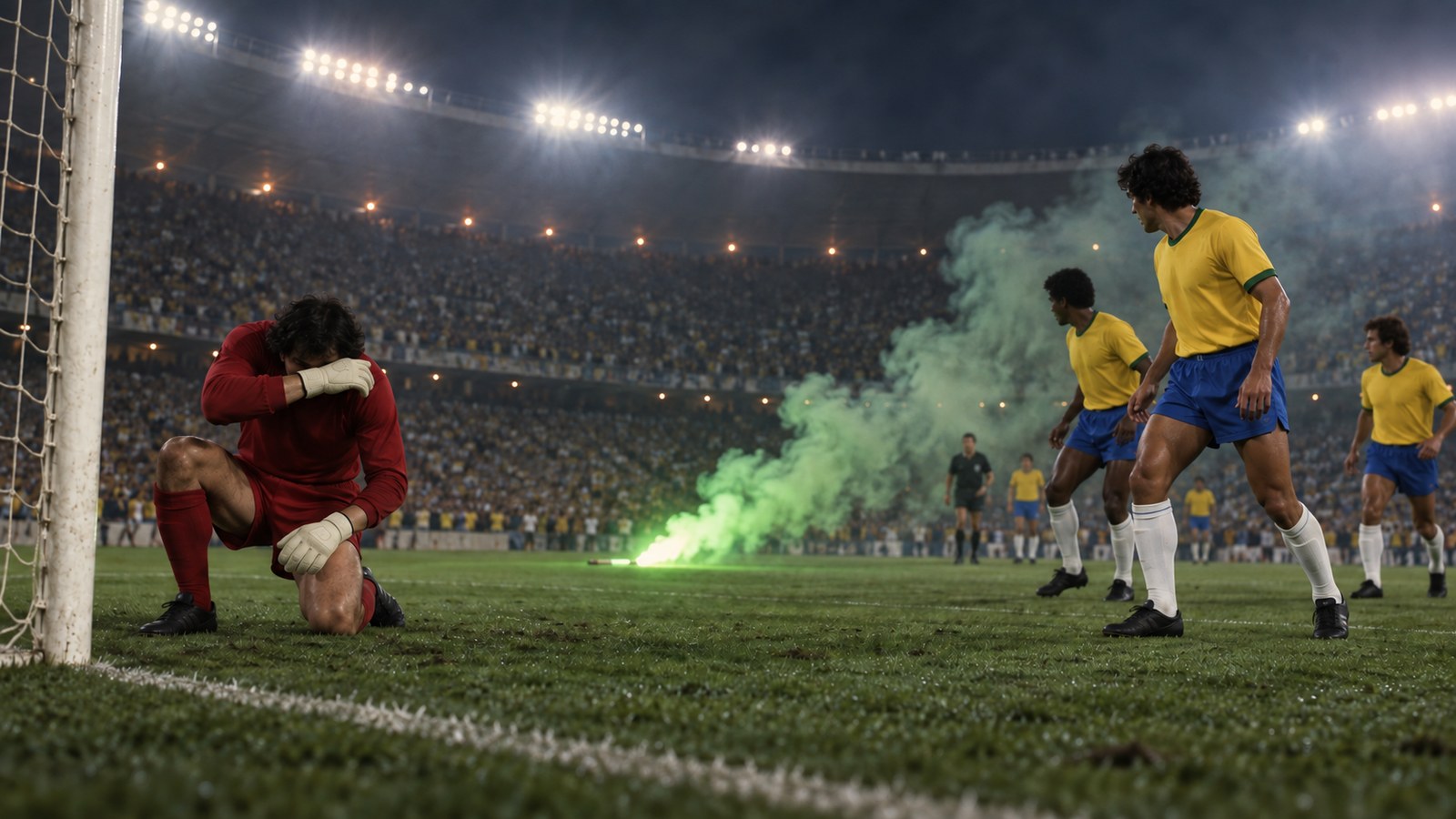
A flare entered the Maracanã field in 1989, but Ricardo Alfieri’s photographs showed it had not struck Chile goalkeeper Roberto Rojas.

Wigan Athletic beat Manchester City in the 2013 FA Cup final, then took the same starting eleven into a rain-soaked relegation match at Arsenal three days later.
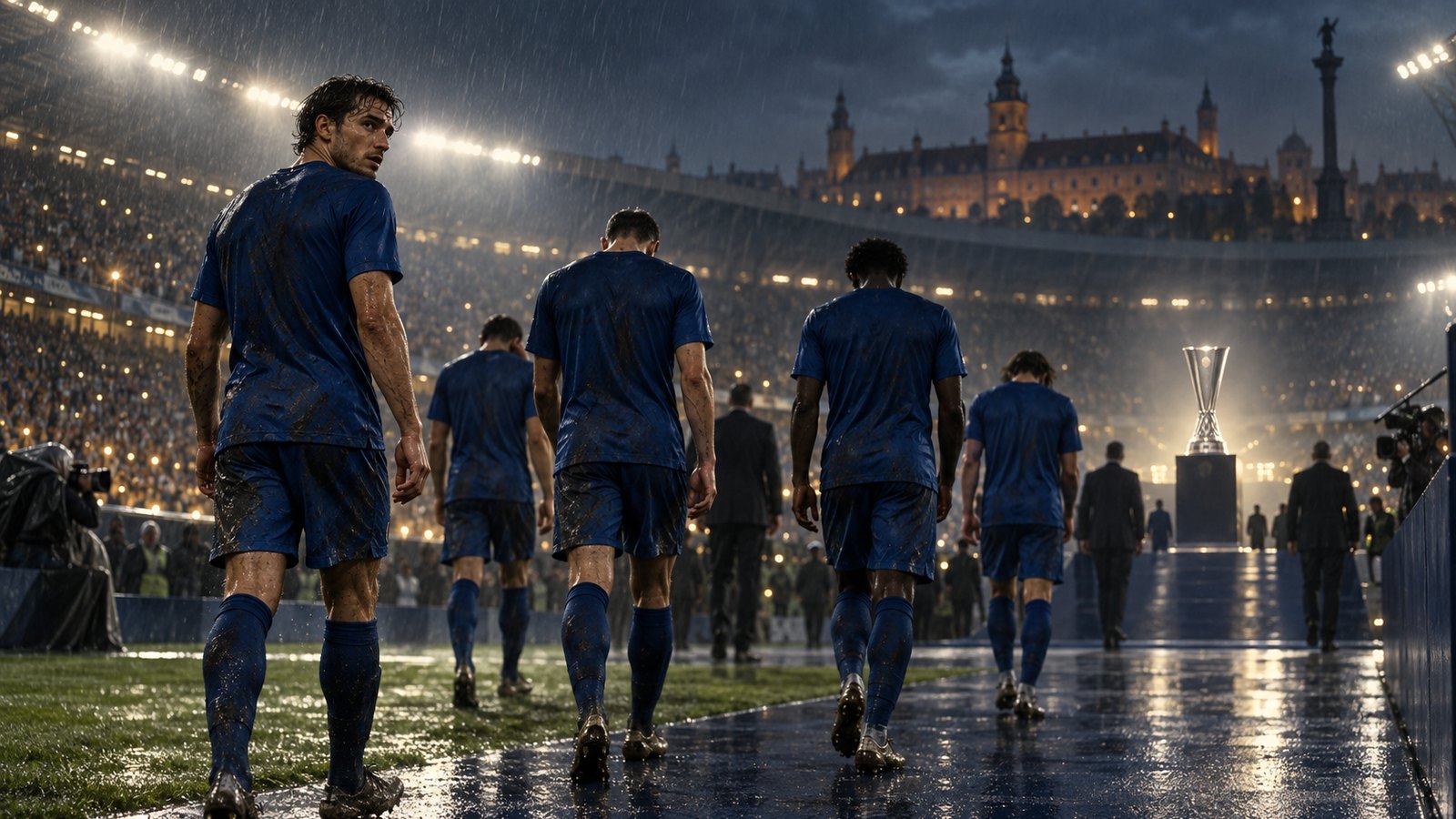
Dnipro scored twice in the 2015 Europa League final, then fell through debt penalties, relegations and lost professional status until the old club had no 2019 league entry.
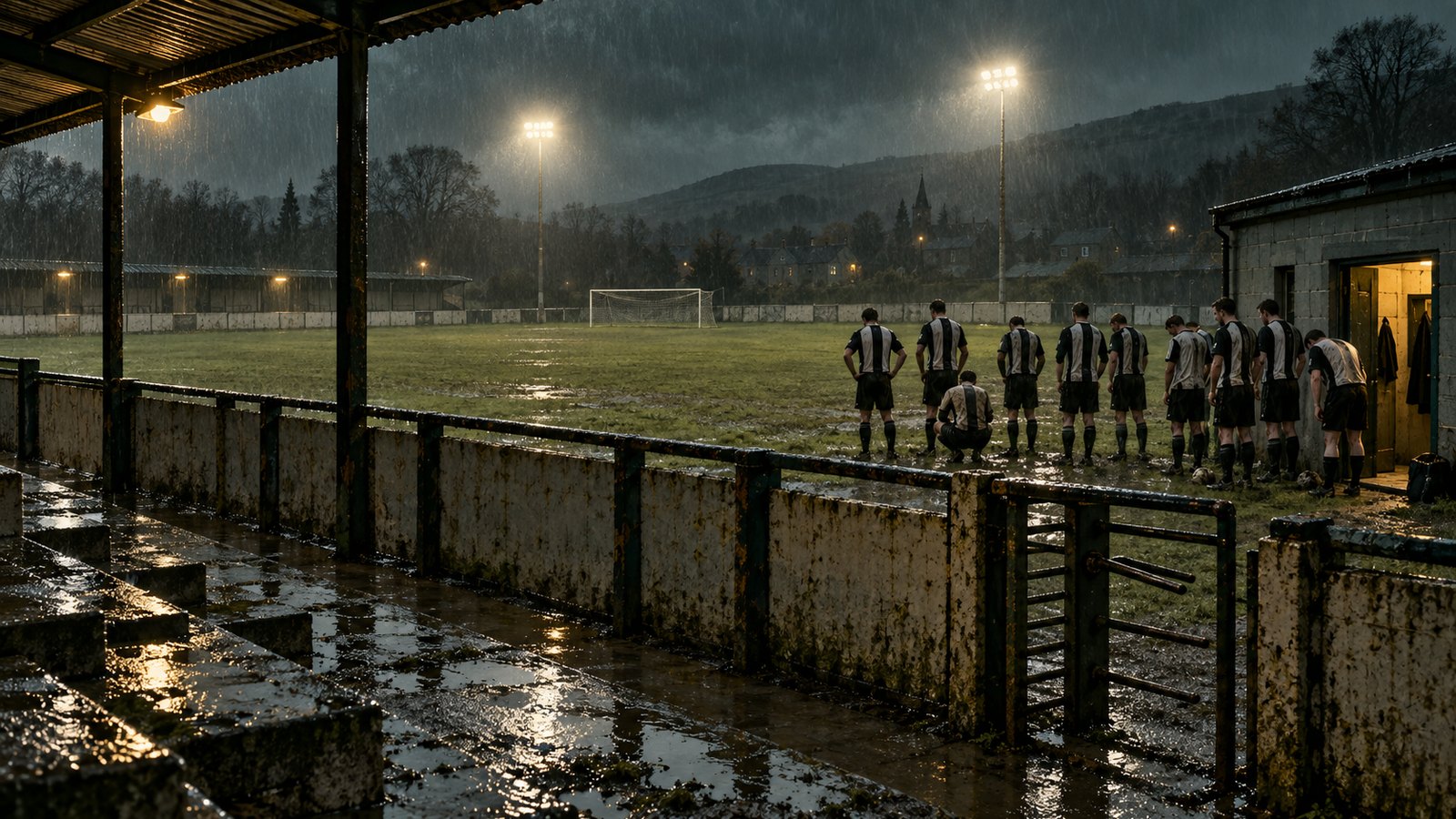
Gretna climbed three divisions in three seasons, but by March 2008 the administrator could count only ten players willing to face Aberdeen.
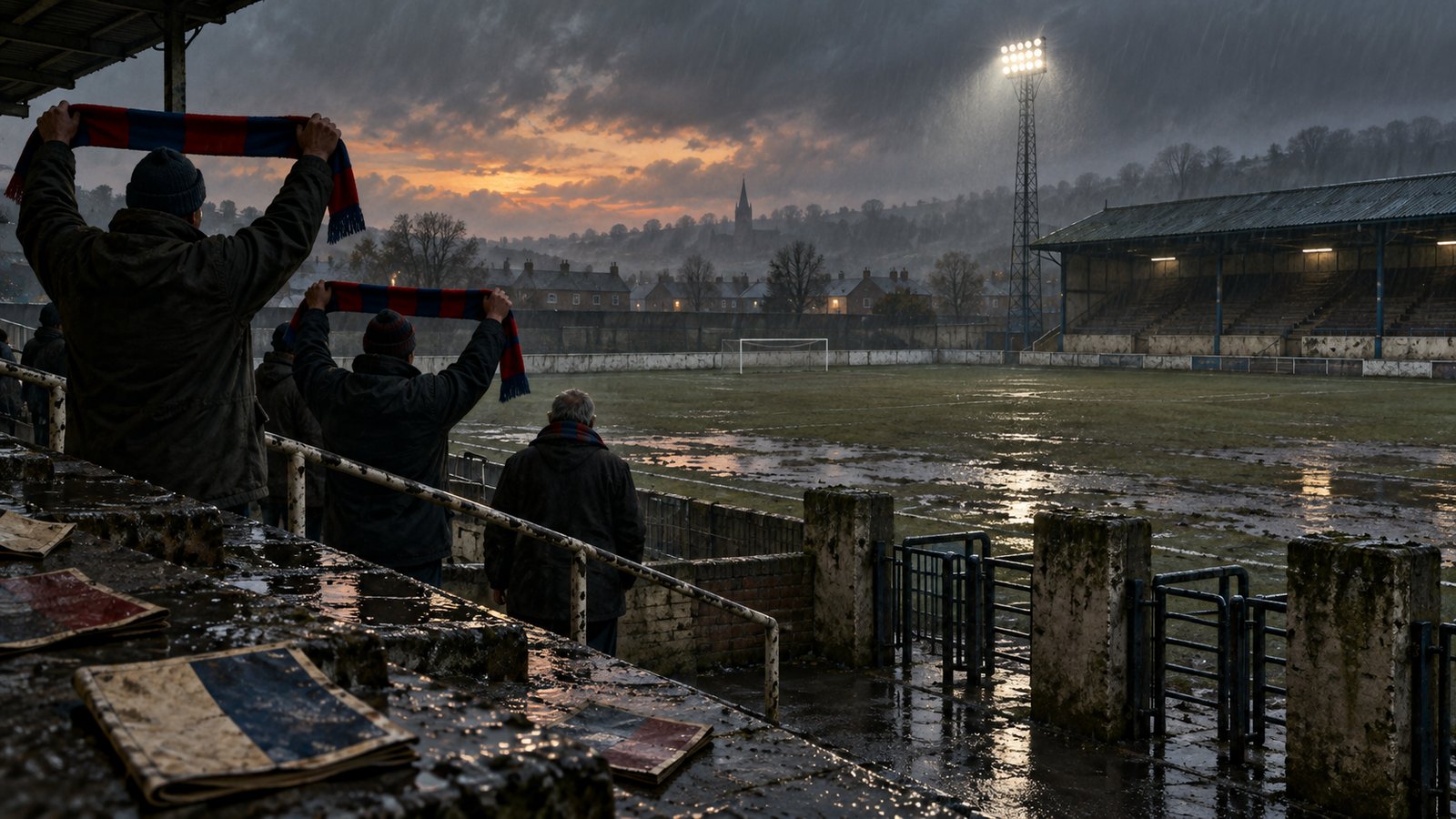
Five days after a defeat at Cardiff, Aldershot was wound up and its entire 36-match Football League record disappeared from the table.
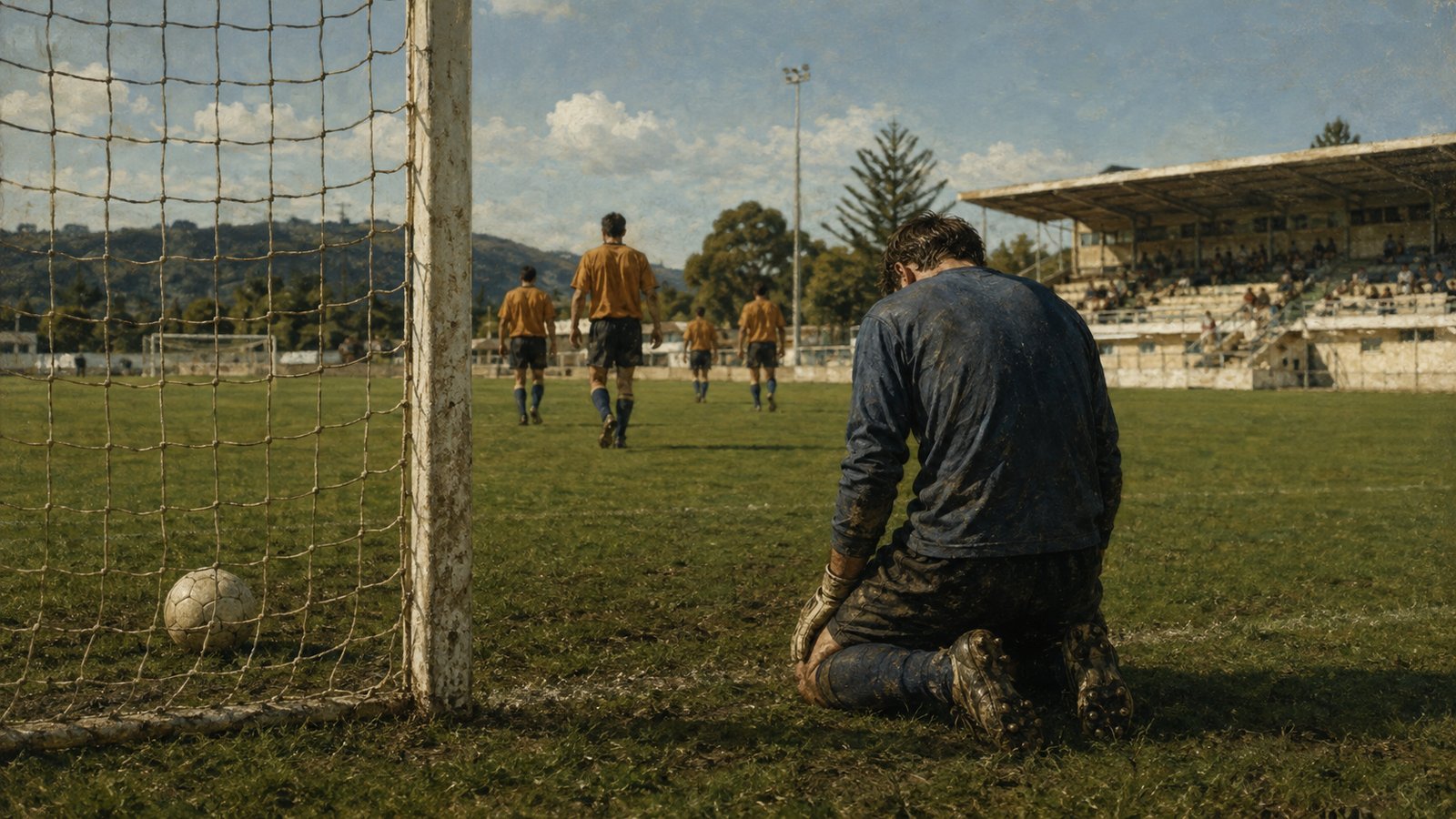
Australia’s 31–0 World Cup qualifier against American Samoa was a record, but the conditions around it reveal why the score was more than a statistical curiosity.
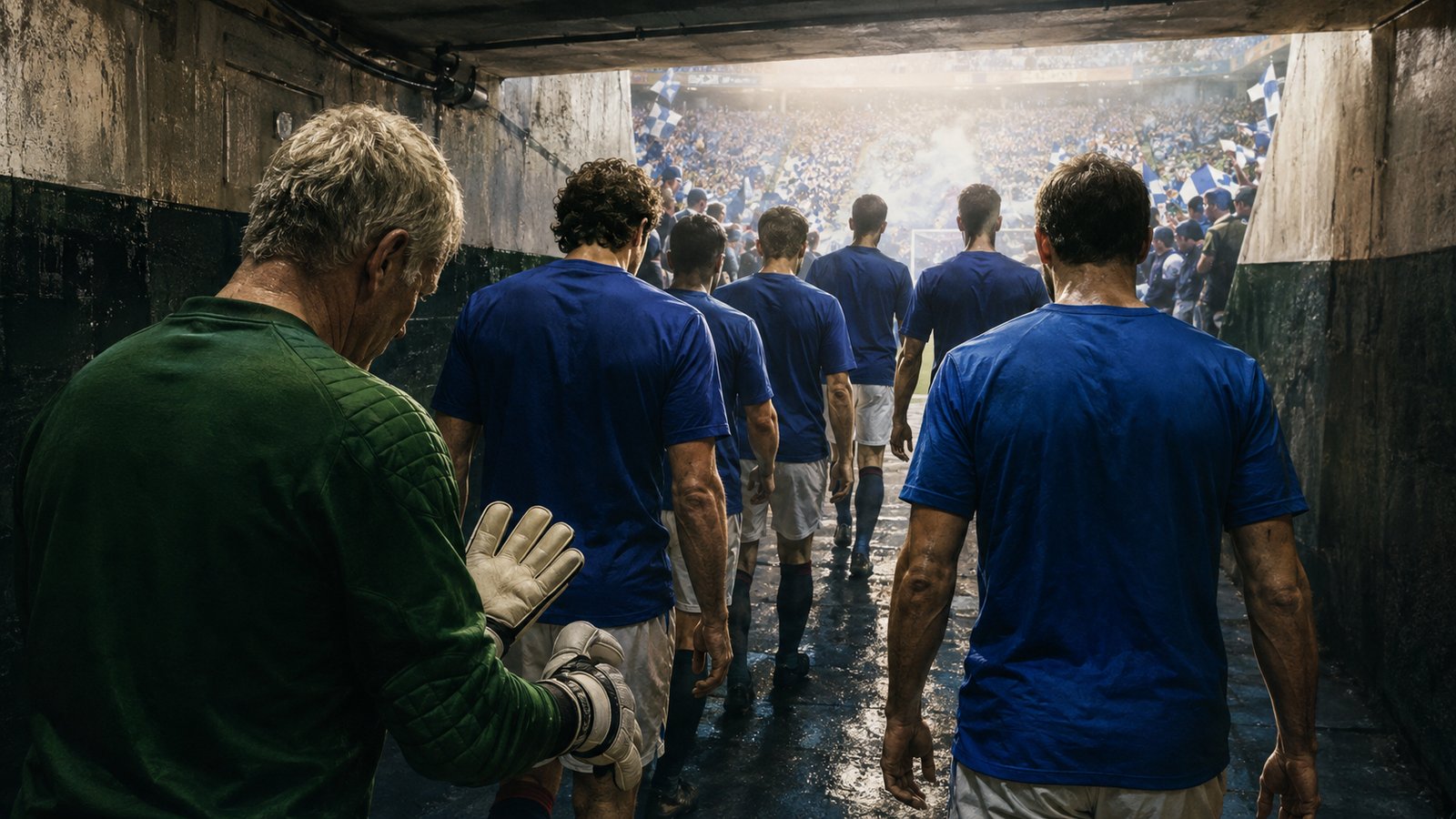
Portsmouth entered administration on 26 February 2010, suffered a nine-point deduction, and still reached the FA Cup final 78 days later.
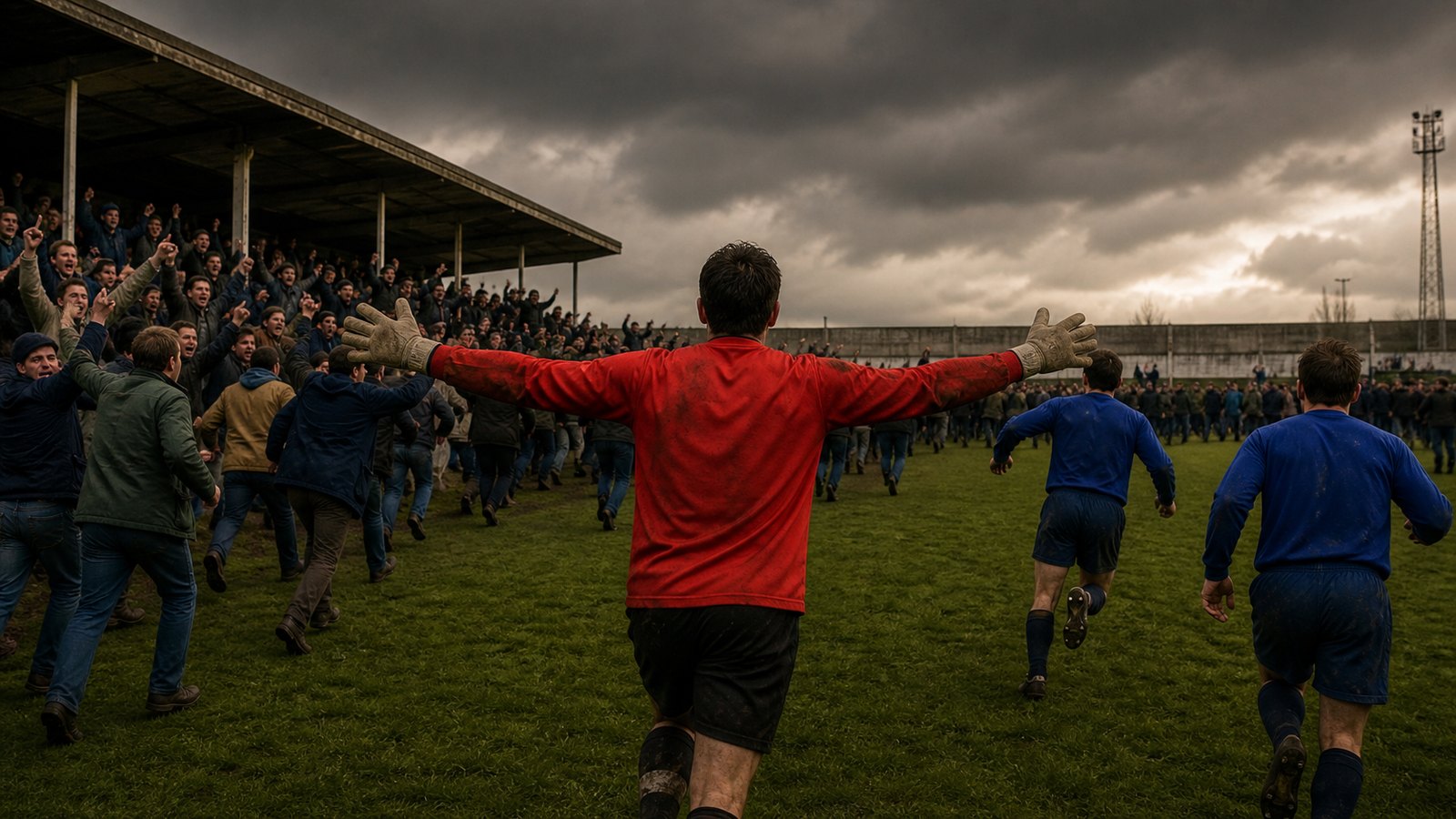
Emergency-loan goalkeeper Jimmy Glass scored from Carlisle United’s final corner in 1999, preserving the club’s Football League status with virtually the last kick.