Arthur Wharton Ran 100 Yards in Ten Seconds Before His First Professional Contract

Arthur Wharton’s sprint record, unusual goalkeeping and professional football career reveal a pioneer whose achievements were measured in very different ways.

The 1994 Caribbean Cup rule that made a deliberate own goal rational and forced Barbados to protect both ends of the pitch.
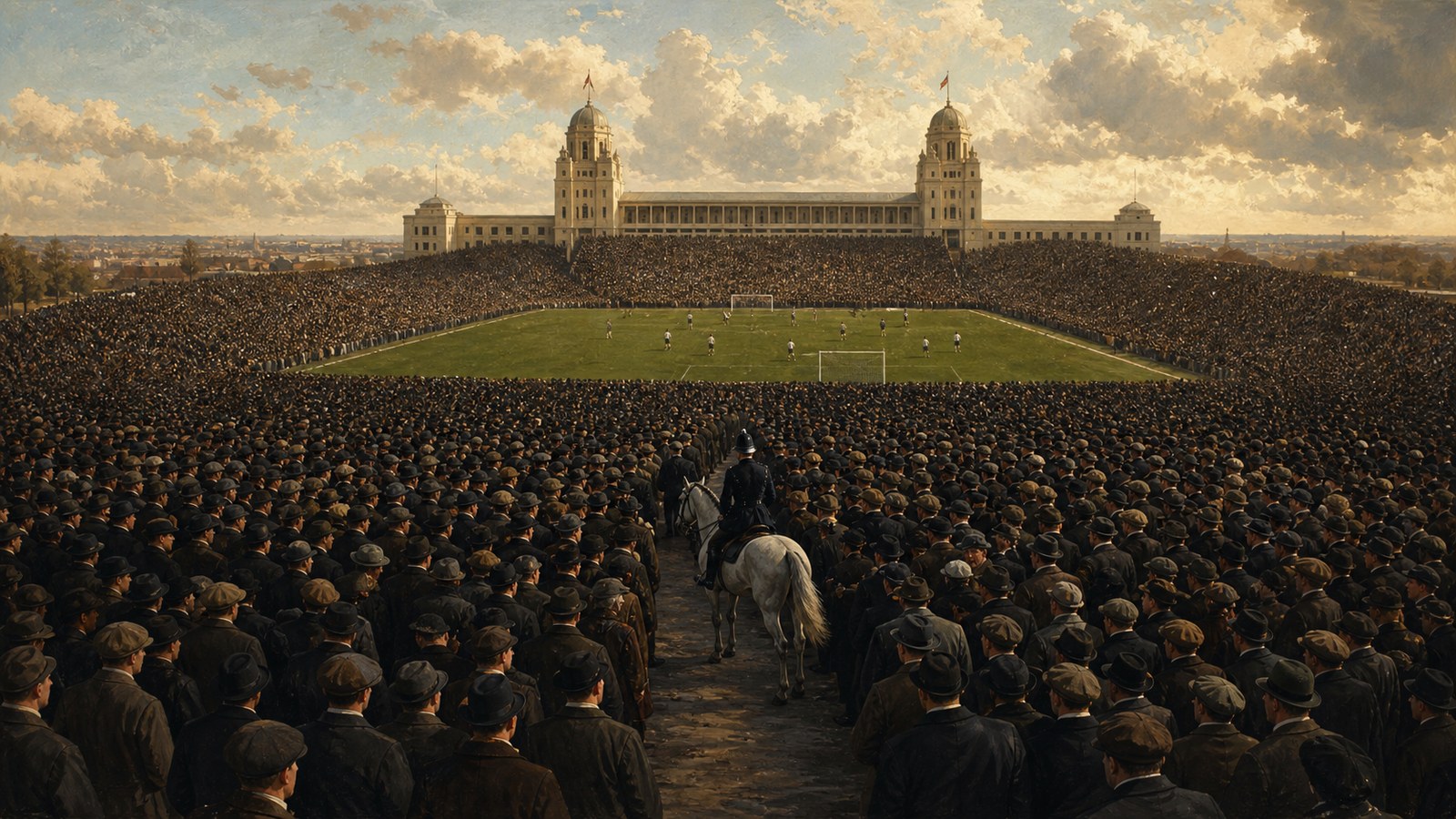
Wembley’s first final became a test of crowd movement, improvised boundaries and the mounted policeman whose grey horse made the chaos visible.
The golden goal promised more attacking extra time. Bierhoff, Blanc and Trezeguet showed its drama, but the rule also made every risk irreversible.
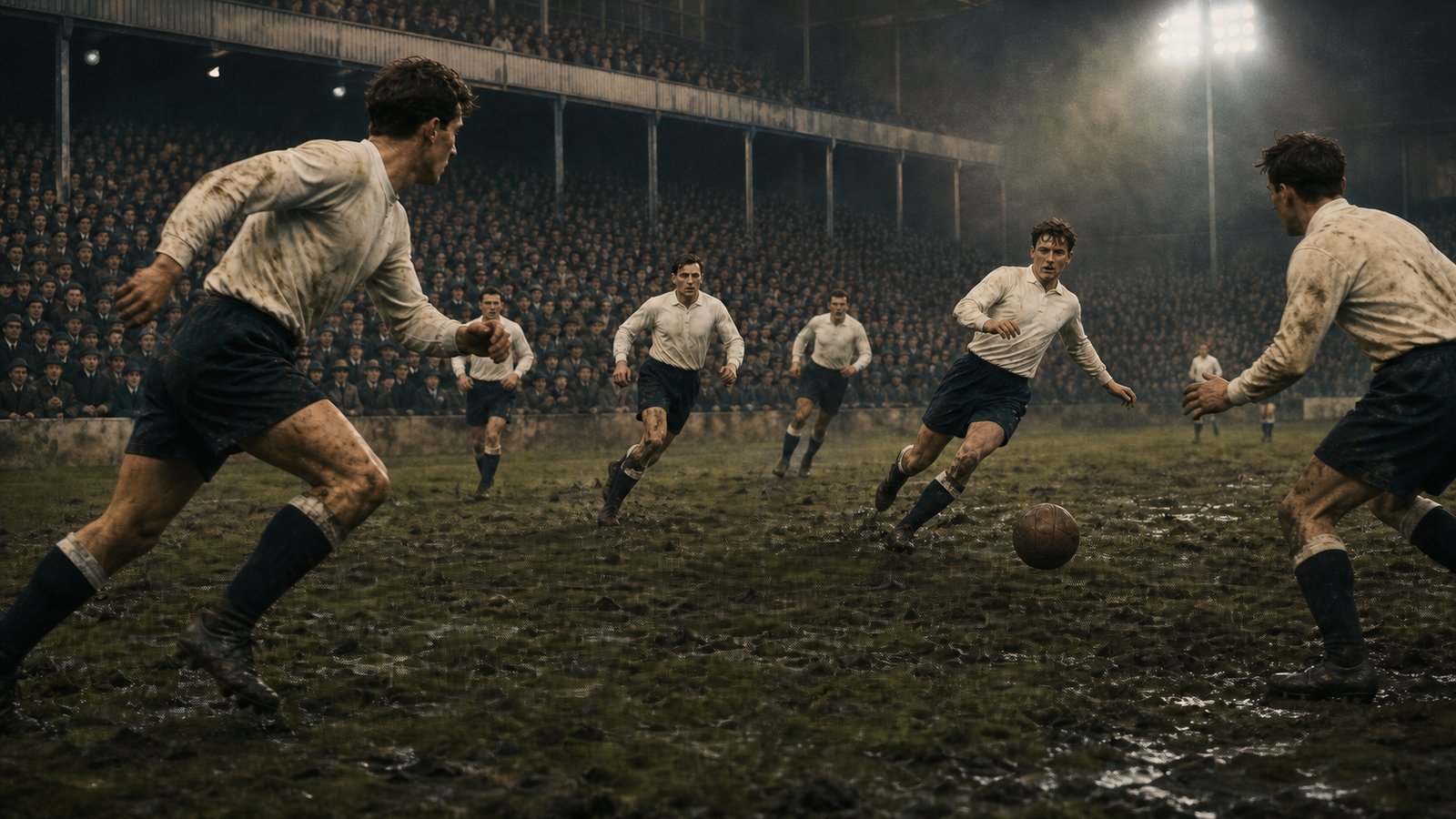
Arthur Rowe traced a seven-pass goal with sugar on a train table. Thirteen years later, the same idea guided Tottenham from the second tier to its first league championship.
Cameroon lost two players to red cards against Diego Maradona’s Argentina. Between the dismissals, they scored the goal that changed the opening night of Italia 90.
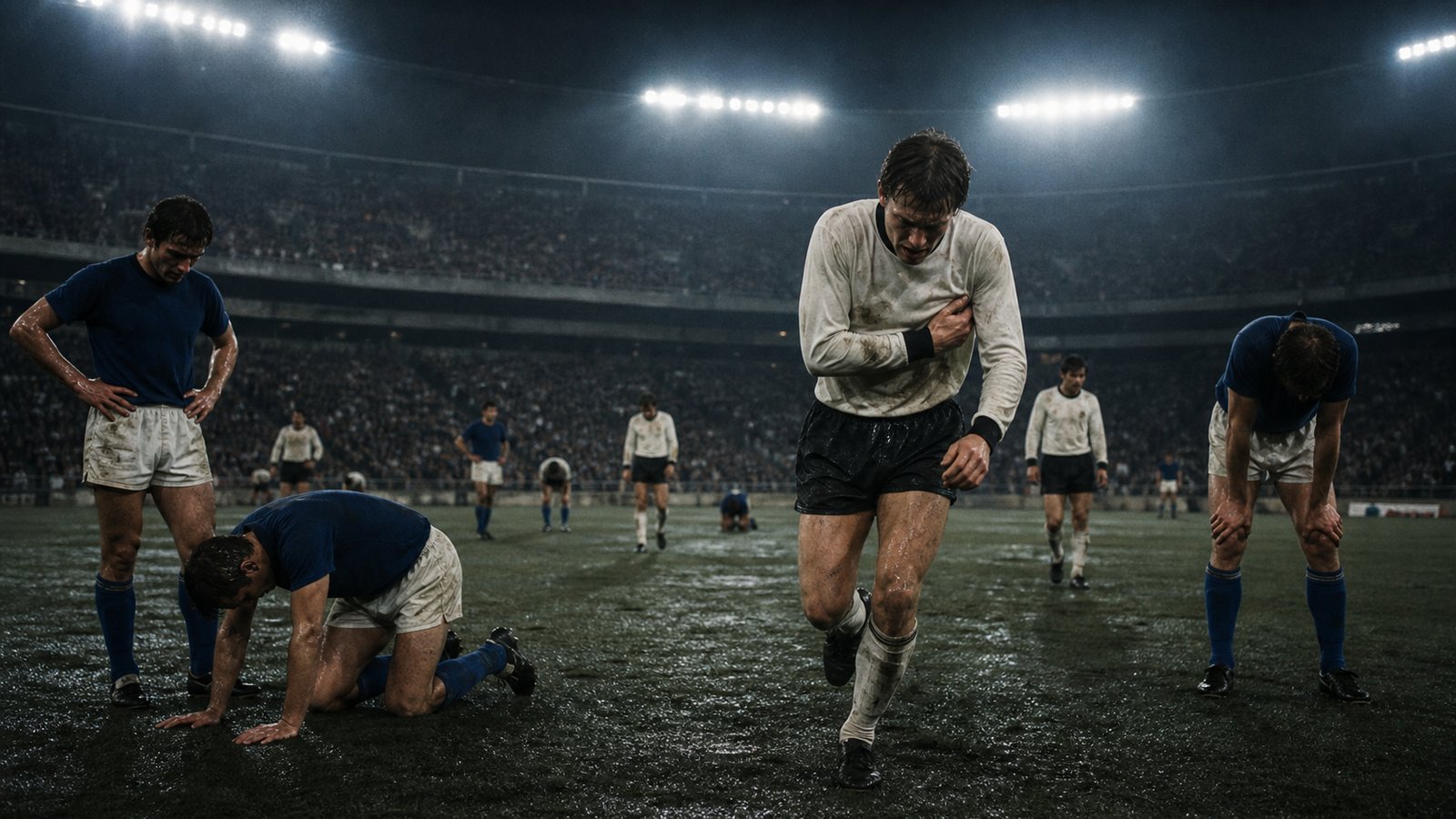
How Italy and West Germany moved from 80 minutes of control to five extra-time goals in the 1970 World Cup semi-final.
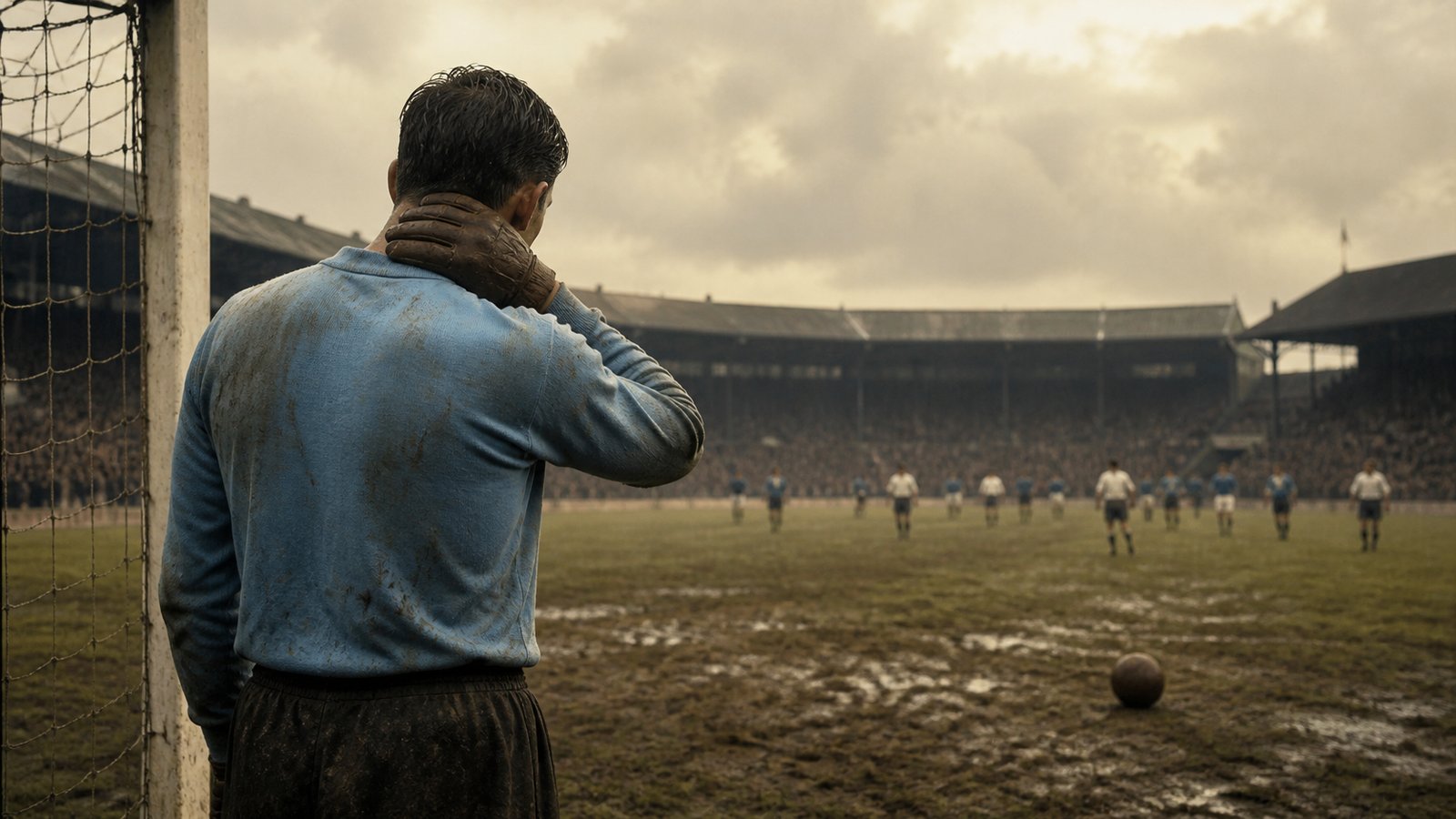
How a collision, a missed diagnosis and five displaced vertebrae turned Bert Trautmann’s 1956 FA Cup final into a symbol of a much longer transformation.
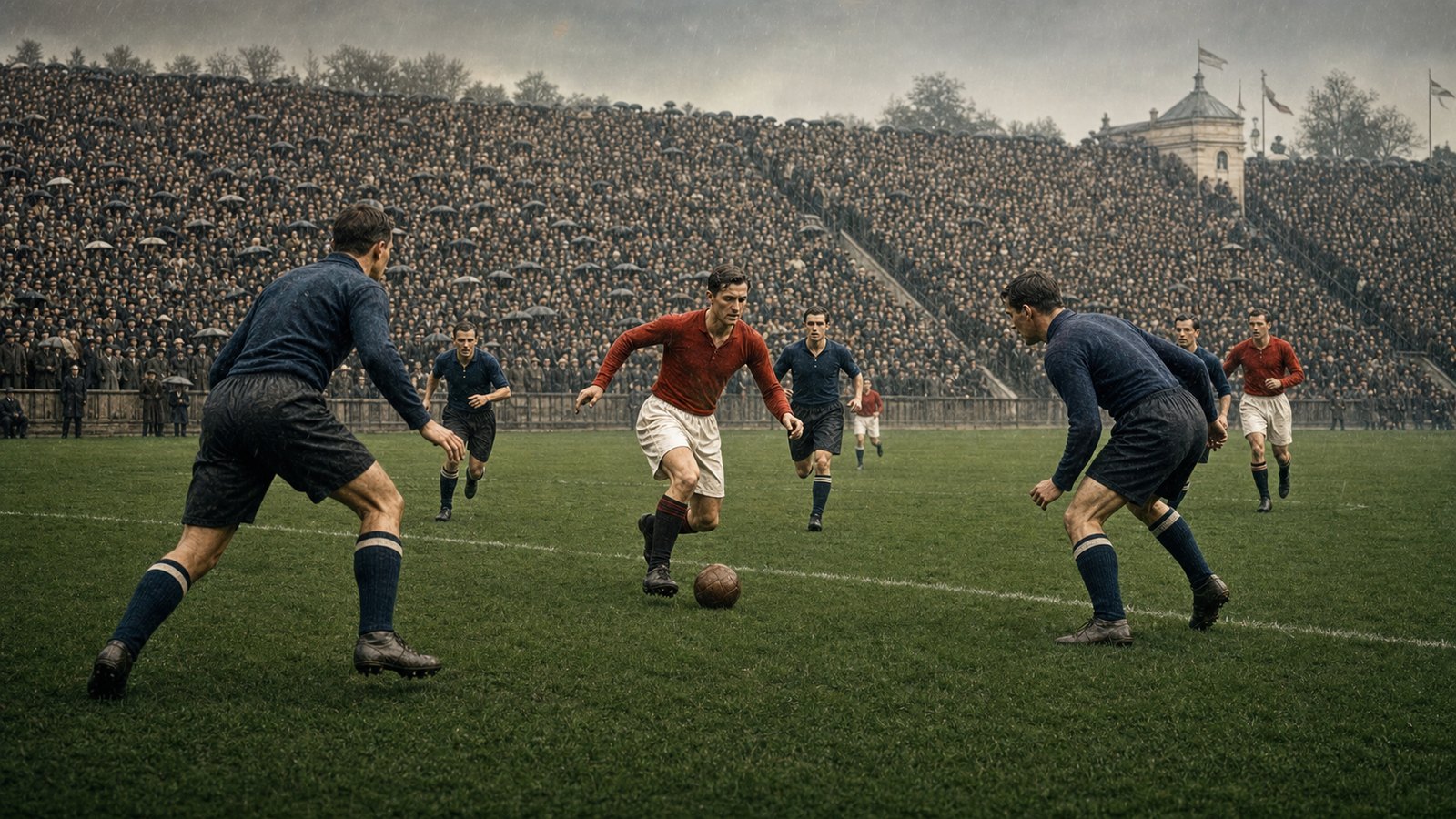
The 5–0 afternoon when Vienna used a wandering centre-forward and short passing to unsettle football’s old hierarchy.
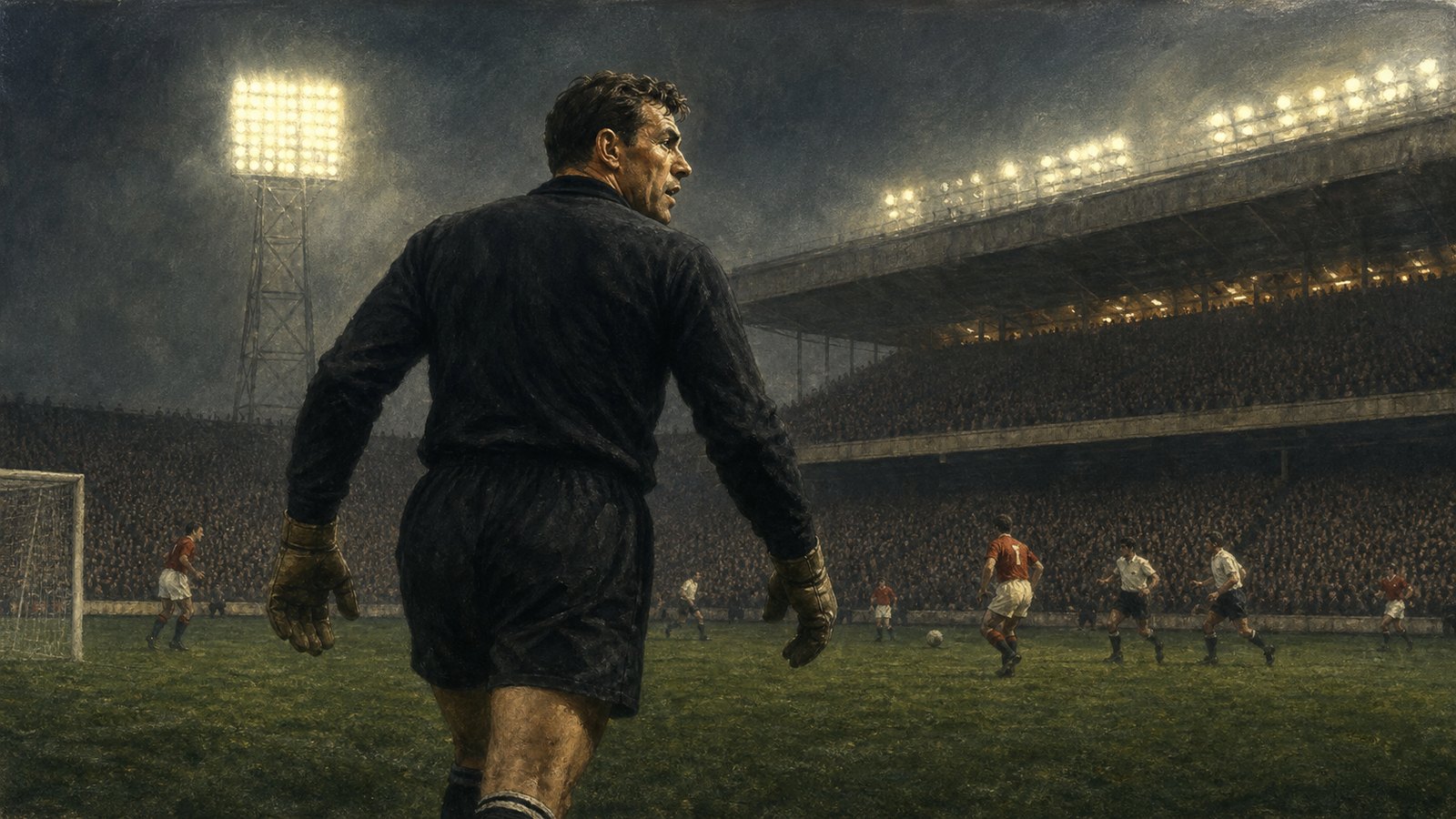
How Lev Yashin made voters see goalkeeping as command, anticipation and the start of attack.