
Brazil’s 4-2-4 Surprise at the 1958 World Cup
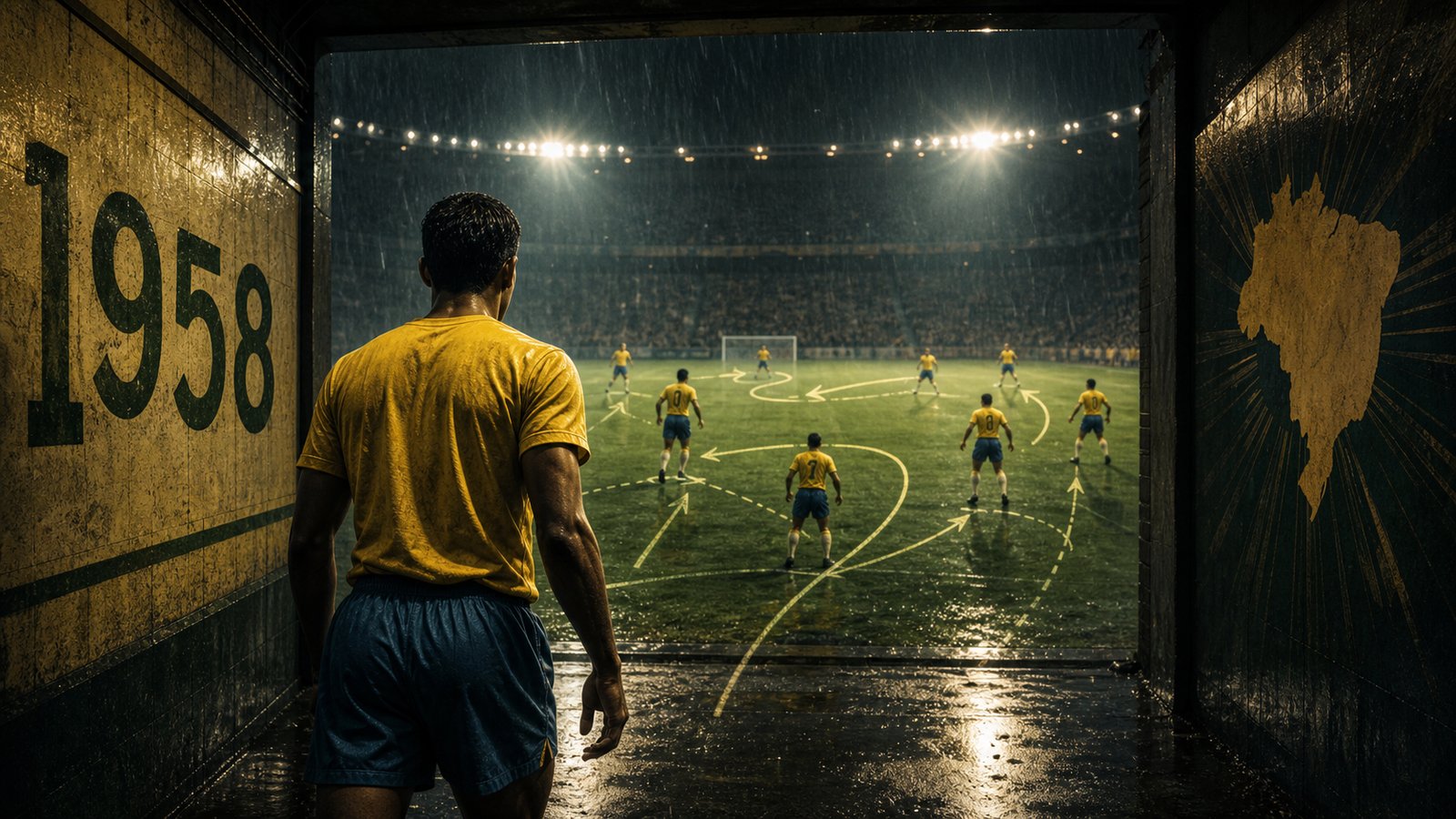
Brazil 1958 is remembered as Pelé arriving, but the deeper shock was a 4-2-4 structure that turned attacking joy into a repeatable World Cup mechanism.
Brazil 1958 is remembered as Pelé arriving, but the deeper shock was a 4-2-4 structure that turned attacking joy into a repeatable World Cup mechanism.
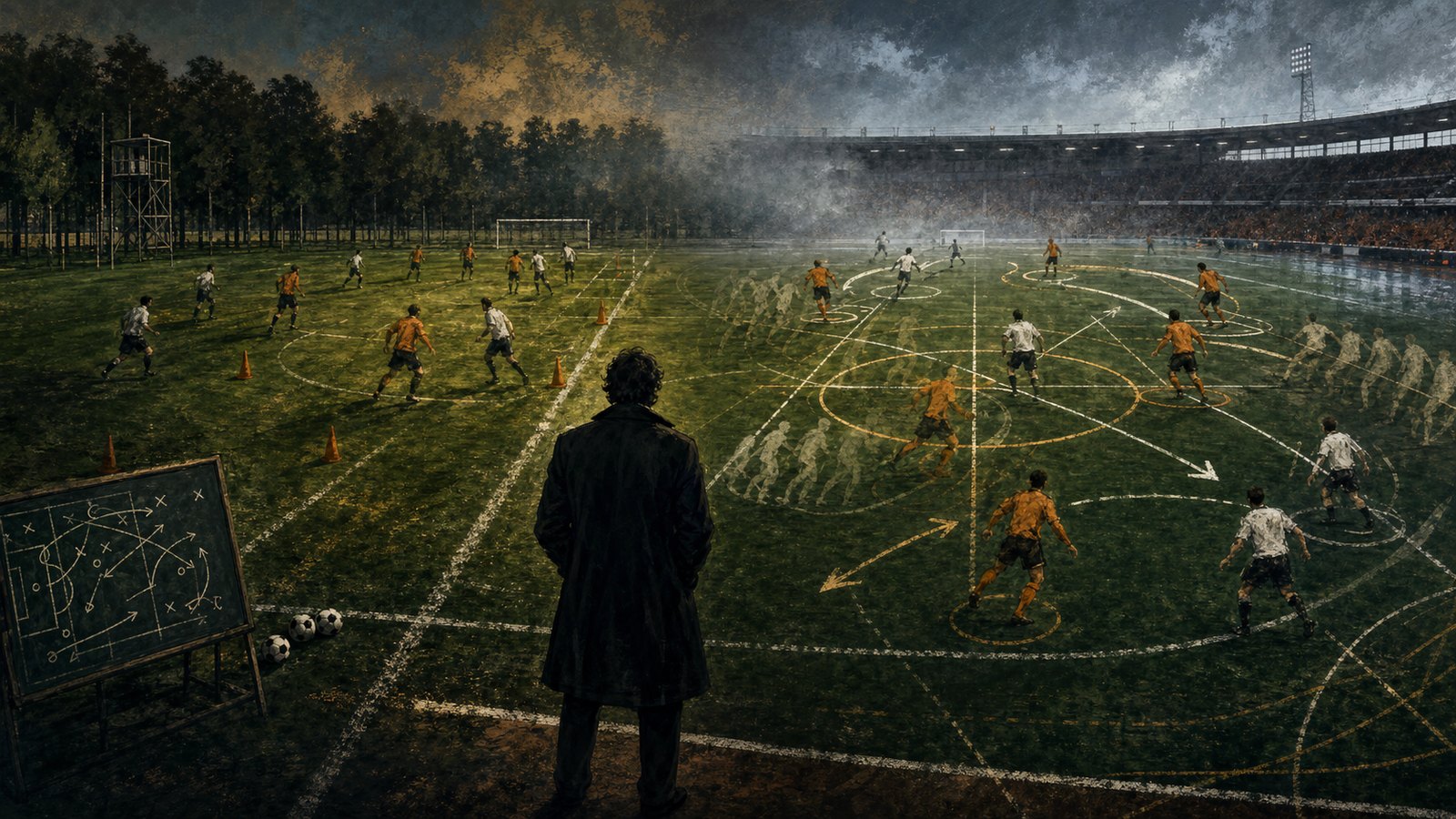
Total Football is remembered as freedom, but the Ajax and Netherlands model was a disciplined system of rotation, pressing and shared risk.
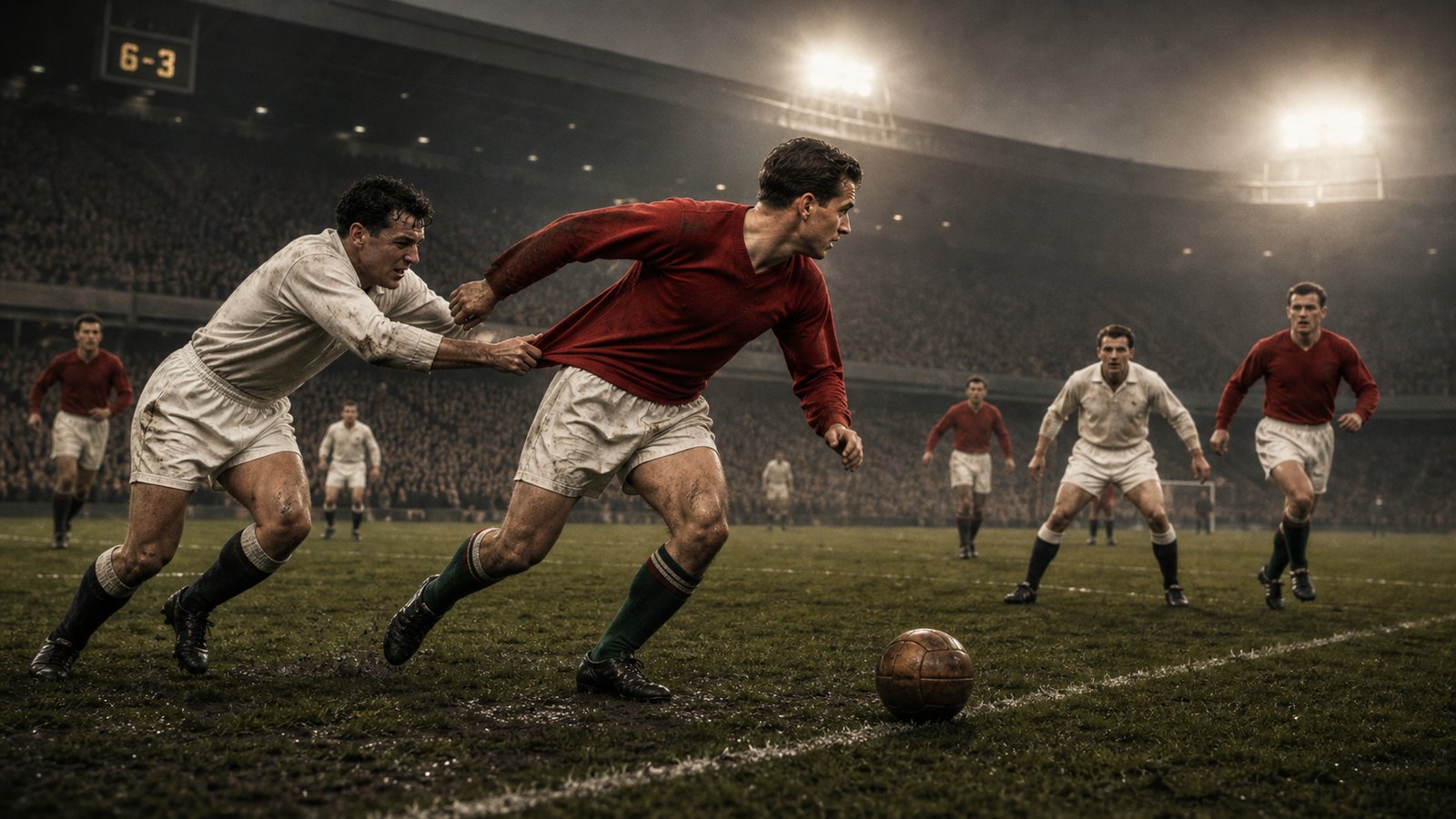
Hungary’s 6-3 at Wembley was not just a scoreline. It was the moment an older defensive grammar met the moving roles of the Golden Team.
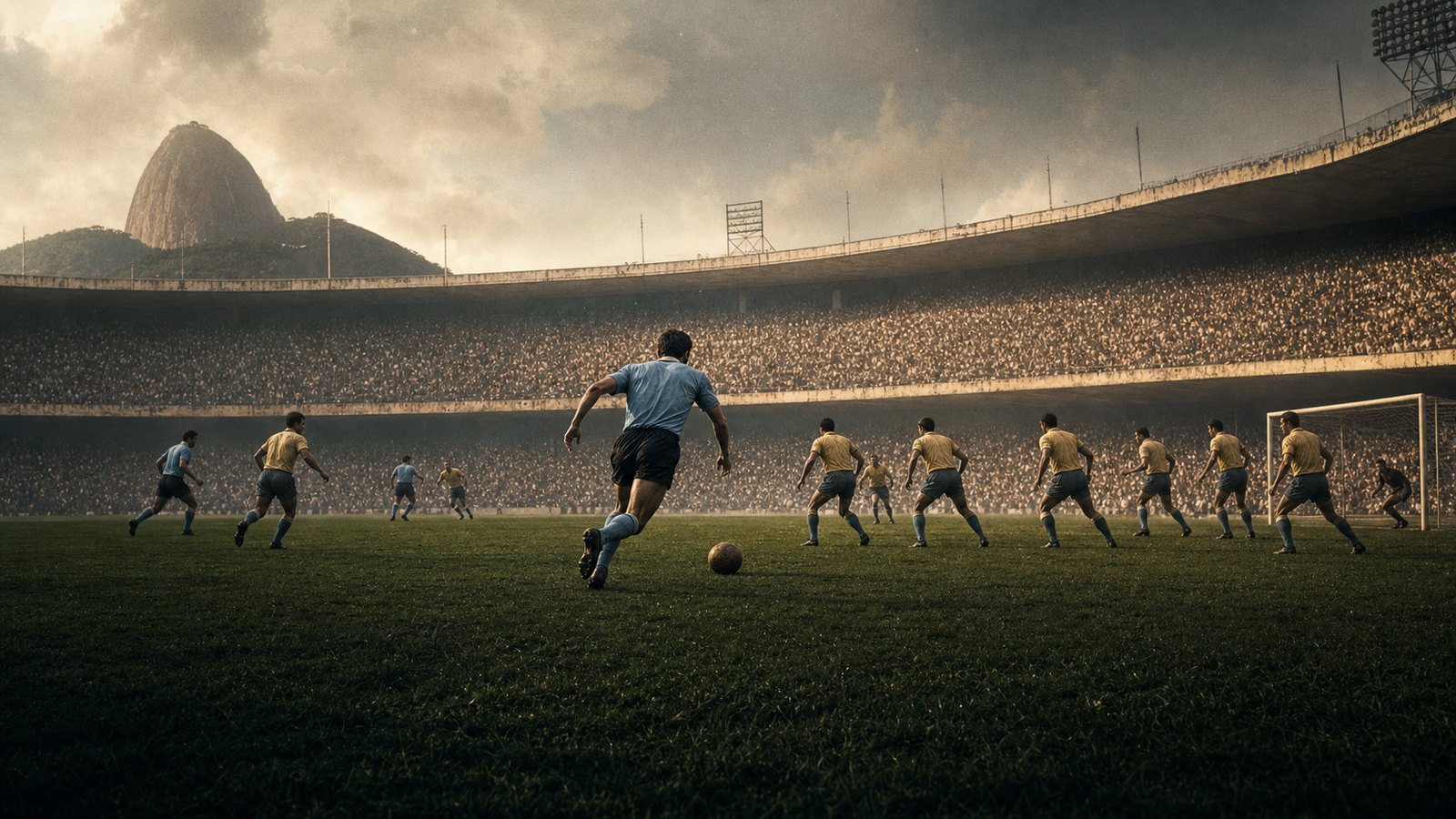
Uruguay’s 1950 shock in the Maracanã was not only crowd silence; it was compact defending, emotional control, and one decisive transition corridor.
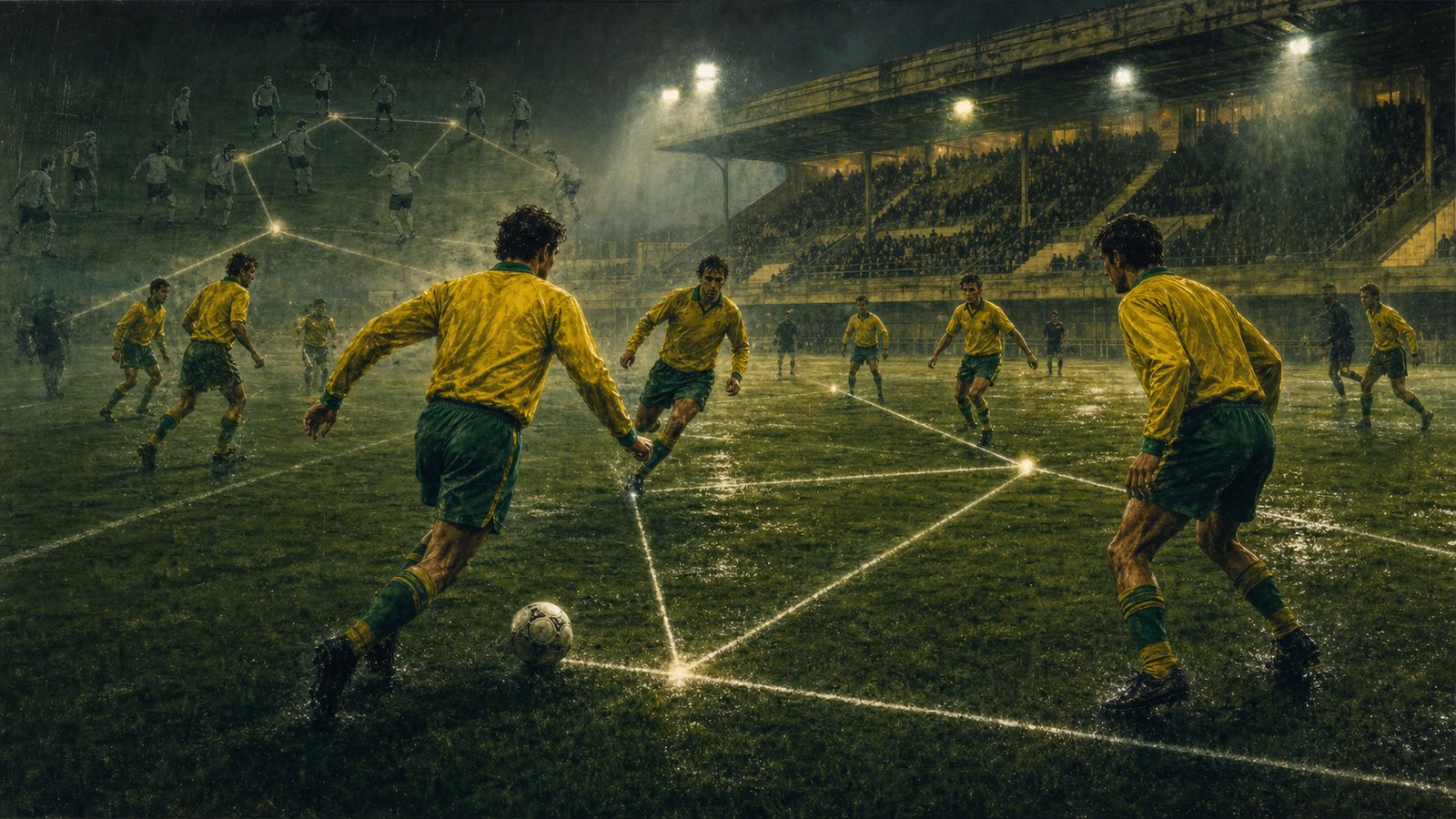
The jeu à la nantaise was not just pretty football; in 1994-95 it became a durable title mechanism.

Arsenal’s unbeaten 2003-04 league season is remembered as romance, but the real mechanism was balance: transition threat, game control, and a side built not to panic.
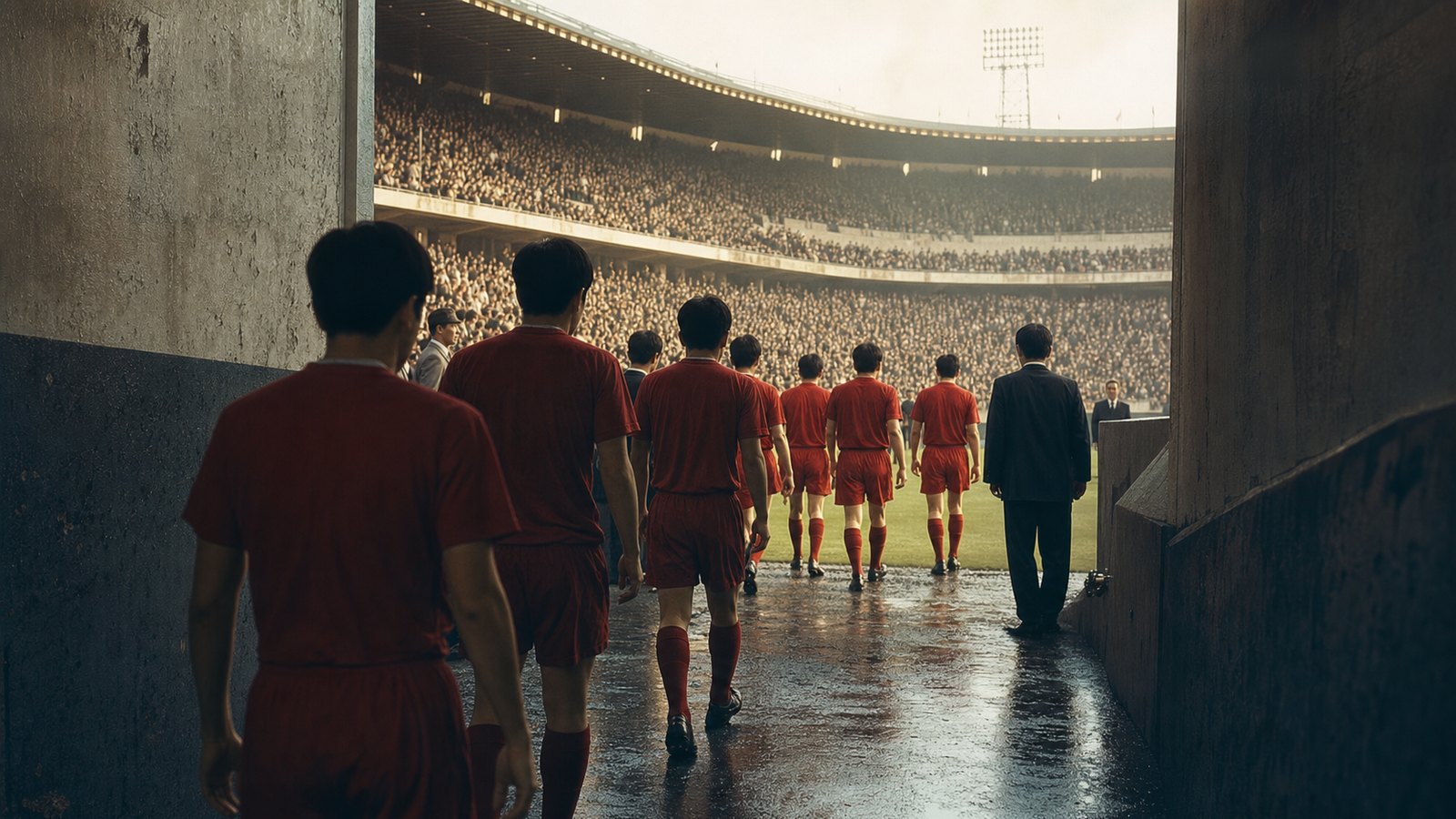
North Korea’s 1966 World Cup shock was built through recovery, compact football and an extraordinary bond with Middlesbrough.
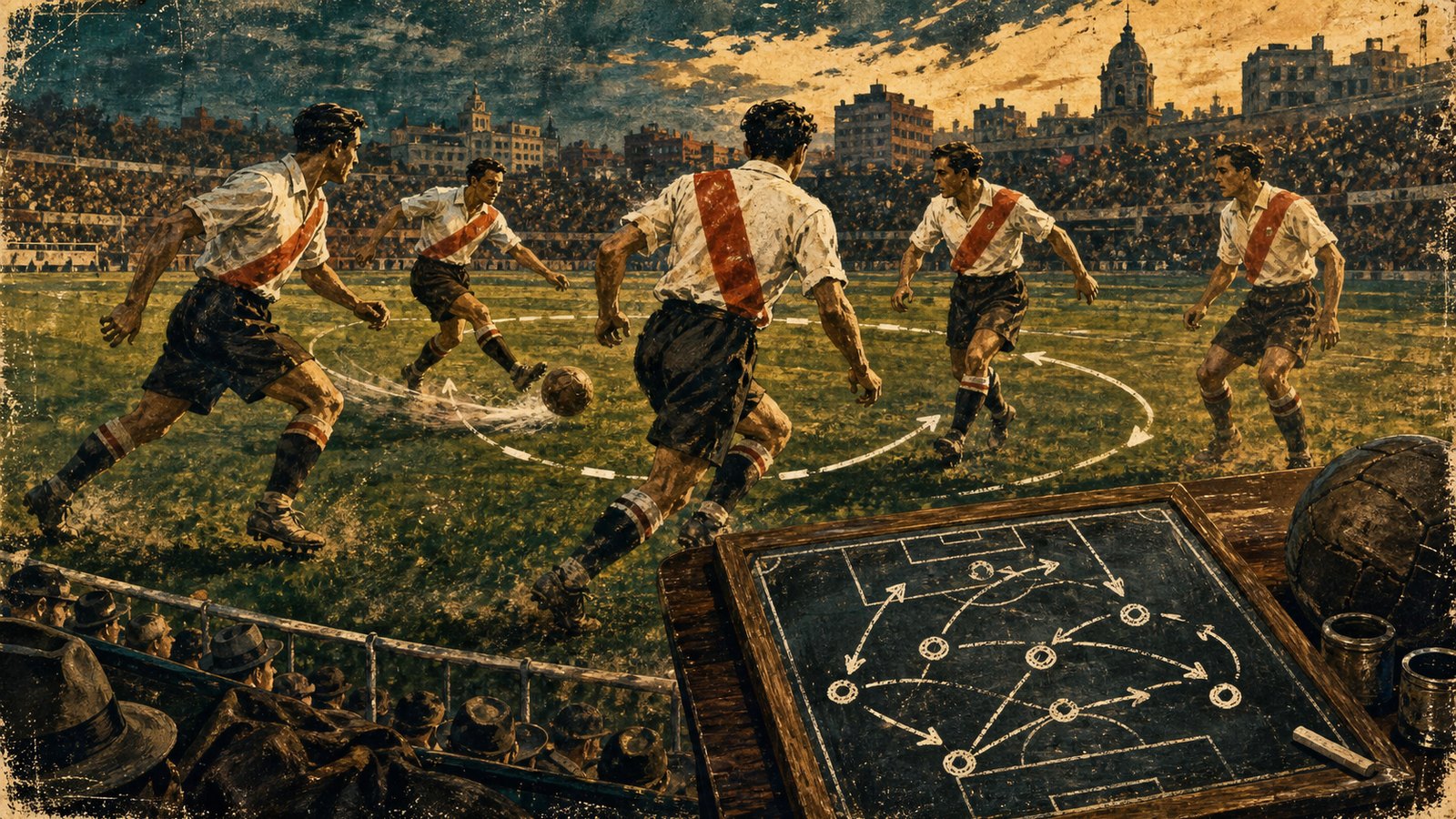
River Plate’s 1940s forward line became a tactical memory because its motion made fixed positions feel outdated.
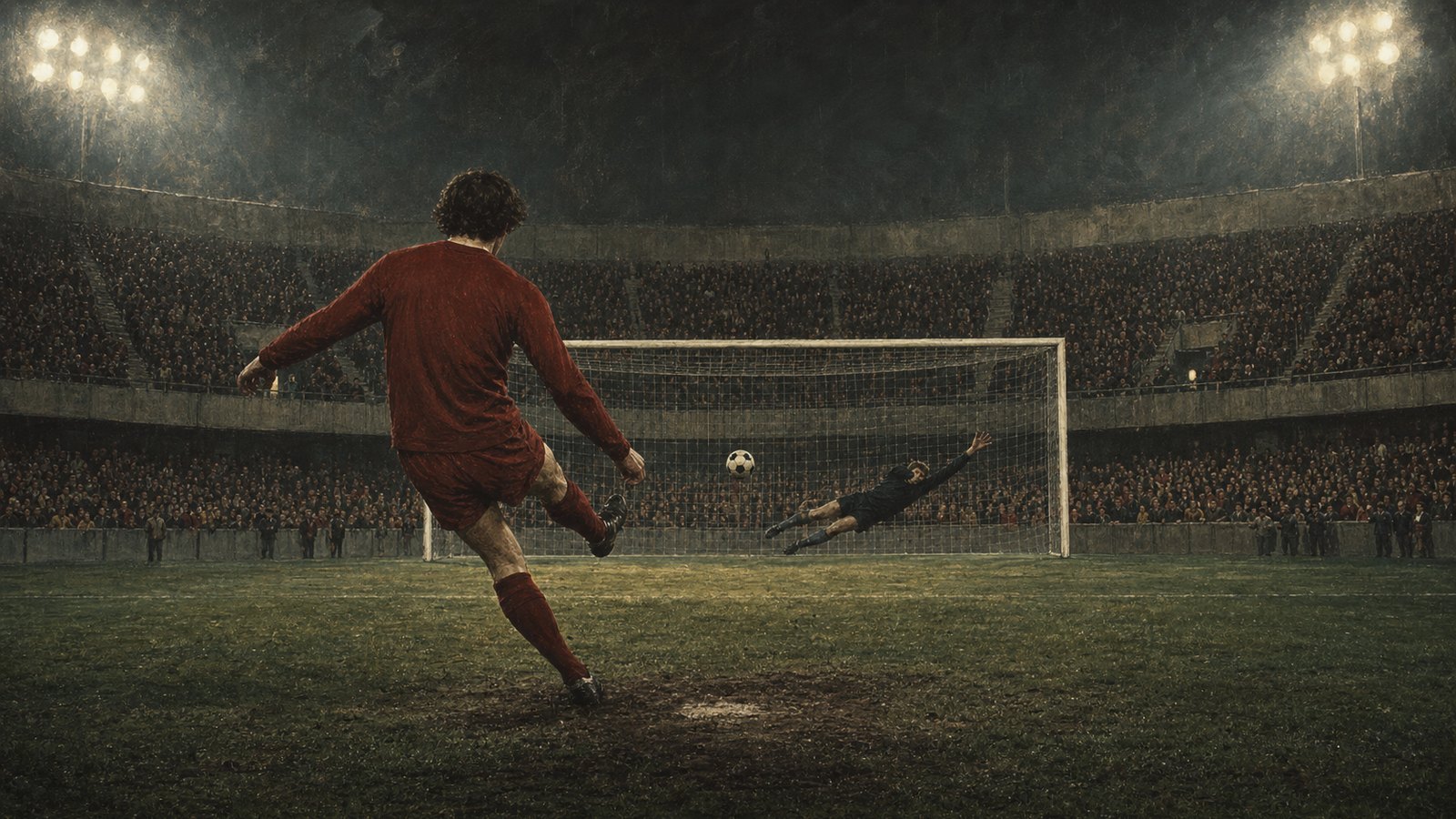
Two years of after-training penalty wagers revealed the space goalkeepers created by committing early—and produced football’s most famous chipped penalty.

Milan’s 4-0 win over Barcelona in 1994 looked impossible before kickoff, but the final was a tactical trap sprung in public.