
Four and a Half Minutes at Valley Parade Changed Stadium Safety
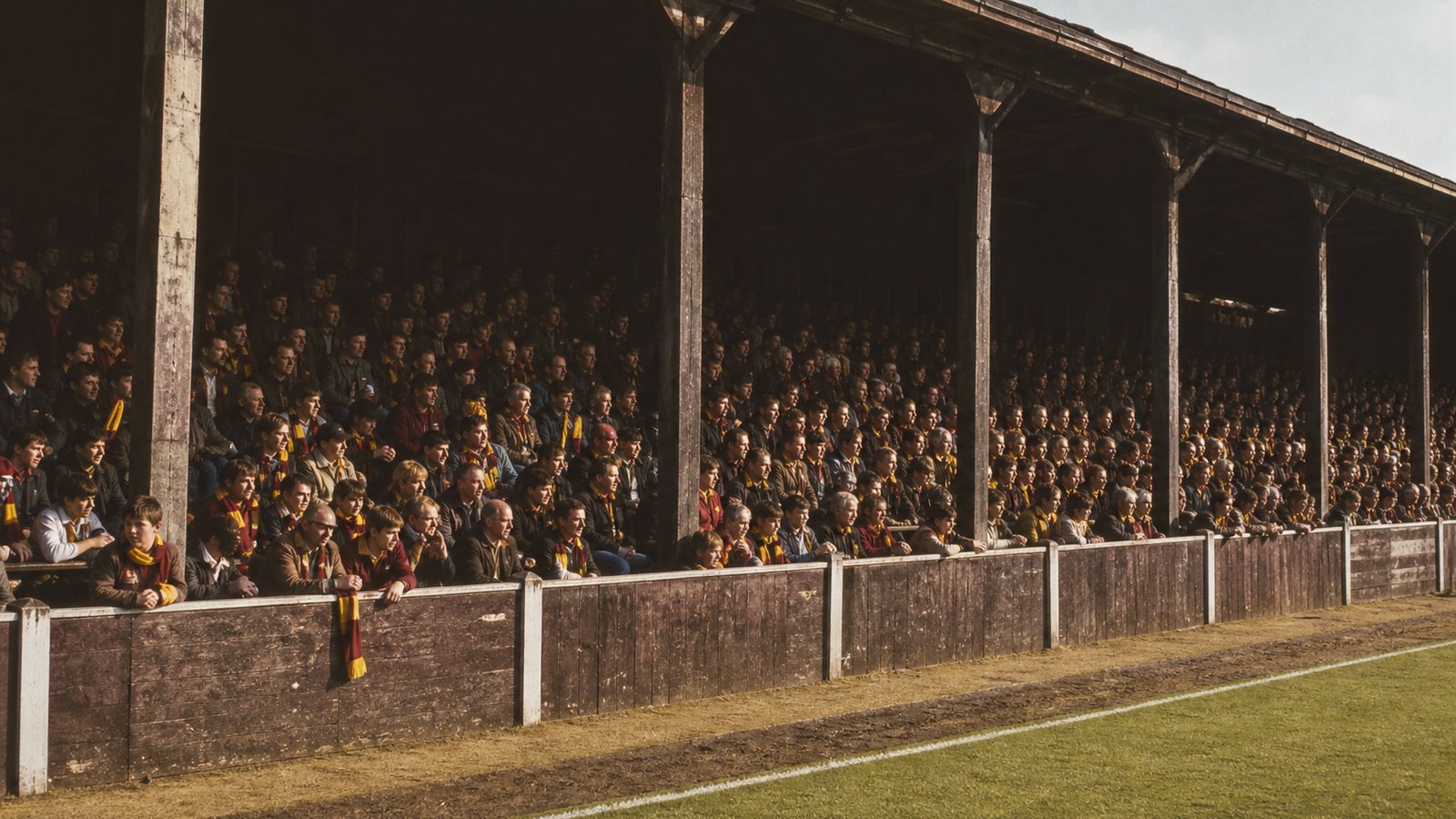
How a four-and-a-half-minute fire at Bradford exposed an ignored warning, transformed sports-ground law and left an unfinished lesson about escape.
How a four-and-a-half-minute fire at Bradford exposed an ignored warning, transformed sports-ground law and left an unfinished lesson about escape.

SO l’Emyrne’s 149 own goals were not a defensive collapse. They were a coordinated protest that left an official score counting after competitive intent had vanished.
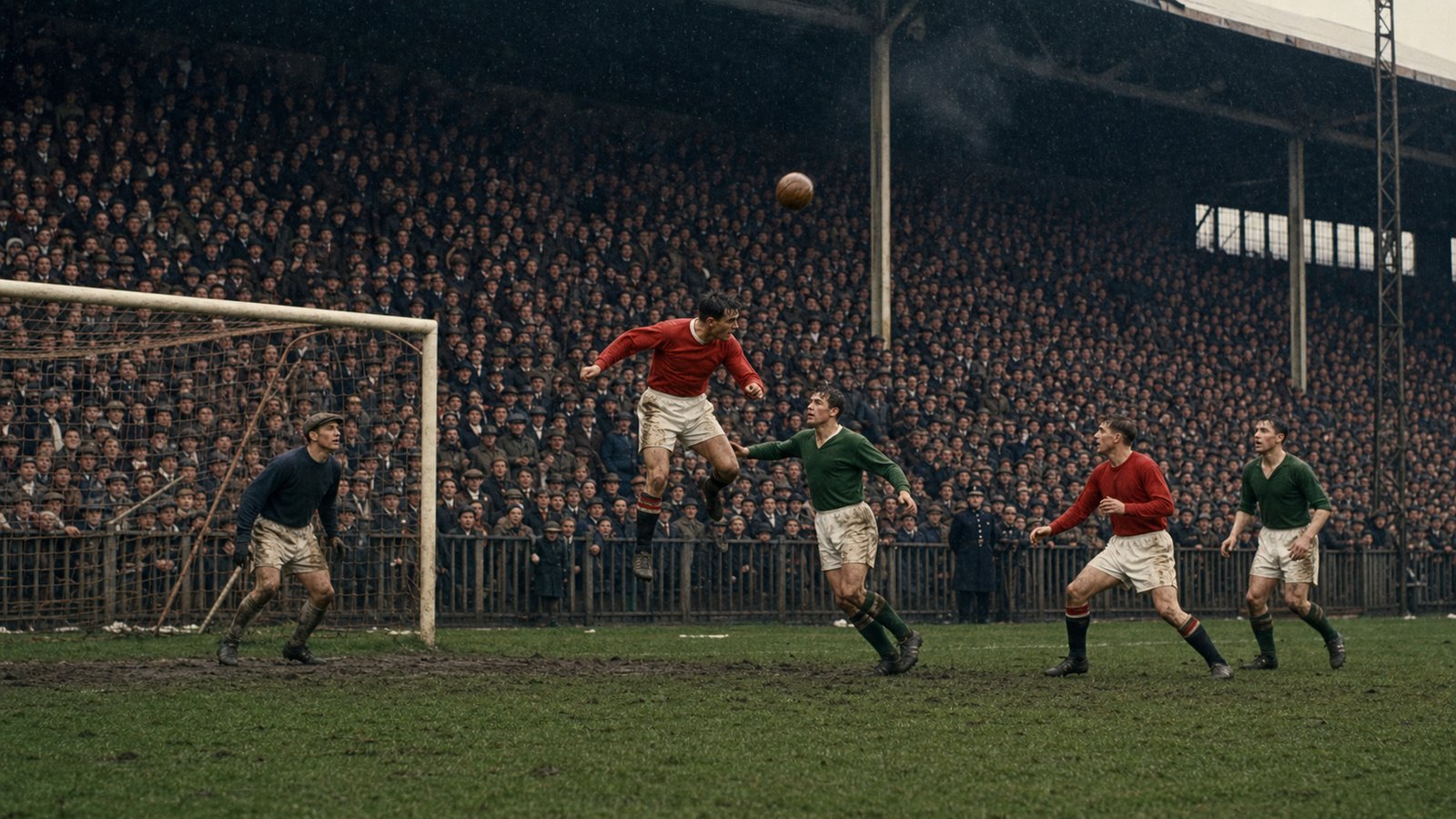
Third Lanark finished third and scored 100 league goals in 1961, but a destructive ownership regime, unpaid wages and collapsing operations ended a founding Scottish League club in 1967.

Bury moved from promotion to expulsion in four months as unpaid obligations, postponed fixtures and a failed takeover compressed 125 years of Football League membership into one deadline night.
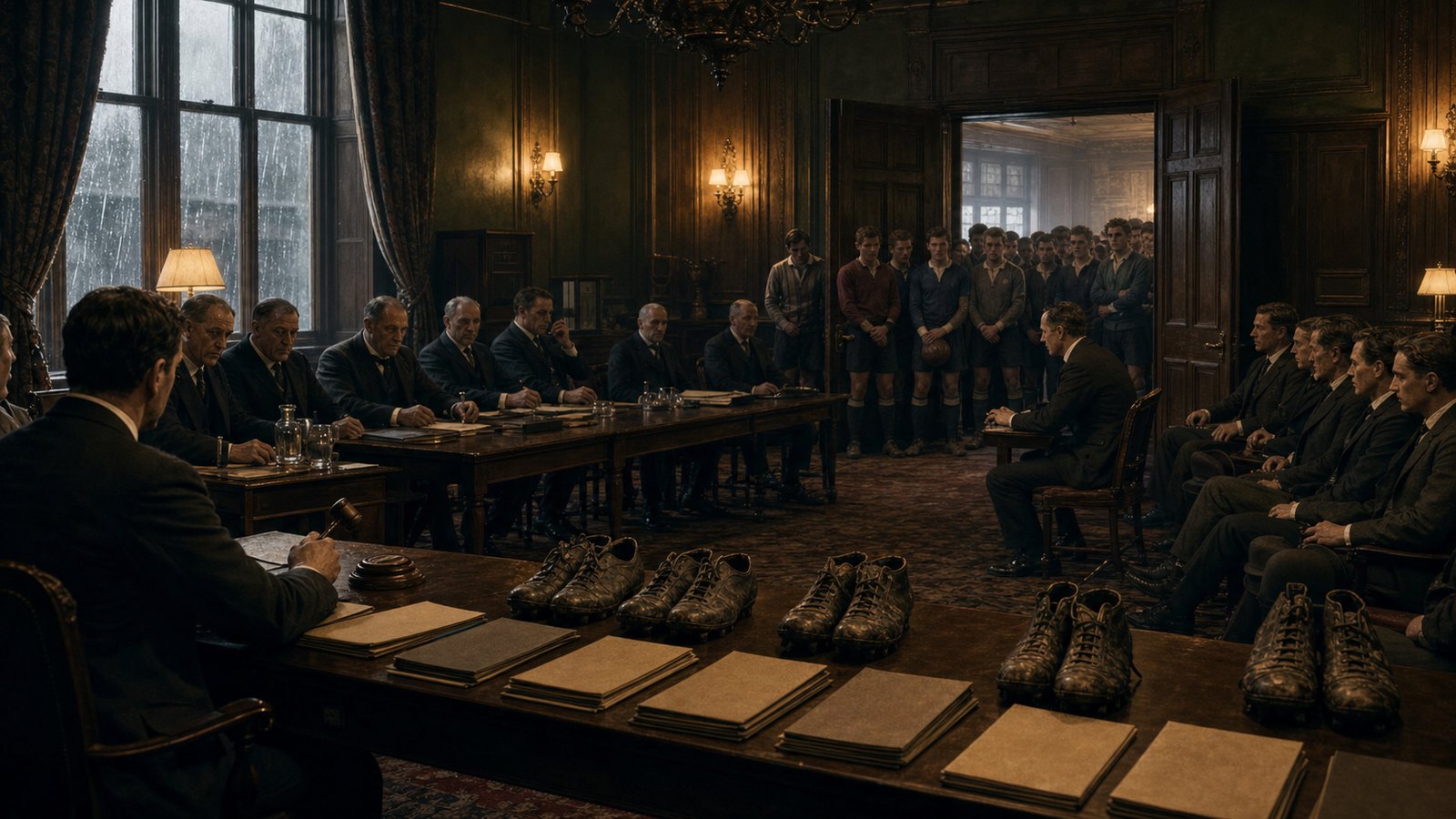
Leeds City’s 1919 expulsion turned a governance failure into football’s strangest hotel auction—and cleared the ground for Leeds United.
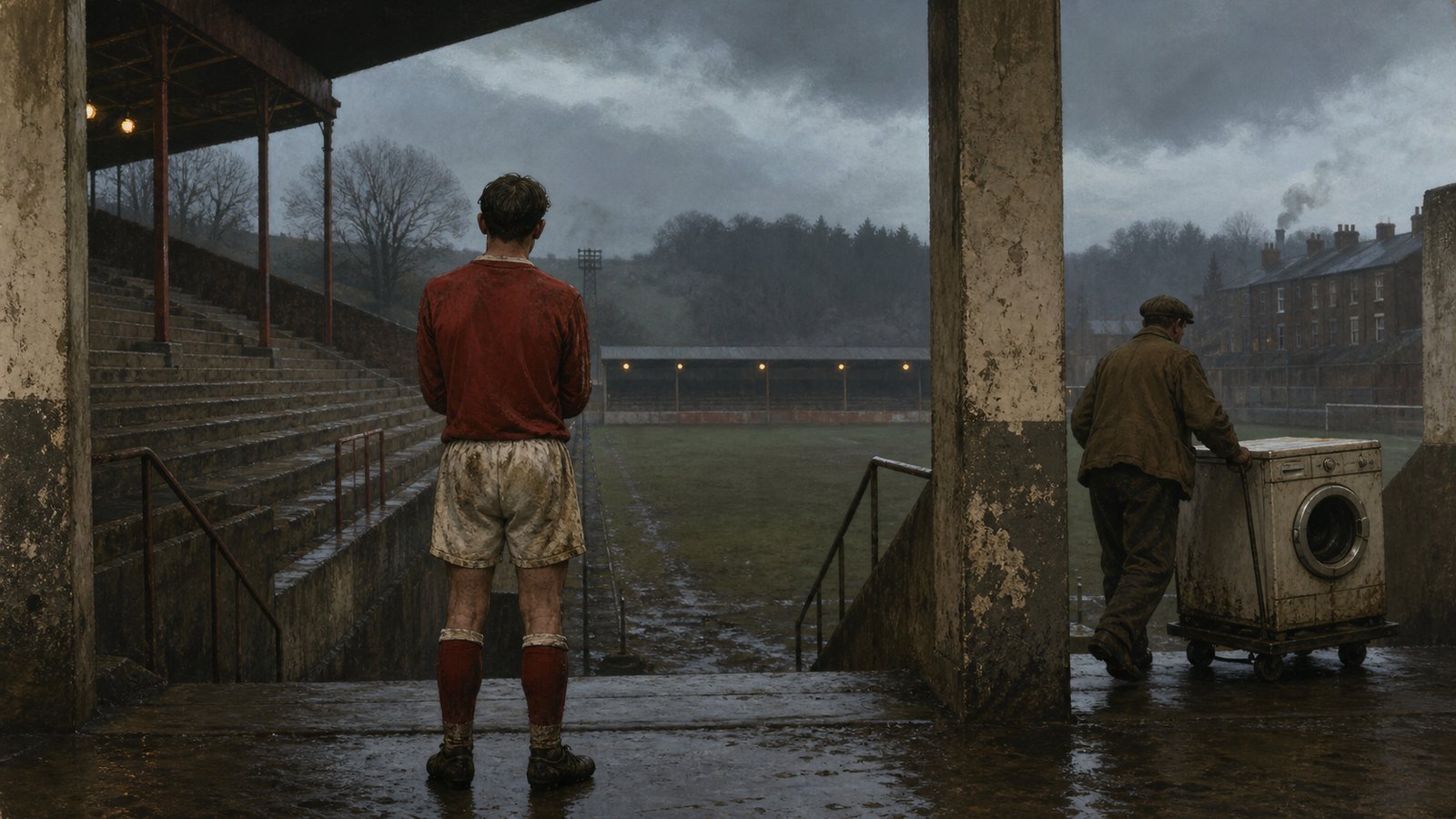
The meetings, empty seats, unpaid obligations and resignation letter that ended Accrington Stanley’s Football League season in March 1962.
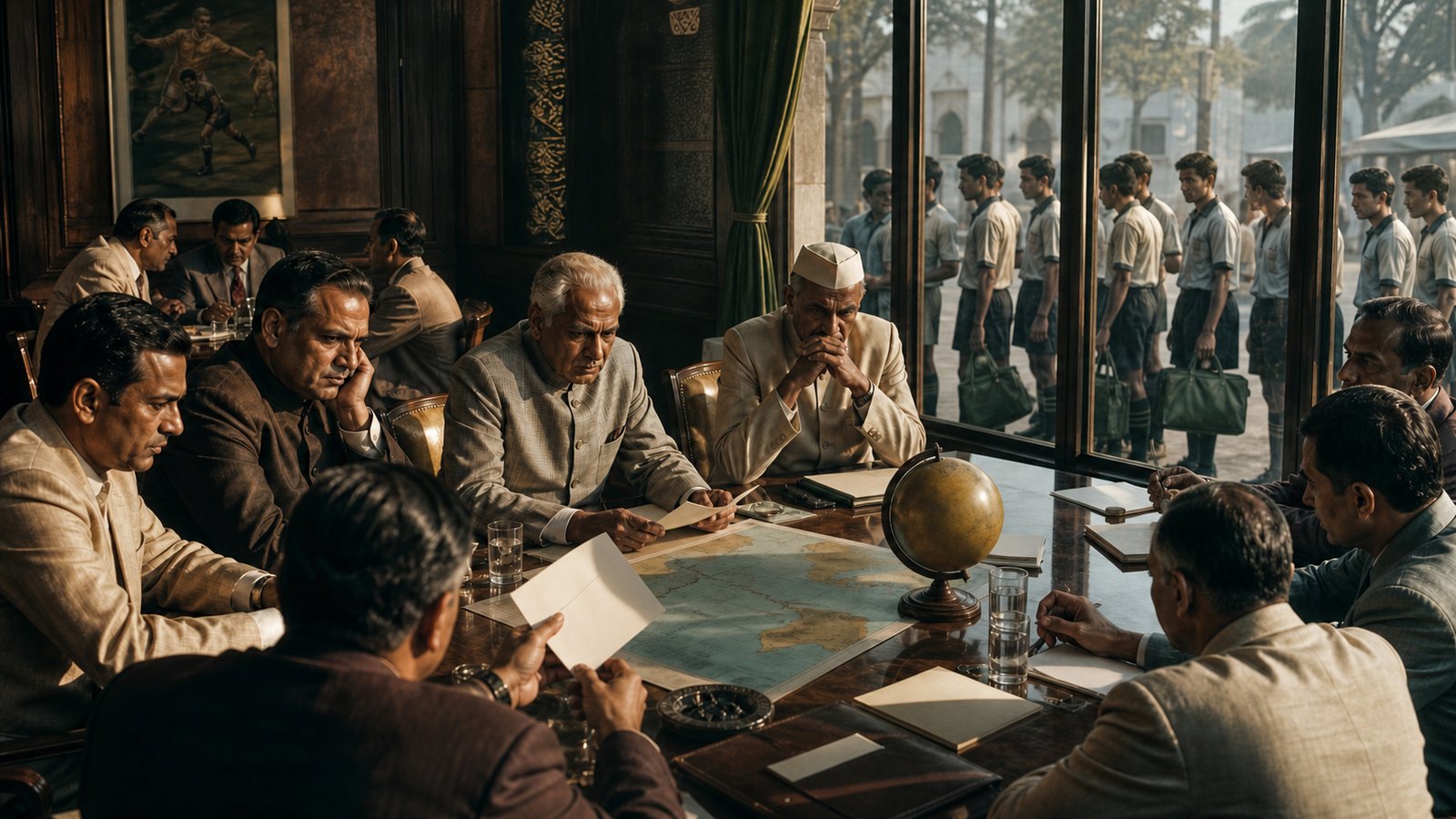
India had qualified for the 1950 World Cup, assembled funding help and named a squad. A sixteen-month trail of meetings shows how the trip still disappeared.

How the FA’s 1921 ground restriction removed women’s football from England’s largest stages, and the committee-by-committee campaign that reopened them in 1971.

How Iceland answered an early England goal with two different attacks, then used compact distances and clear decisions to protect its historic Euro 2016 upset.

How Algeria’s 1982 elimination exposed a scheduling flaw—and why simultaneity, not a new foul, became FIFA’s answer.