
Just Fontaine Entered Sweden in Borrowed Boots and Left With 13 Goals
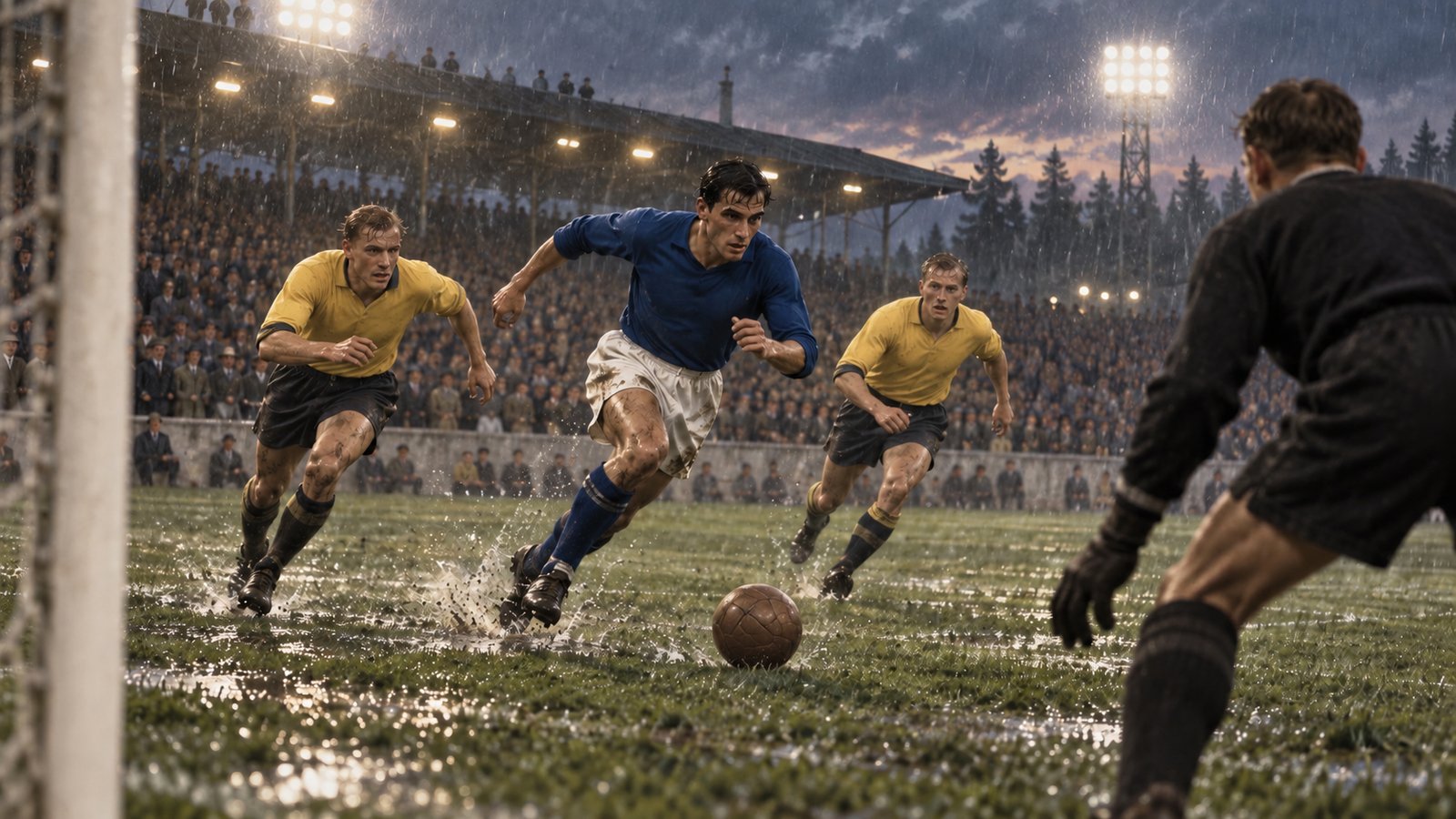
Just Fontaine entered France’s 1958 World Cup team after René Bliard’s injury, borrowed Stéphane Bruey’s boots, and scored 13 goals across all six matches.
Just Fontaine entered France’s 1958 World Cup team after René Bliard’s injury, borrowed Stéphane Bruey’s boots, and scored 13 goals across all six matches.
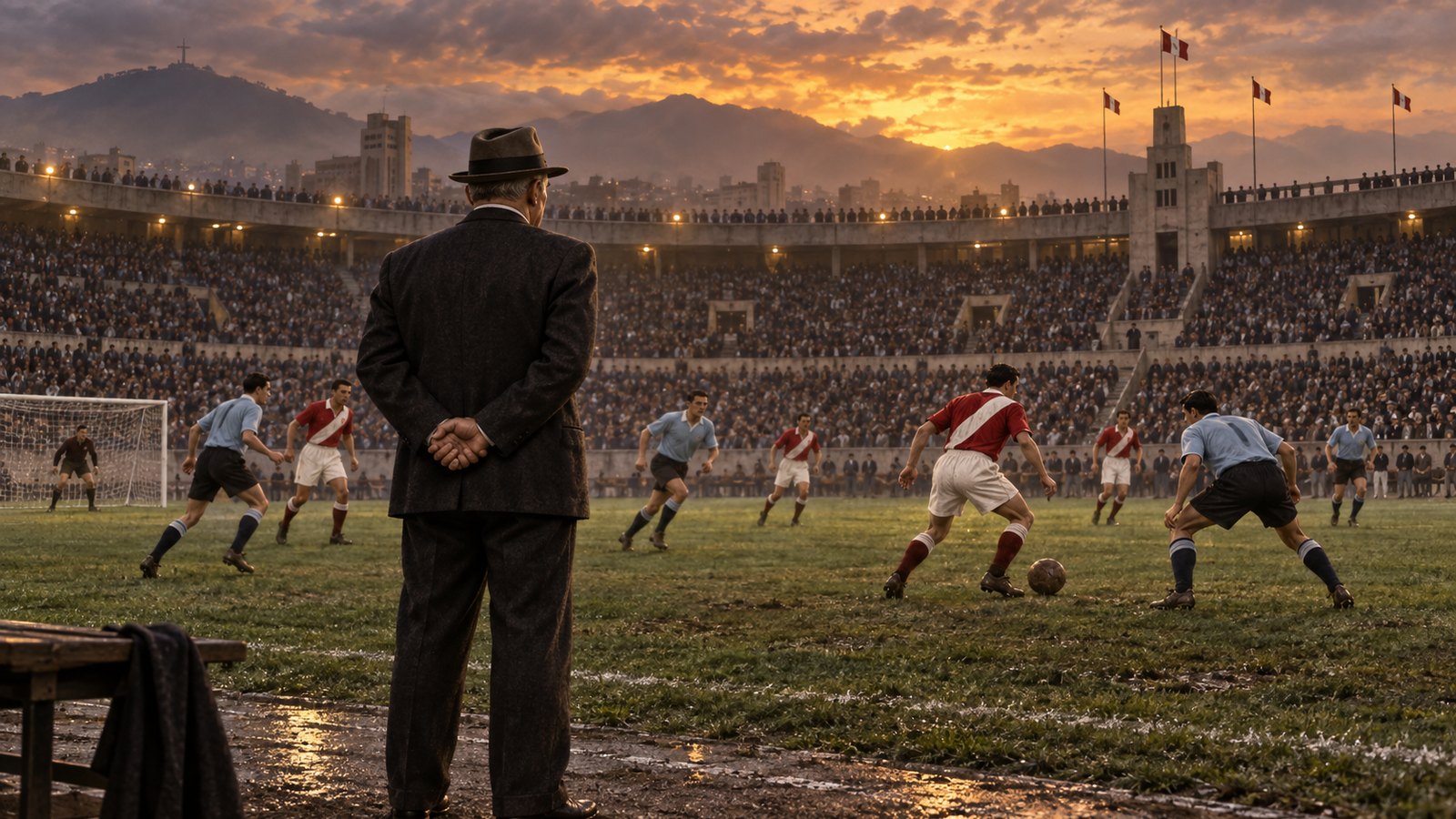
A Crook Town winger became Barcelona’s longest-serving coach by seasons, then led Peru through four wins in Lima to its first South American title.
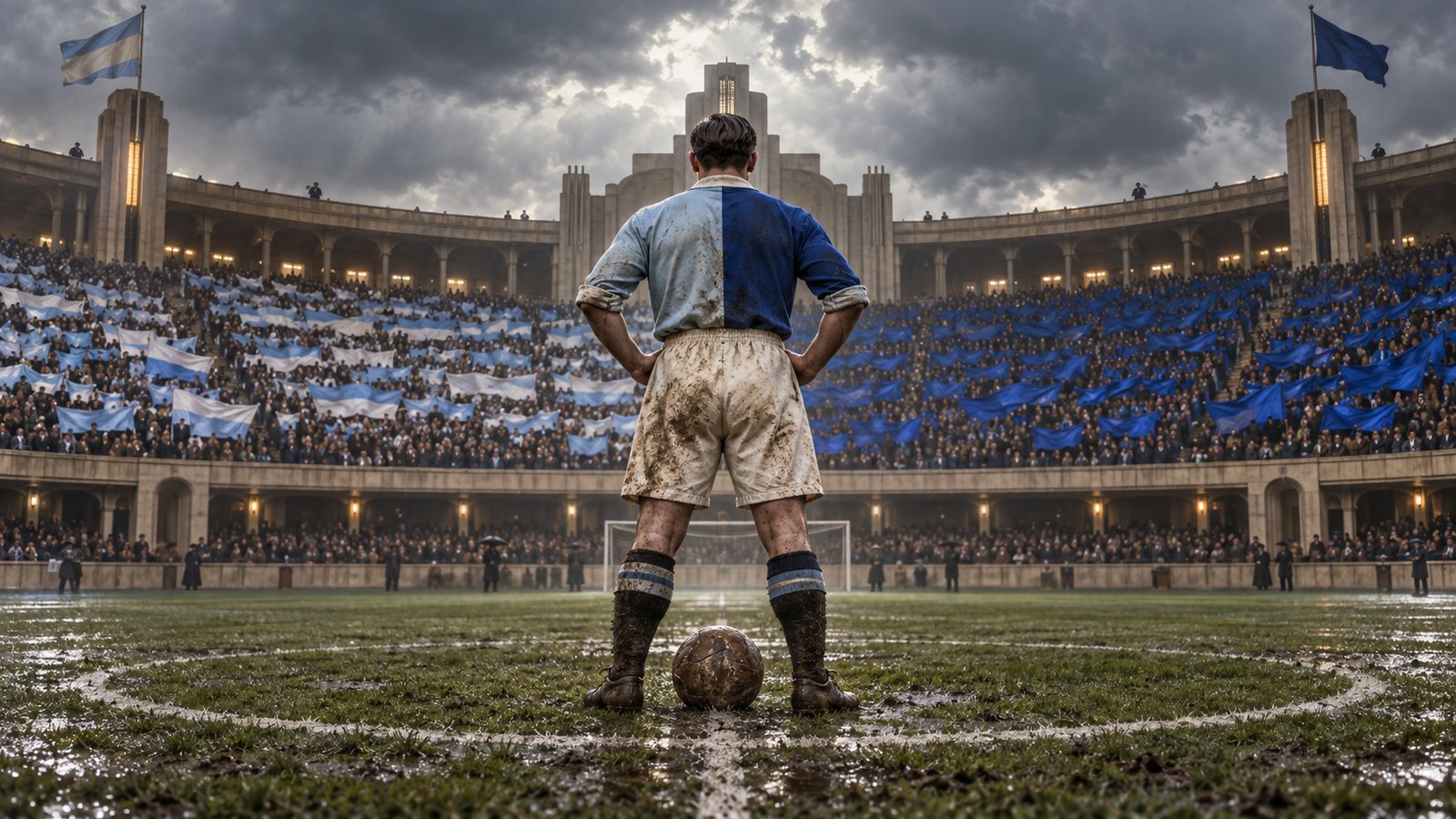
Luis Monti lost the 1930 World Cup final with Argentina, moved to Juventus, then won the 1934 final as Italy’s centre-half.
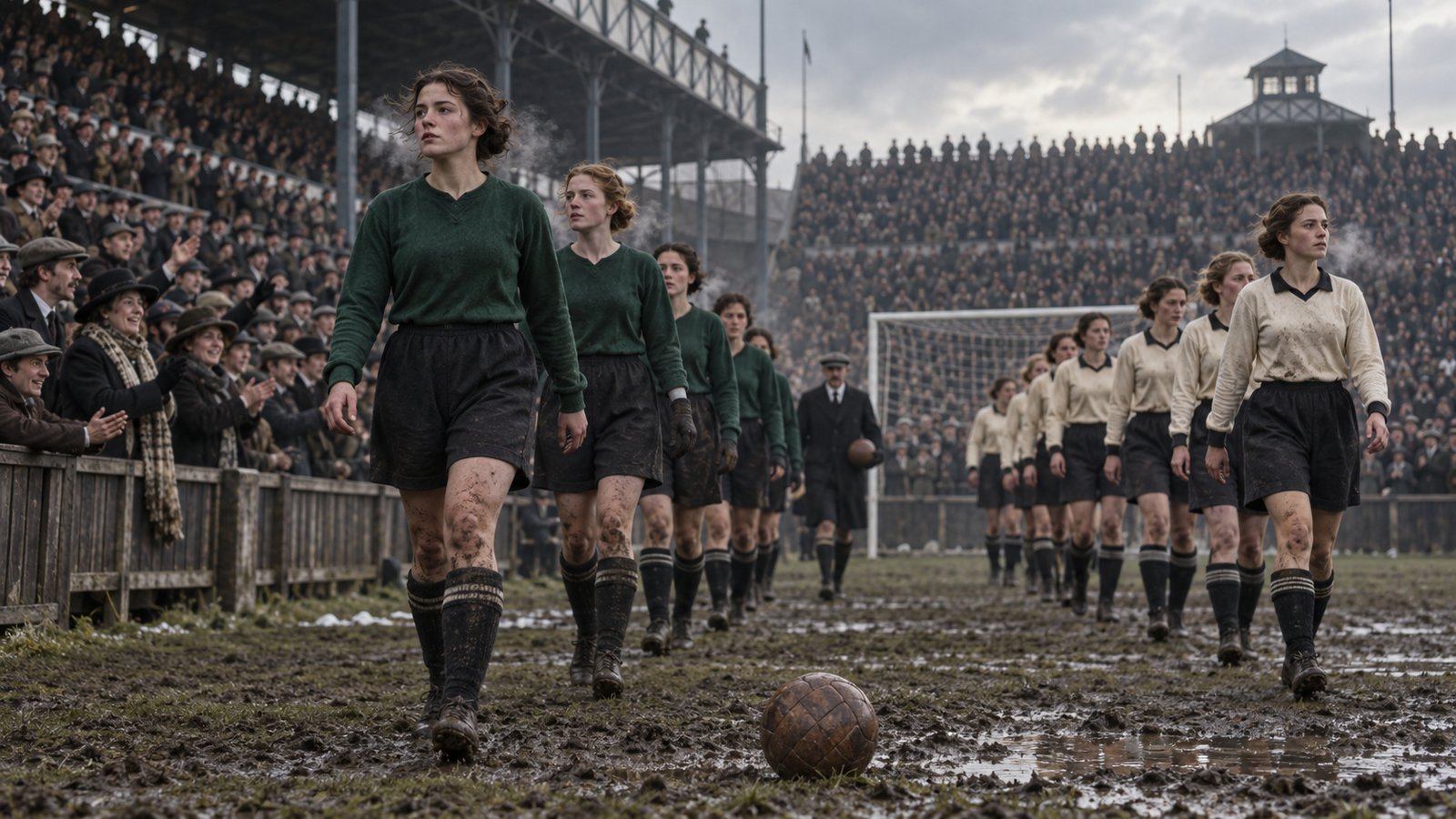
Dick, Kerr Ladies filled Goodison Park on Boxing Day 1920; the FA’s response a year later shows how control of stadium access could shrink a thriving public game without outlawing play.
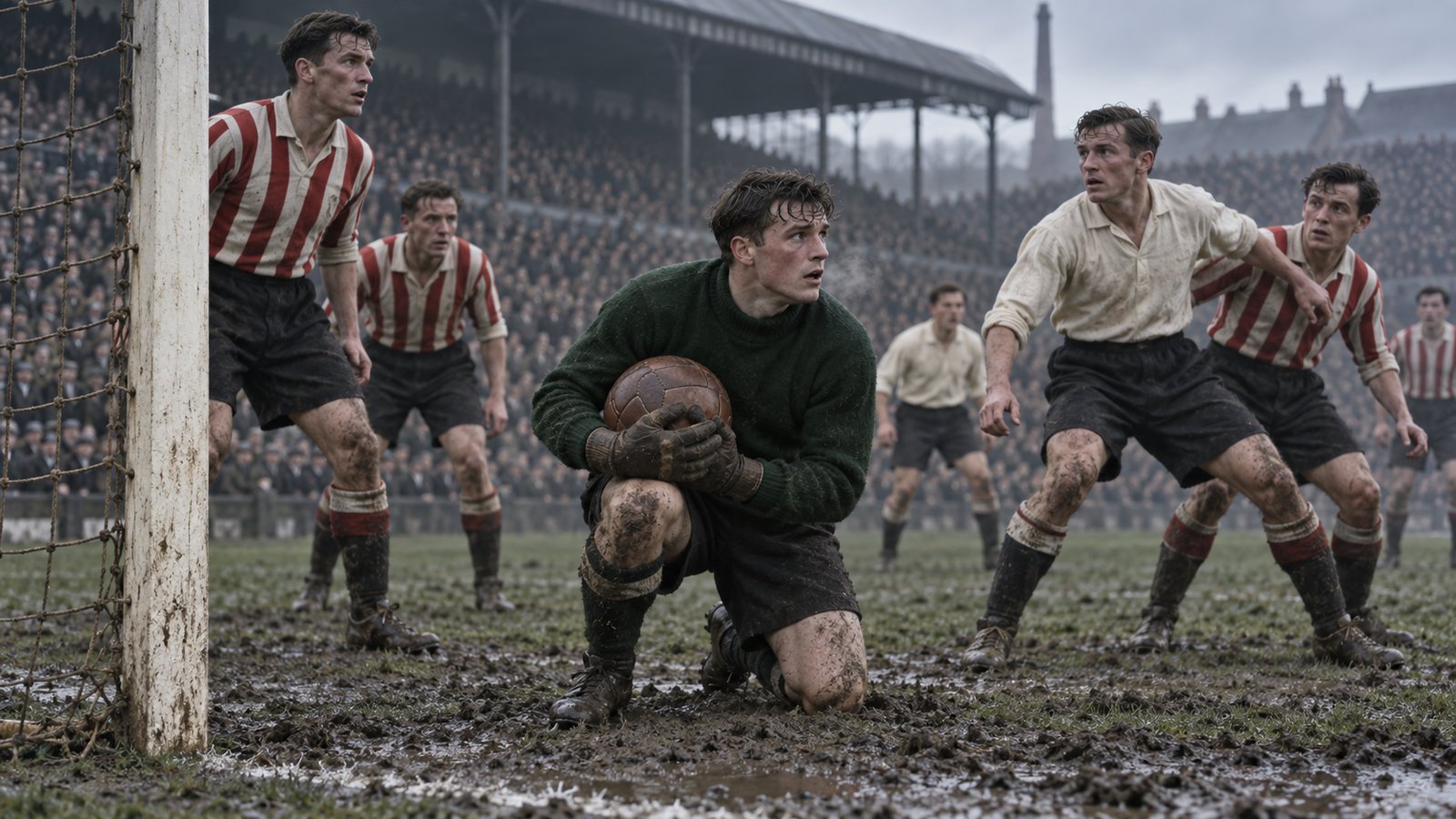
Jimmy Thorpe played to the end against Chelsea after a brutal goalmouth collision, and the verdicts delivered before his death exposed how little football understood about injured goalkeepers.
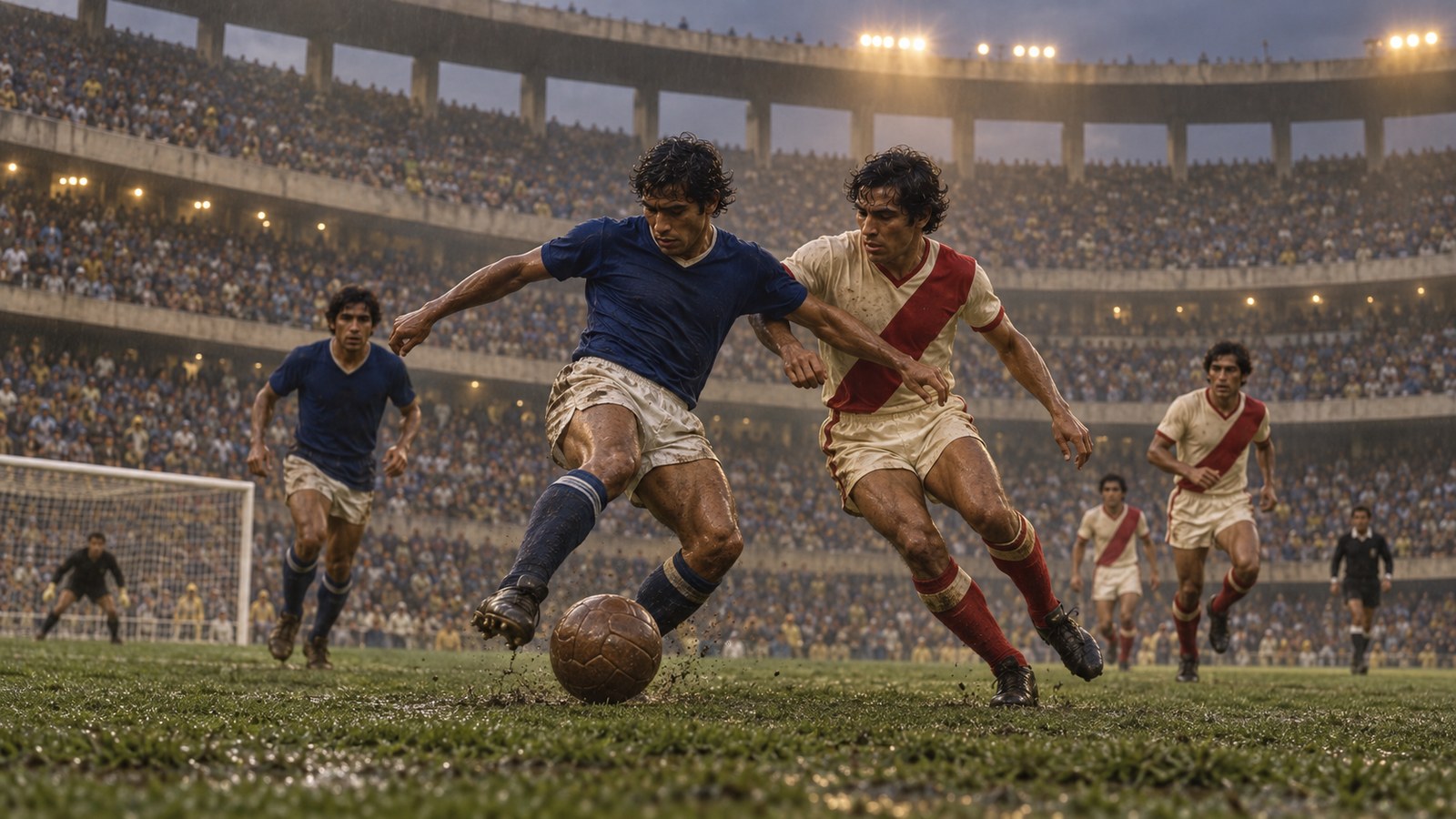
Three World Cup qualifiers became the public stage for a Honduras–El Salvador crisis rooted in land, migration and expulsions long before kickoff.
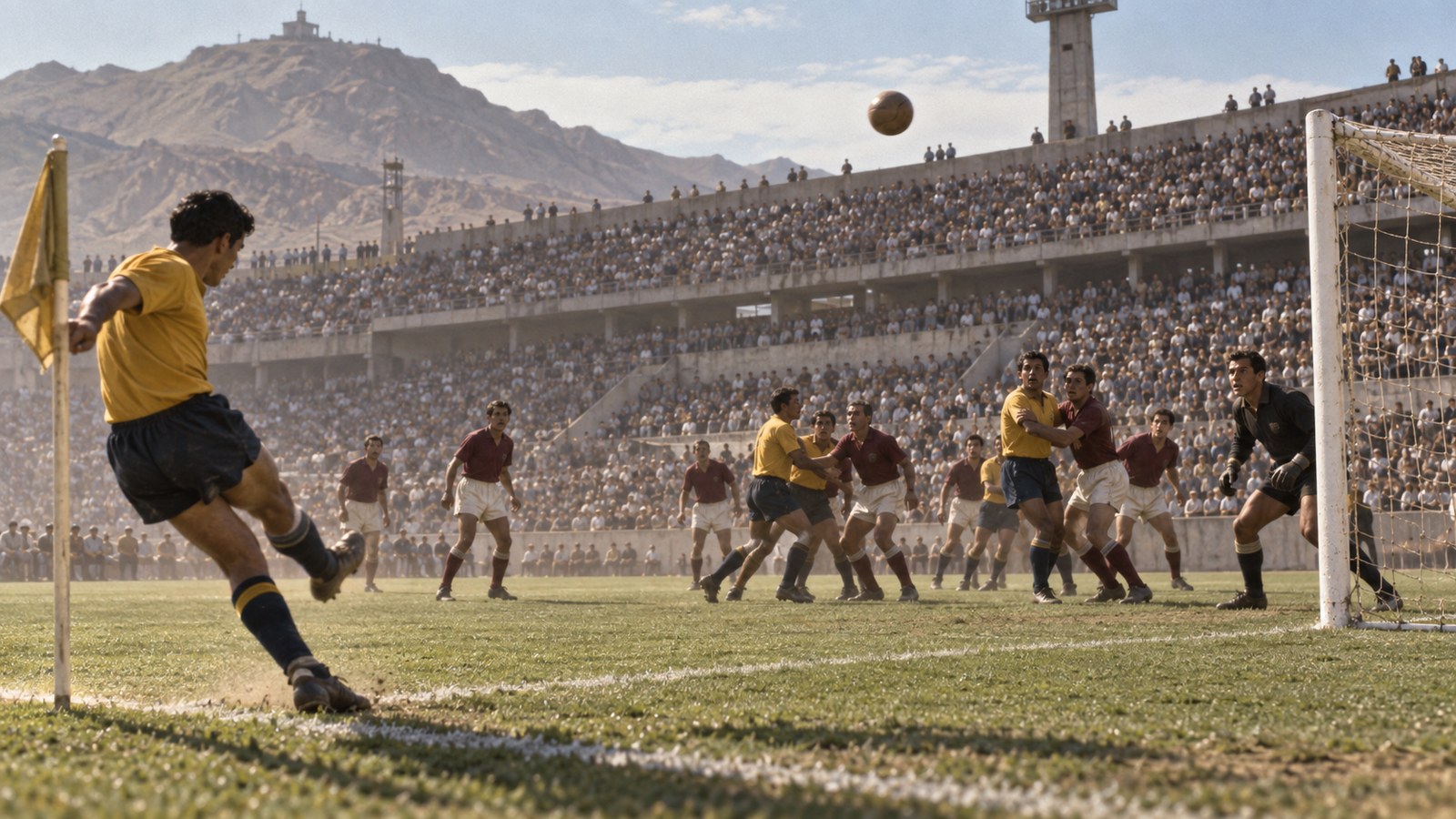
Colombia trailed the Soviet Union 4–1 before Marcos Coll’s accidental direct corner began an 18-minute, three-goal recovery at the 1962 World Cup.
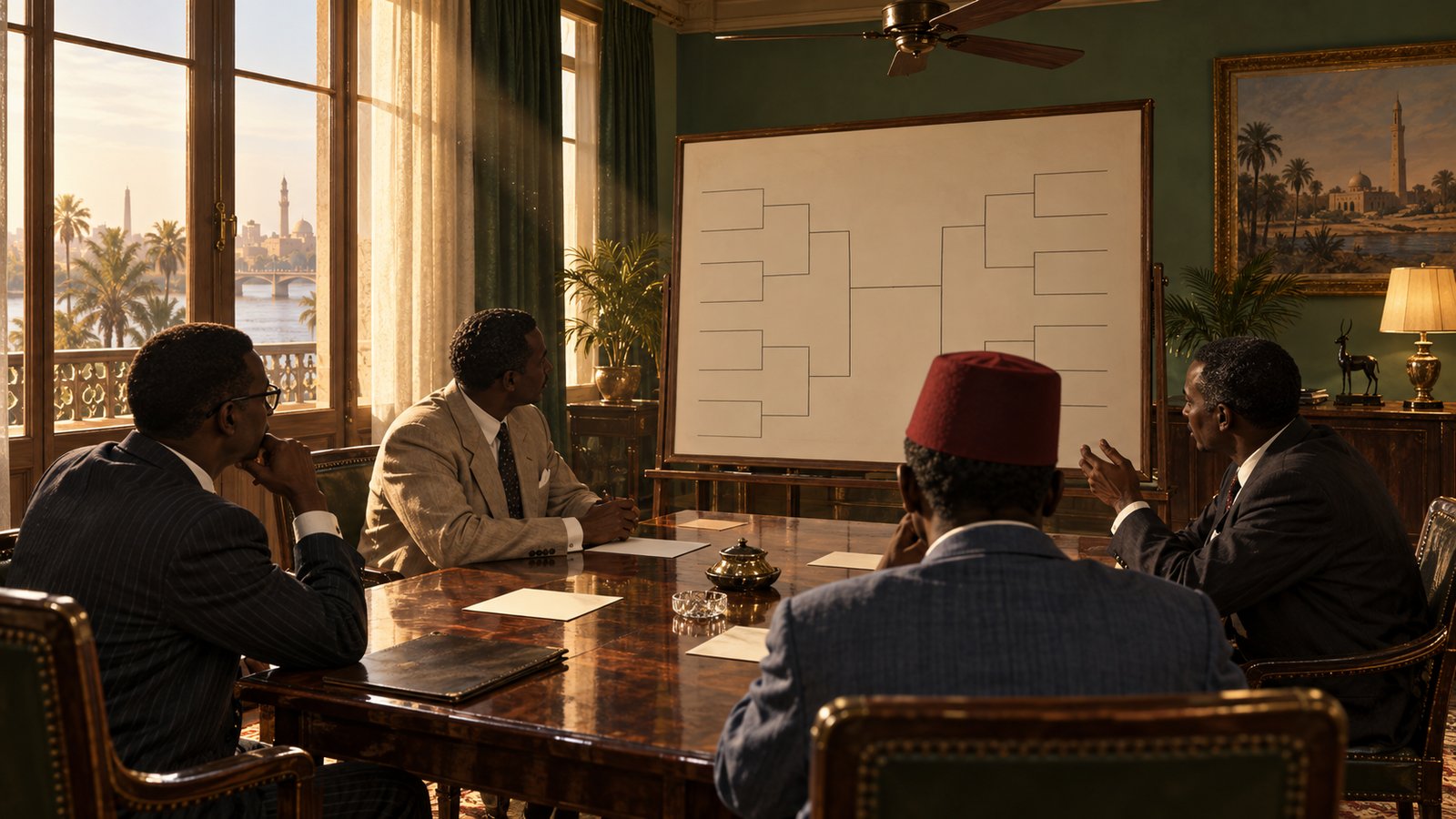
CAF’s first championship in Khartoum lost one semifinal to South Africa’s apartheid selection policy, leaving three teams, two matches and five goals for Egypt’s El-Diba.
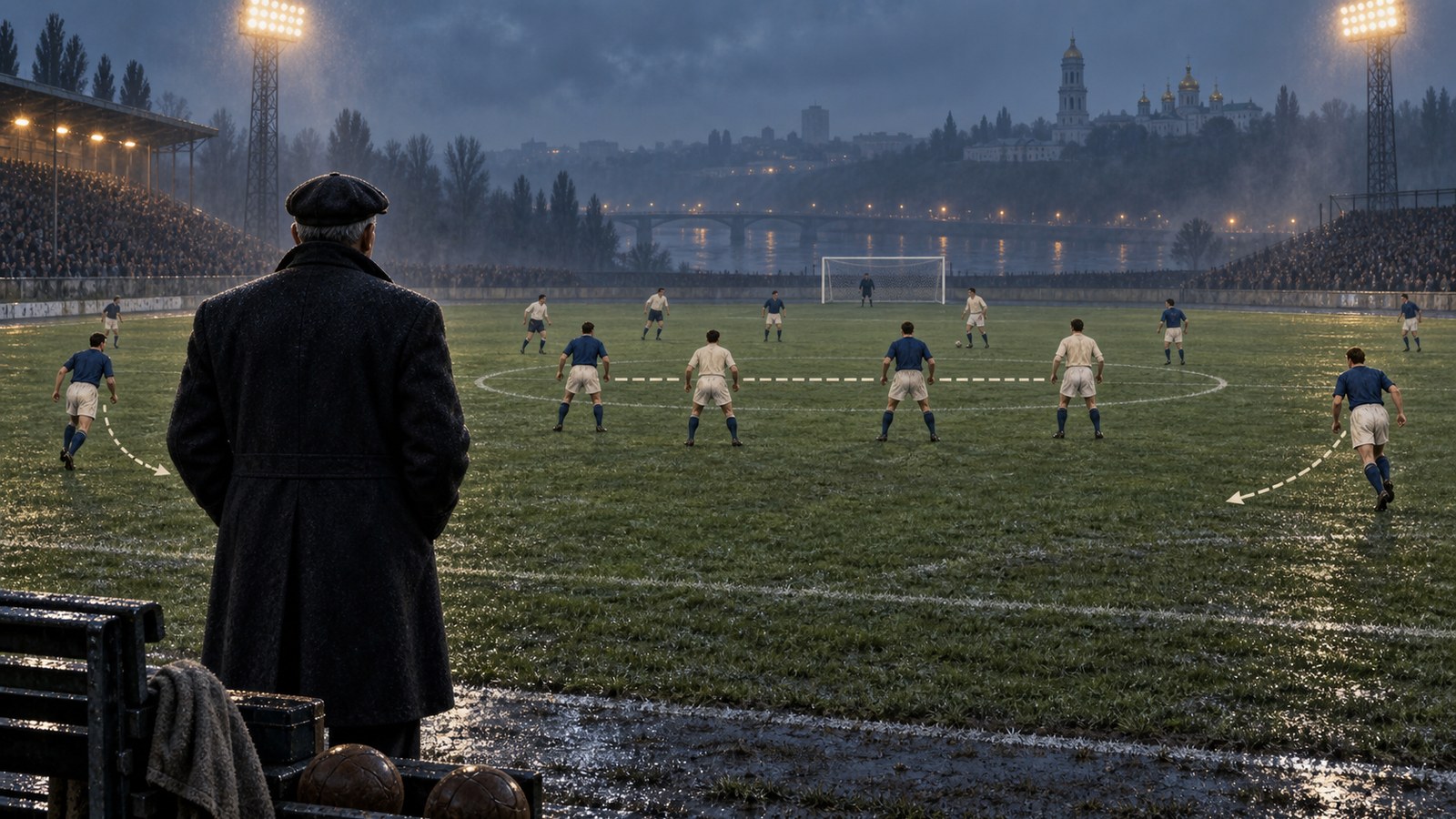
Viktor Maslov withdrew both wide forwards, installed zonal pressing and led Dynamo Kyiv to three consecutive Soviet championships from 1966 to 1968.
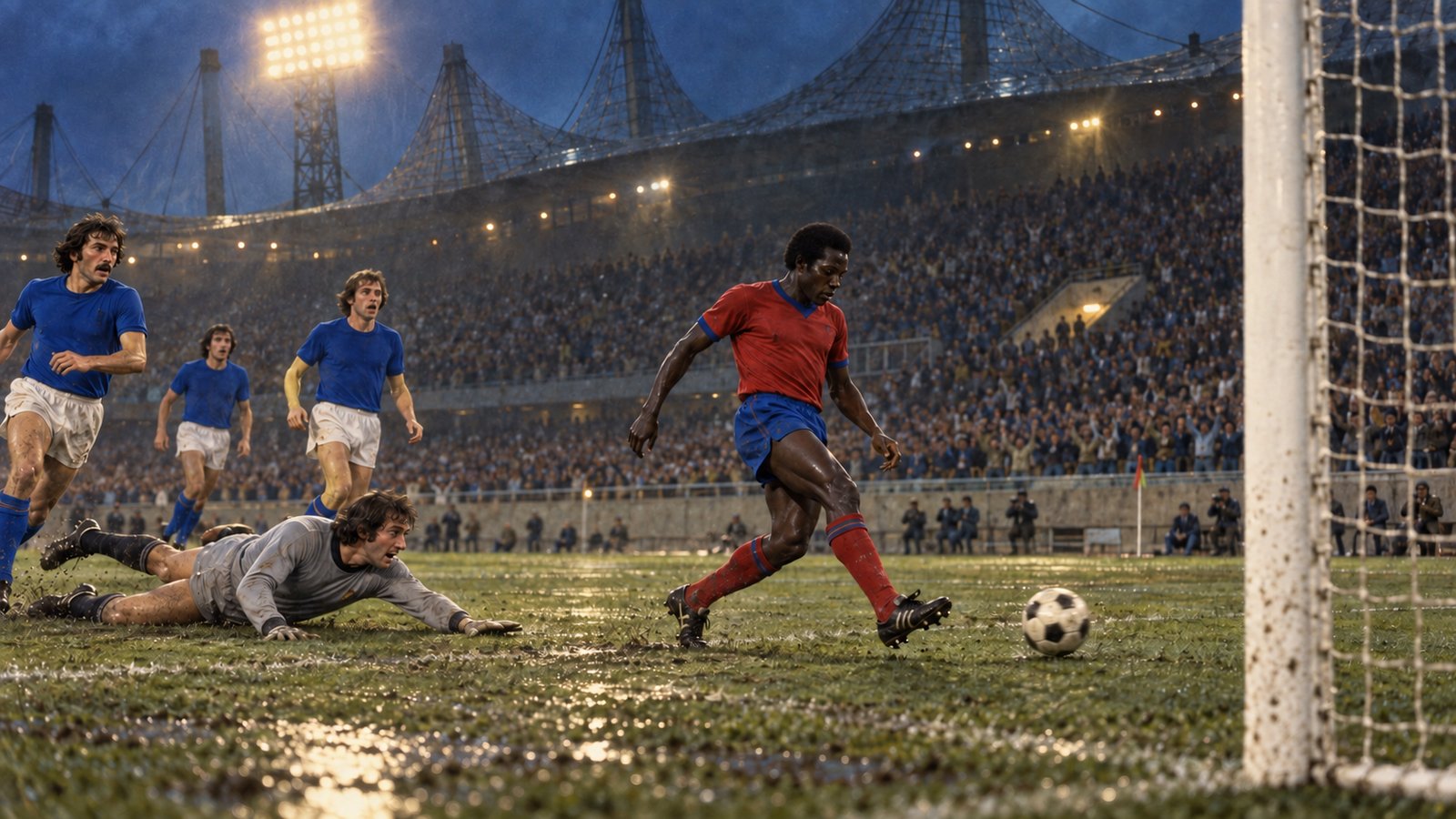
Emmanuel Sanon’s 46th-minute goal put Haiti ahead of Italy, ended Dino Zoff’s 1,142-minute unbeaten run, and became the defining scene of Haiti’s 1974 World Cup debut.