
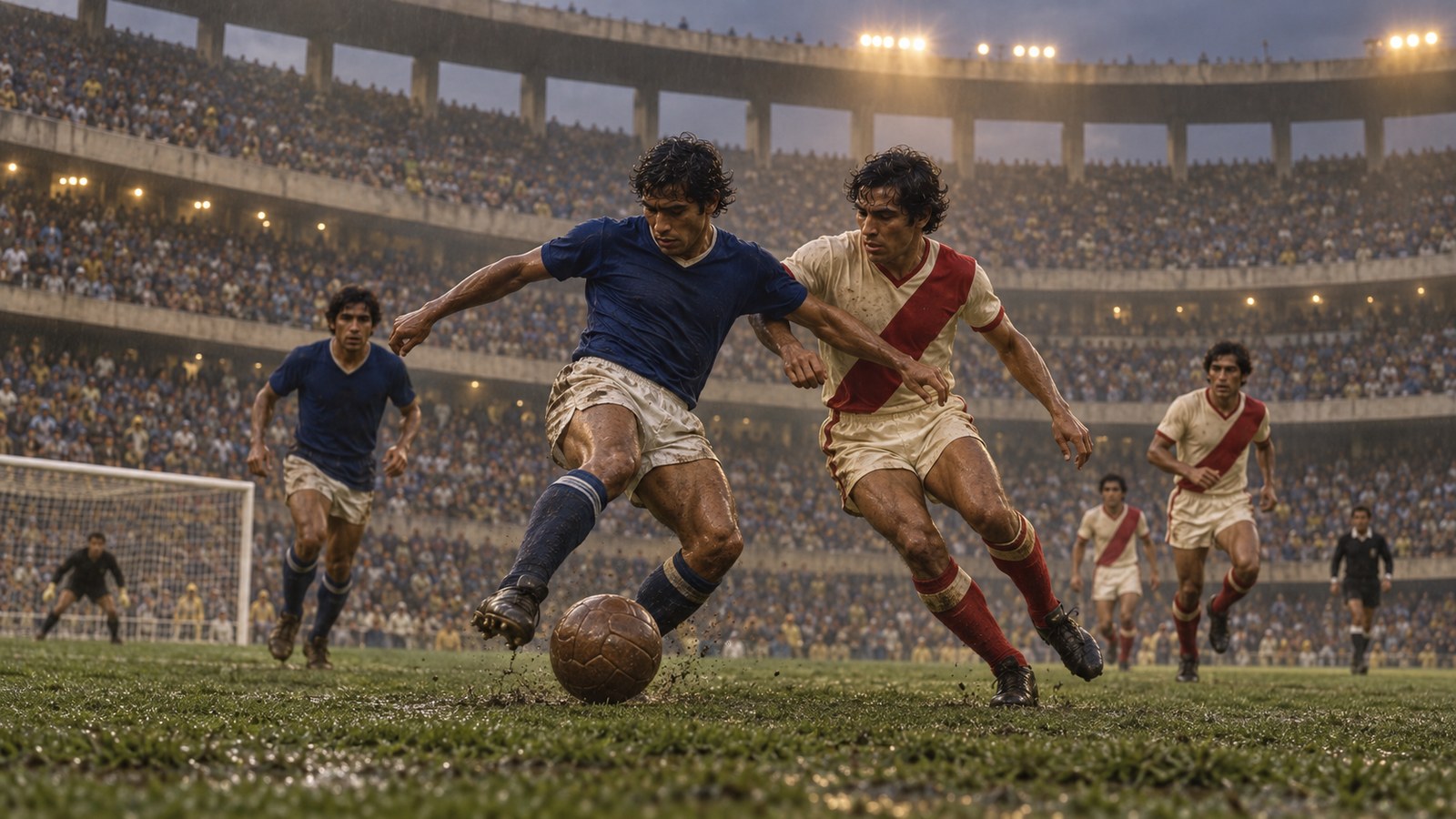
On 26 June 1969, Honduras and El Salvador walked into the Estadio Azteca with one World Cup place still beyond both of them. They had already traded home victories, one goal in Tegucigalpa and three in San Salvador. Now a neutral playoff in Mexico City had to separate them. The score reached 2–2, extra time began, and Mauricio Rodríguez found the fifth goal of the afternoon.
It is tempting to place that finish beside what followed and draw a straight line. Eighteen days later, Salvadoran aircraft attacked targets in Honduras and ground forces crossed the border. The conflict became known around the world as the Football War. Yet the nickname compresses two different stories into one neat headline: a fierce qualifying series decided over three matches, and a political crisis built over years around land, migration, expulsions and power.
The football supplied a public stage and a dangerous rhythm. It did not create the fuel.
Three matches, no aggregate escape
The qualifying format made every result feel absolute. Honduras took the first match in Tegucigalpa on 8 June. Leonard Welch scored the only goal, leaving El Salvador with a defeat but not an aggregate deficit to overturn. The series was judged by wins, so the return match could force a decider regardless of the total number of goals.
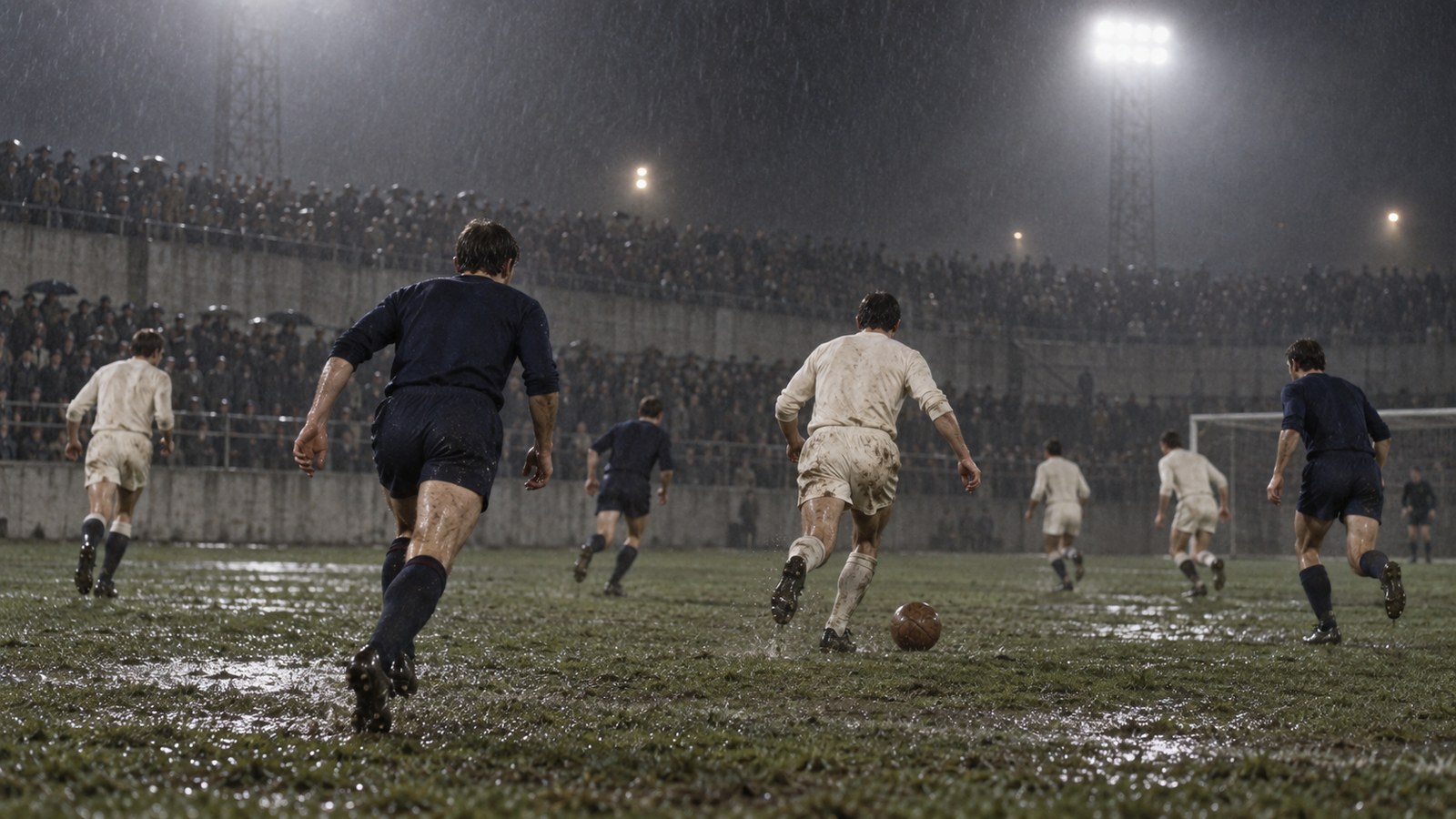
One week later, on 15 June, the teams met again in San Salvador. This time El Salvador won 3–0. Juan Ramón Martínez, Mauricio Rodríguez and Elmer Acevedo supplied the goals. Across two matches El Salvador had scored three to Honduras’s one, but each country had one victory. That meant Mexico City rather than arithmetic would settle the round.
The third game at the Azteca on 26 June carried an intensity larger than its formal place in the tournament. El Salvador twice went ahead. Honduras twice levelled. At 2–2 the contest crossed into extra time, where Rodríguez scored again to make it 3–2. RSSSF’s qualifying record reduces the afternoon to dates, names and numbers. Read in sequence, those numbers show why the match could absorb so much attention: three meetings in eighteen days, two home wins, and one extra-time goal on neutral ground.
Even then, El Salvador had not qualified for Mexico 1970. Haiti still stood in the final qualifying round. The Azteca victory was a step, not the destination. That detail matters because the mythology often treats the playoff as both sporting climax and political trigger. In football terms, it was neither the last match of the campaign nor a sudden cause powerful enough to explain a war.
The border crisis was already in motion
Honduras had more land and a smaller population. El Salvador was more densely populated, and Salvadorans had crossed the border for work and farmland over many years. By 1969, disputes over who could occupy and own land had become entangled with Honduran agrarian reform, domestic political pressure and hostility toward migrant communities.
The BBC’s historical account describes a crisis that existed before the teams were drawn together. Salvadoran families in Honduras faced expulsions and intimidation. Governments had incentives to direct anger outward. Newspapers and radio sharpened the language. Football arrived inside that environment, offering three fixed dates on which national grievance could be performed before packed stands.
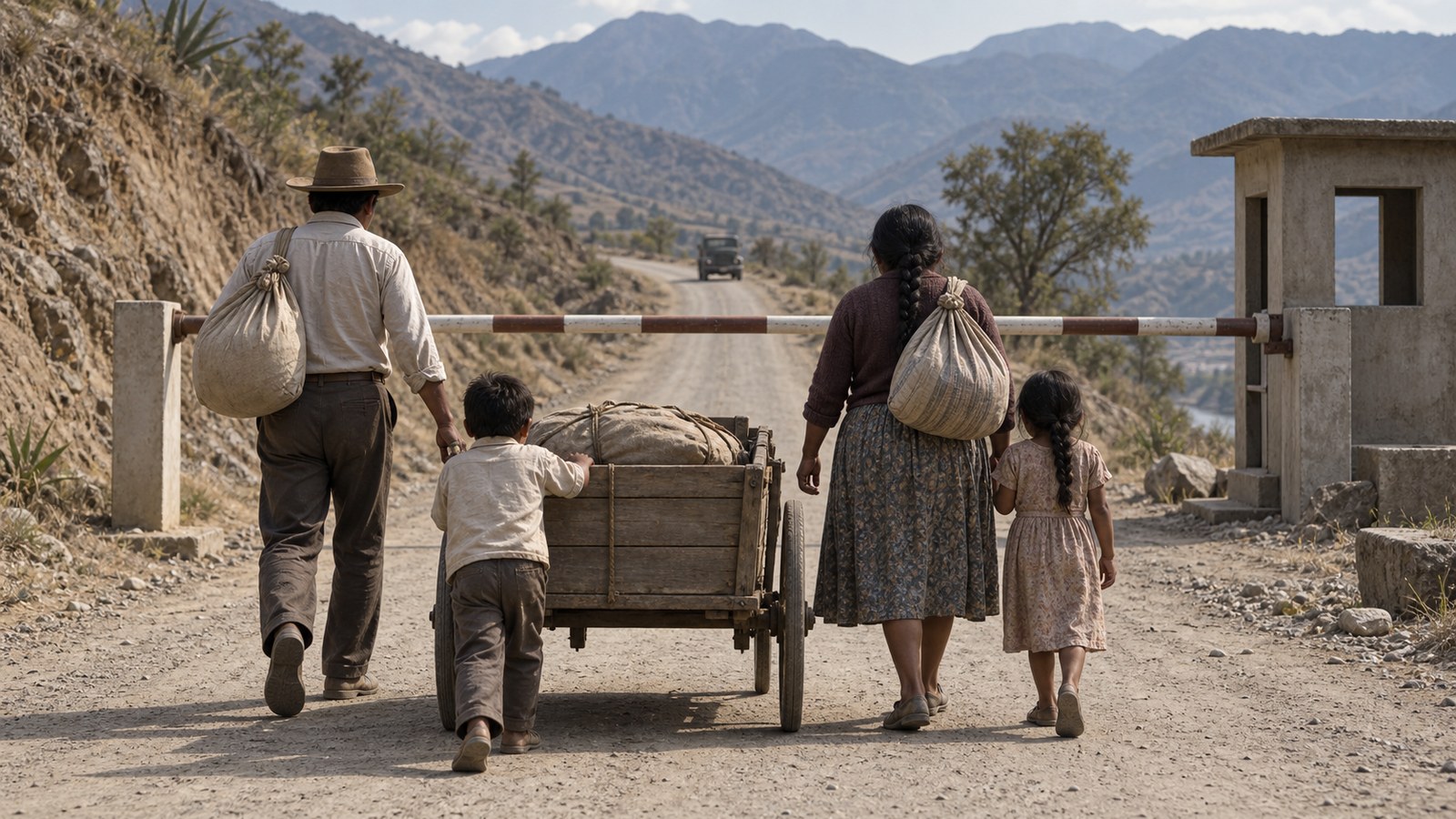
This distinction does not make the matches irrelevant. A rivalry can become a loudspeaker without becoming an engine. The qualifiers concentrated attention, produced visible crowds and gave political rhetoric a scoreboard. Reports of violence around the games fed retaliation and fear. But the underlying questions—land distribution, migration, economic imbalance and the treatment of Salvadorans in Honduras—could not be created by ninety minutes.
On 26 June, the same day Rodríguez scored in Mexico City, El Salvador severed diplomatic relations with Honduras. That simultaneity helped fuse the stories in public memory. It also reveals how far the political breakdown had advanced. Governments do not reach that step because of a late goal alone. The match and the rupture occupied the same calendar square, while emerging from very different chains of decisions.
The physical settings underline the gap between spectacle and cause. In the stadium, flags, whistles and a visible opponent gave anger a shape. Along the rural border, the crisis was measured in deeds, crops, household bundles and families unsure which side would still accept them. Those experiences could be converted into nationalist language, but they could not be resolved by a replay. The qualifying format guaranteed a sporting answer after the teams split the first two games. No equivalent referee existed for the claims accumulating outside the grounds.
Four days that gave the nickname its force
On 14 July, Salvadoran forces attacked. Aircraft struck Honduran targets and troops moved across the frontier. The fighting was brief by the scale of wars, which is why another label—the Hundred Hours War—also endured. Brief did not mean slight. Thousands were killed according to widely cited accounts, civilians were displaced, and the damage outlasted the battlefield phase.
The Organization of American States pushed for a ceasefire. It took effect on 18 July, roughly four days after the offensive began. Salvadoran forces withdrew in early August under international pressure. The compressed military timeline made the football chronology appear even more seductive: first leg, second leg, playoff, invasion. Four dramatic markers can look like a complete explanation when arranged in a row.
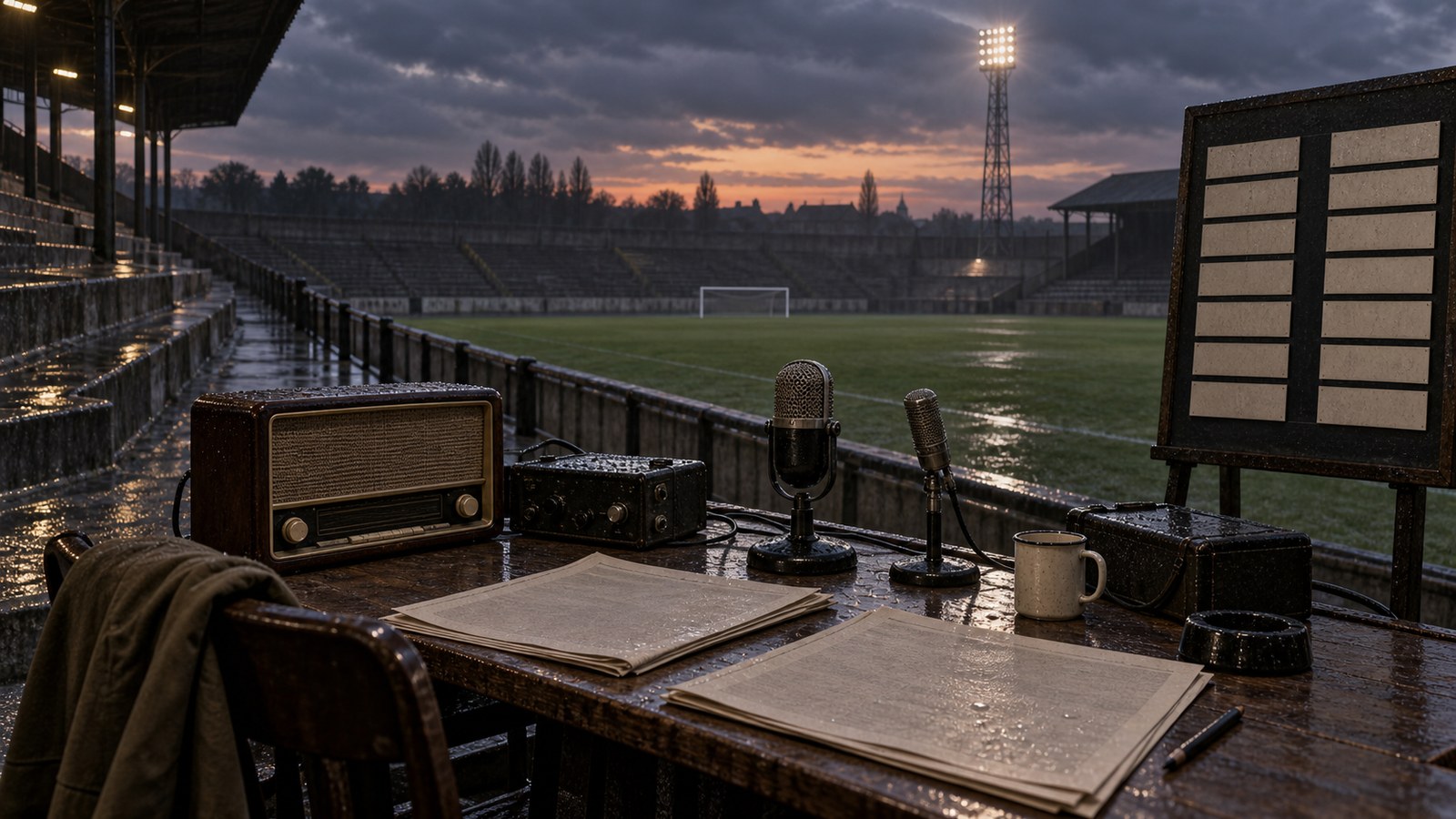
They are better understood as two clocks running together. The match clock recorded Welch’s goal, El Salvador’s three-goal reply and Rodríguez’s extra-time winner. The political clock recorded land measures, expulsions, broken relations, mobilization and attack. The first clock made the second visible to outsiders. It did not wind it.
This is also why the familiar nickname should be handled carefully. “Football War” is memorable because it attaches the world’s most legible game to a complicated regional conflict. It can help a reader locate the event. Used without context, however, it turns people facing dispossession and violence into scenery around a sporting feud. The correction is not to remove football from the account. It is to restore proportion.
What qualification preserved—and obscured
El Salvador went on to beat Haiti and reach the 1970 World Cup, becoming the first Central American country to appear at the finals. That achievement belongs to the sporting record. So do the three June matches: Welch’s winner in Tegucigalpa, the 3–0 reversal in San Salvador, four goals in regulation at the Azteca, and Rodríguez’s decision in extra time.
The Haiti round is an important piece of the sequence because it prevents the Azteca playoff from carrying a significance it did not yet possess. El Salvador had survived Honduras, but its ticket to Mexico was still unsecured. Players and staff had to return to qualification while the political relationship between the neighbouring states was collapsing. The tournament calendar continued through its own procedures even as diplomacy moved toward rupture. Football history later joined those tracks because both led to memorable endpoints; at the time, one campaign still required another opponent and the other crisis had no sporting bracket at all.
But qualification also helped preserve the cleanest version of the story. Football archives naturally follow fixtures toward a tournament. Political history follows people across borders, through evictions and into institutions that failed to settle disputes. The paths intersected in June 1969, then separated again. One ended at a World Cup in Mexico. The other left deaths, displacement and a damaged relationship between neighbouring states.
The most accurate way to remember the series is therefore not as the strangest match ever to start a war. It was a genuine, volatile football contest played while an existing crisis accelerated around it. The crowds, media and national symbolism raised the temperature. The causes had been laid elsewhere.
At the Azteca, the decisive moment was easy to see: a ball crossed a line and one team advanced. Beyond the stadium, there was no comparable instant. Land, migration and political choices accumulated without a scoreboard. The nickname survived because football offered one. History becomes clearer when we refuse to mistake the visible score for the whole contest.
Sources
BBC News; RSSSF World Cup qualifying archive; Encyclopaedia-style tournament chronologies for the Football War and El Salvador’s World Cup record.