
How Push-and-Run Powered Tottenham’s 1961 Double
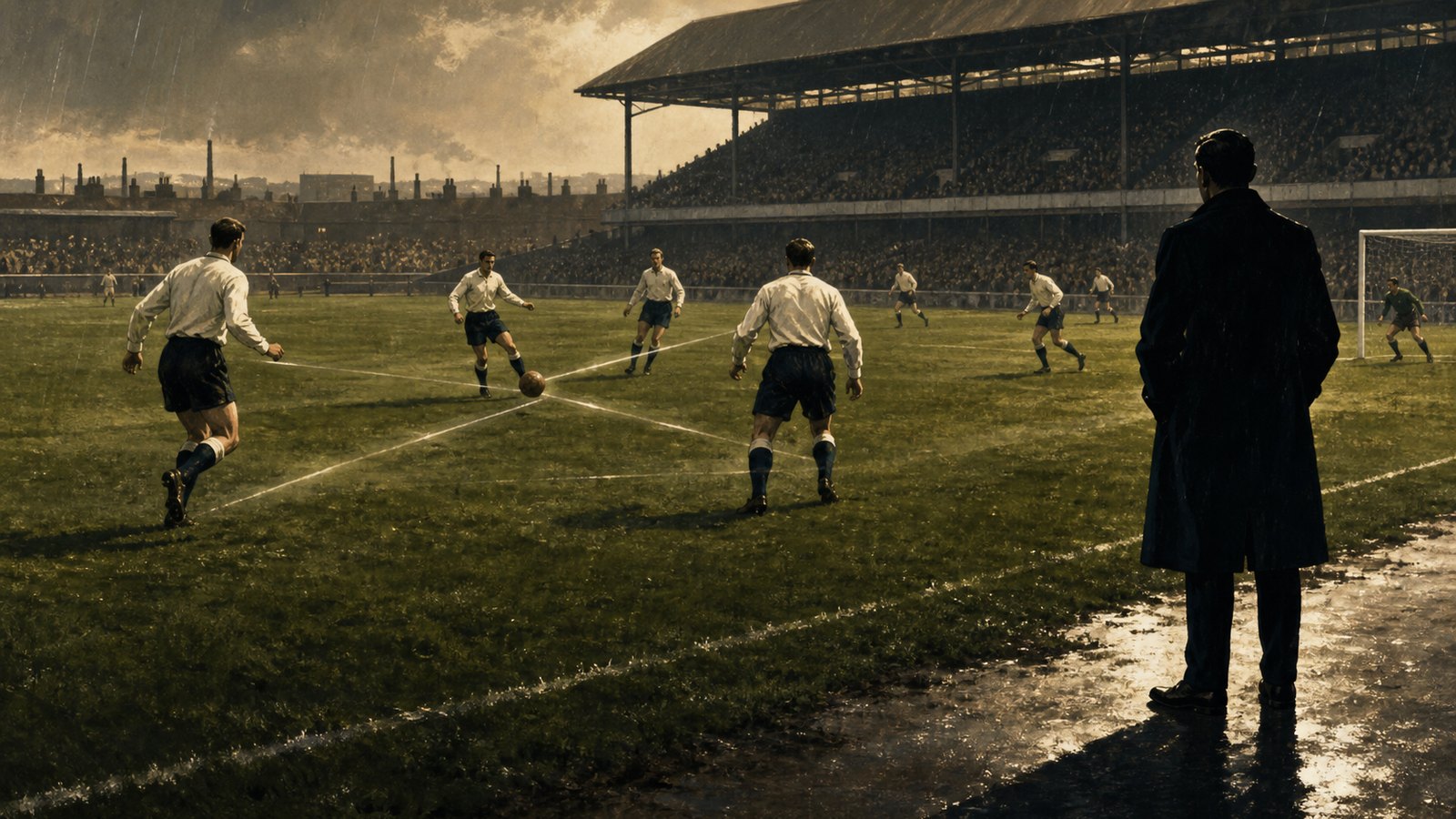
A tactical and cultural reading of Bill Nicholson’s Tottenham Double side as a structured tempo machine, not just nostalgia.
A tactical and cultural reading of Bill Nicholson’s Tottenham Double side as a structured tempo machine, not just nostalgia.
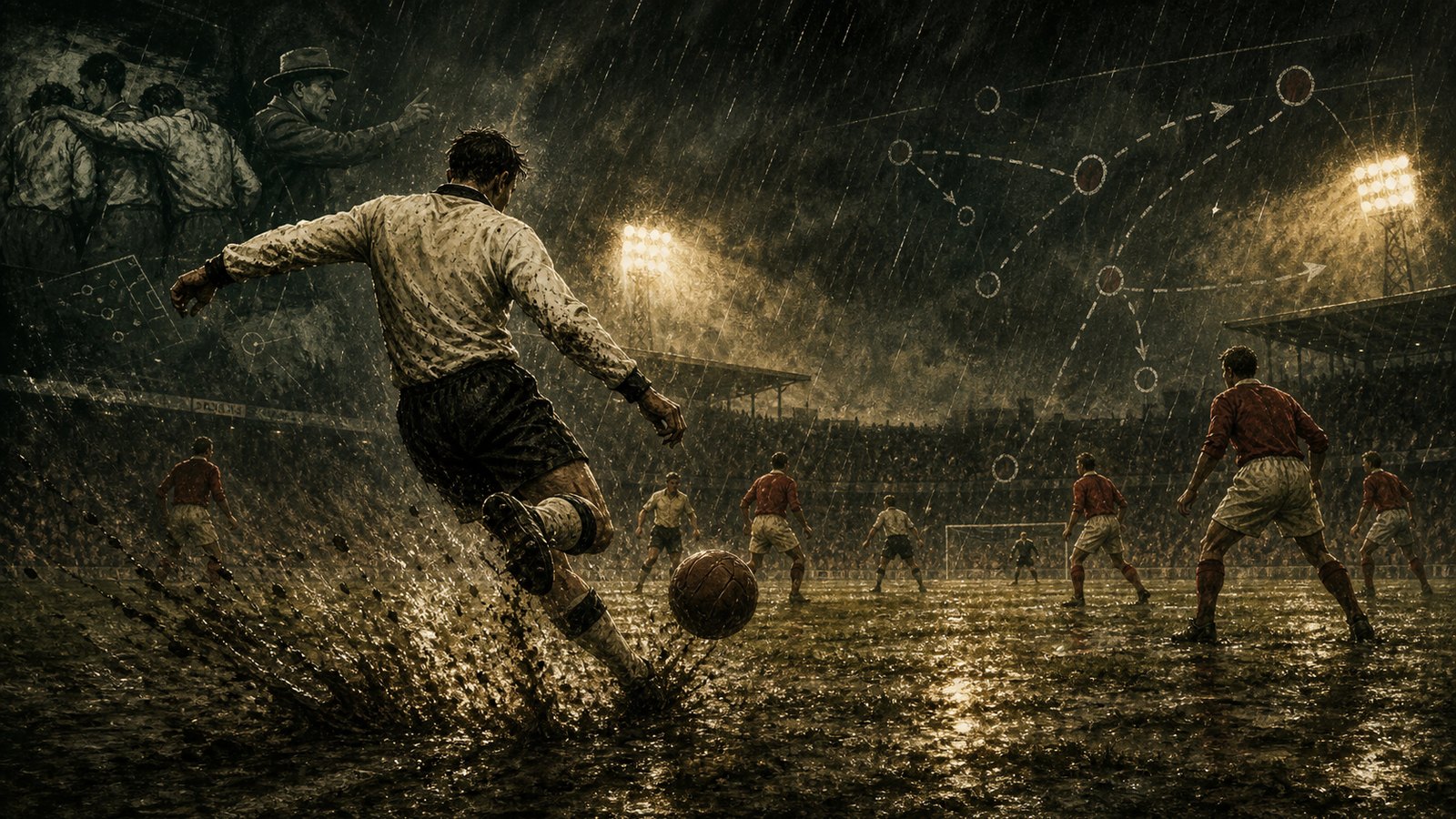
A football-history reading of the 1954 World Cup final as preparation, weather, recovery, and pressure rather than pure miracle.
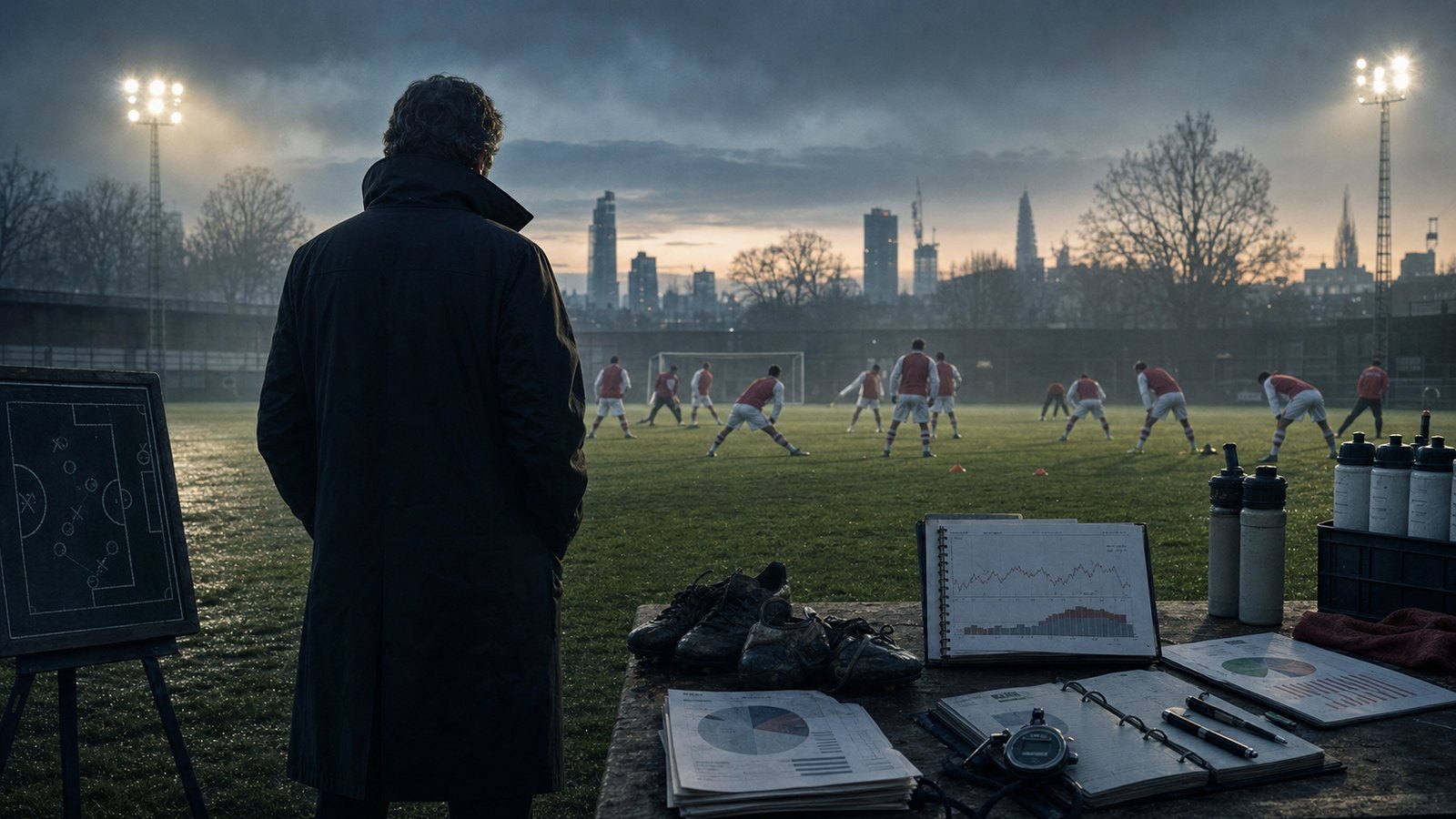
The diet jokes are too small: Wenger changed English football by making the whole club behave like one connected performance system.

A rule built to make extra time more attacking instead showed how deeply knockout football prices risk.
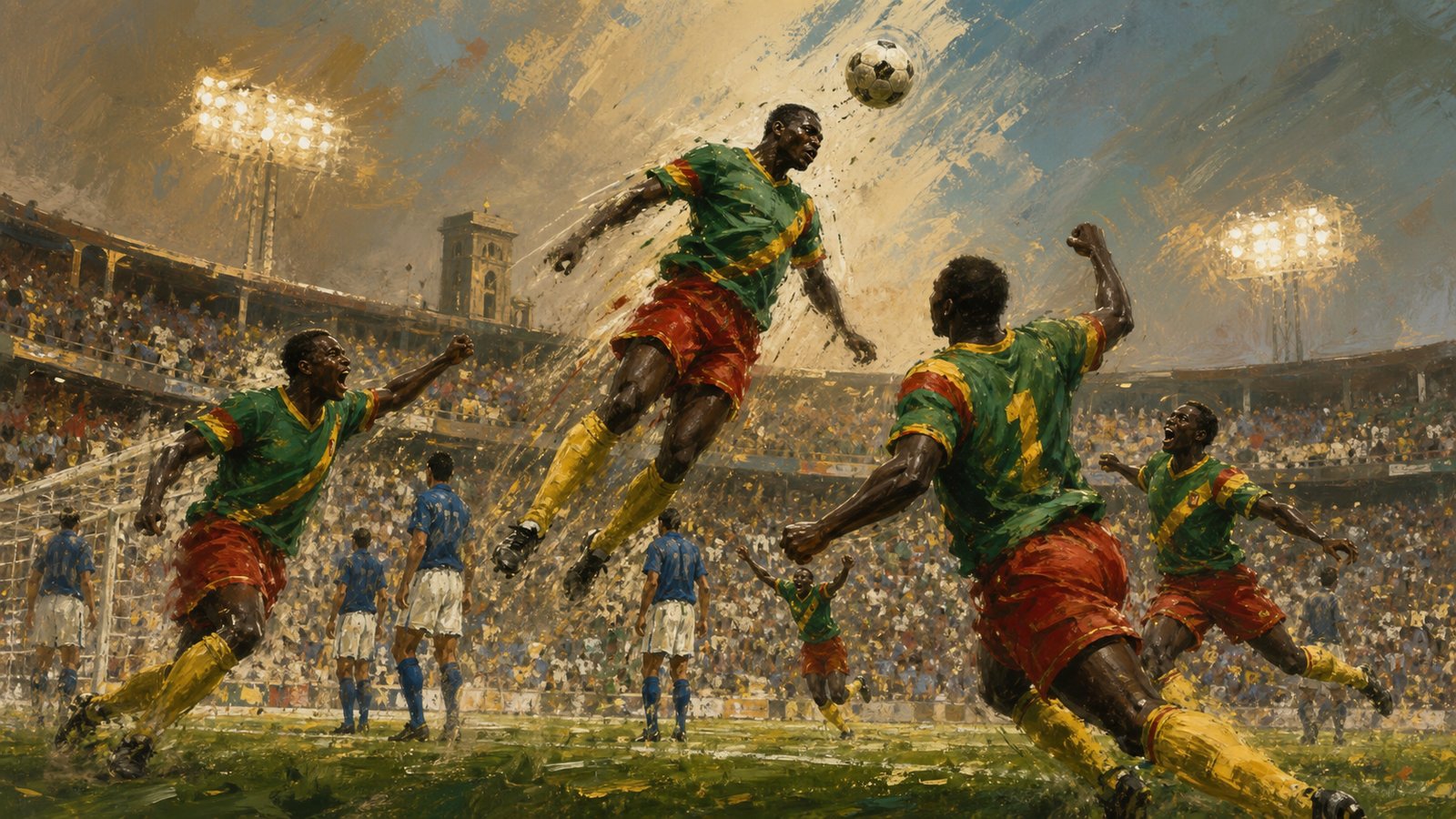
Cameroon’s 1990 run was not just colour and celebration. It forced the World Cup to treat African football as a competitive threat, not a cultural side story.
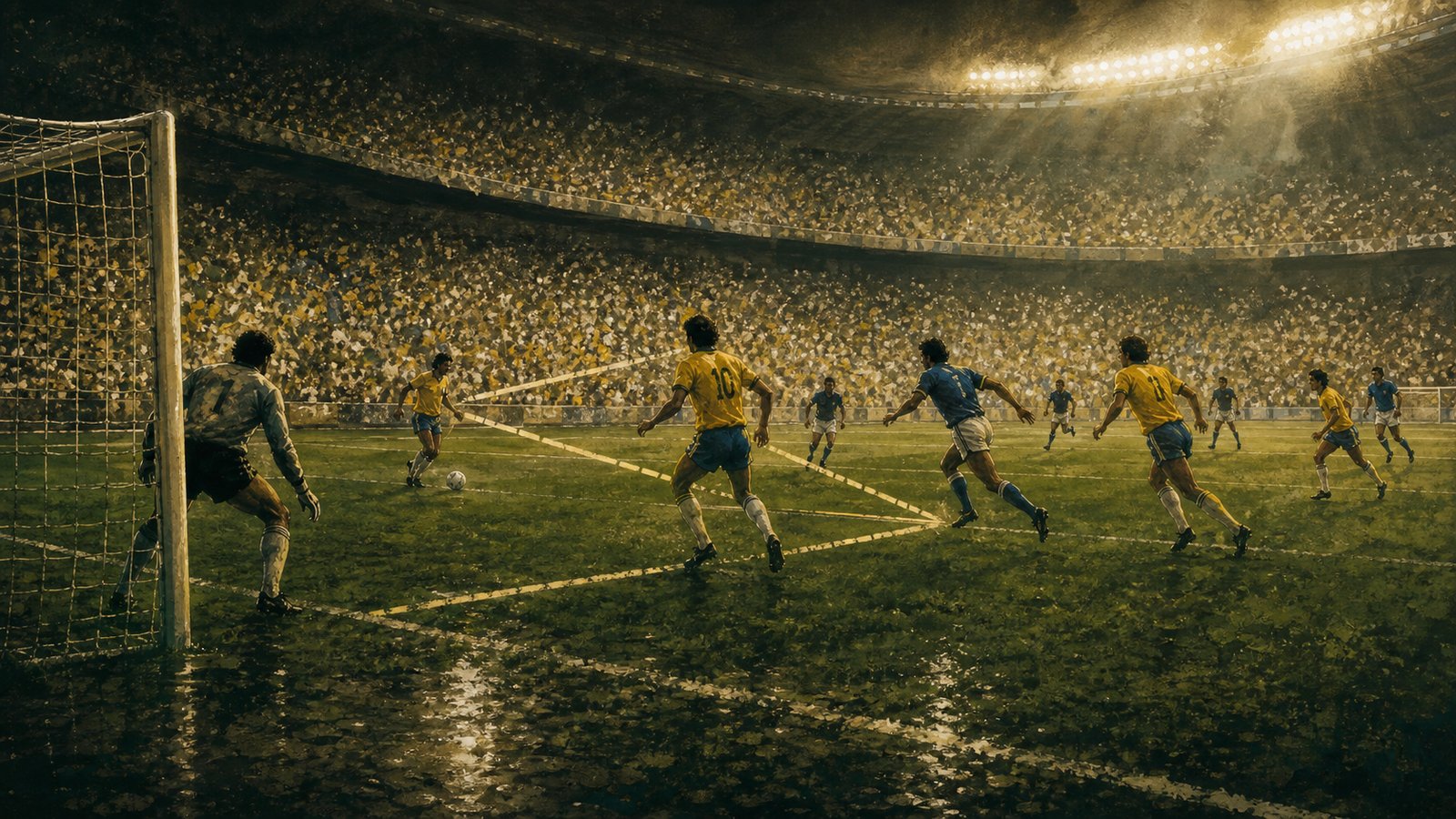
Brazil’s 1982 team is remembered as romance, but the Italy defeat showed how beauty can become fragile when structure leaves one counterattack too many unlocked.
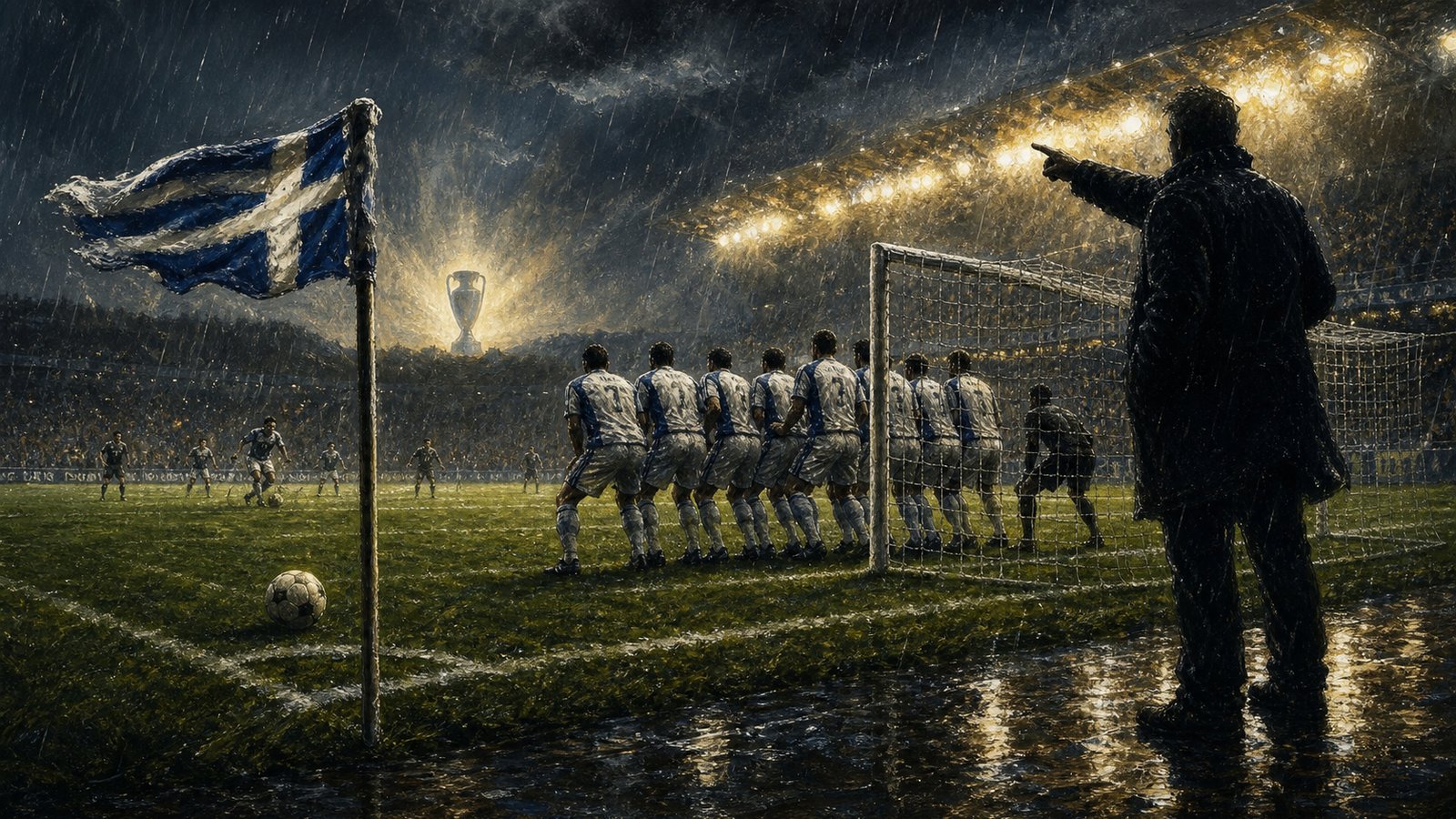
Greece’s Euro 2004 win was not a magic trick. It was a tournament plan that treated space, set pieces, and emotional impatience as resources.

Before pressing became a buzzword, Dynamo Kyiv treated space, running, and repetition like a laboratory.
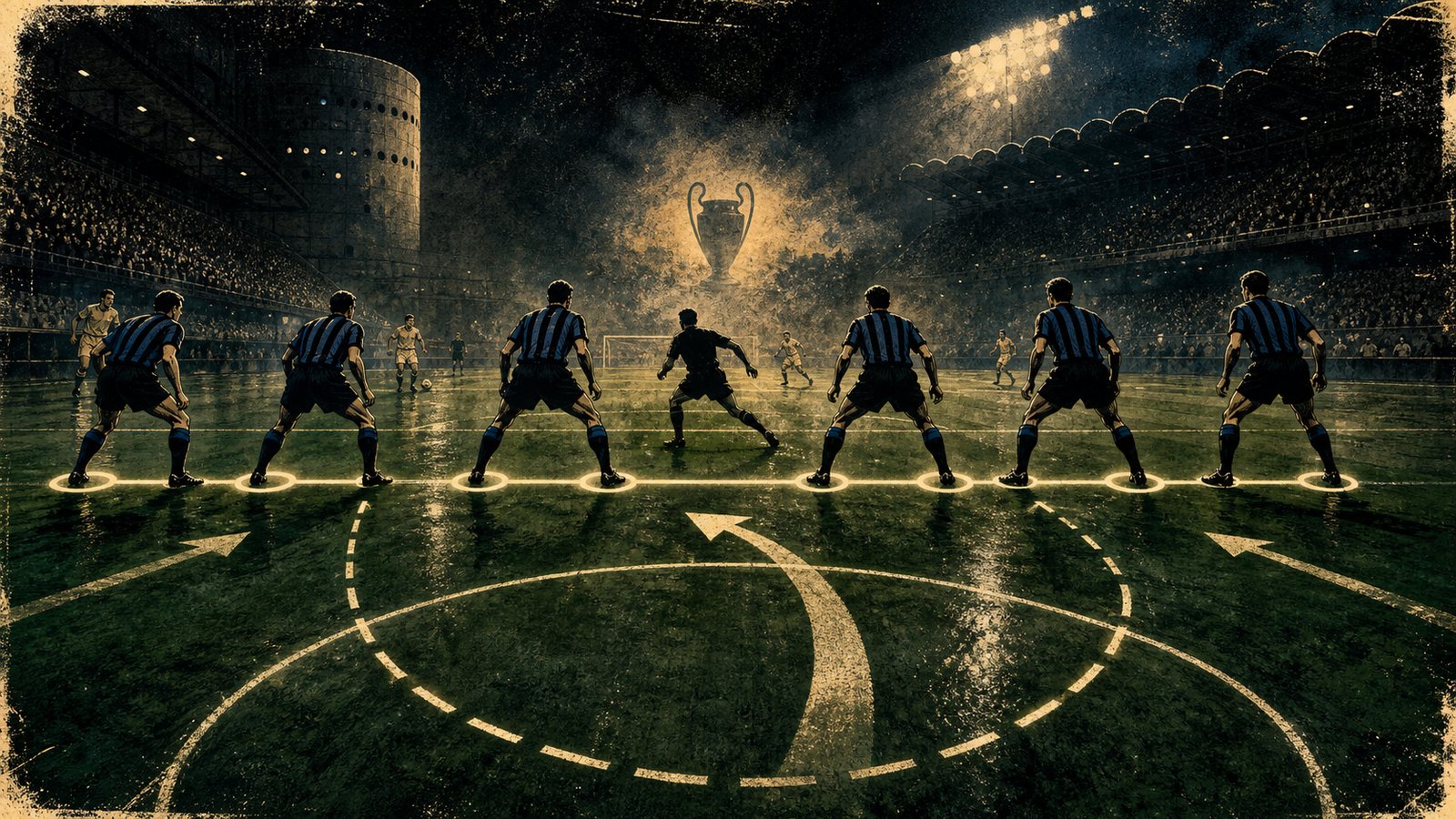
Helenio Herrera’s Inter made catenaccio a European force by combining control, a libero, transitions, and psychological theater.
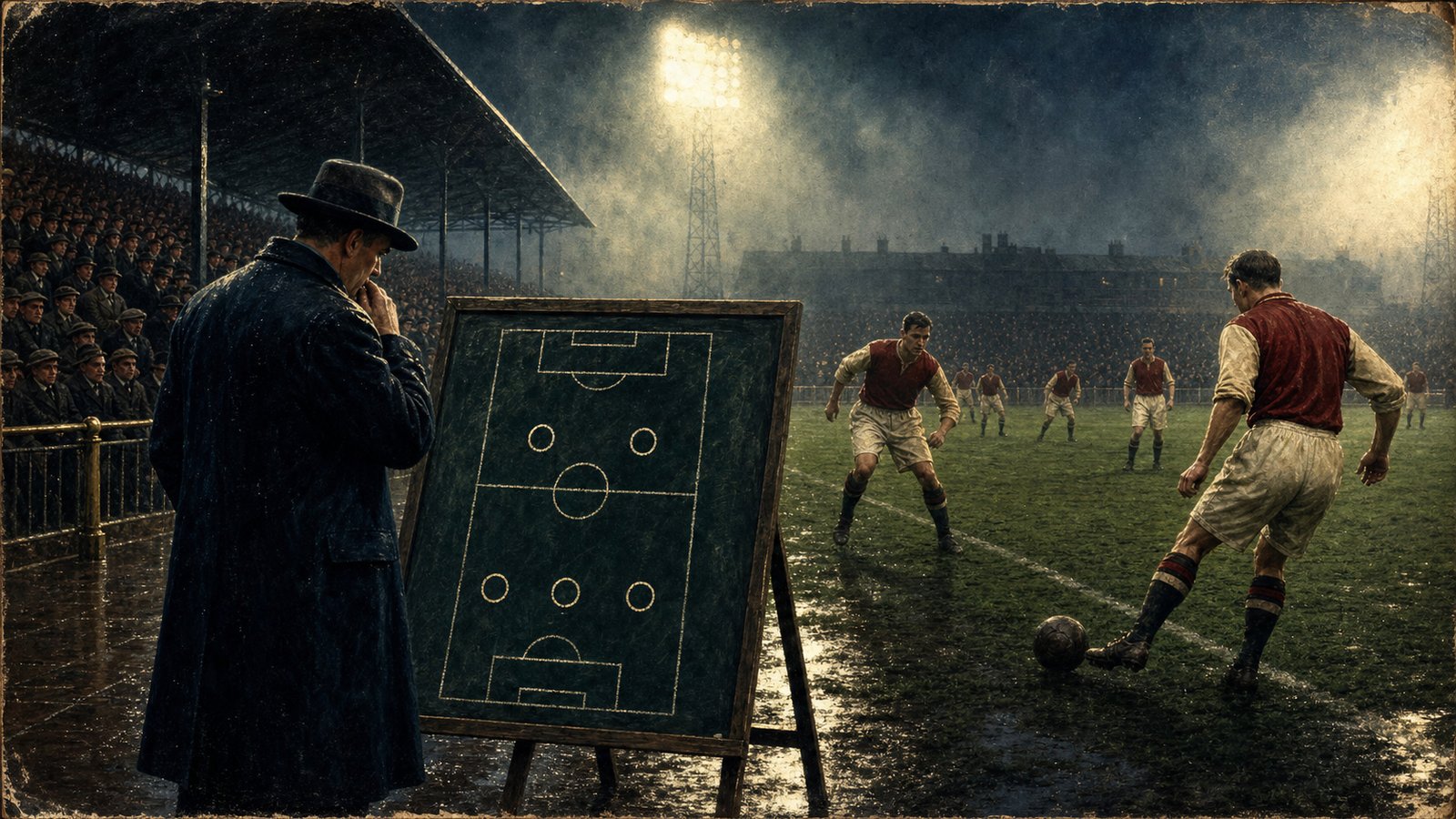
How the 1925 offside change pushed Herbert Chapman’s Arsenal toward a new football machine.