
Rudi Gutendorf Coached 55 Teams in 32 Countries Across Five Continents

Rudi Gutendorf’s record journey from the first Bundesliga to Australia and Rwanda required him to redefine what success meant in every new assignment.
Rudi Gutendorf’s record journey from the first Bundesliga to Australia and Rwanda required him to redefine what success meant in every new assignment.
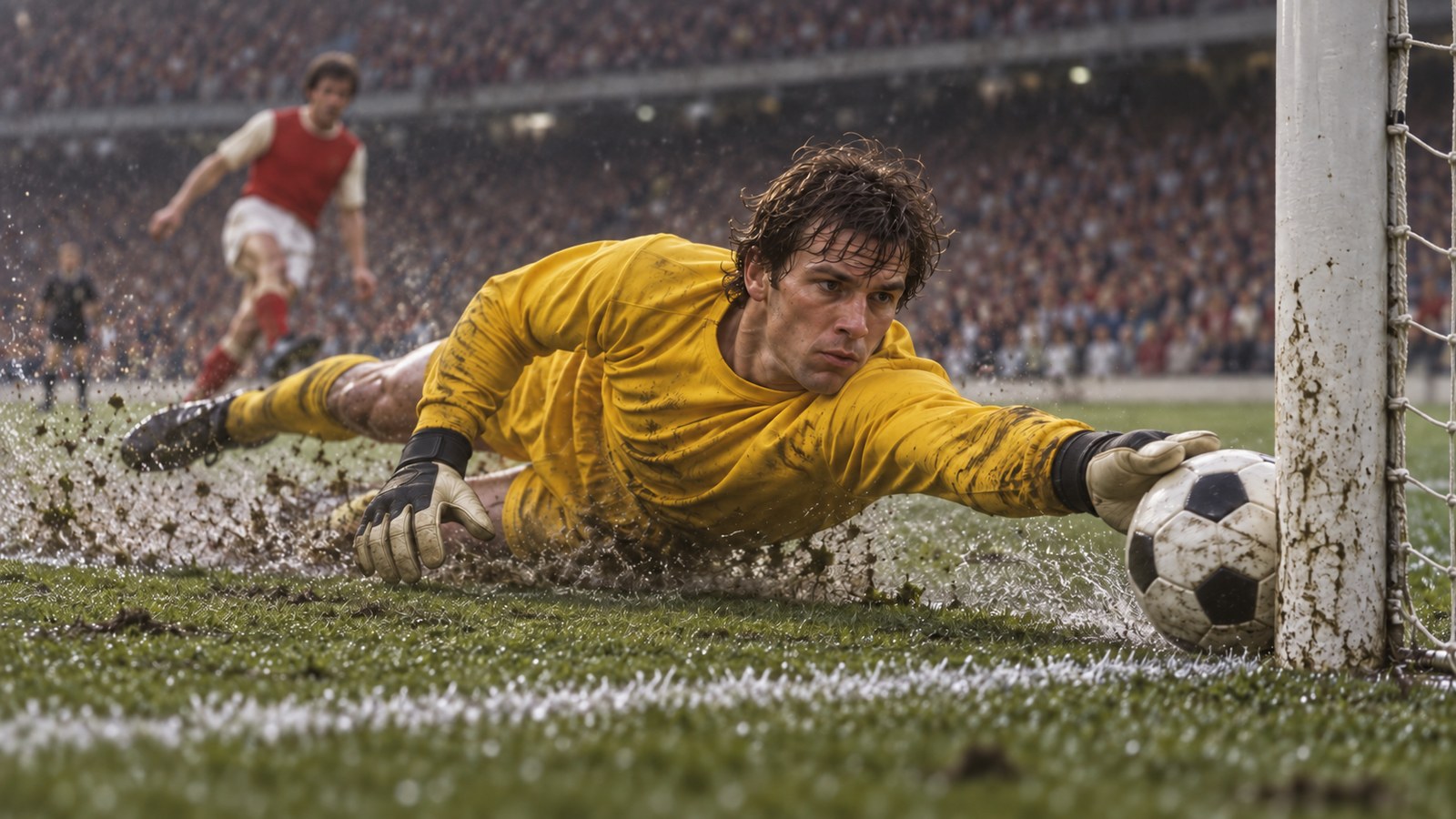
Andy Dibble’s late penalty save gave Luton the minutes Danny Wilson and Brian Stein needed to reverse the 1988 League Cup final.
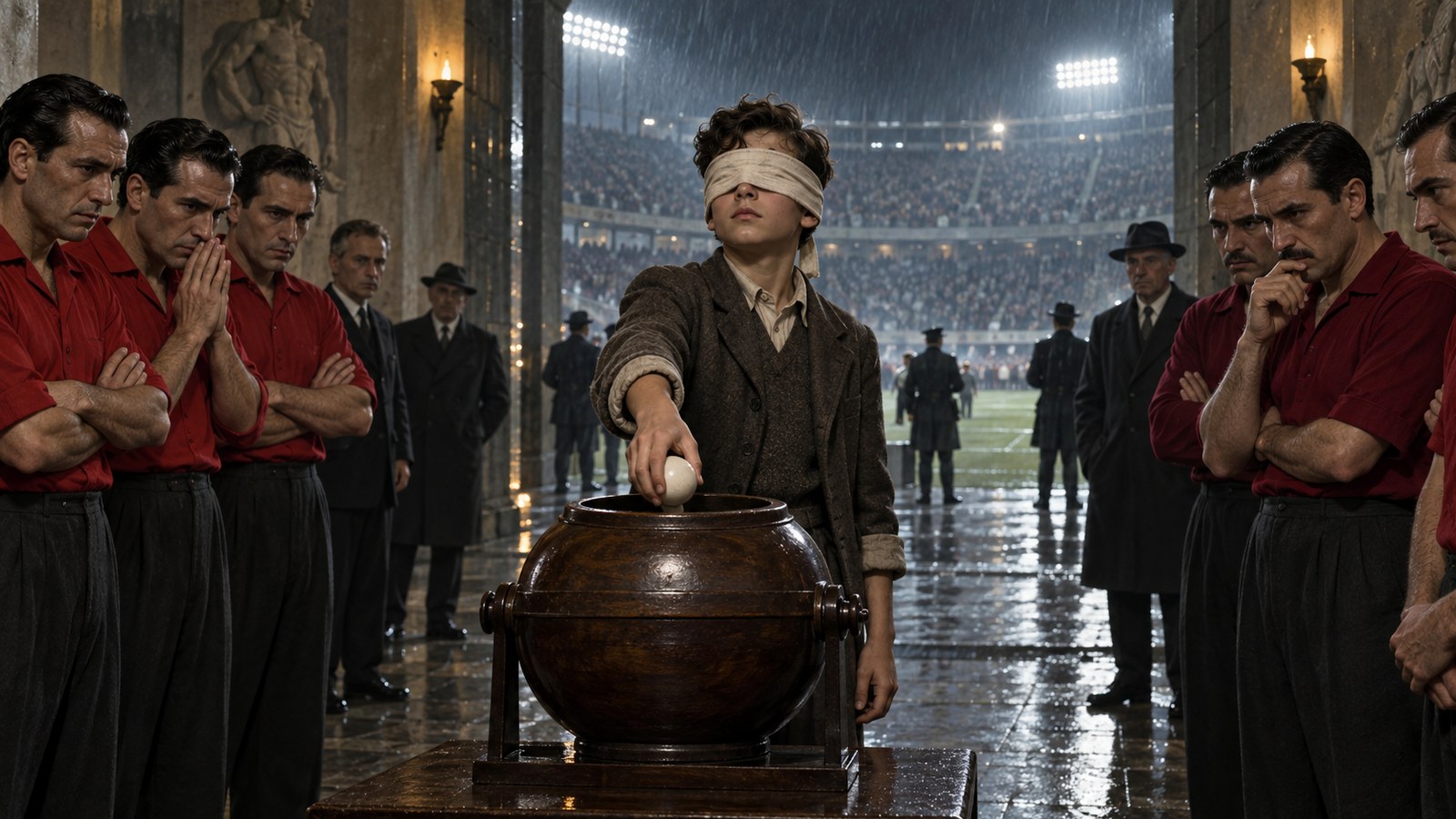
Spain outscored Turkey across three qualifiers in 1954, but the old points rules, a drawn Rome playoff and the absence of shootouts left a 14-year-old to select the World Cup place from a drum.
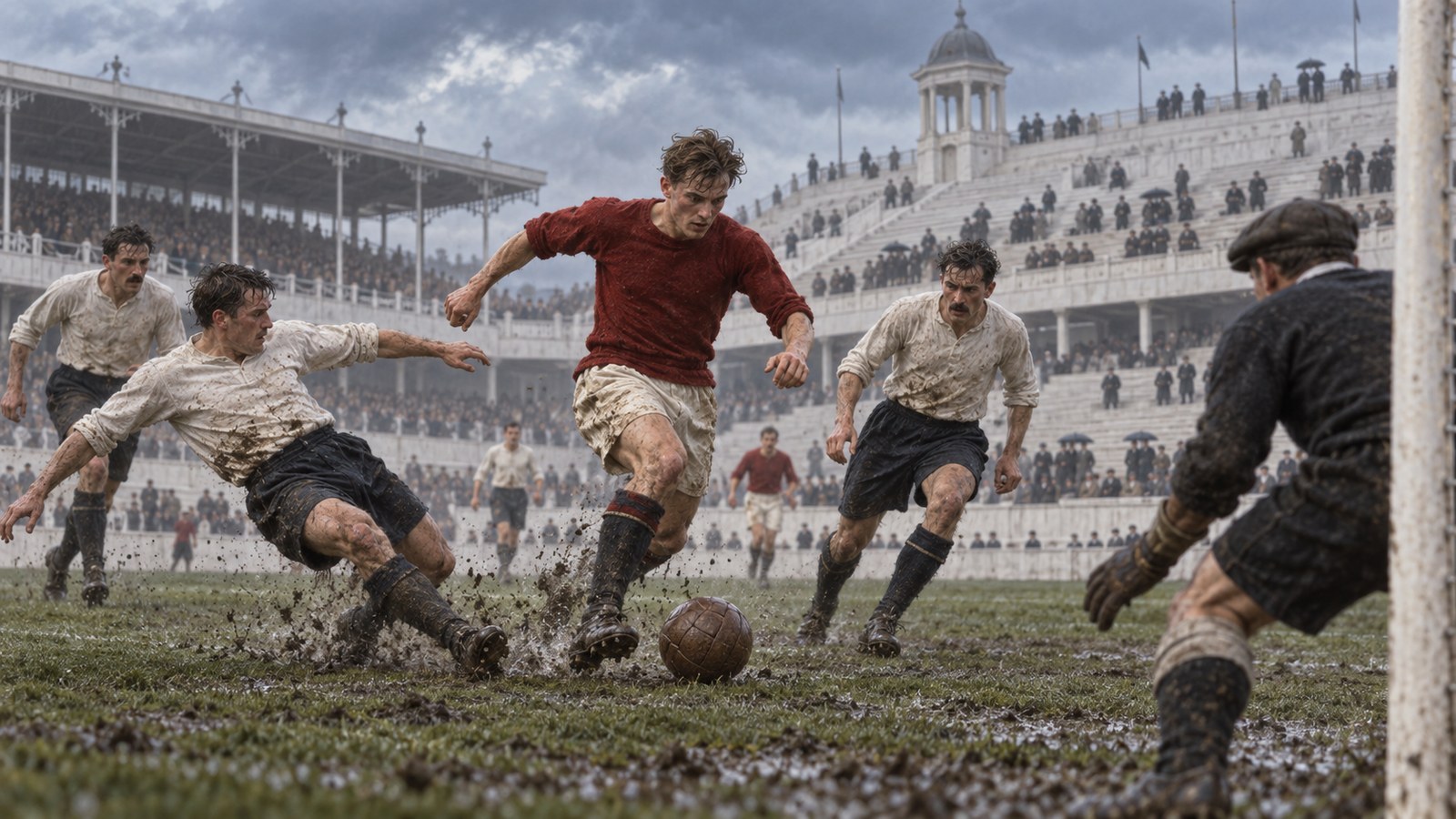
The minute-by-minute story behind Sophus Nielsen’s ten goals in Denmark’s extraordinary 1908 Olympic semi-final against France.
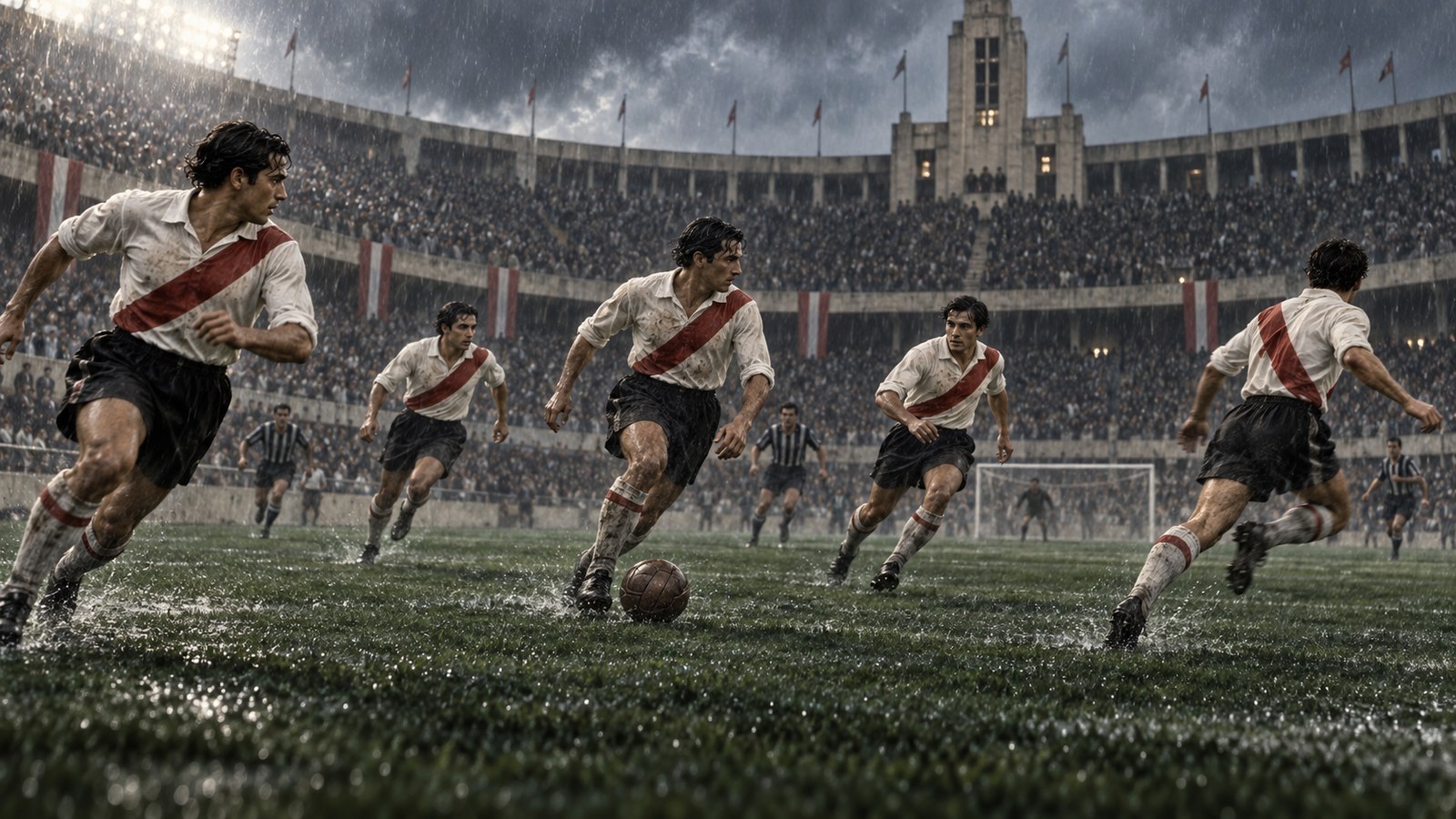
River Plate’s celebrated 1940s front line became a symbol of fluid football even though Muñoz, Moreno, Pedernera, Labruna and Loustau shared the field only 18 times.

After confusion at the 1966 World Cup, referee Ken Aston saw a traffic light on Kensington High Street and developed the universal yellow-and-red card language introduced in 1970.
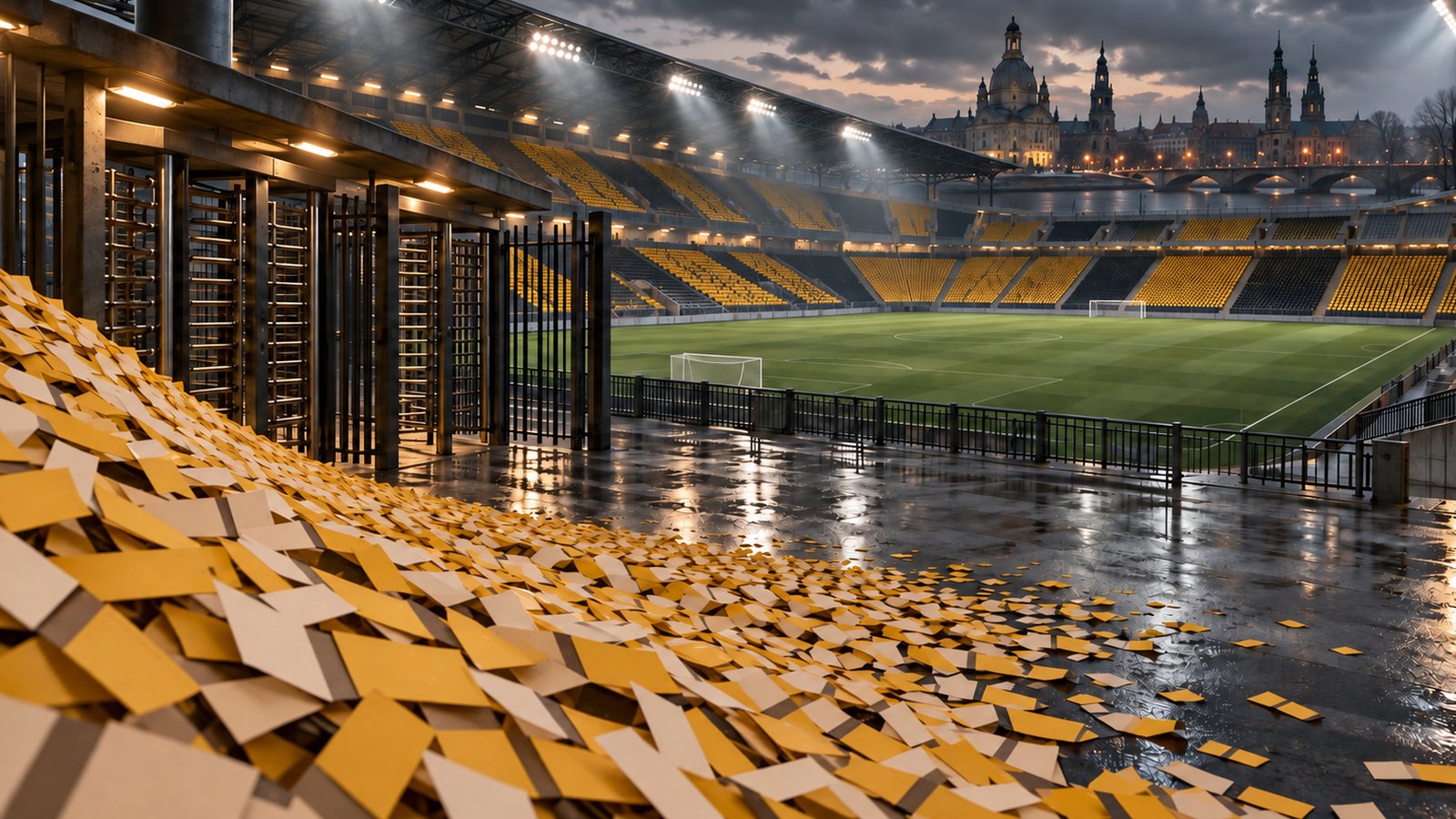
A closed-door punishment in 2012 removed Dynamo Dresden’s crowd, so supporters bought one virtual ticket for every seat and converted an empty stadium into a public act of financial solidarity.
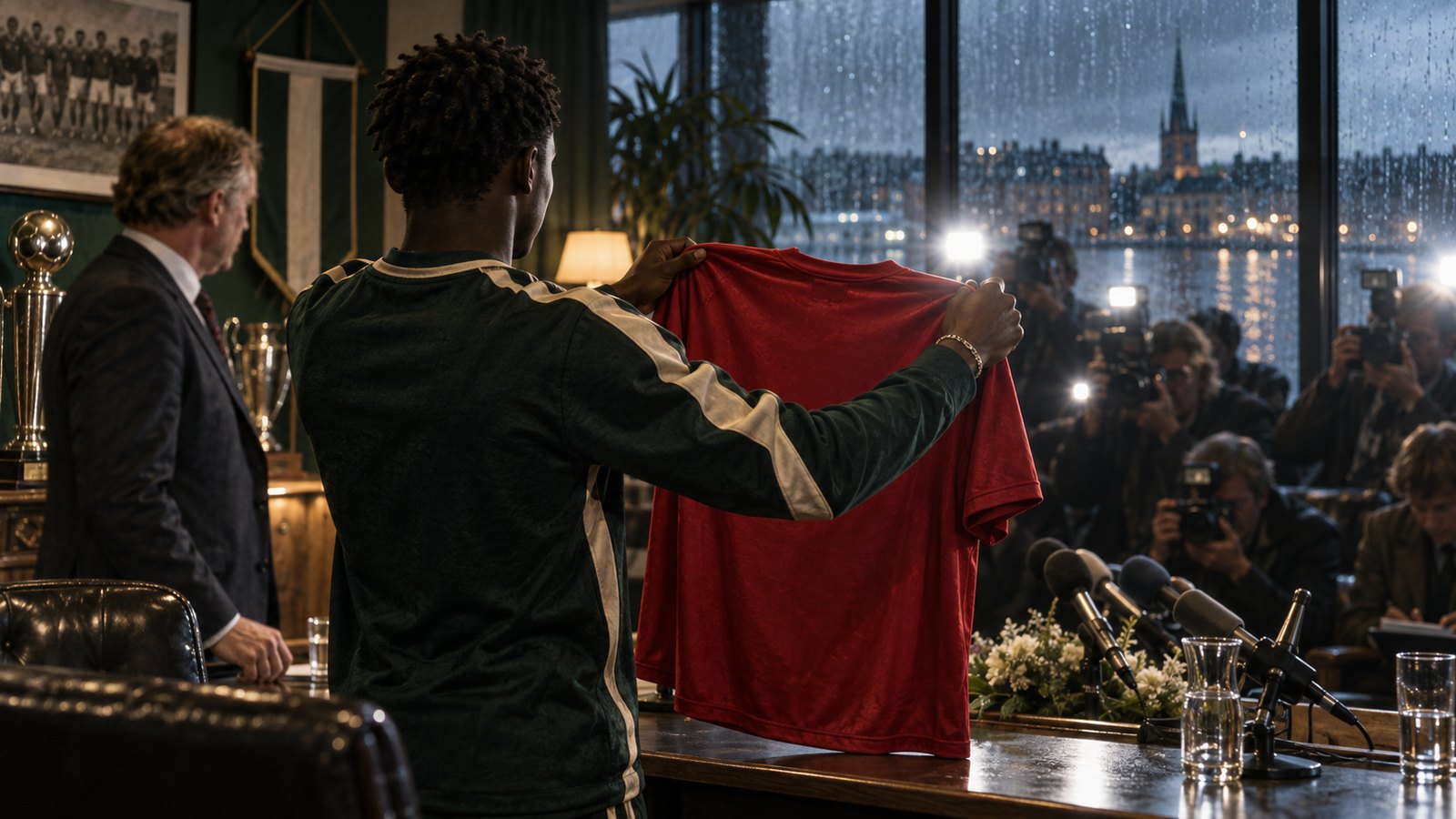
Manchester United unveiled 18-year-old John Obi Mikel in a number 21 shirt, but a disappearance, competing contracts and a FIFA case ended with Chelsea paying £16 million to clear his registration.
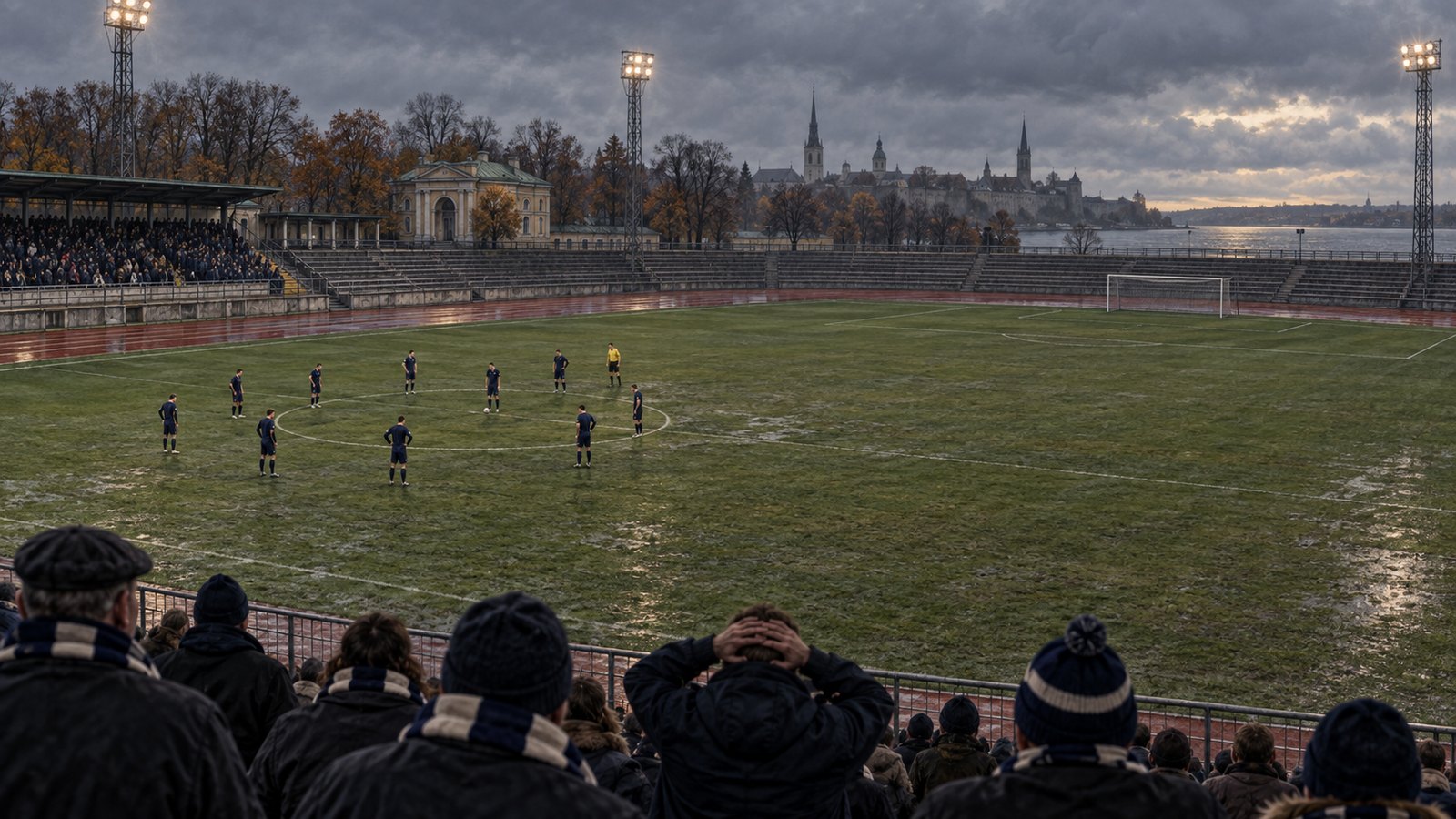
Scotland’s three-second kick-off in Tallinn looked like a walkover, but FIFA’s same-day time change made the empty Estonian half the start of a governance case that ended with a 0–0 replay in Monaco.
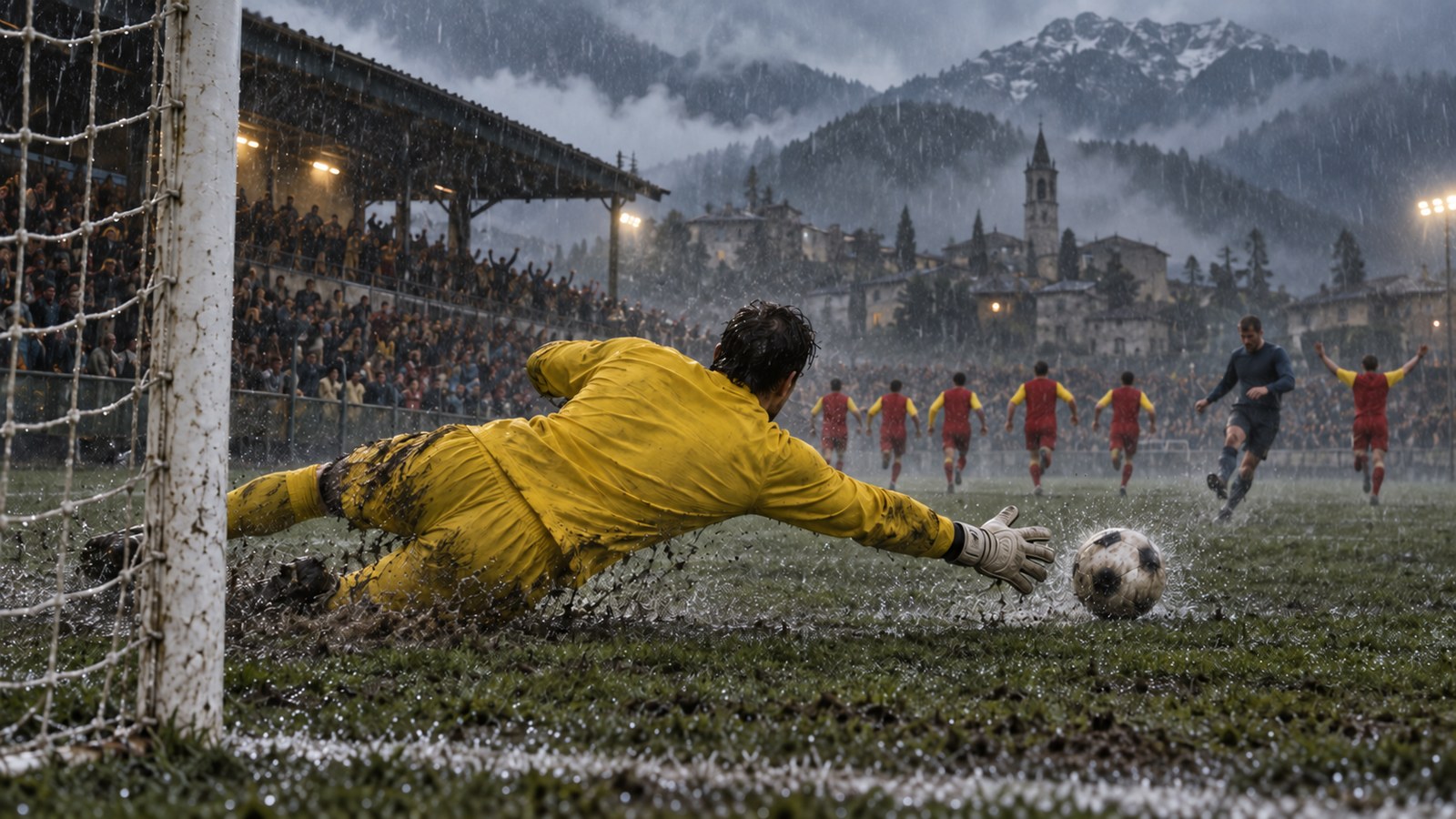
Castel di Sangro’s 1996 promotion rested on two extreme substitutions: a defender who scored within seconds and an unused reserve goalkeeper who stopped Ascoli’s eighth penalty.