
Molineux’s Floodlights Put Wolves and Honvéd on Live Television
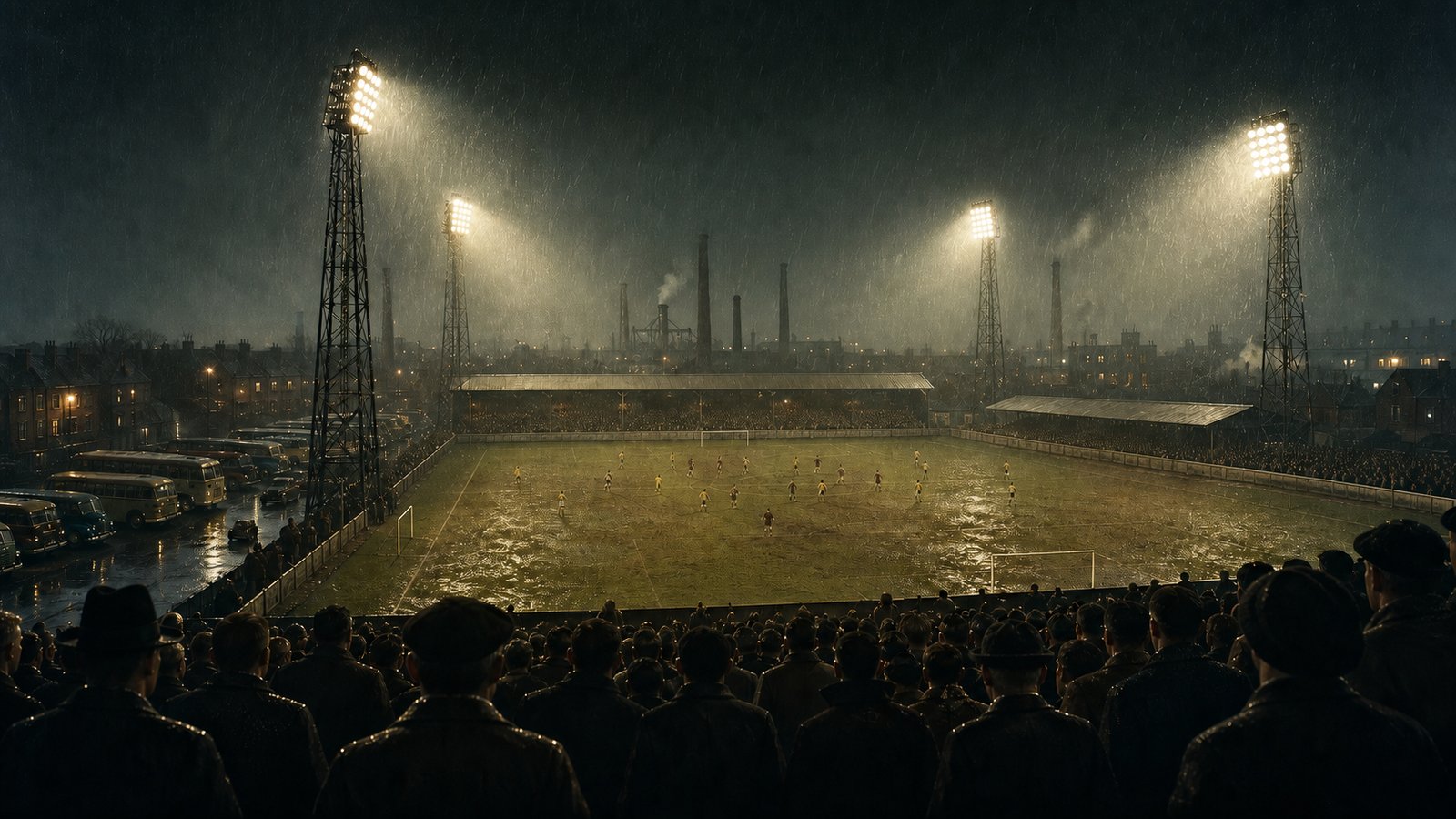
How 60 lamps, a rare BBC live broadcast and Wolves’ 3–2 comeback over Honvéd turned one winter friendly into a public argument that demanded a European club competition.
How 60 lamps, a rare BBC live broadcast and Wolves’ 3–2 comeback over Honvéd turned one winter friendly into a public argument that demanded a European club competition.
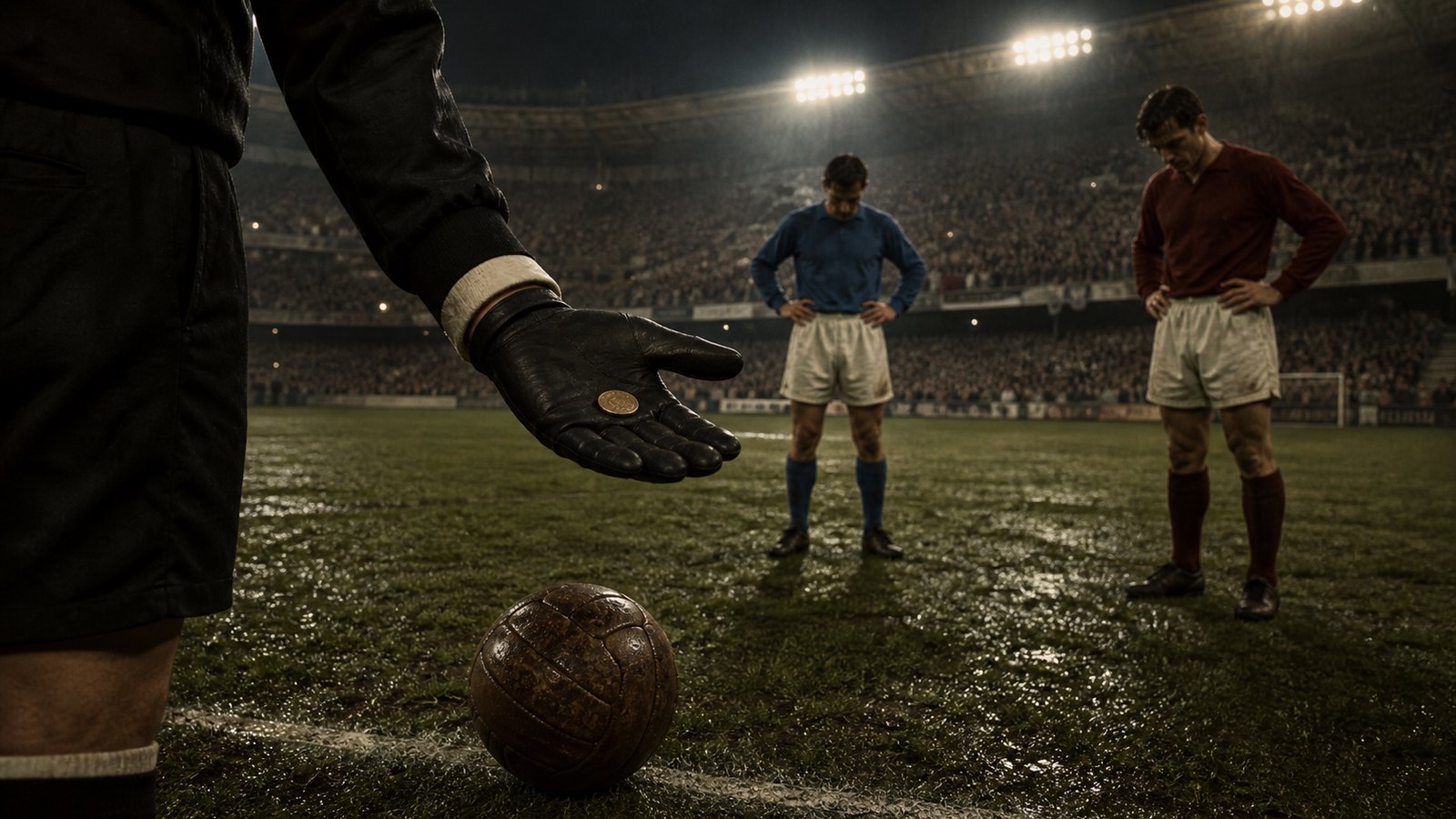
A scoreless 1968 semi-final exposed how international football once settled its largest deadlocks before penalty shootouts became familiar.
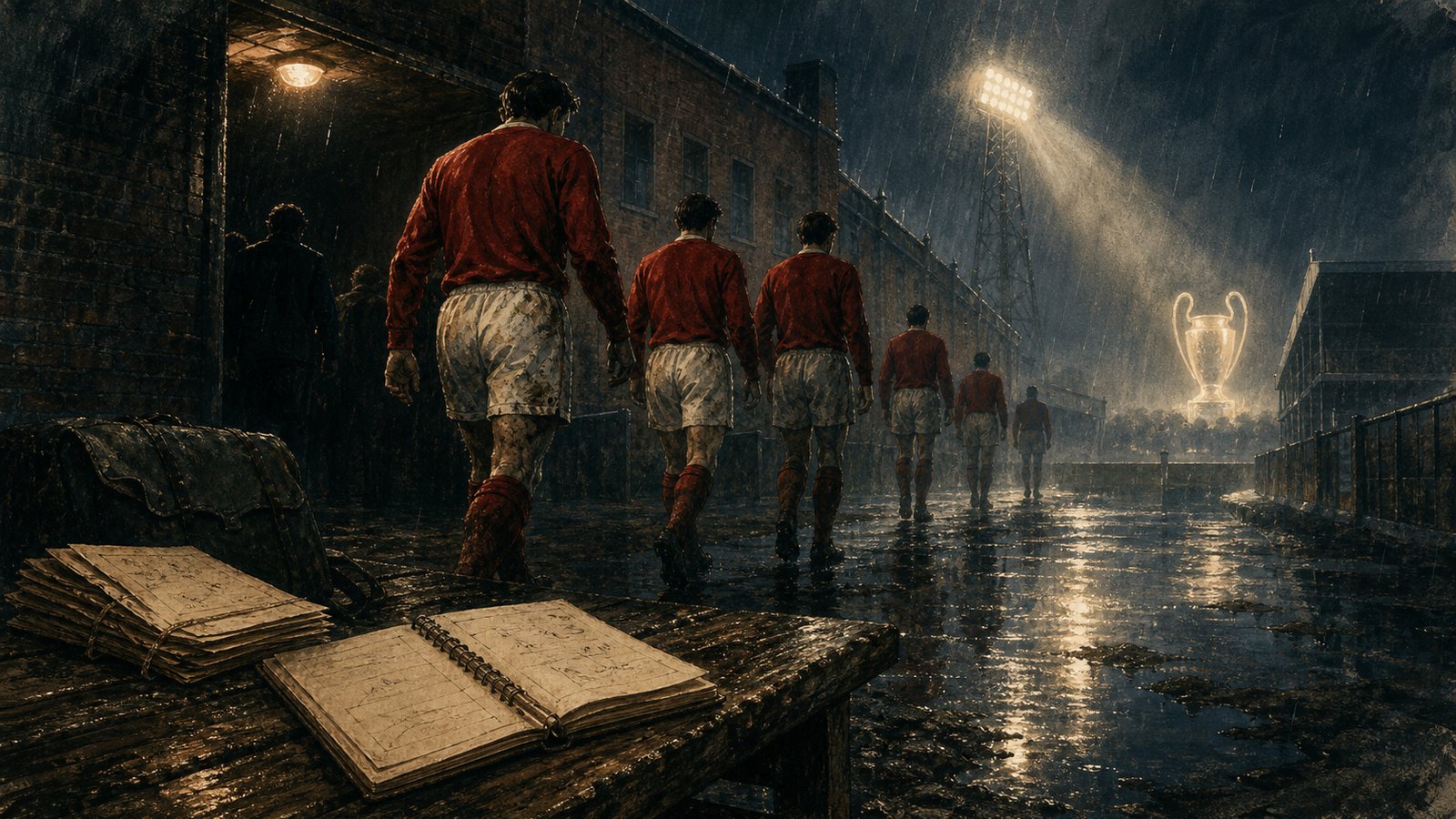
Nottingham Forest’s climb from the second tier to European champions was less a fairy tale than a ruthlessly focused operating model.
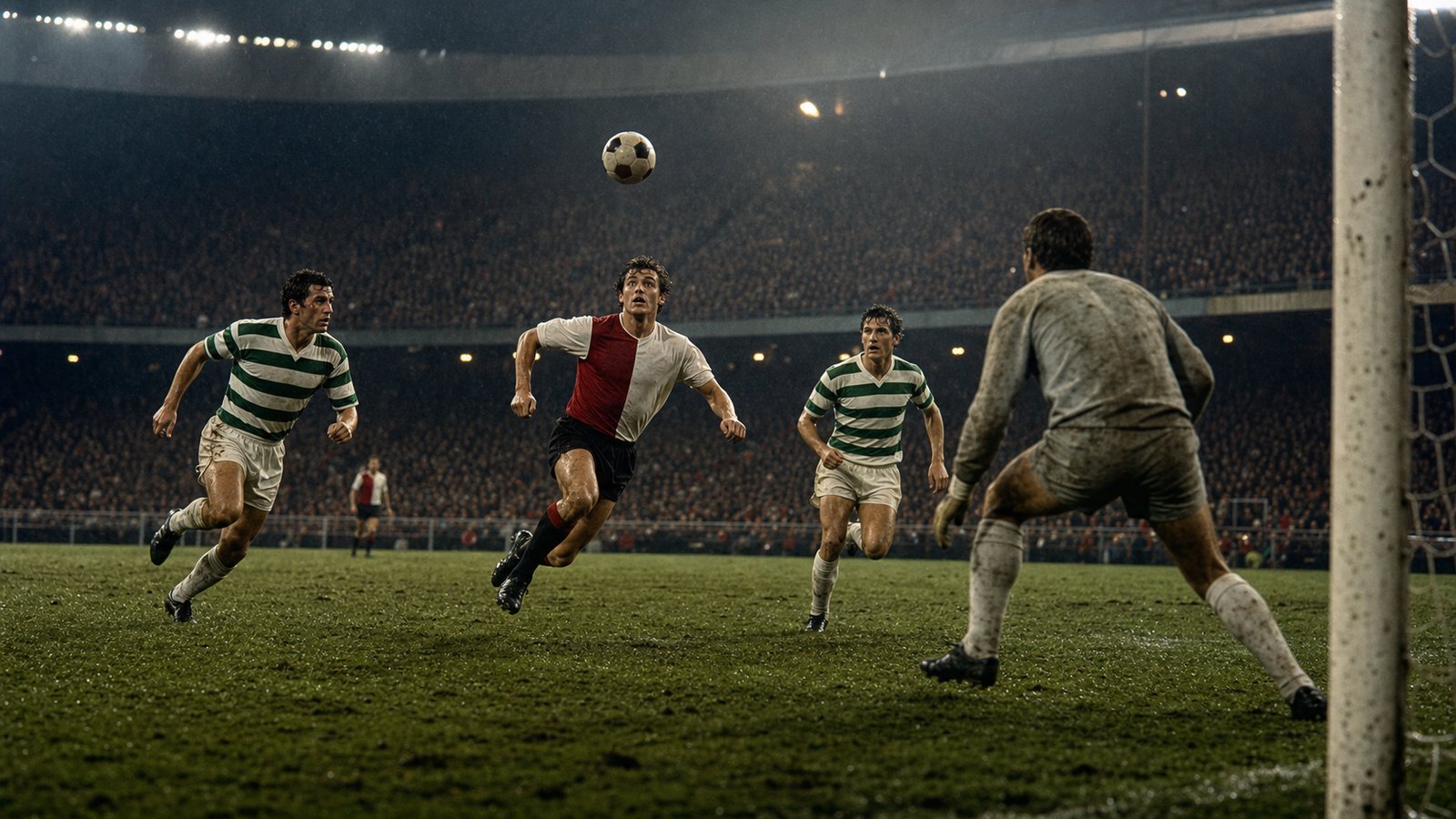
How Feyenoord controlled Celtic’s strongest route and found a 117th-minute winner to claim the Netherlands’ first European Cup.
Denmark’s Euro 1992 win is remembered as a fairy tale, but the trophy came from a compact tournament machine built under impossible pressure.
Benfica’s 1962 European Cup final win over Real Madrid was a tactical and psychological handover, not just the beginning of a famous curse legend.
How IFK Göteborg’s UEFA Cup win became a practical lesson in compactness, collective nerve, and underdog structure.
Real Madrid scored seven at Hampden in 1960, but Eintracht Frankfurt’s attacking refusal helped turn the European Cup final into a shared football memory.
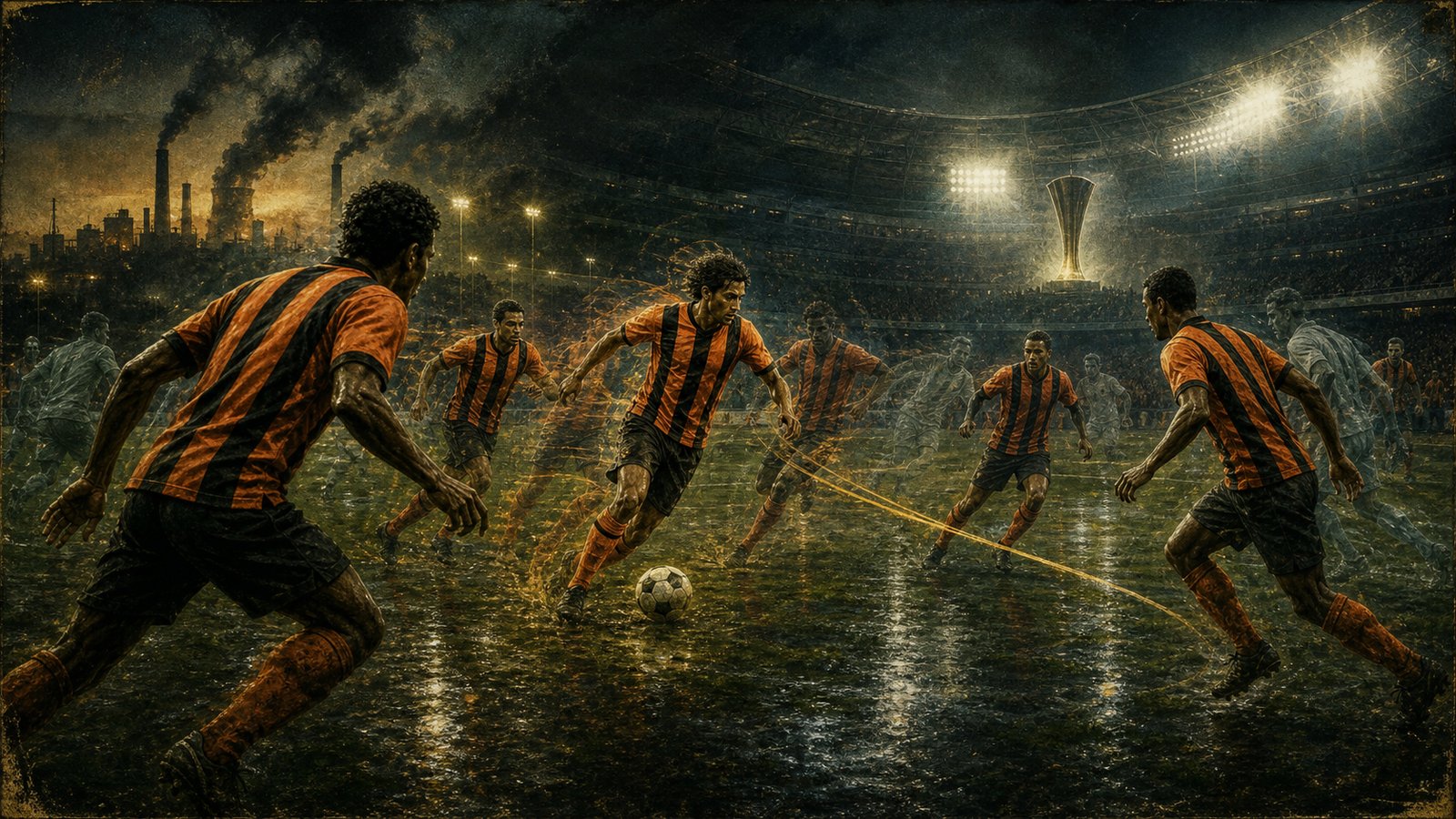
Shakhtar’s 2009 UEFA Cup win was the public proof of a Donetsk-to-Brazil recruitment machine, not merely a one-night upset in Istanbul.
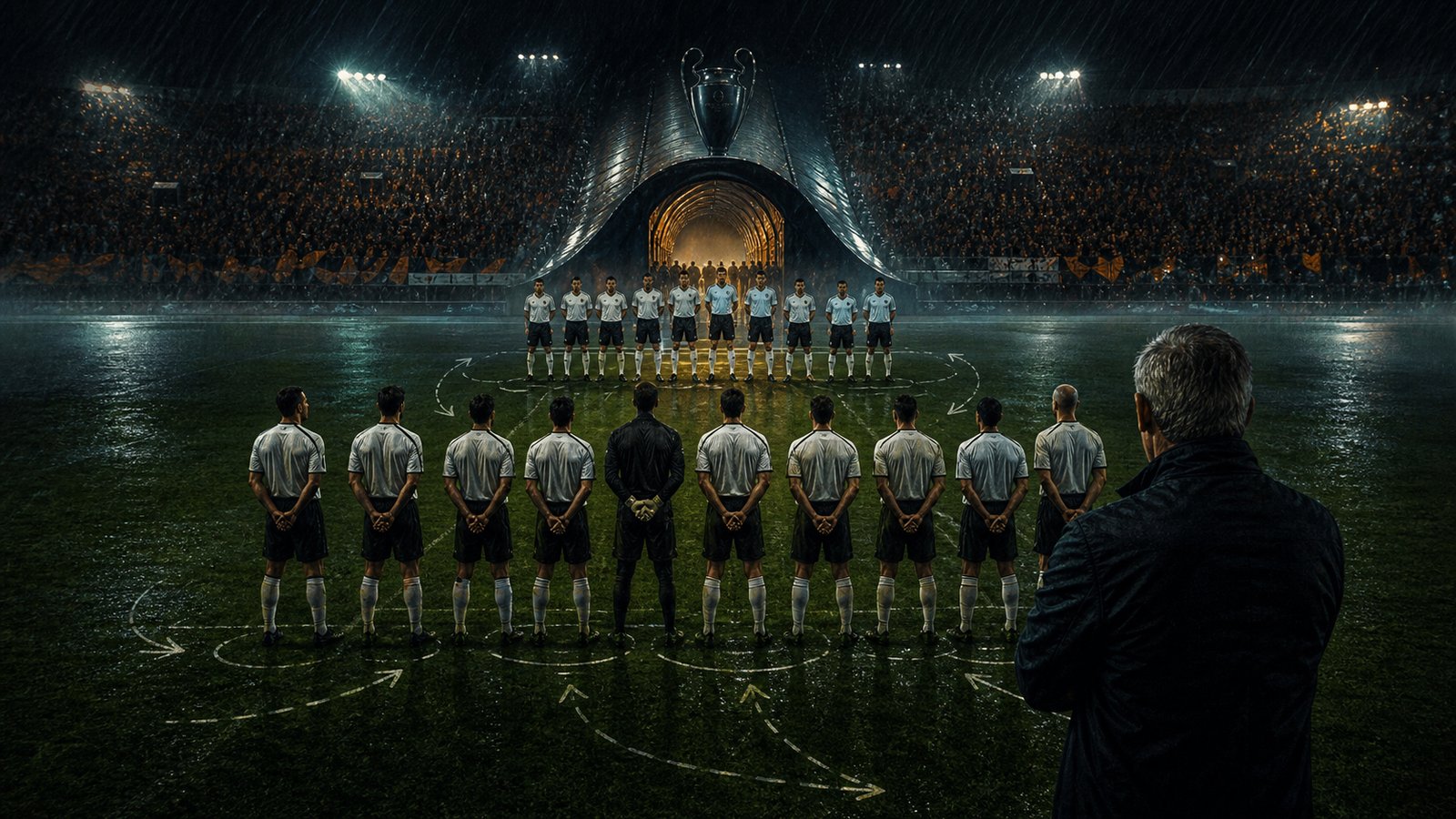
Valencia’s back-to-back Champions League finals were not just heartbreak; they were proof that Cúper built one of Europe’s sharpest structure-and-transition machines.