
Lazio 2000: The Scudetto—and the Bill That Followed

Lazio’s title was brilliant, but the Cragnotti model showed how trophies can hide financial dependency.
 Lawrie
Lazio’s title was brilliant, but the Cragnotti model showed how trophies can hide financial dependency.
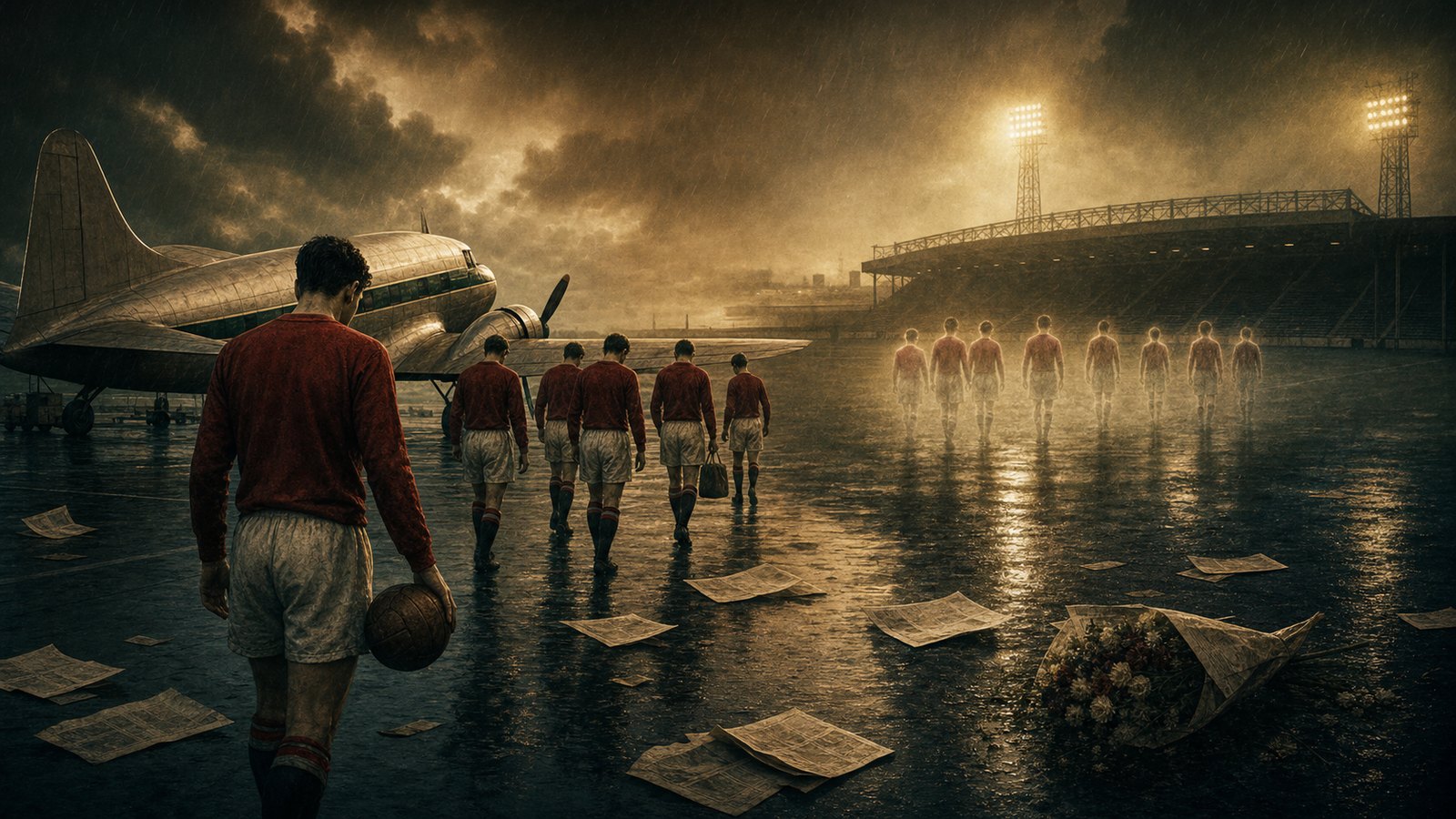
How Busby’s young Manchester United made Europe part of the club’s identity before and after Munich.

Bayer Leverkusen’s 2001-02 season is remembered as Neverkusen, but the deeper story is how fixture pressure, fragile margins, and three different trophy races turned a brilliant team into a warning.

Roman Abramovich’s 2003 arrival at Chelsea did not simply make one club richer; it changed how rivals understood transfer speed, wage pressure, and the strategic use of money.
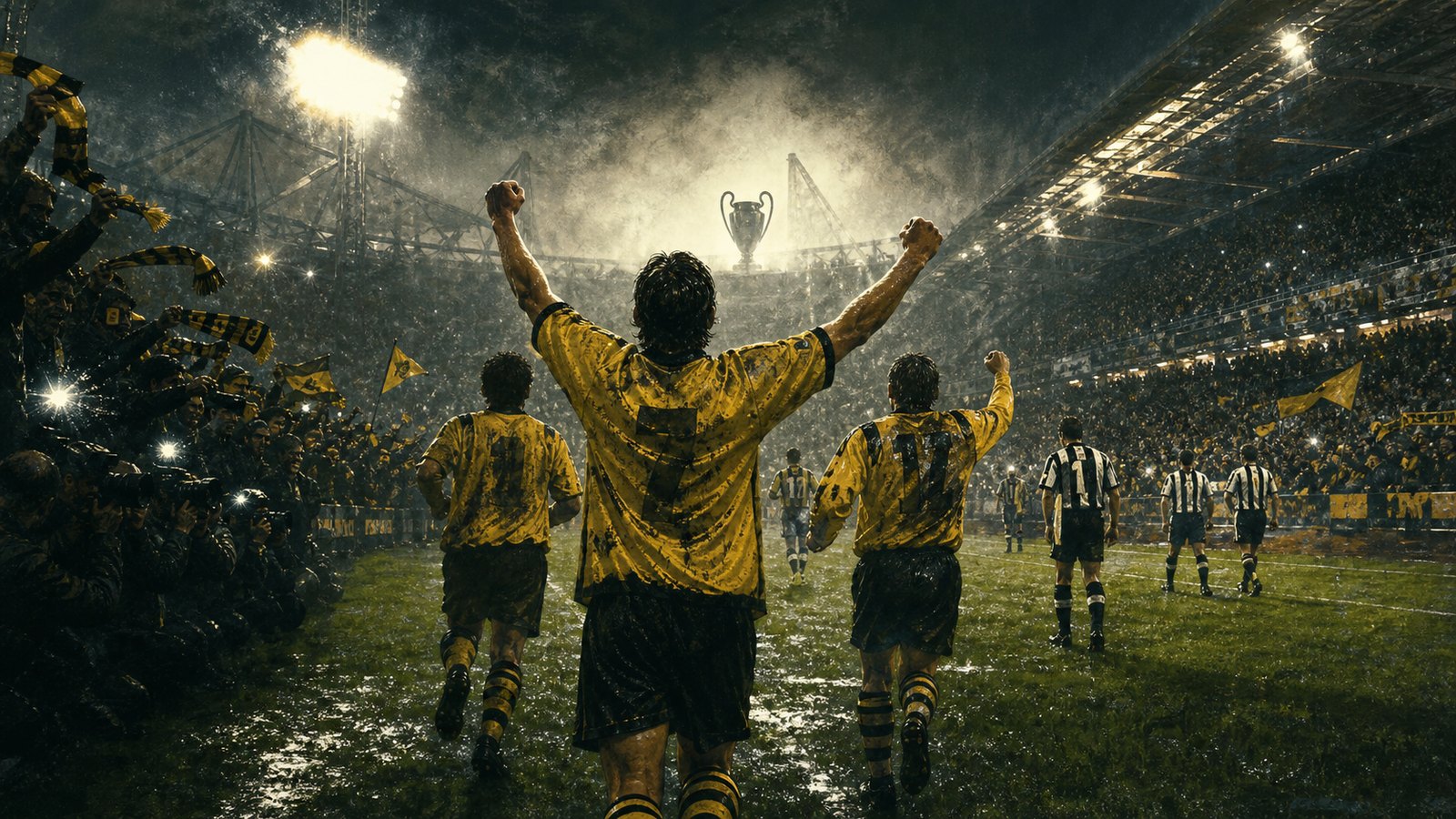
Borussia Dortmund’s 1997 final upset of Juventus looked like a single magical night, but it came from a compact system, smart recruitment, and a club that understood exactly how to make a favorite uncomfortable.

Alfredo Di Stefano’s disputed 1953 move was not just a signing; it exposed how registration power, institutional pressure, and timing could redirect European football.
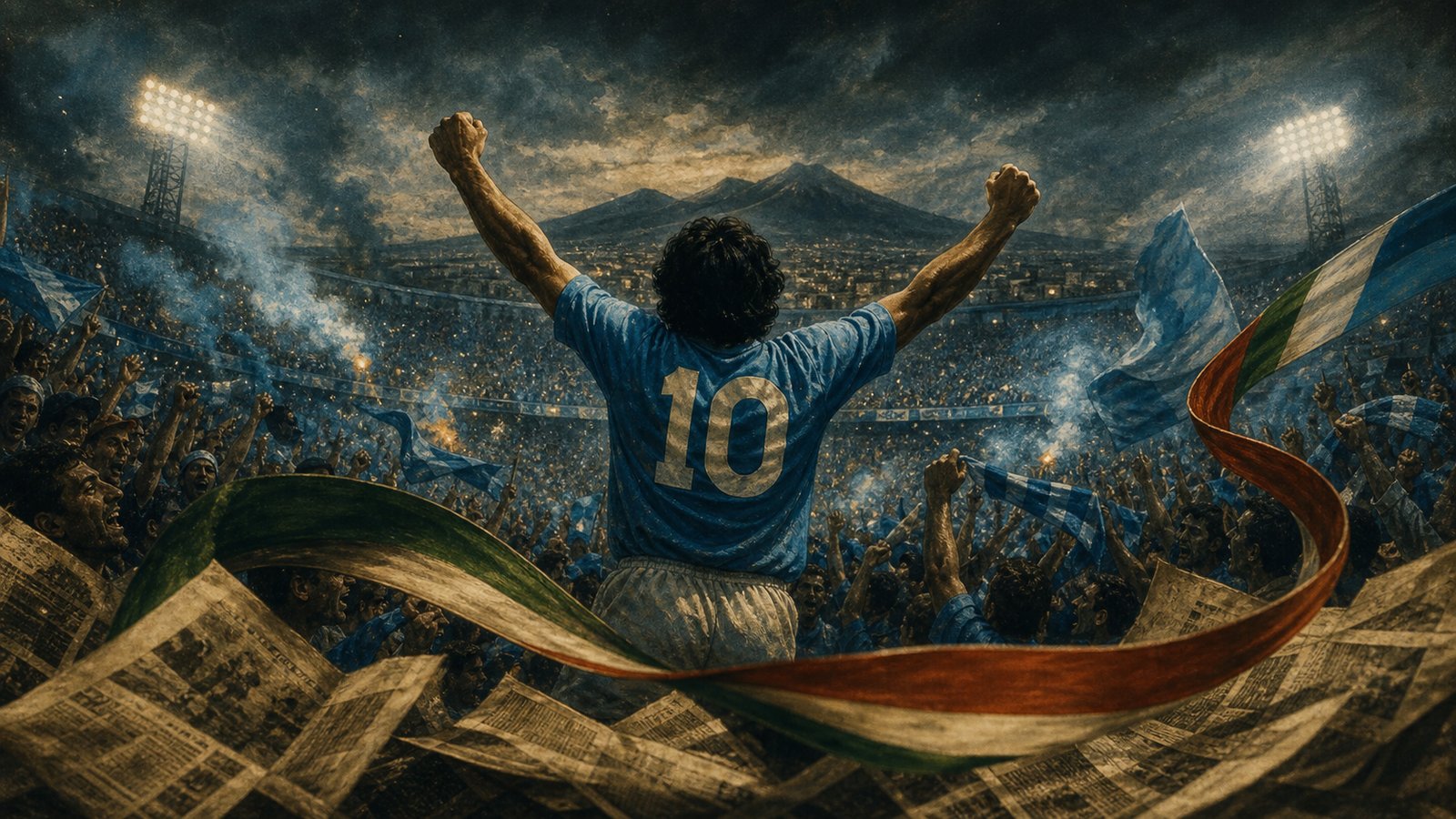
Napoli’s first Serie A title became a civic earthquake because Maradona’s genius sat inside a harder team structure and a city’s argument with Italian football power.

The diet jokes are too small: Wenger changed English football by making the whole club behave like one connected performance system.
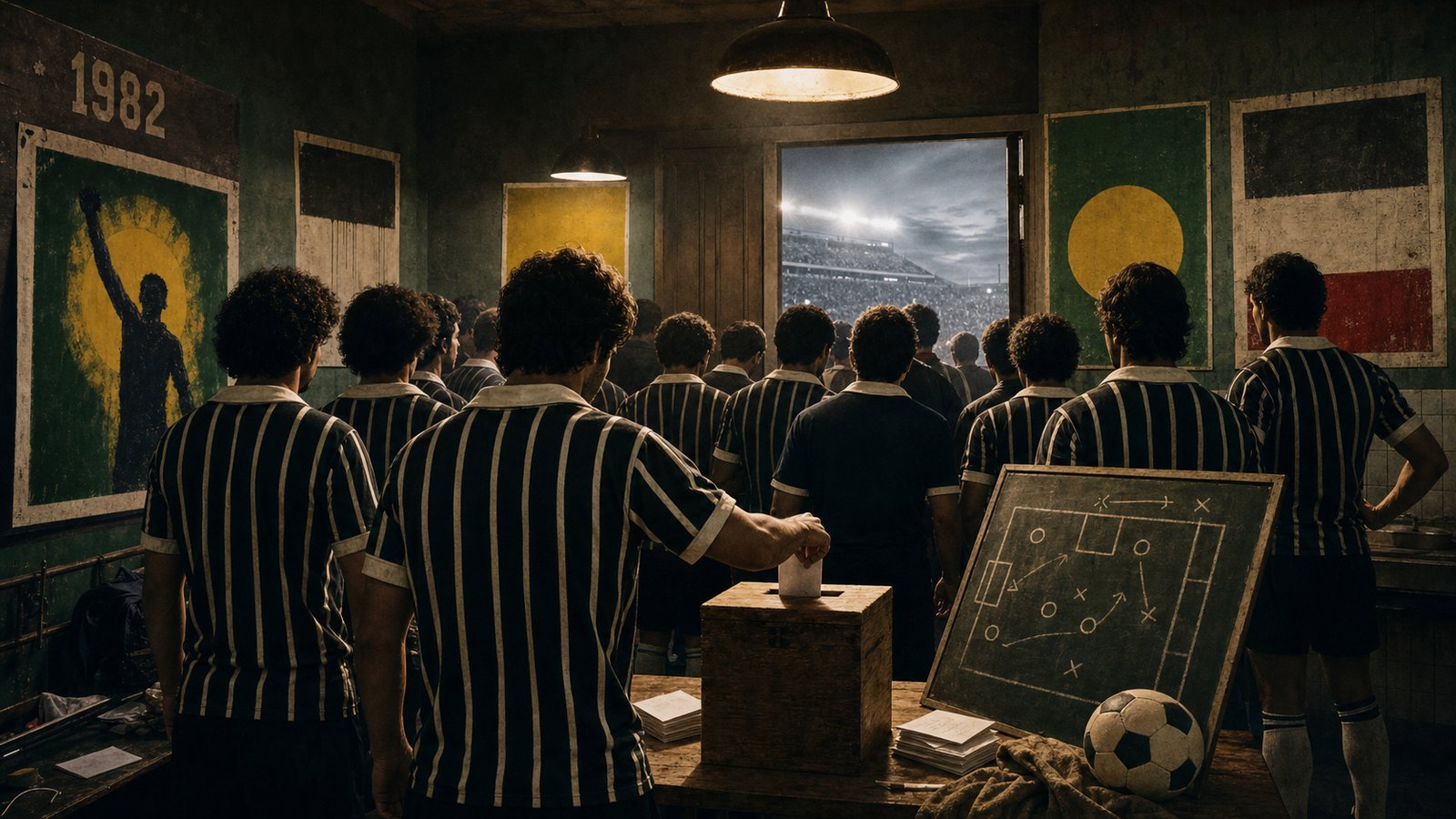
Corinthians Democracy was not just Socrates as a symbol; it was a working challenge to how football clubs exercise power.

A rule built to make extra time more attacking instead showed how deeply knockout football prices risk.