
Why River Plate’s La Máquina Made Defenders Chase Shadows
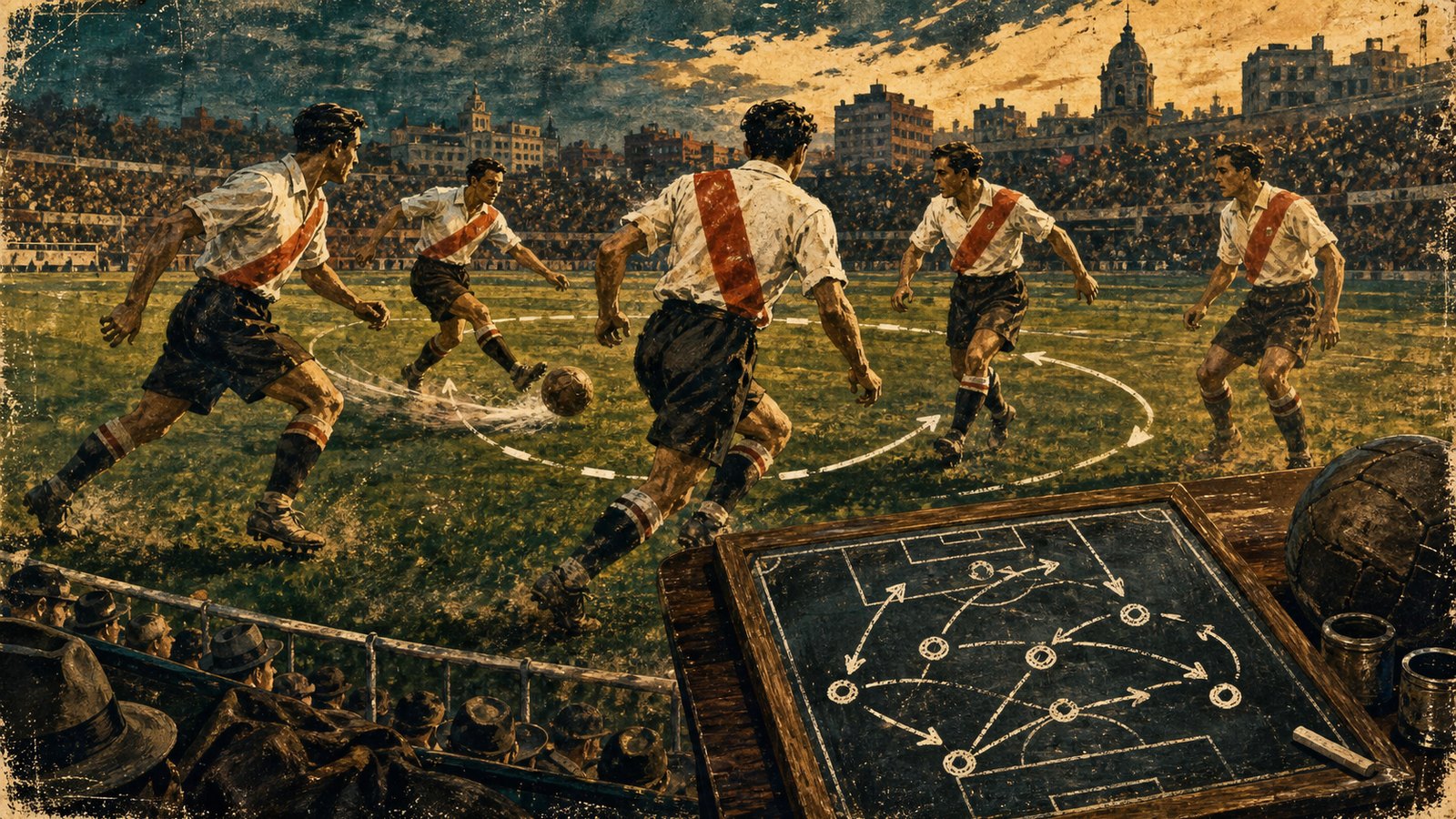
River Plate’s 1940s forward line became a tactical memory because its motion made fixed positions feel outdated.
 Lawrie
River Plate’s 1940s forward line became a tactical memory because its motion made fixed positions feel outdated.
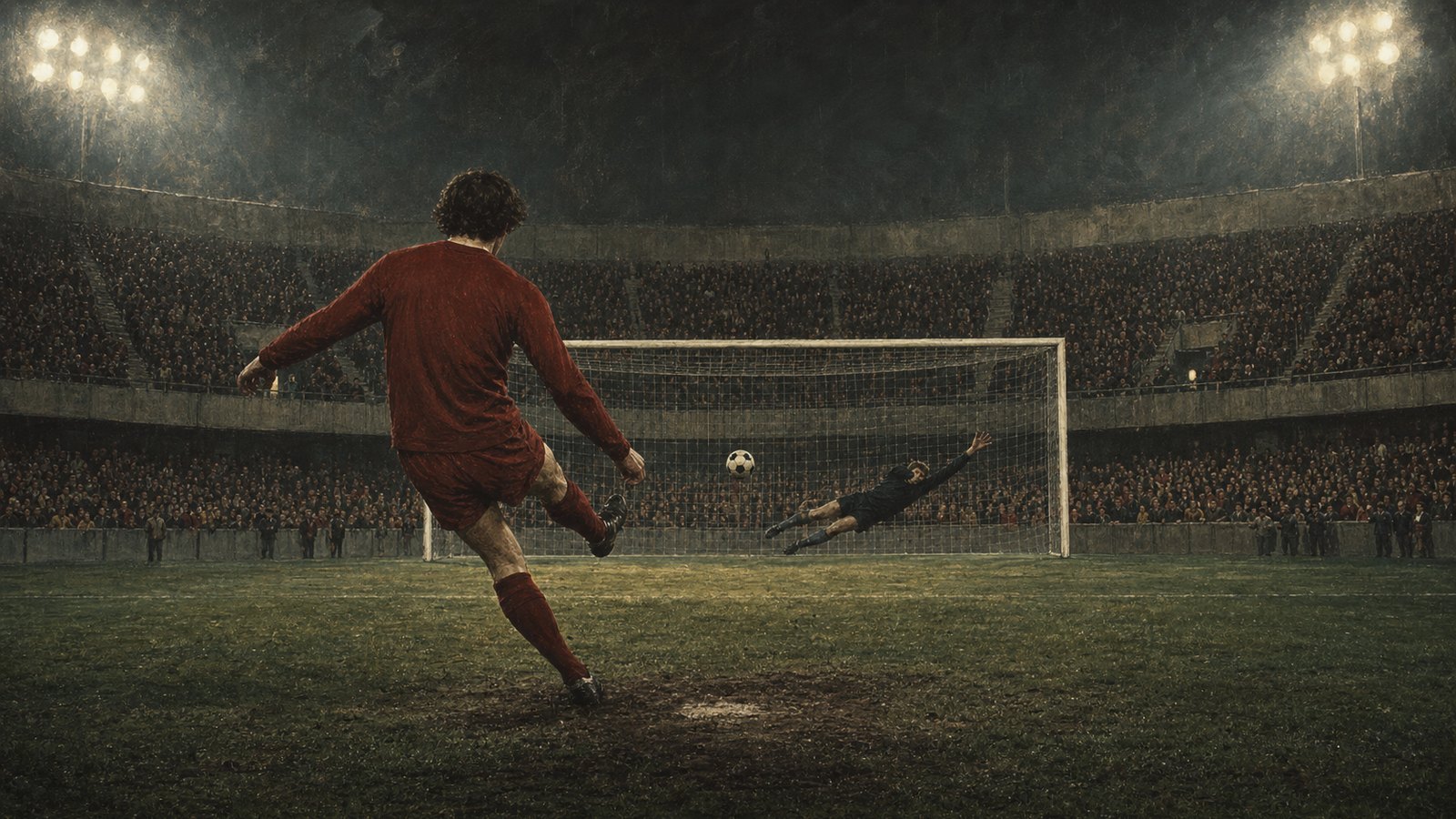
Two years of after-training penalty wagers revealed the space goalkeepers created by committing early—and produced football’s most famous chipped penalty.
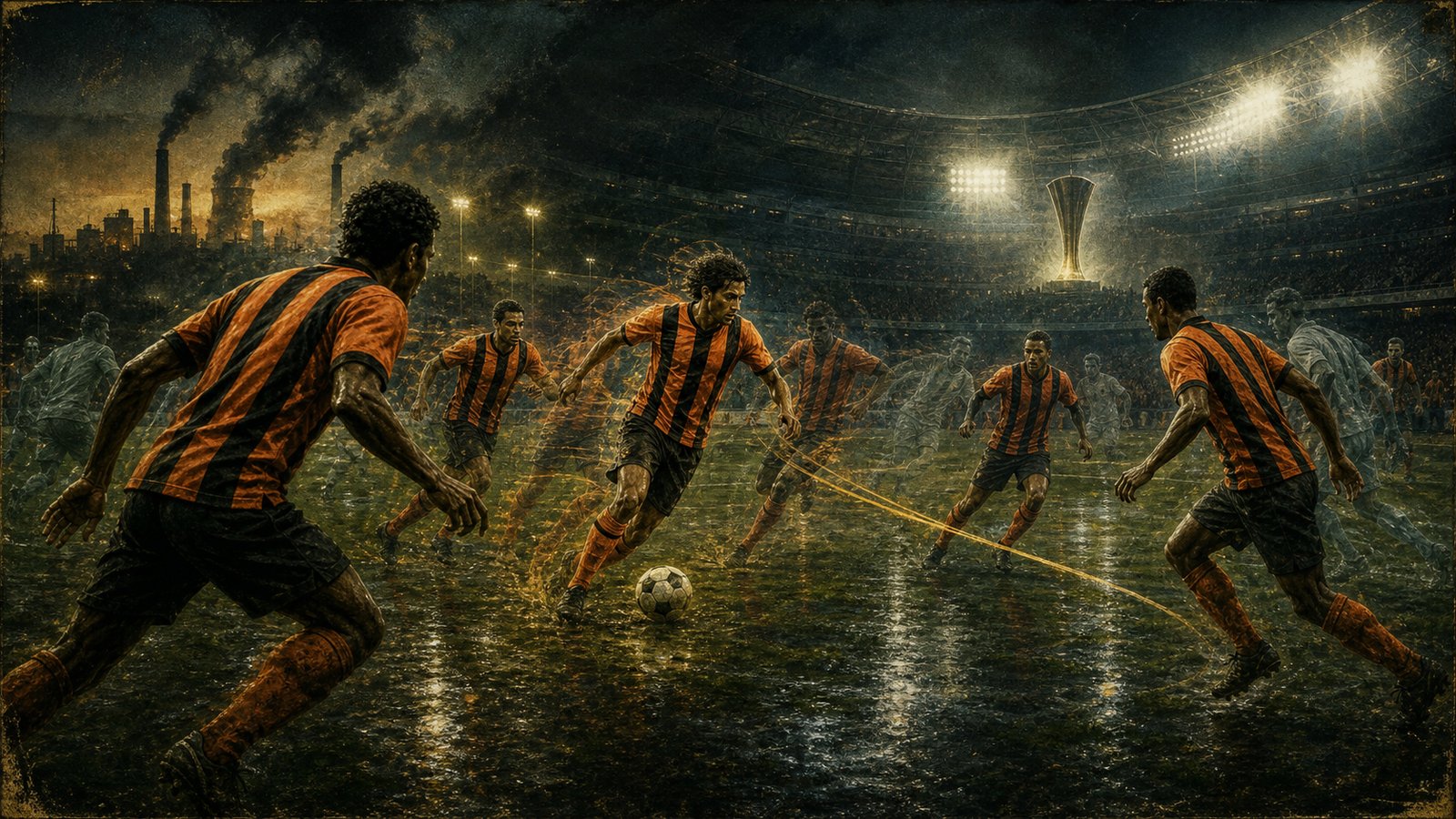
Shakhtar’s 2009 UEFA Cup win was the public proof of a Donetsk-to-Brazil recruitment machine, not merely a one-night upset in Istanbul.
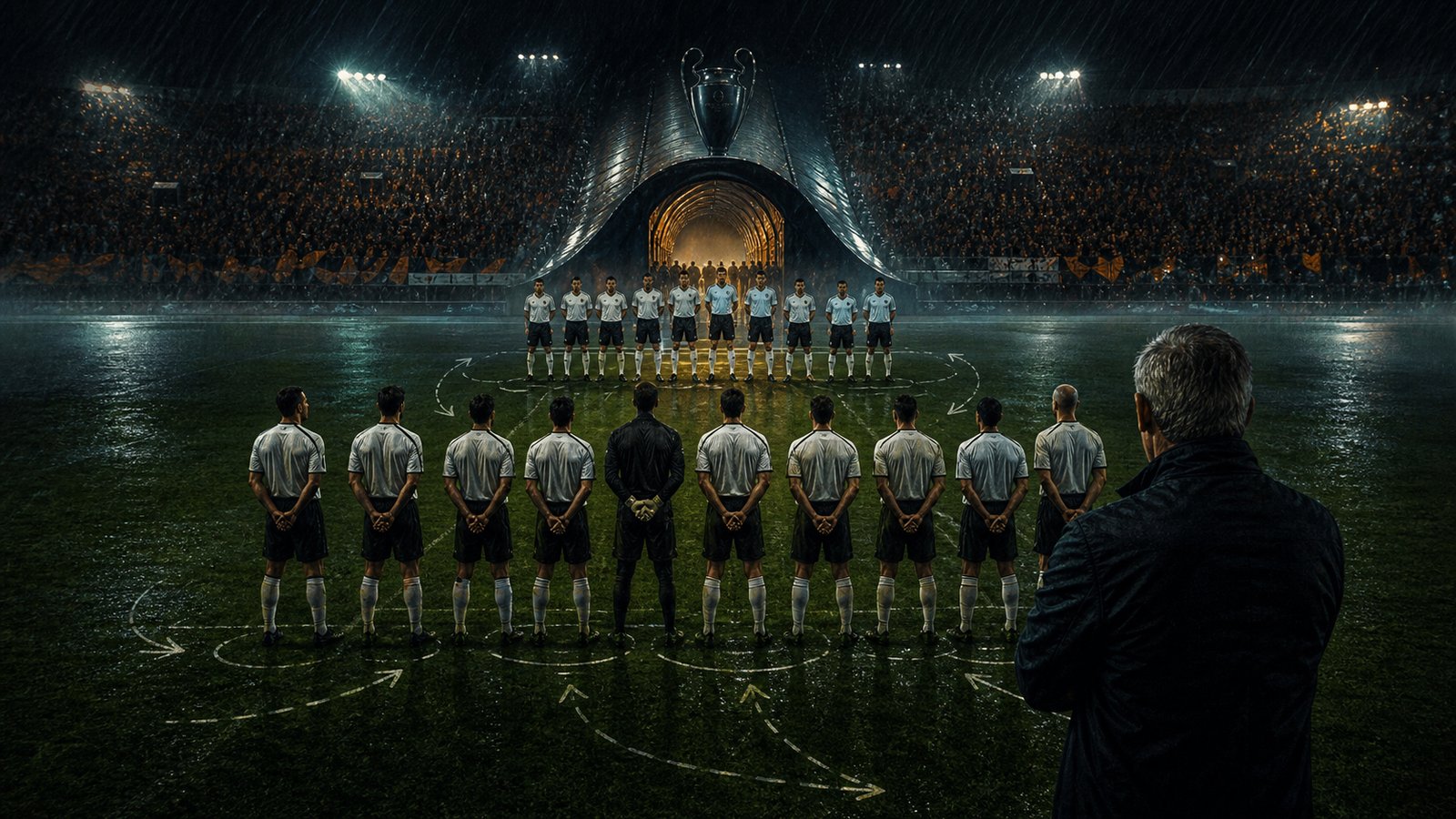
Valencia’s back-to-back Champions League finals were not just heartbreak; they were proof that Cúper built one of Europe’s sharpest structure-and-transition machines.
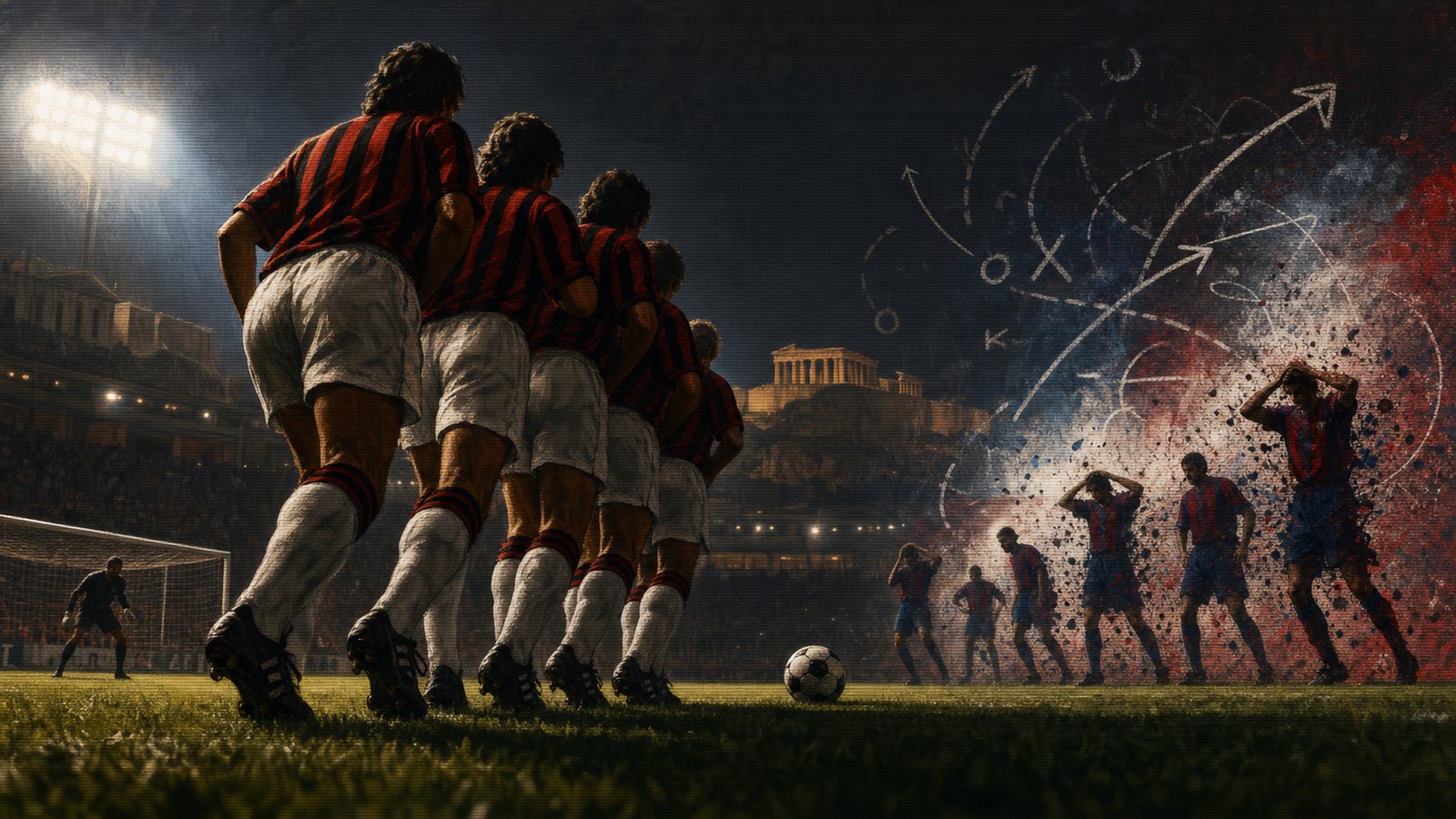
Milan’s 4-0 win over Barcelona in 1994 looked impossible before kickoff, but the final was a tactical trap sprung in public.
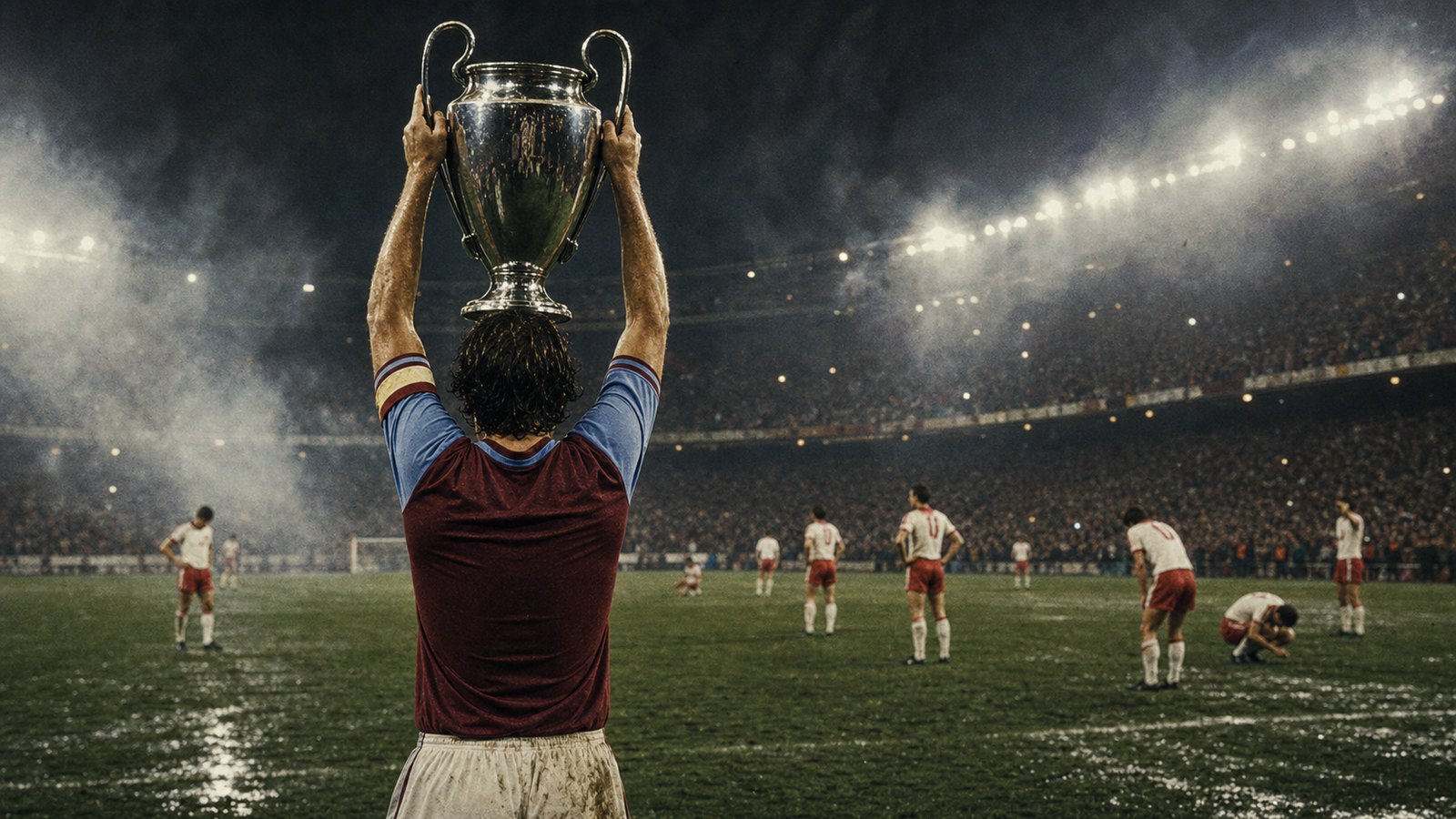
Aston Villa’s 1982 European Cup win was not just a one-night upset. It was a league-winning machine surviving one last European test.
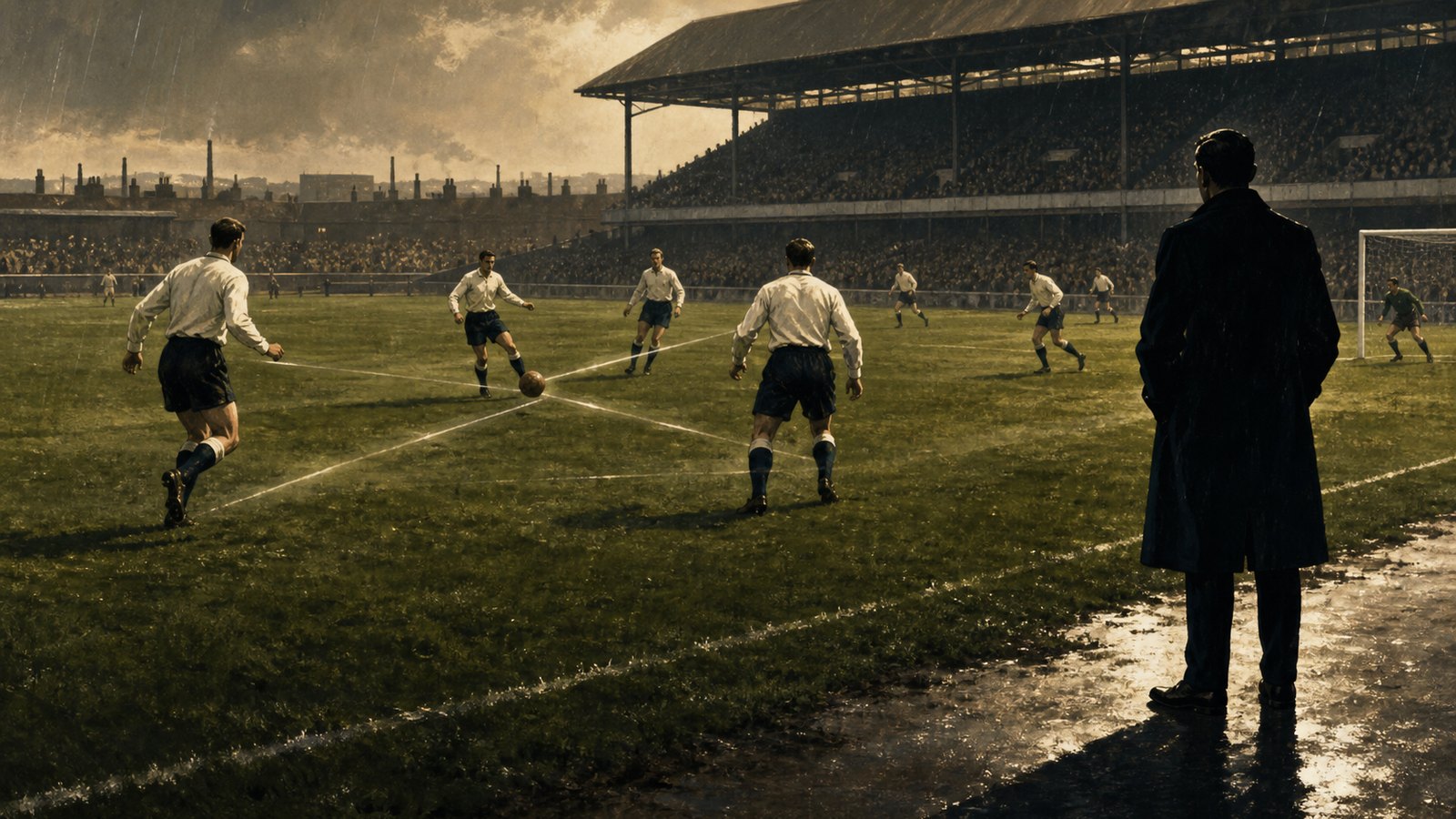
A tactical and cultural reading of Bill Nicholson’s Tottenham Double side as a structured tempo machine, not just nostalgia.
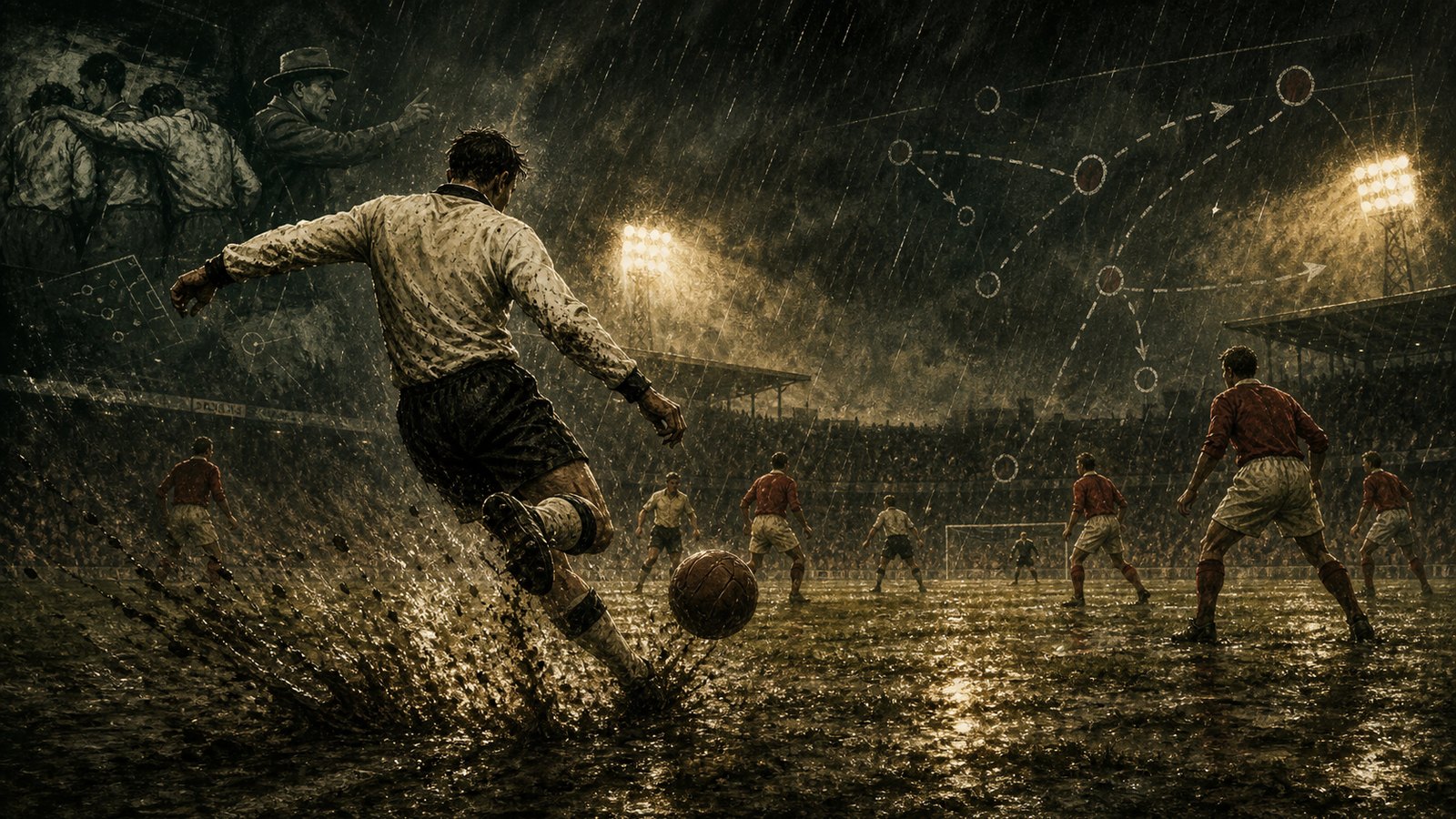
A football-history reading of the 1954 World Cup final as preparation, weather, recovery, and pressure rather than pure miracle.
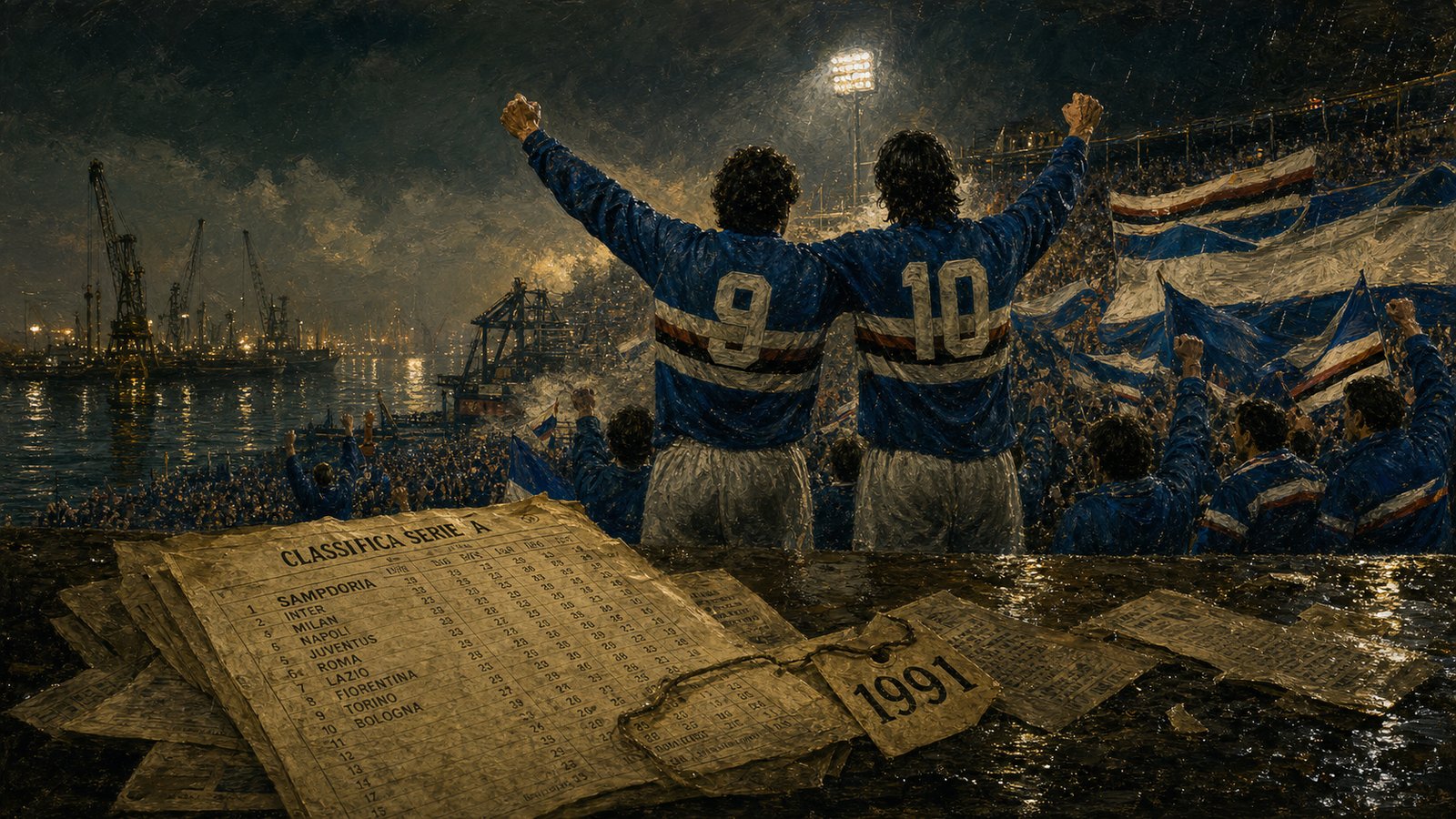
Sampdoria’s 1991 title was not just a Vialli-Mancini romance; it was a tightly managed system that made a smaller giant survive Serie A’s hardest margins.
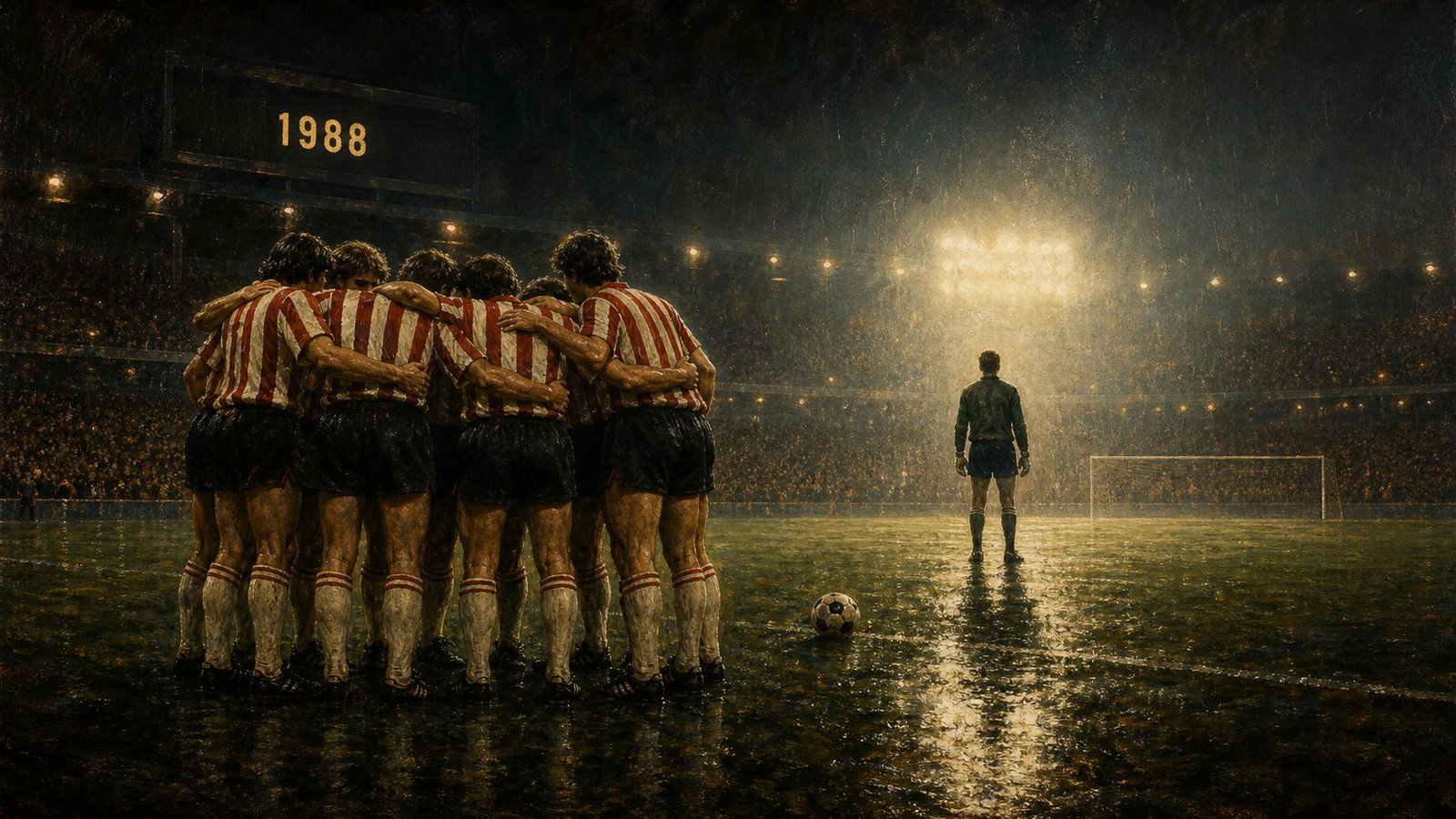
PSV’s 1988 European Cup is often reduced to a 0-0 final and penalties, but the treble reveals a tougher machine of domestic dominance, tournament control, and nerve.