
Before the Silence: Uruguay’s Compact Plan for the Maracanazo
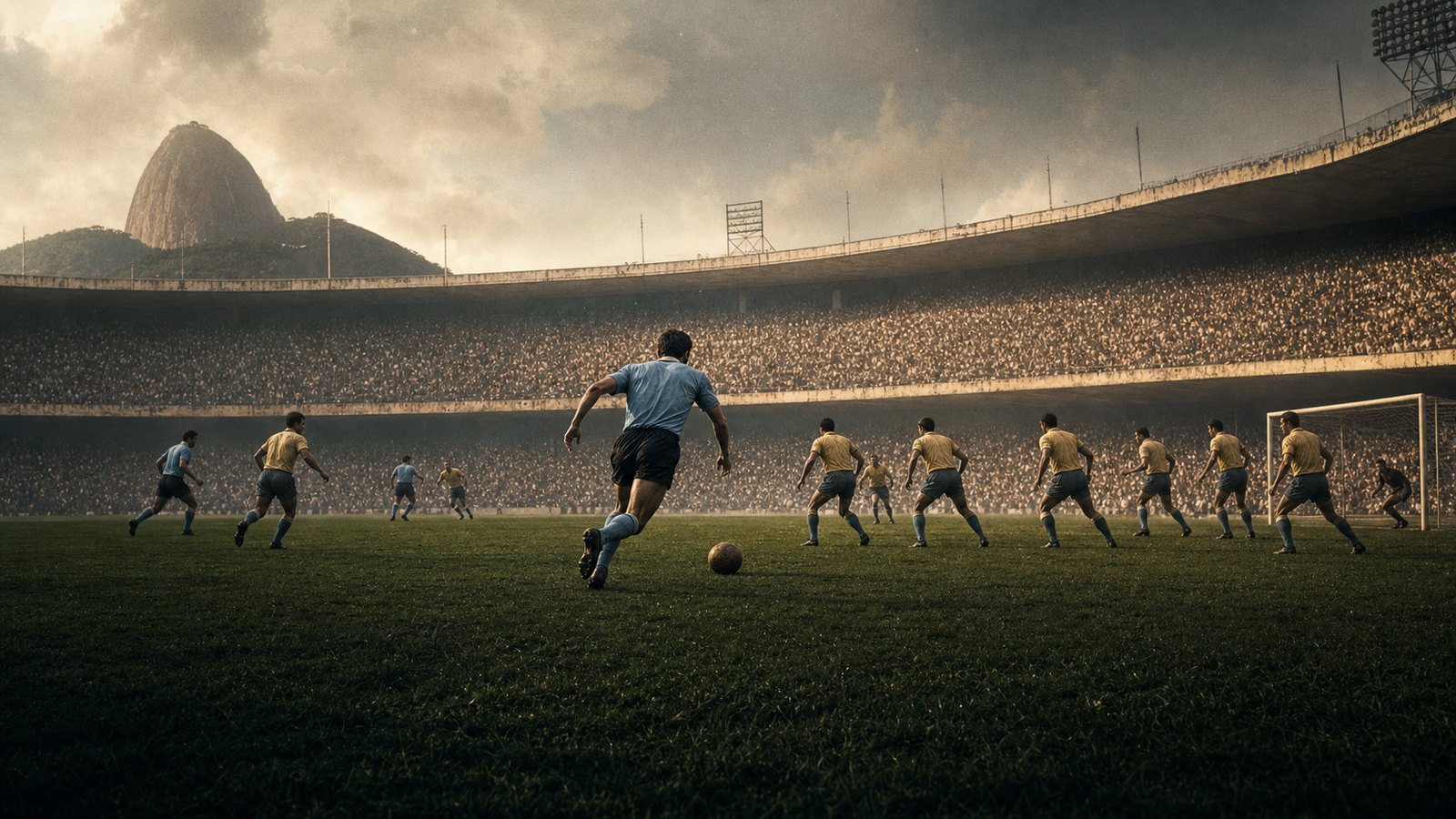
Uruguay’s 1950 shock in the Maracanã was not only crowd silence; it was compact defending, emotional control, and one decisive transition corridor.
 Lawrie
Uruguay’s 1950 shock in the Maracanã was not only crowd silence; it was compact defending, emotional control, and one decisive transition corridor.

Denmark’s Euro 1992 win is remembered as a fairy tale, but the trophy came from a compact tournament machine built under impossible pressure.
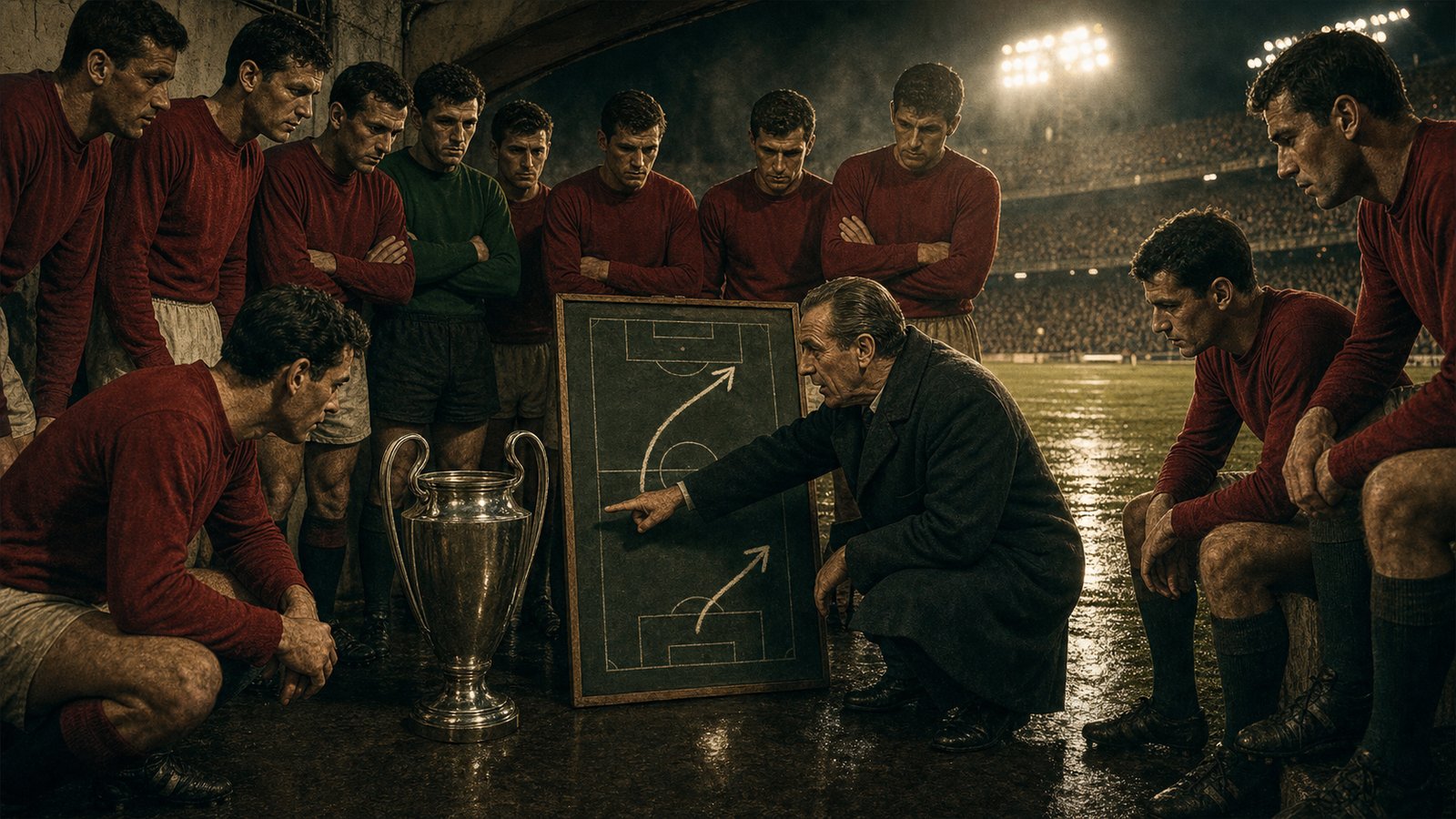
Benfica’s 1962 European Cup final win over Real Madrid was a tactical and psychological handover, not just the beginning of a famous curse legend.

Bulgaria’s 1994 World Cup run was not just a miracle upset. It was a short, dangerous window where qualification trauma, transition play, and elite attackers trapped bigger nations.
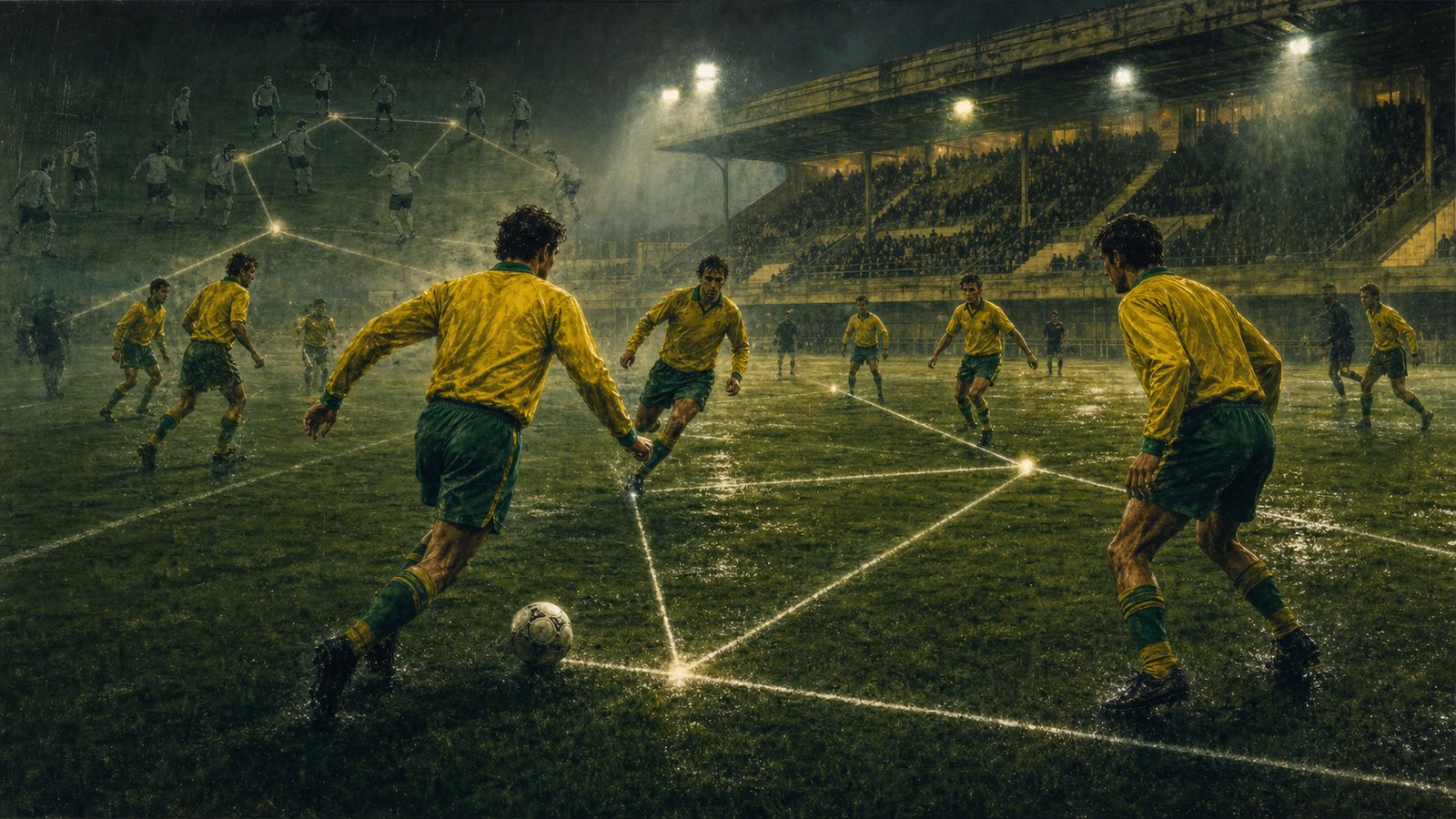
The jeu à la nantaise was not just pretty football; in 1994-95 it became a durable title mechanism.
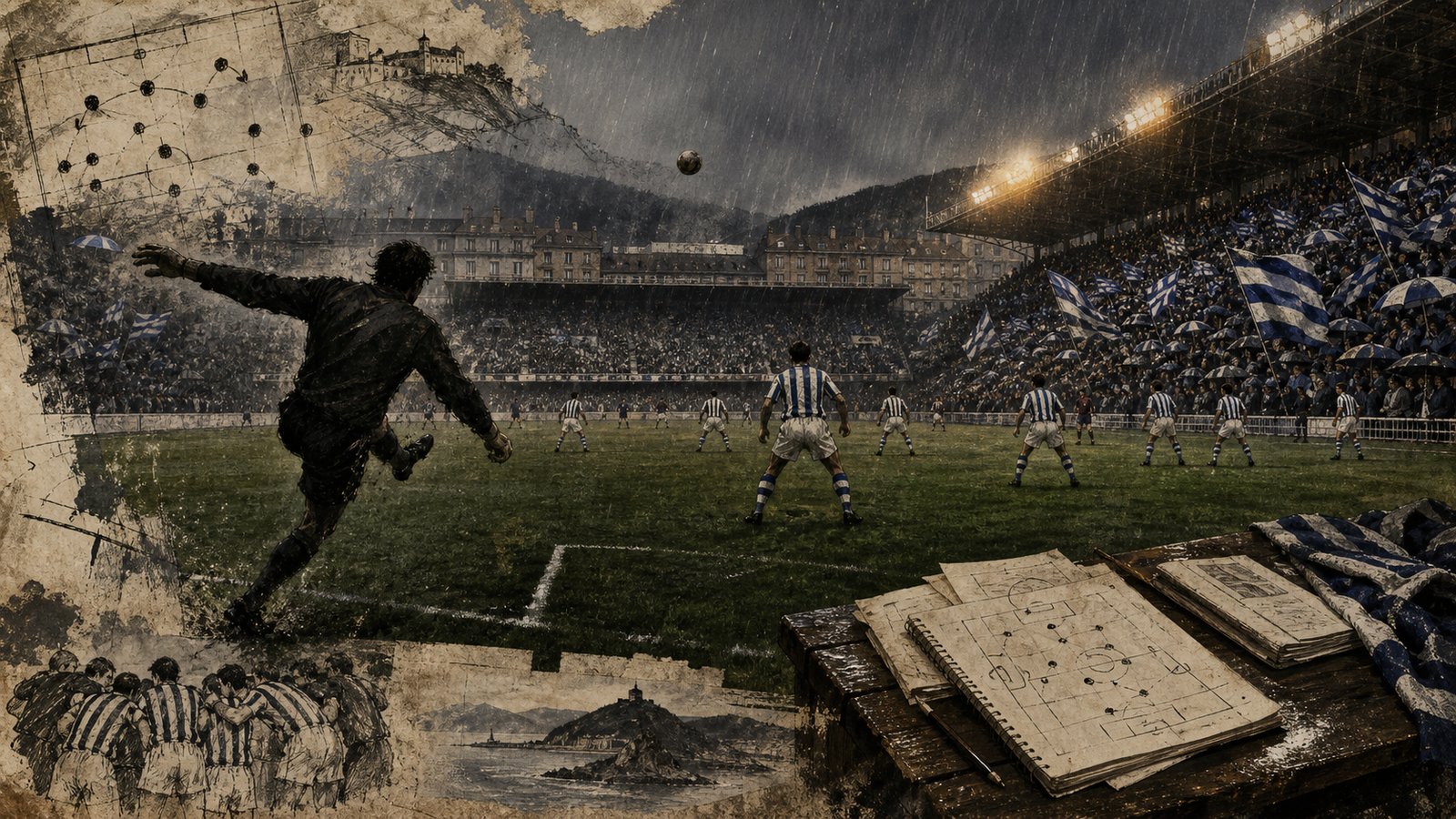
Real Sociedad’s 1981 and 1982 La Liga titles were built from continuity, Atotxa pressure, and local football habits.
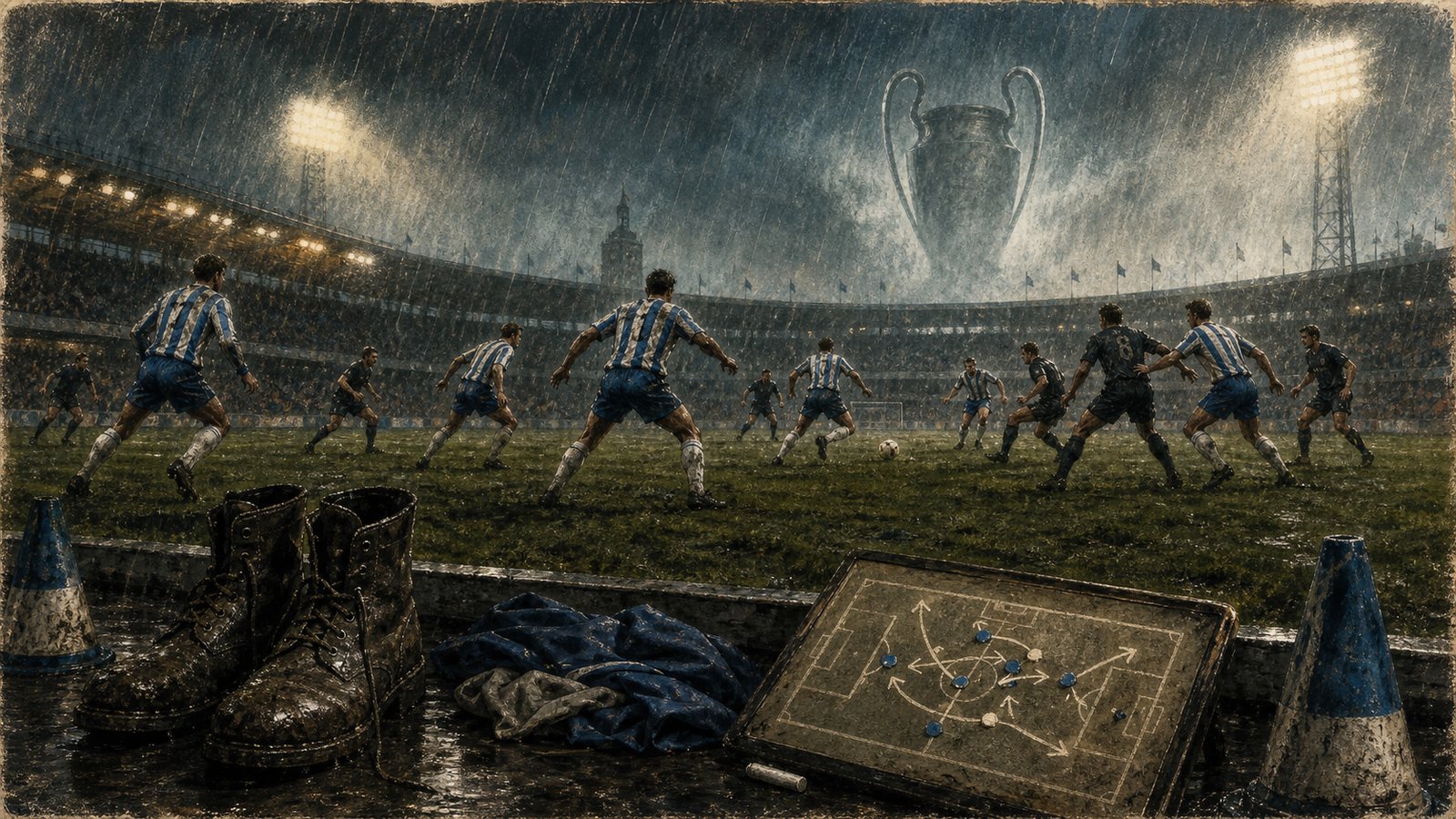
How IFK Göteborg’s UEFA Cup win became a practical lesson in compactness, collective nerve, and underdog structure.

Arsenal’s unbeaten 2003-04 league season is remembered as romance, but the real mechanism was balance: transition threat, game control, and a side built not to panic.

North Korea’s 1966 World Cup shock was built through recovery, compact football and an extraordinary bond with Middlesbrough.
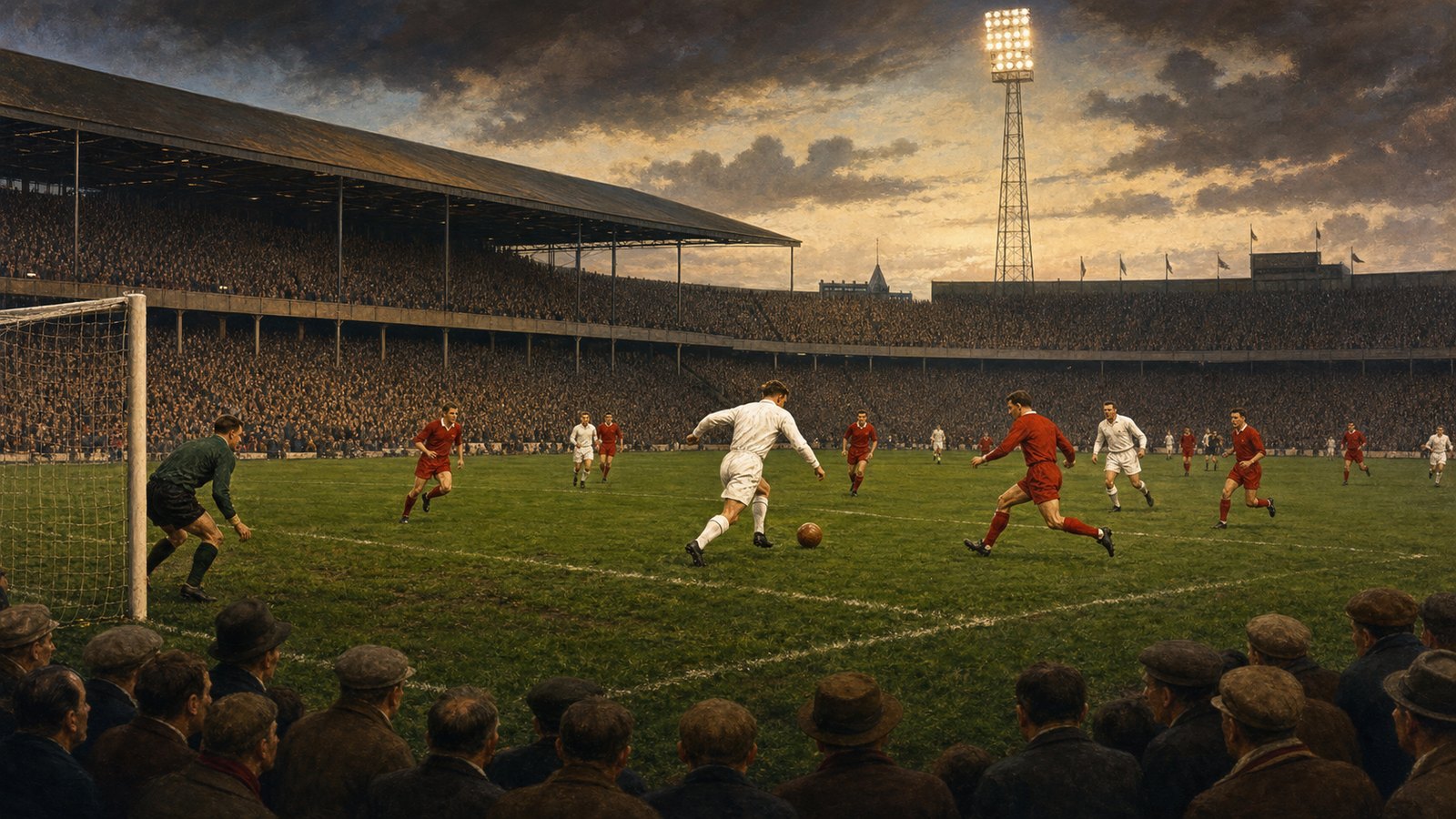
Real Madrid scored seven at Hampden in 1960, but Eintracht Frankfurt’s attacking refusal helped turn the European Cup final into a shared football memory.