
Egil Olsen Took Norway to No. 2 by Measuring Every Route to Goal
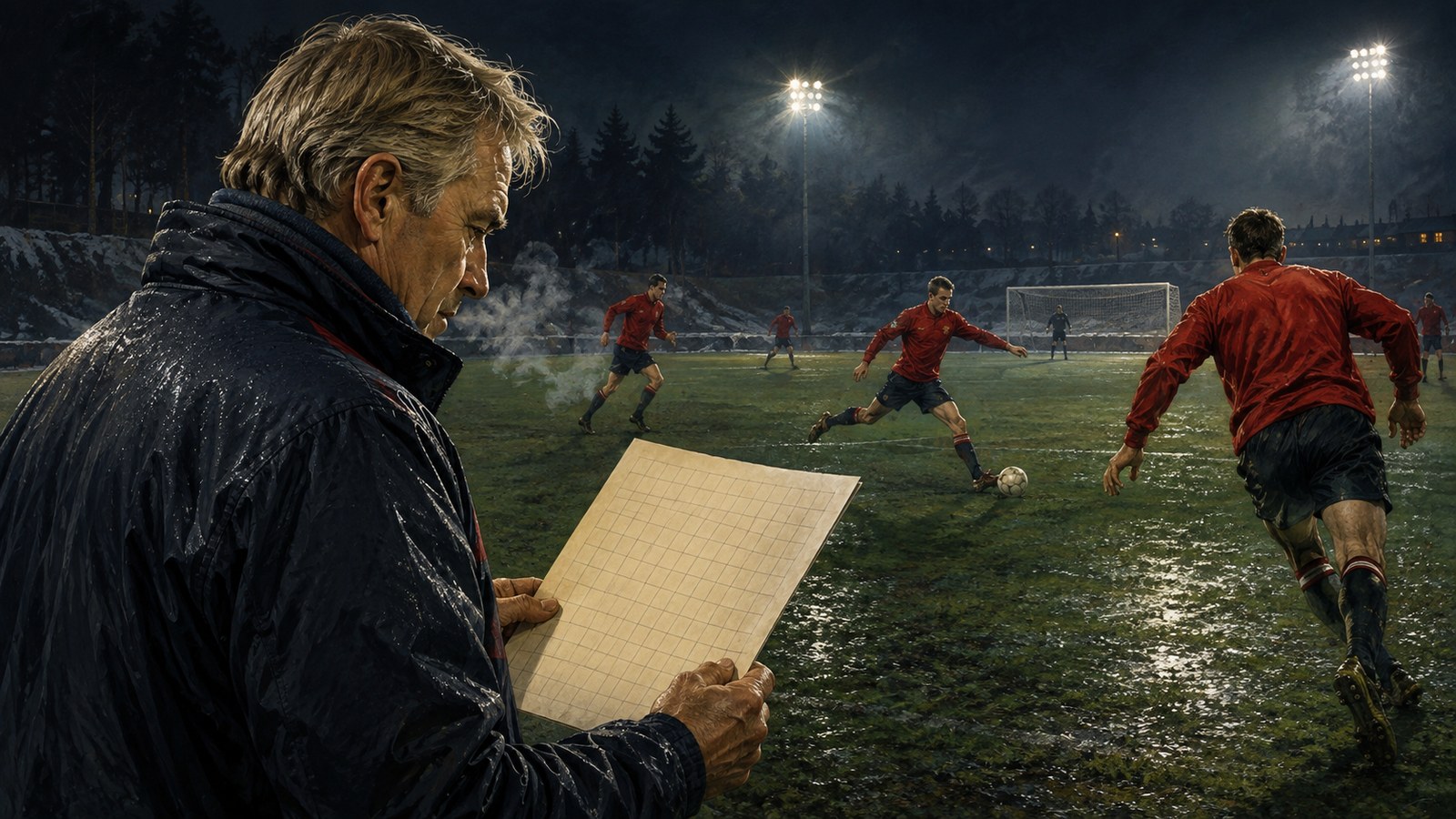
Egil Olsen’s direct Norway used match analysis, zonal defending and a rehearsed diagonal toward Jostein Flo to reach two World Cups and second in FIFA’s ranking.
 Lawrie
Egil Olsen’s direct Norway used match analysis, zonal defending and a rehearsed diagonal toward Jostein Flo to reach two World Cups and second in FIFA’s ranking.
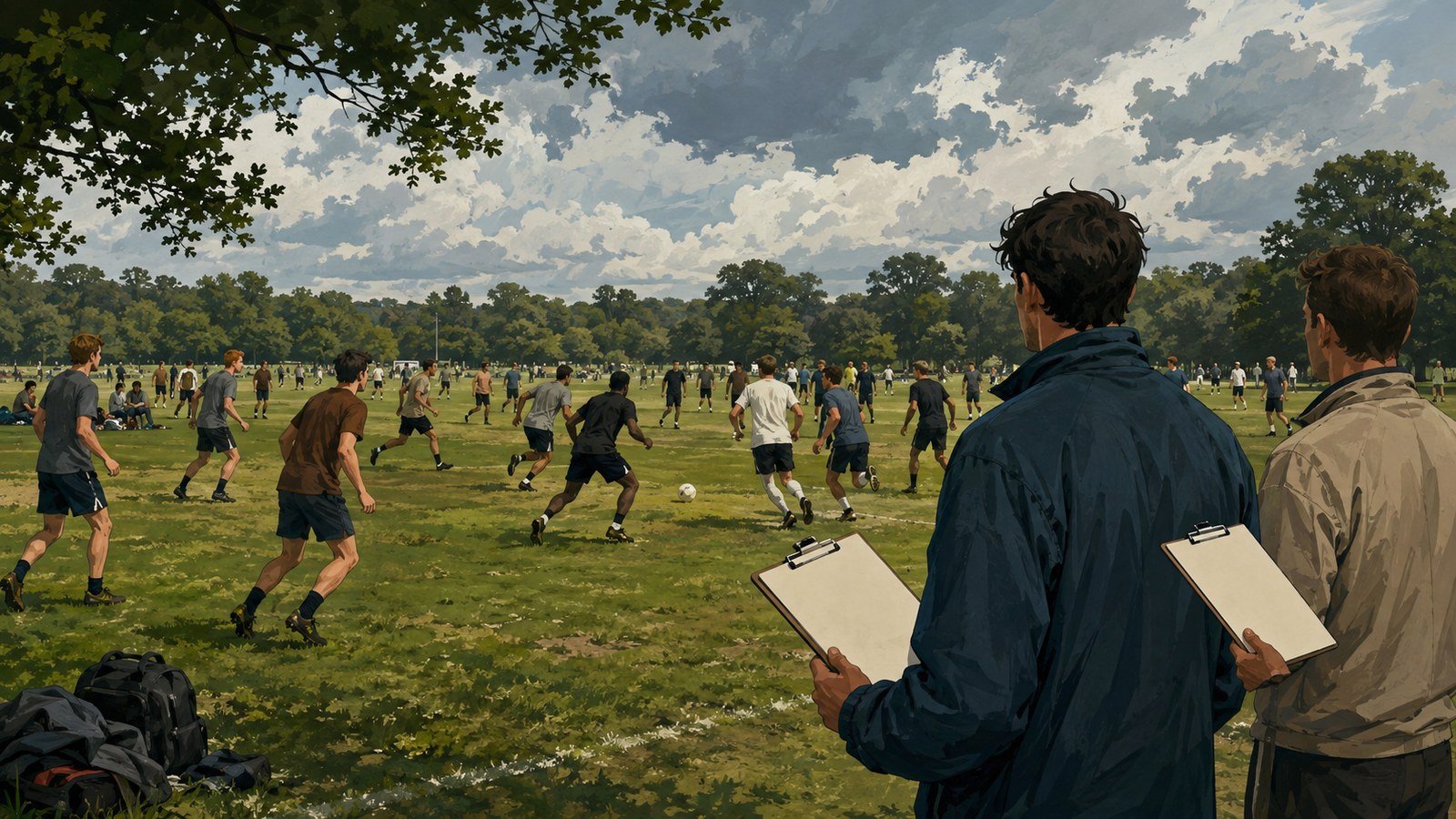
Within a month of the relocation ruling they opposed, Wimbledon supporters had formed a club, hired a manager and invited 230 players to an open trial.
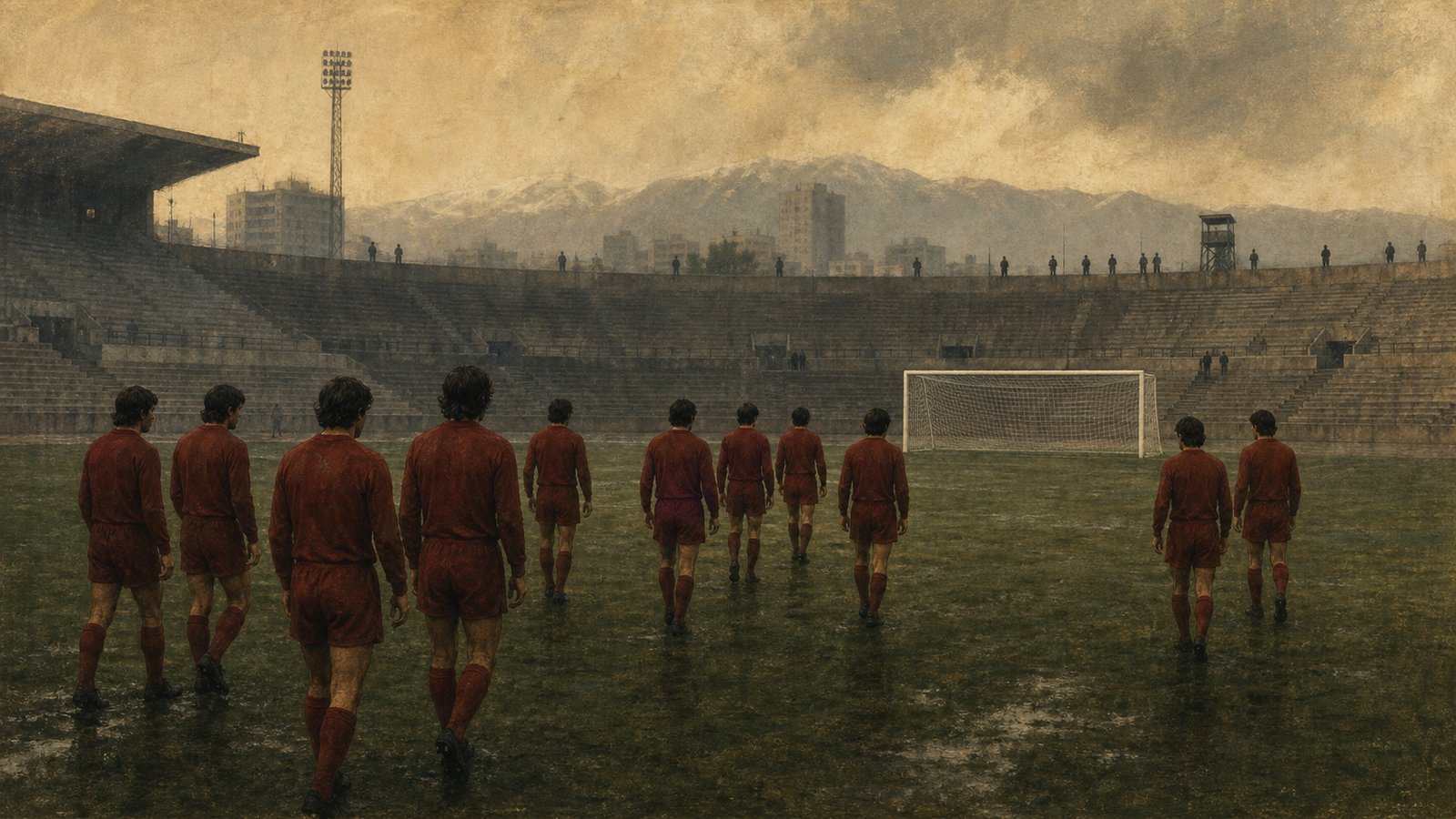
The 1973 Chile–Soviet Union World Cup play-off ended with one team walking toward an undefended goal inside a stadium recently used as a detention centre.
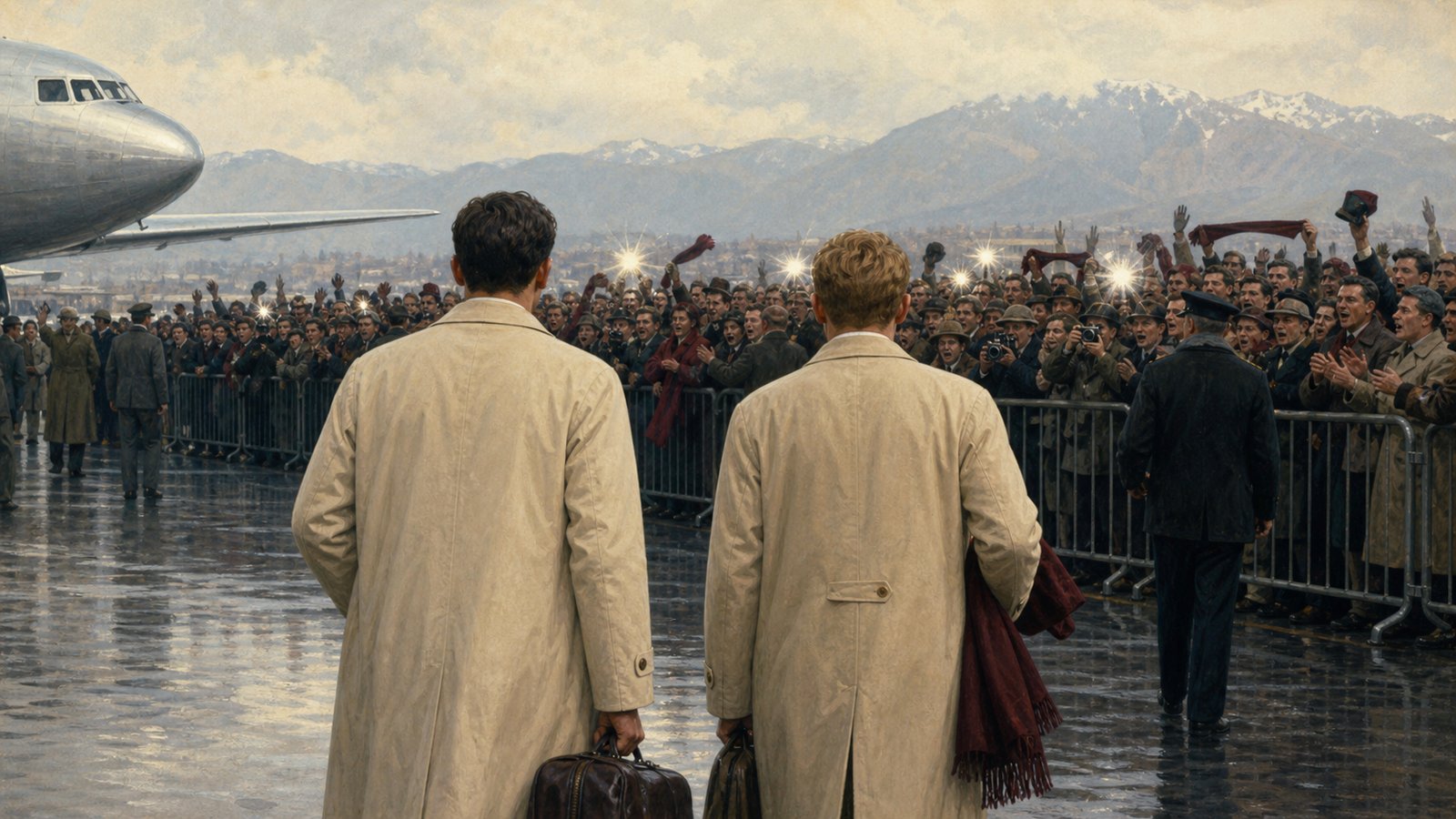
Denis Law’s single season at Torino joined a British-record fee, ten league goals, a near-fatal crash and a final refusal to let the club choose his next destination.
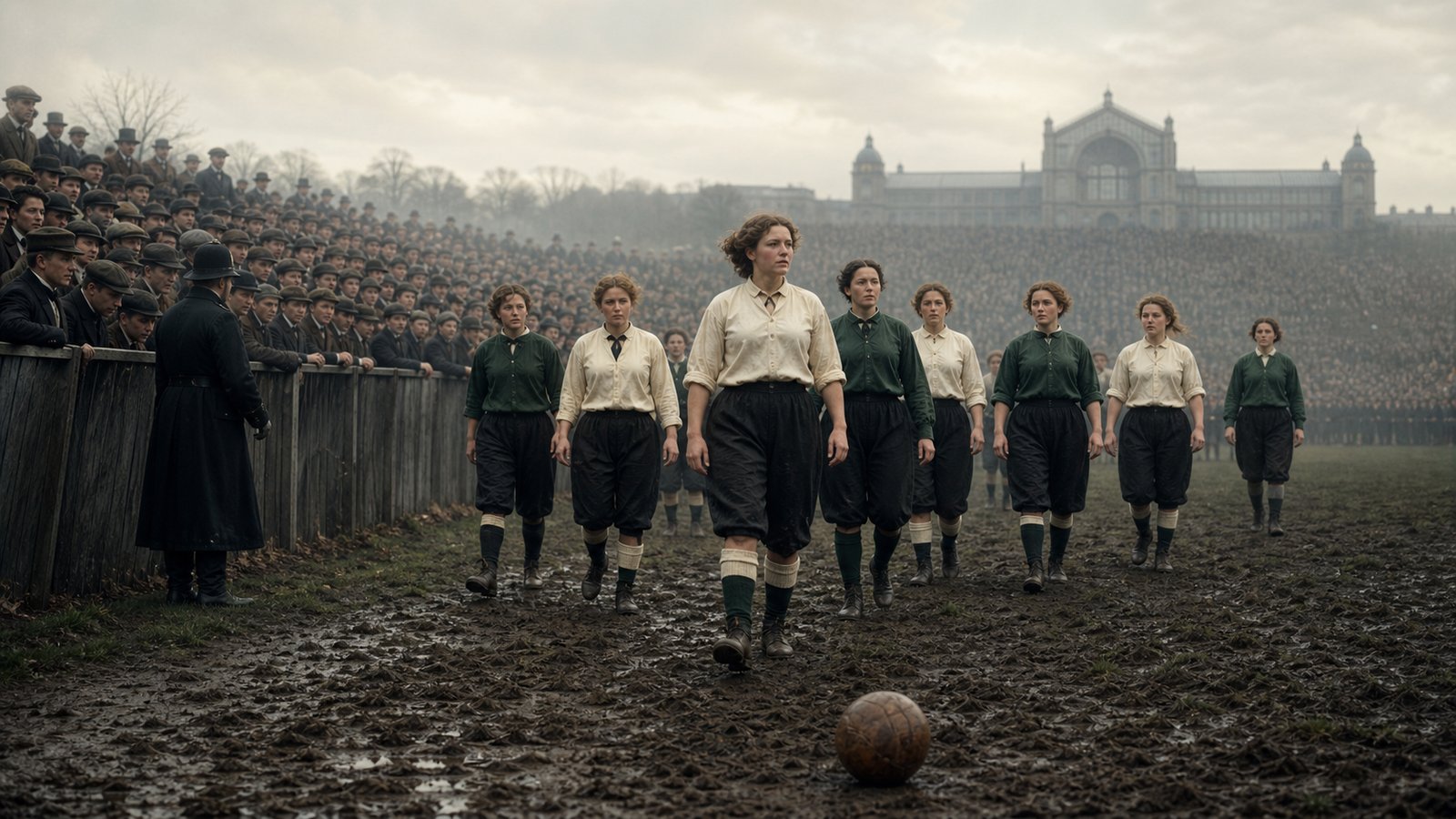
Nettie Honeyball recruited the British Ladies’ Football Club through the press, drew about 12,000 to Crouch End, and discovered how quickly Victorian curiosity could fade.
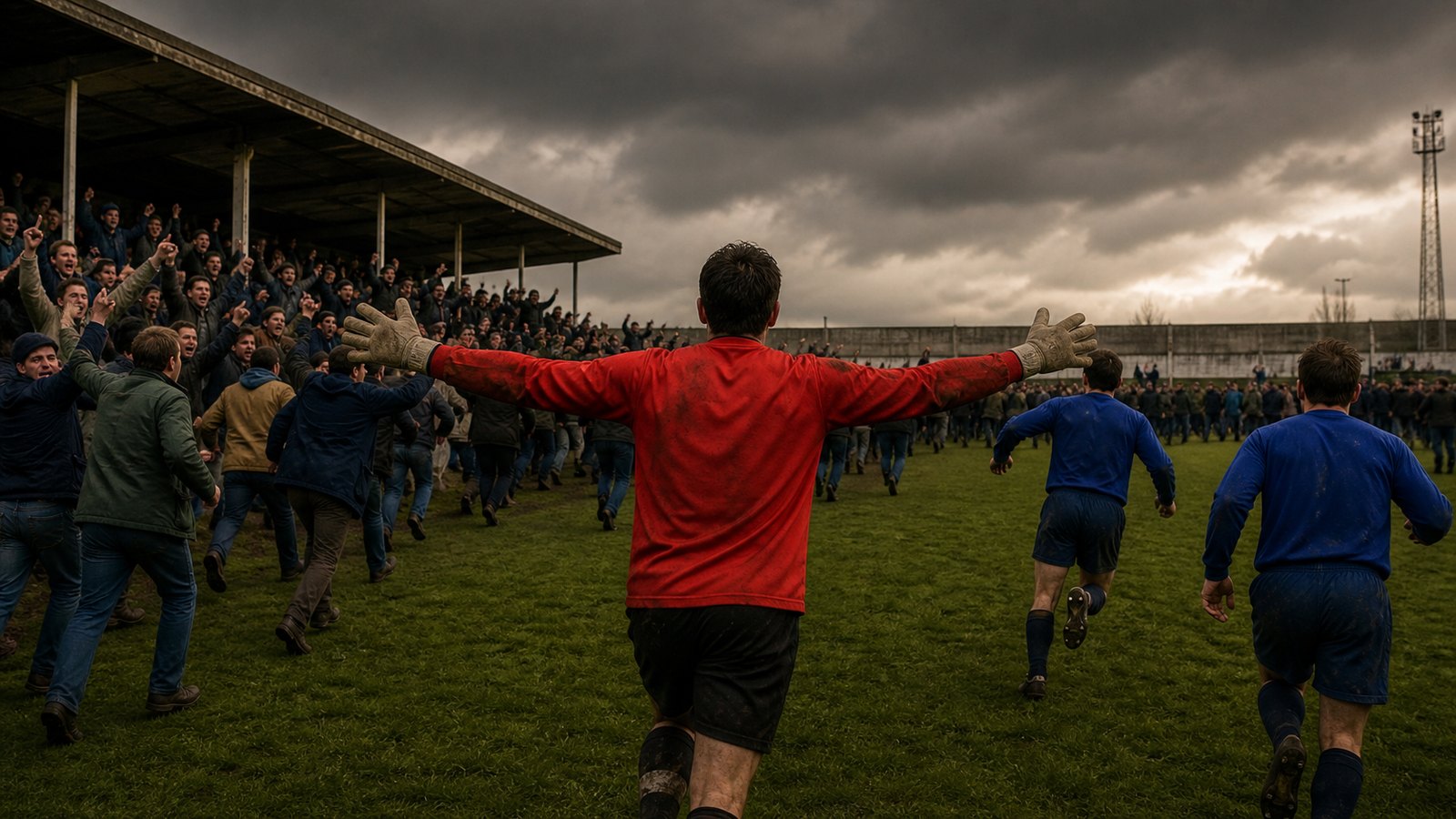
Emergency-loan goalkeeper Jimmy Glass scored from Carlisle United’s final corner in 1999, preserving the club’s Football League status with virtually the last kick.

Wolfsburg’s first Bundesliga title came from heavy investment, a narrow diamond and the record 54-goal partnership of Grafite and Edin Džeko.
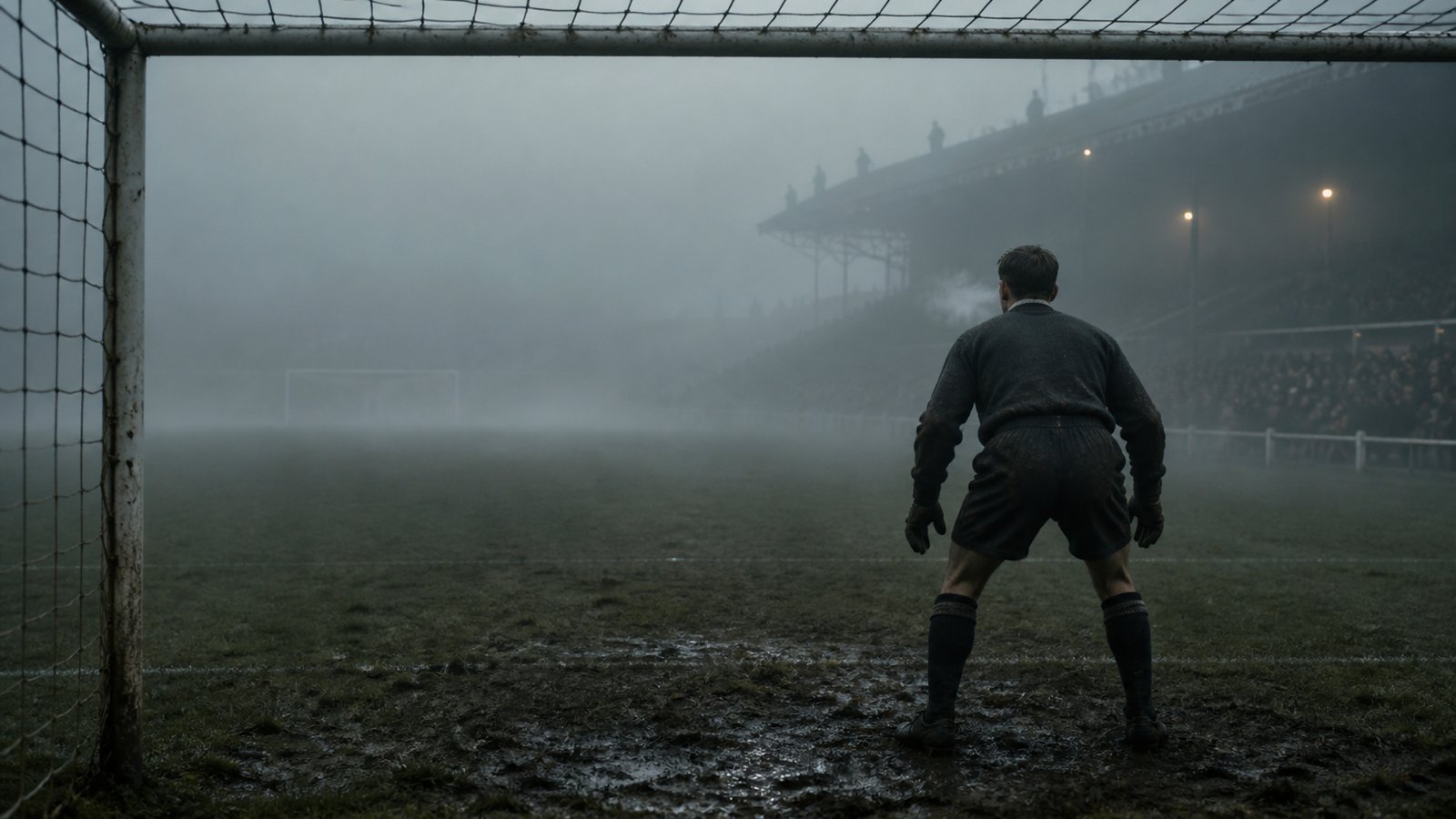
Christmas fog, a missing message and fifteen lonely minutes turned Sam Bartram’s professional concentration into one of football’s best-supported comic stories.
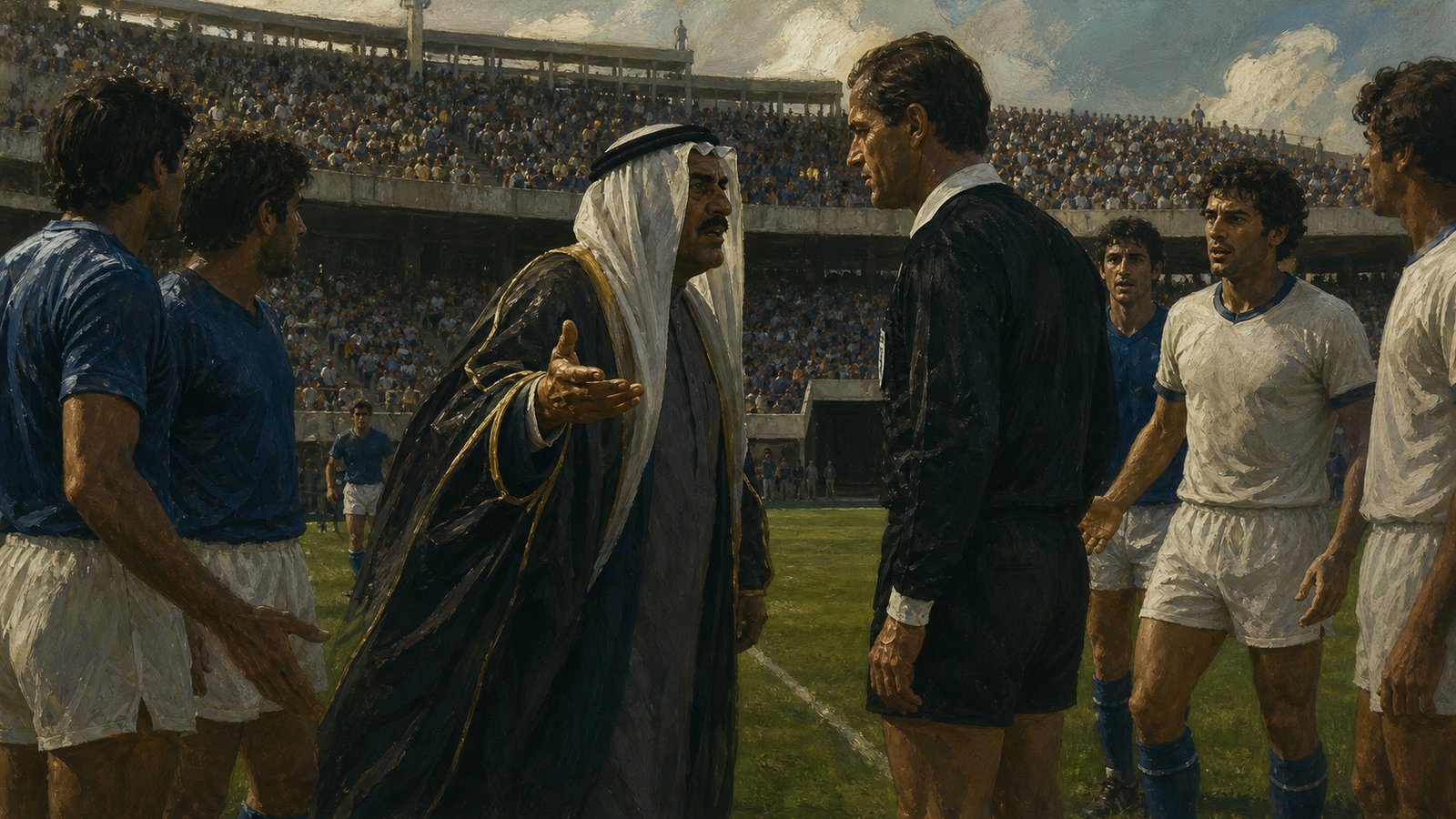
A crowd whistle, a disputed finish and Sheikh Fahad’s walk from the stands created one of the World Cup’s strangest reversals of authority.
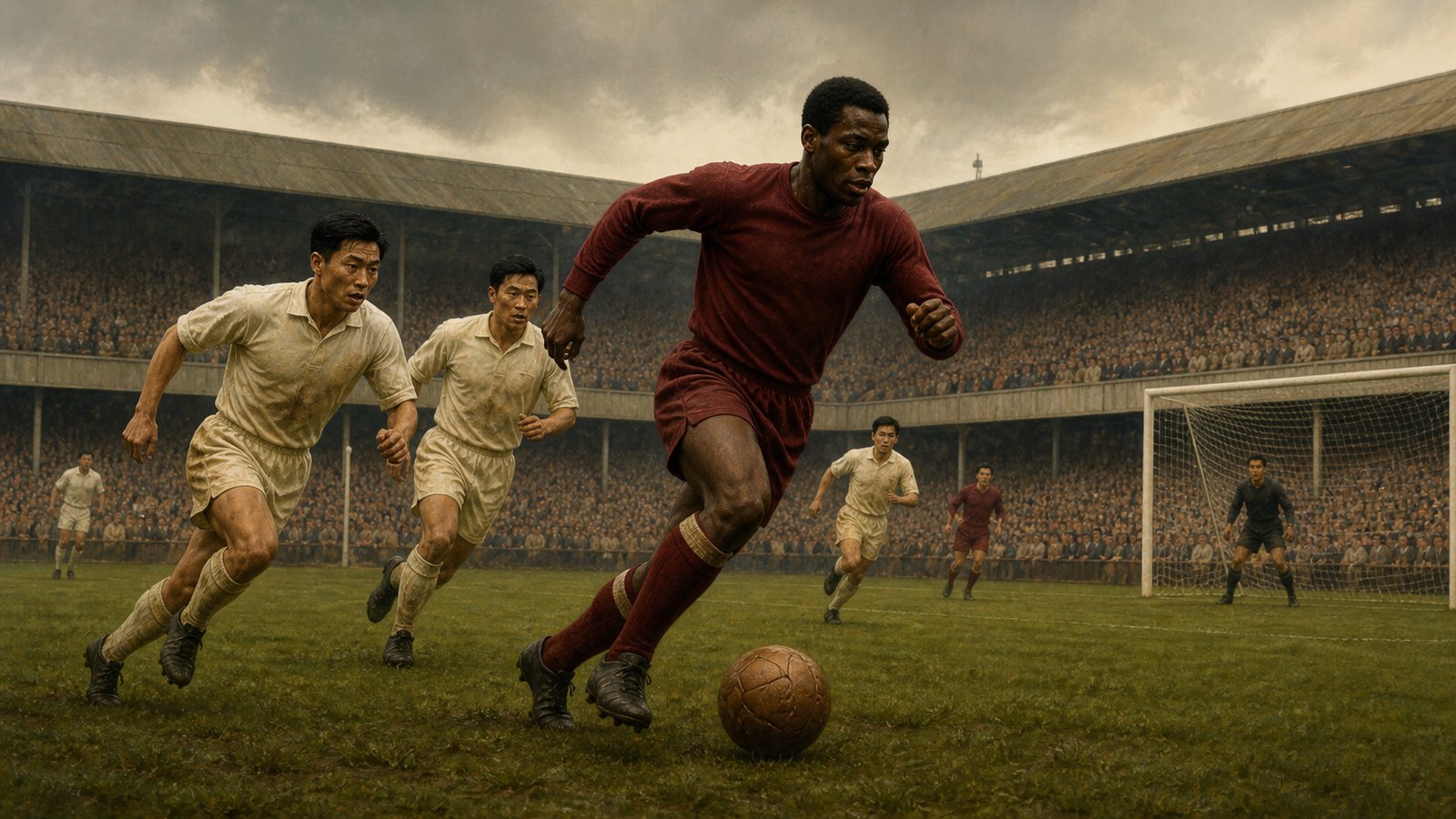
How North Korea raced three goals clear at Goodison Park before Eusébio scored four in Portugal’s 5–3 World Cup quarter-final comeback.