
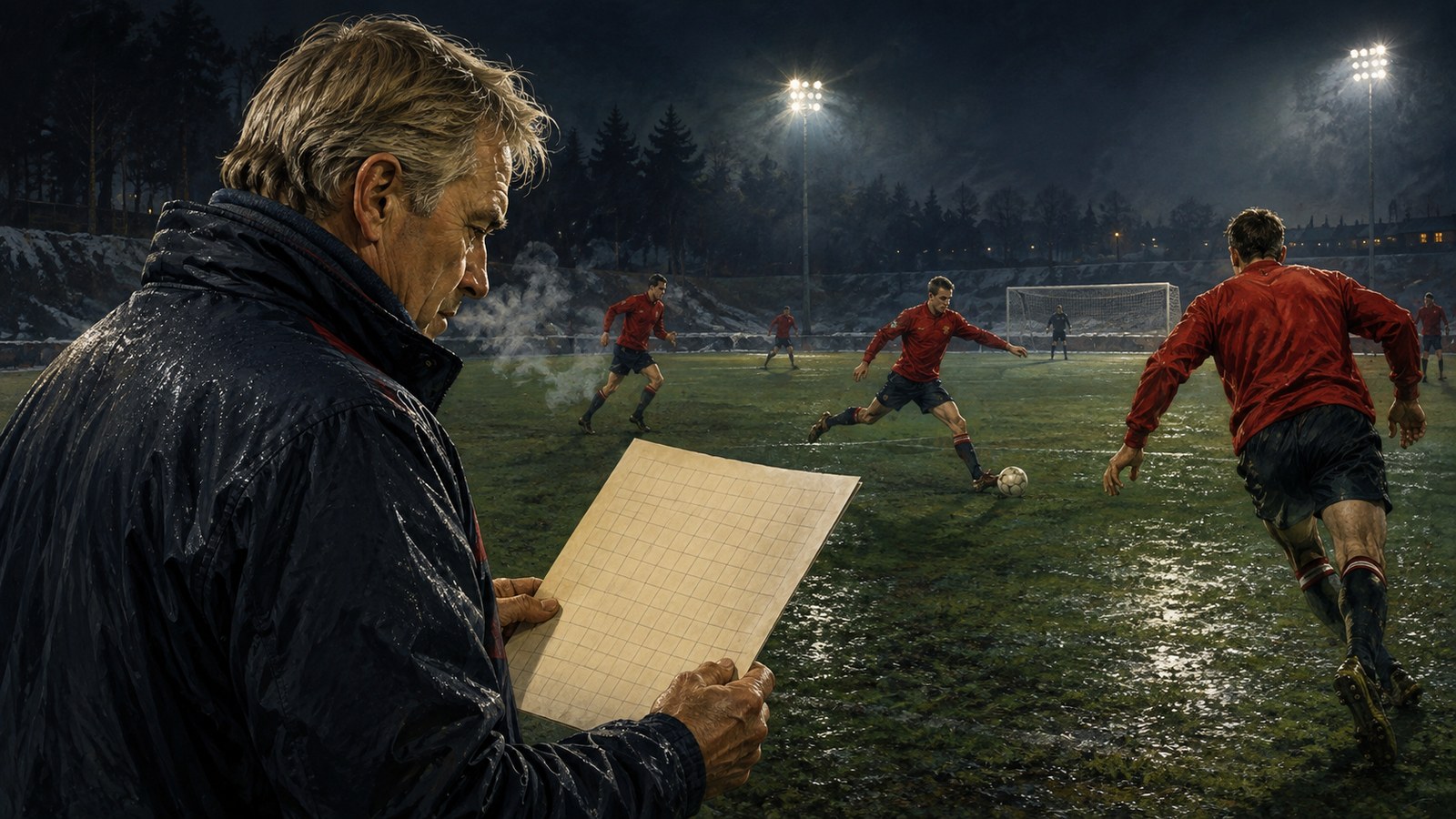
The most famous moment of Norway’s 1998 World Cup arrived late against Brazil. Tore André Flo equalised in the 83rd minute. Kjetil Rekdal converted a penalty near the end, and the defending champions were beaten 2–1 in Marseille. For viewers meeting Norway only on that night, the result looked like a sudden upset. For Egil Olsen, it was the visible return from years of counting, categorising and rehearsing how a smaller football nation could move the match into favourable places.
Olsen did not ask Norway to imitate the teams with the deepest pools of elite technicians. He narrowed the problem. Where were goals most likely to begin? How many passes improved an attack before possession became harmless? Which aerial duel could move the ball past a crowded midfield without turning the next touch into a lottery? His answers produced football that critics often called primitive. The results included two consecutive World Cups and a rise to second place in the FIFA ranking.
A Dribbler Became Norway’s Analyst
Egil Roger Olsen was nicknamed “Drillo” for his own dribbling as a player. He won 16 caps for Norway between 1964 and 1971, operating as a winger rather than the stereotype of the austere coach he later became. His managerial education developed through club work and a long period with Norway’s under-21 side. By the time he took the senior national team in 1990, he was interested less in preserving a national style than in identifying actions that survived scrutiny.
Norwegian analysts collected match information and challenged aesthetic assumptions with event data. Olsen distinguished attacks from effective attacks: possession that reached areas from which a goal became meaningfully possible. A long sequence in safe territory did not become valuable merely because it contained many completed passes.
This language changed coaching sessions. Players could be shown not only where a move failed but why a particular route offered a better probability. The approach was selective rather than universally anti-possession. Norway could keep the ball when that helped, but circulation without penetration did not earn moral credit. The purpose of a pass was judged by the problem it created for the opposition.
The Long Diagonal Needed a Second Action
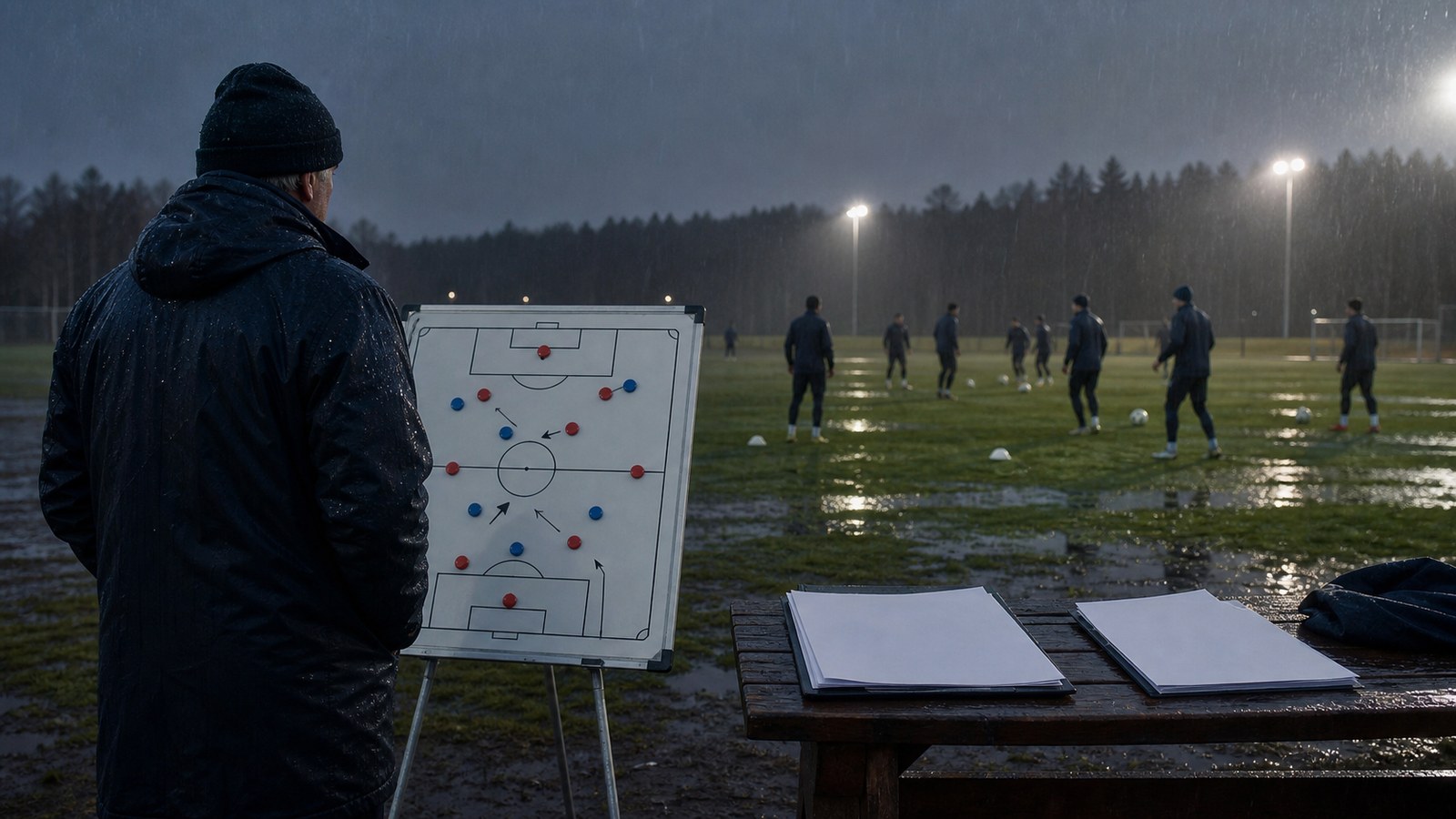
The move most closely associated with Olsen became known as the Flo pass. A left-sided defender, often Stig Inge Bjørnebye, sent a long diagonal toward the tall Jostein Flo on Norway’s right. Flo’s task was not simply to win a hopeful header at goal. Starting wide allowed him to challenge a full-back rather than a central defender, and the team organised around the second ball. Runners knew where the knockdown should land before the pass was struck.
That distinction separates a designed direct attack from an aimless clearance. The first contact mattered, but so did the distances around it. Midfielders pushed close enough to collect a loose touch. The striker occupied central defenders. The opposite flank prepared for the next delivery. Norway accepted the possibility of losing the first duel because it had improved the location and structure of the contest.
Olsen preferred zonal defending and clear roles. A compact 4-5-1 denied central space, guided opponents toward less productive routes and left players positioned for transition. Its value came from repetition. When possession changed, Norway recognised the forward option and moved around it.
Critics heard “long ball” and imagined the abandonment of thought. Olsen front-loaded the thought so that players faced fewer improvised decisions afterward. A prepared pass into an advantageous duel could be more useful than several short passes that allowed the defence to settle.
Qualification Changed the Scale of the Evidence
Norway had not appeared at a World Cup since 1938 when Olsen began the 1994 qualification campaign. The team reached the finals in the United States from a group containing the Netherlands, England, Poland, Turkey and San Marino. England were beaten 2–0 in Oslo in June 1993, a result accompanied by commentator Bjørge Lillelien’s successor-era sense that a familiar hierarchy was shifting again. Norway finished above both the Dutch and the English.
The finals showed the narrow margins inside Olsen’s method. Norway beat Mexico 1–0 through a late Rekdal goal, lost 1–0 to Italy and drew 0–0 with the Republic of Ireland. All four teams in the group finished on four points. Norway were eliminated because they scored only once. The structure had made them extremely difficult to beat, but the same tournament supplied a precise warning: suppressing risk could leave too few routes back when the table turned on goals scored.
Olsen did not abandon the approach. Norway qualified again for France 1998. Between the tournaments the national side climbed as high as number two in FIFA’s ranking. The peak accompanied repeatable results across an eight-year managerial spell.
Marseille Supplied the Goal Sequence
Norway entered its final 1998 group match after draws with Morocco and Scotland. Brazil had already qualified, yet its lineup still contained Rivaldo, Bebeto, Roberto Carlos and Ronaldo. For most of the evening, the pattern appeared insufficient. Bebeto scored in the 78th minute, leaving Olsen’s team less than a quarter-hour from elimination.
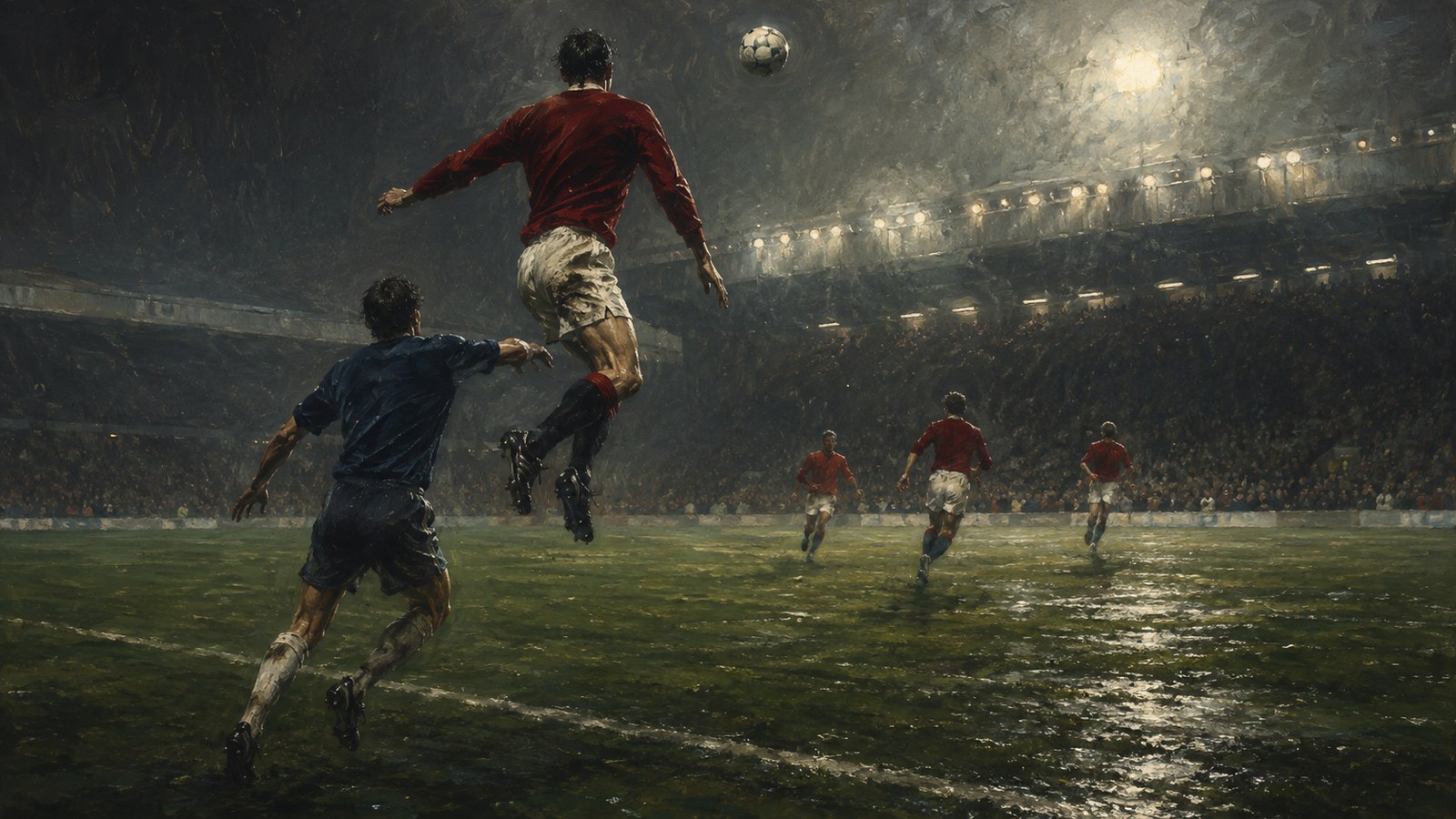
Flo answered five minutes later. He received near the right side of the penalty area, used his body to protect the ball and finished across Cláudio Taffarel. Then, as Norway sent another attack toward him, Júnior Baiano pulled at his shirt. The referee awarded a penalty that television replays initially made controversial; a later camera angle showed the offence clearly. Rekdal struck low to score in the 89th minute.
The decisive locations were familiar. A tall right-sided forward received the ball in a zone Norway had targeted for years. Support arrived and the defence turned toward its own goal. Brazil’s match situation shaped the contest, but knowing the route did not guarantee that a full-back could control its second action.
Norway advanced and then lost 1–0 to Italy in the round of 16. As in 1994, one goal ended the tournament. Olsen left the national job after France with a record that had changed the country’s expectations. Norway’s qualification drought, stretching back to the 1930s, had been replaced by consecutive appearances.
A Tactical Argument About Evidence
Olsen’s approach belongs beside Dynamo Kyiv’s measurement-led pressing work, though the attacking conclusions were different. Both treated observation as a coaching tool rather than a post-match decoration. Numbers did not select the lineup by themselves. They helped the coach define which behaviours deserved training time.
There is also a useful contrast with Austria’s use of a wandering centre-forward. Austria created uncertainty by drawing defenders away from familiar reference points. Norway sought clarity: move the ball quickly toward an identified duel, compress the supporting distances and contest the next touch with numbers. One approach multiplied options; the other reduced them deliberately.
The weakness of the Norwegian plan was visible whenever an opponent forced Norway to create slowly against a set defence. The strengths were equally plain. International coaches receive limited training time and cannot buy a missing position. Olsen provided a vocabulary that players could absorb quickly, roles that survived personnel changes and a match plan that did not depend on dominating possession.
Second in the Ranking, Never Second in Style
Debates about Olsen often became arguments over beauty because his football made its priorities unusually explicit. He was willing to lose approval for bypassing midfield if the data and opponent suggested that the bypass improved Norway’s chance. That confidence could harden into dogma, and his later spell at Wimbledon showed that a national-team solution could not simply be transplanted into every club setting.
The first Norway tenure nevertheless resists dismissal as a temporary trick. Eight years, two qualifications and a ranking peak require opponents to see the pattern many times. The Flo pass remained useful because it was not one pass. It was an agreement among the passer, target and surrounding runners about what the next two touches should become.
The 2–1 victory over Brazil survives because upsets make cleaner memories than spreadsheets. Underneath it sat Olsen’s more demanding idea: a smaller nation could decide which parts of football it could measure, train and repeat better than richer opponents. Norway did not reach number two by hiding its intentions. It reached number two by making familiar intentions difficult to stop.

Sources
Store norske leksikon; Football Coach Norway; Soccer & Society; The Independent; BBC Sport; FIFA tournament records.