
Leyton Orient Fans Stopped Their Own Match in the 85th Minute
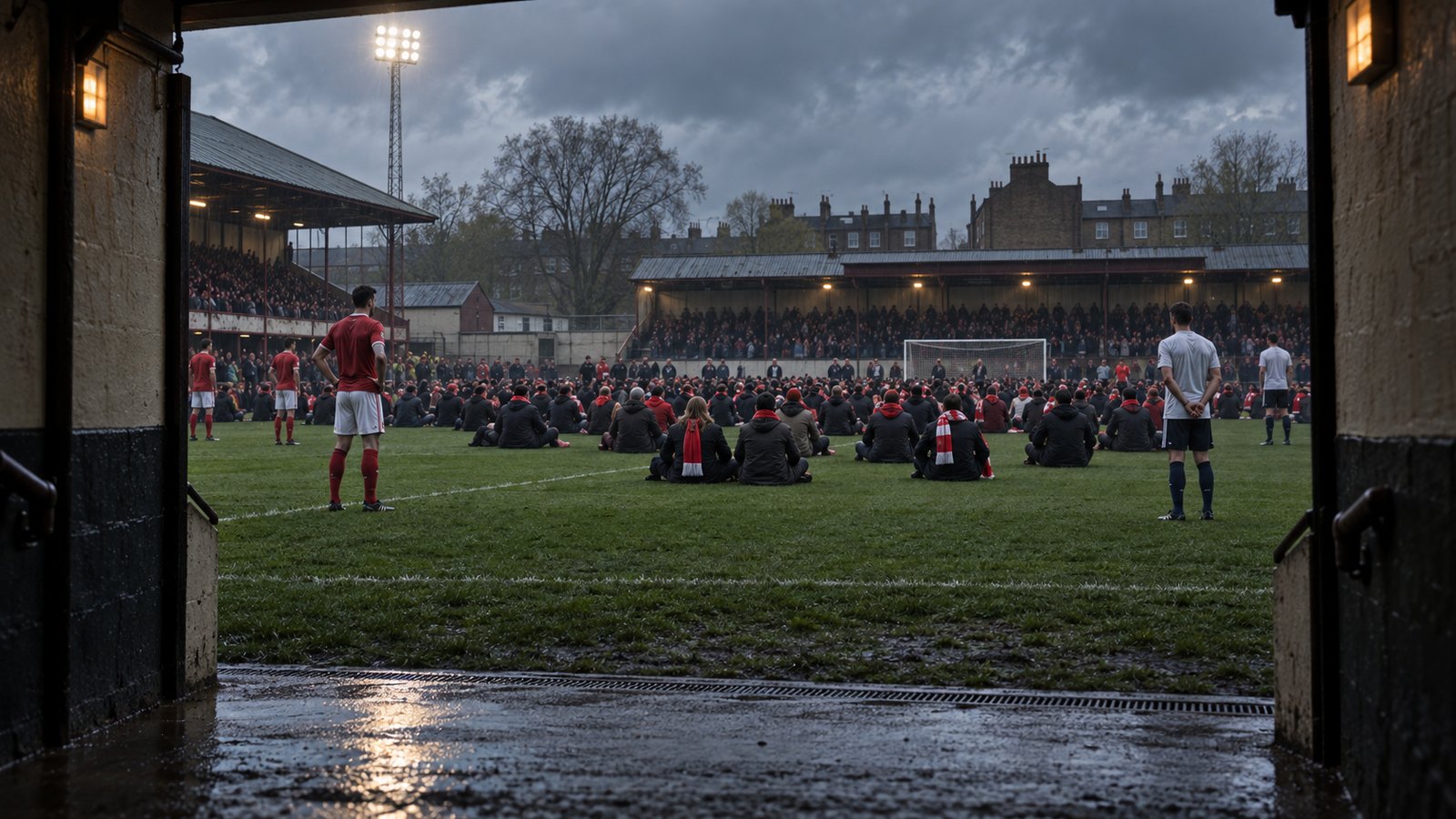
In April 2017, a peaceful pitch occupation forced Leyton Orient’s match with Colchester to stop, empty and restart nearly two hours later.
In April 2017, a peaceful pitch occupation forced Leyton Orient’s match with Colchester to stop, empty and restart nearly two hours later.
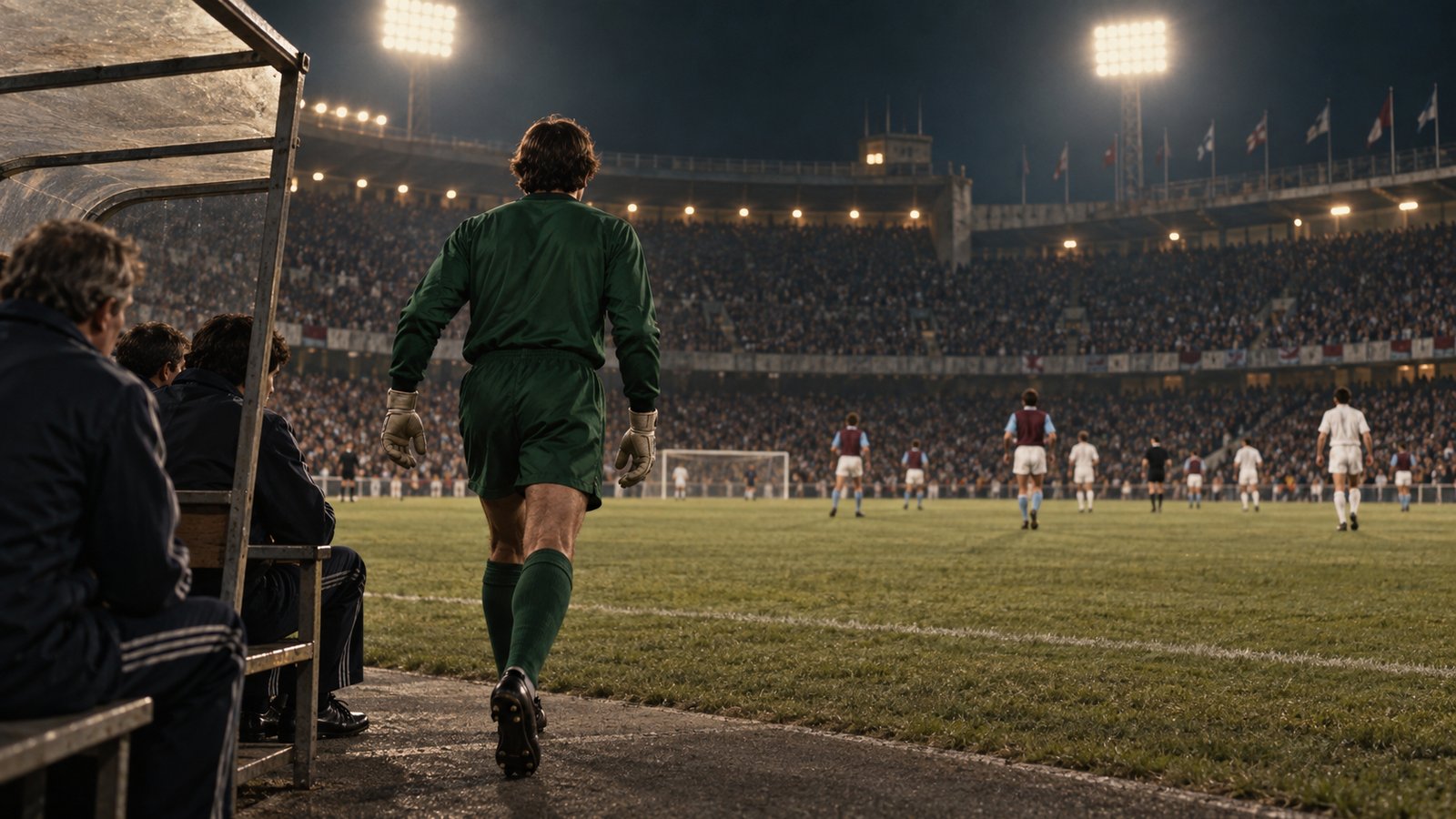
Nine minutes into the 1982 European Cup final, Aston Villa turned to a 23-year-old reserve goalkeeper who had played one senior match.

A British-record transfer brought Juventus a centre-forward who read the game like the centre-half he had once been.
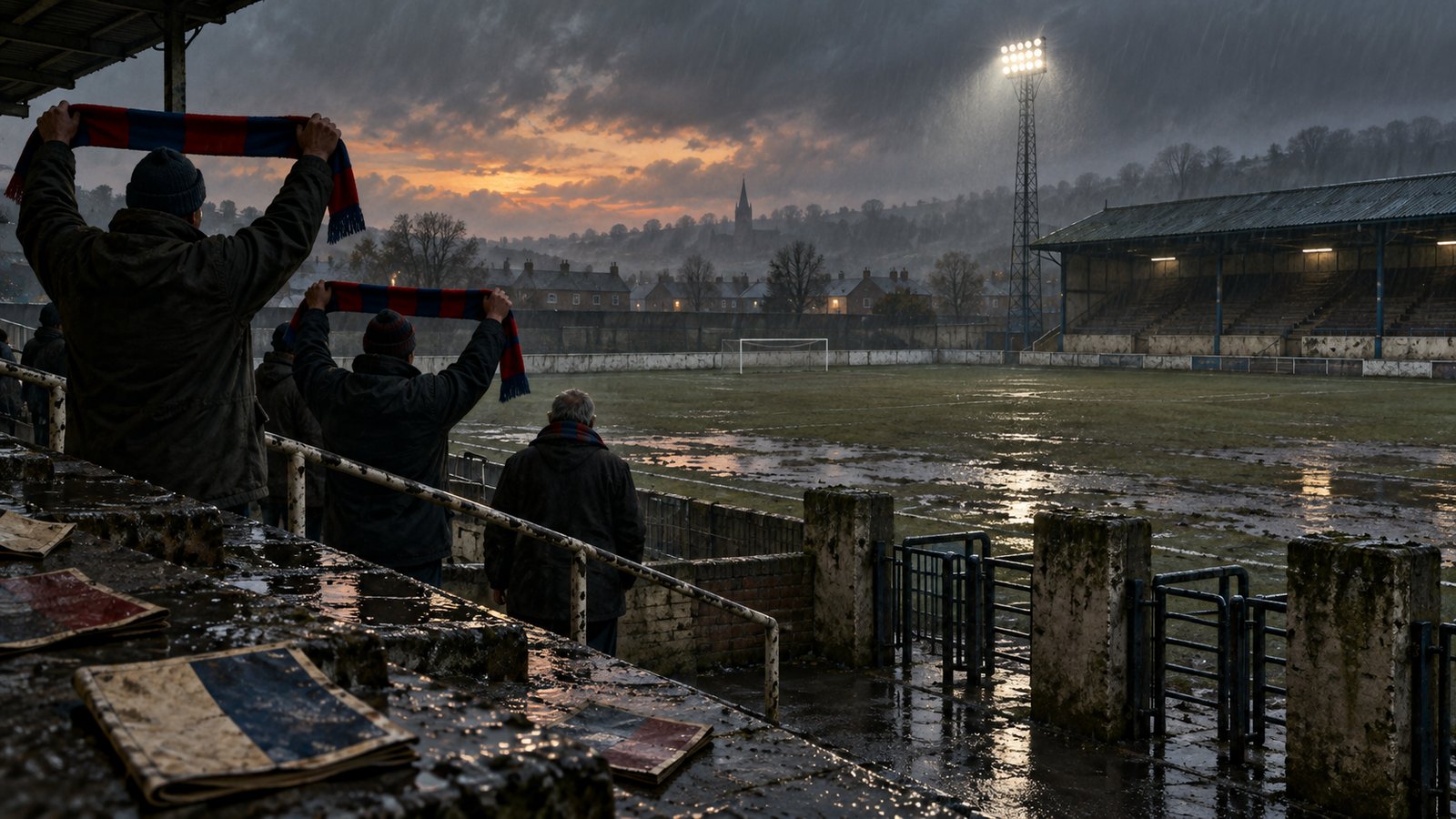
Five days after a defeat at Cardiff, Aldershot was wound up and its entire 36-match Football League record disappeared from the table.
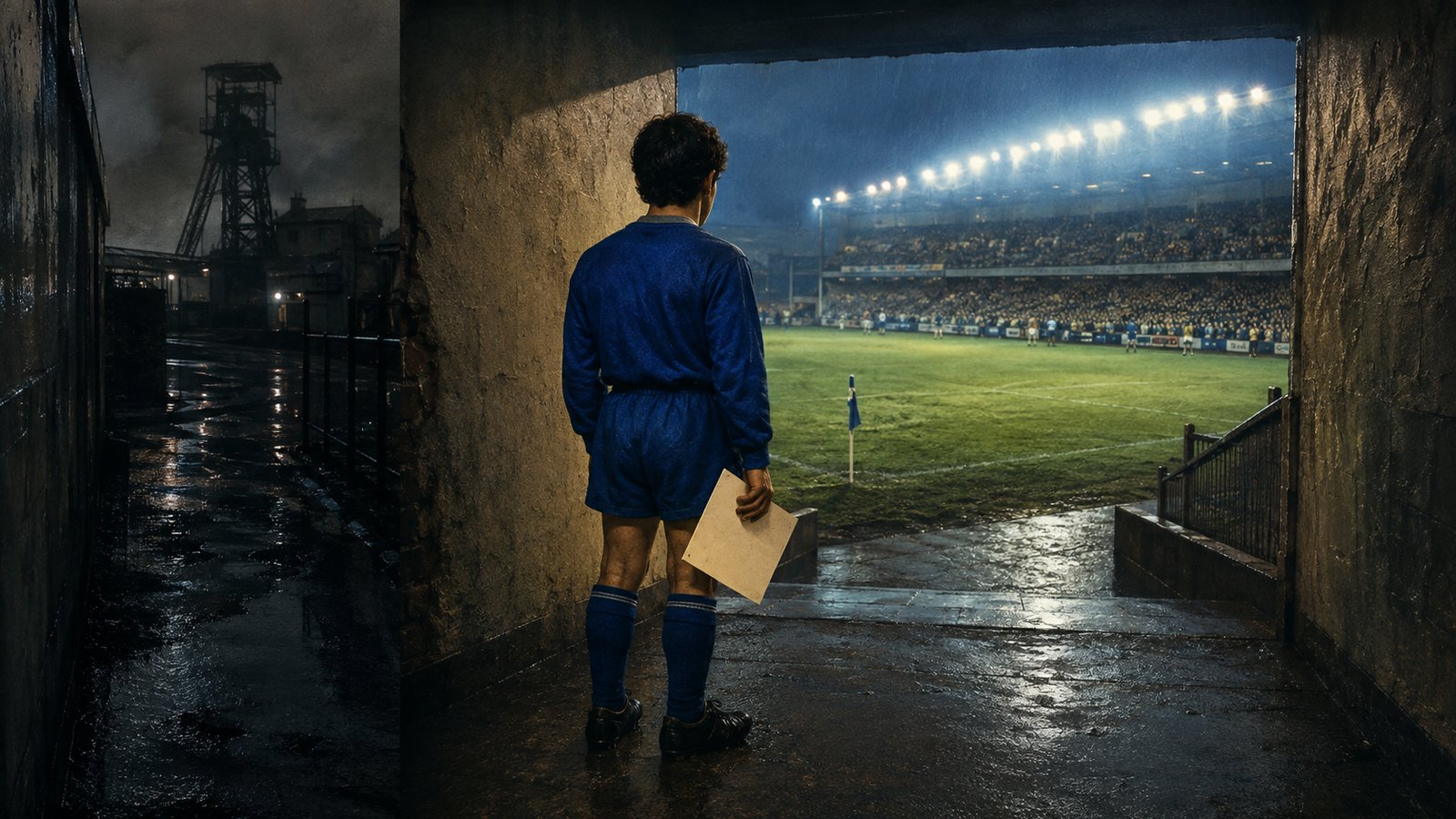
In 1963, France’s first Ballon d’Or winner used his fame to confront contracts that could bind players to one club for their careers.
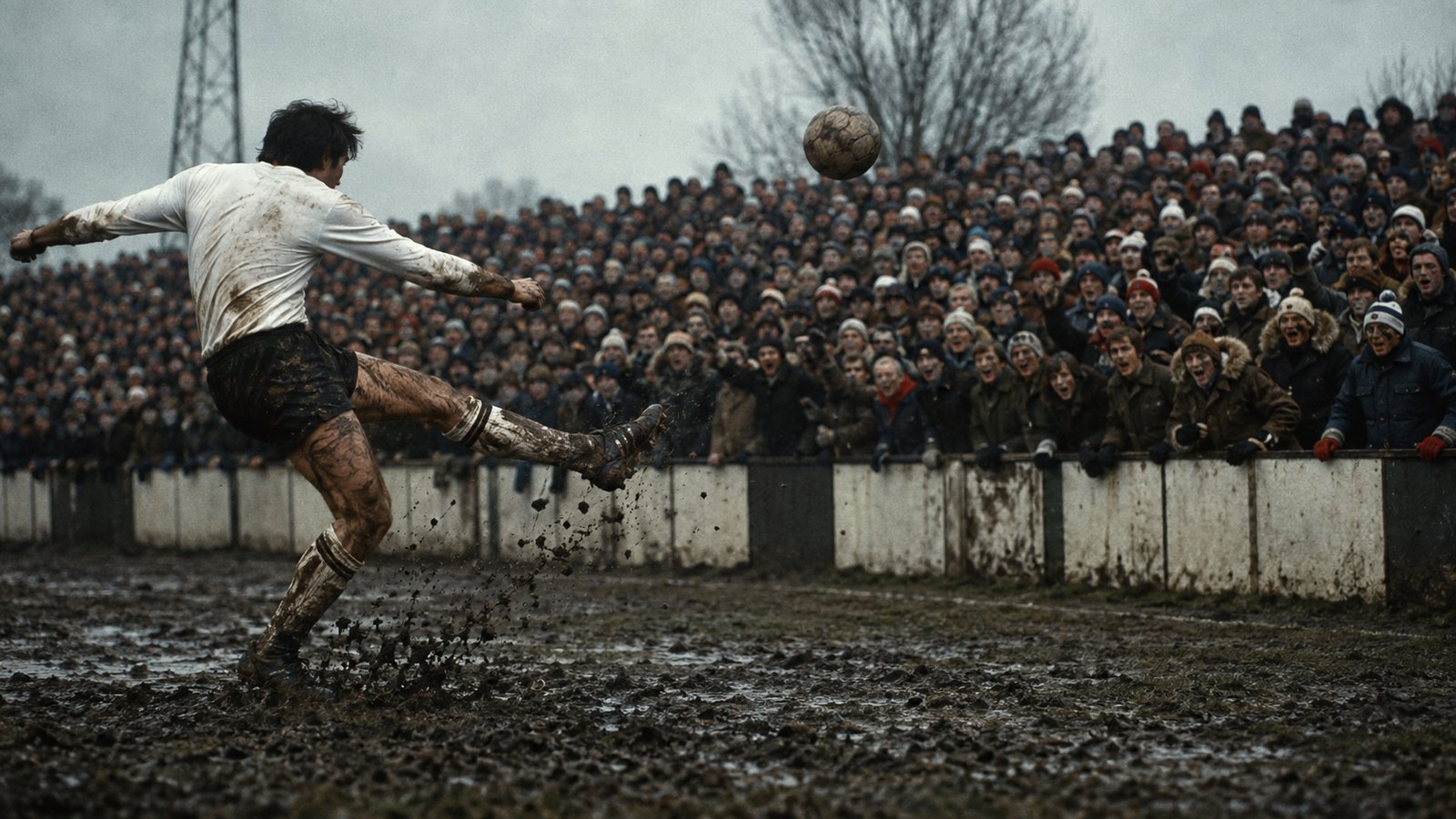
Ronnie Radford’s famous equaliser, Ricky George’s extra-time winner and a young John Motson combined in Hereford United’s 1972 FA Cup upset of Newcastle.
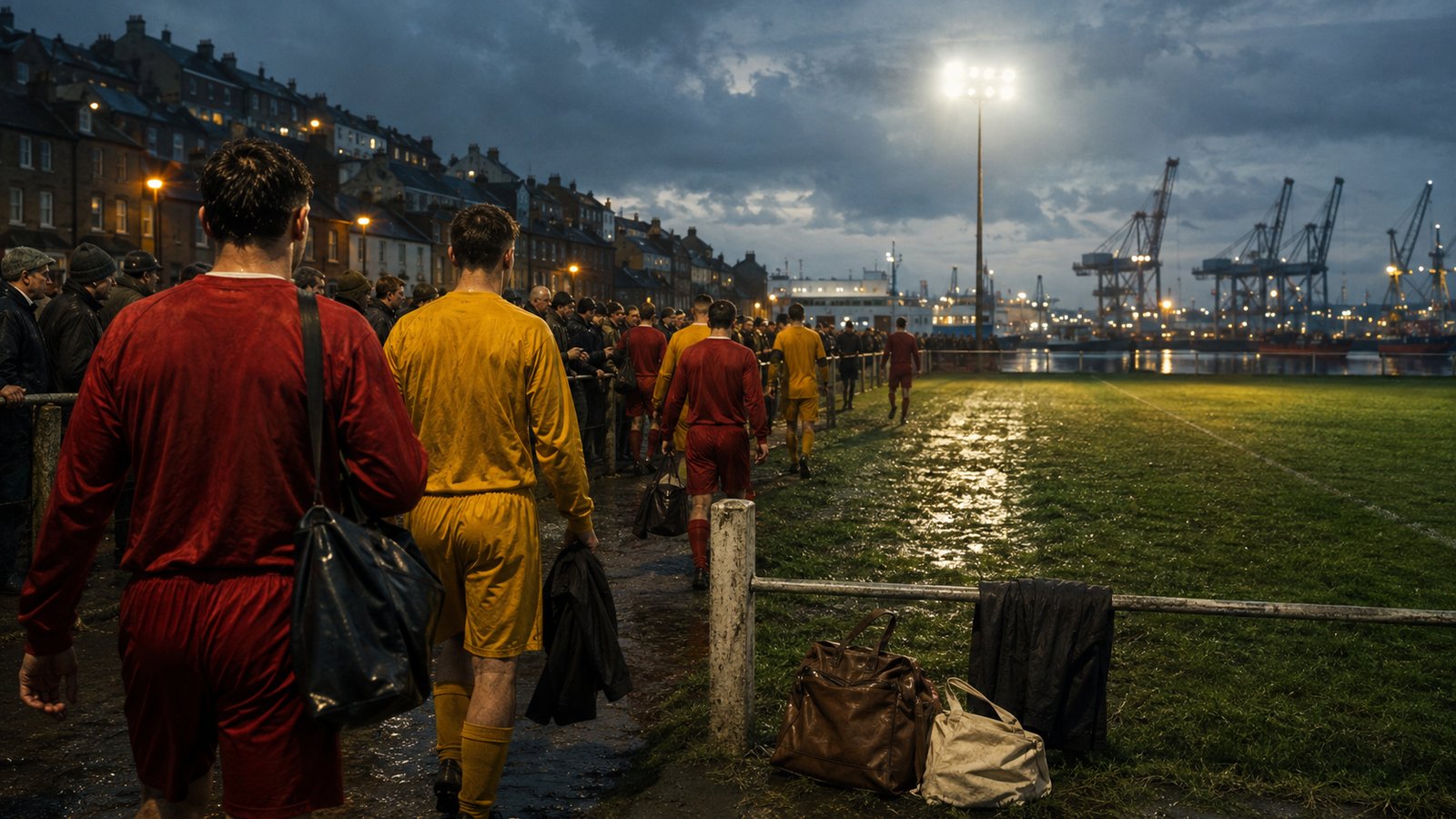
Calais Racing Union’s unpaid fourth-tier players eliminated Lille, Strasbourg and French champions Bordeaux before leading Nantes in the 2000 Coupe de France final.

Ferenc Puskás lost two prime years after leaving Hungary, then rebuilt himself at Real Madrid and scored four times in the 1960 European Cup final.
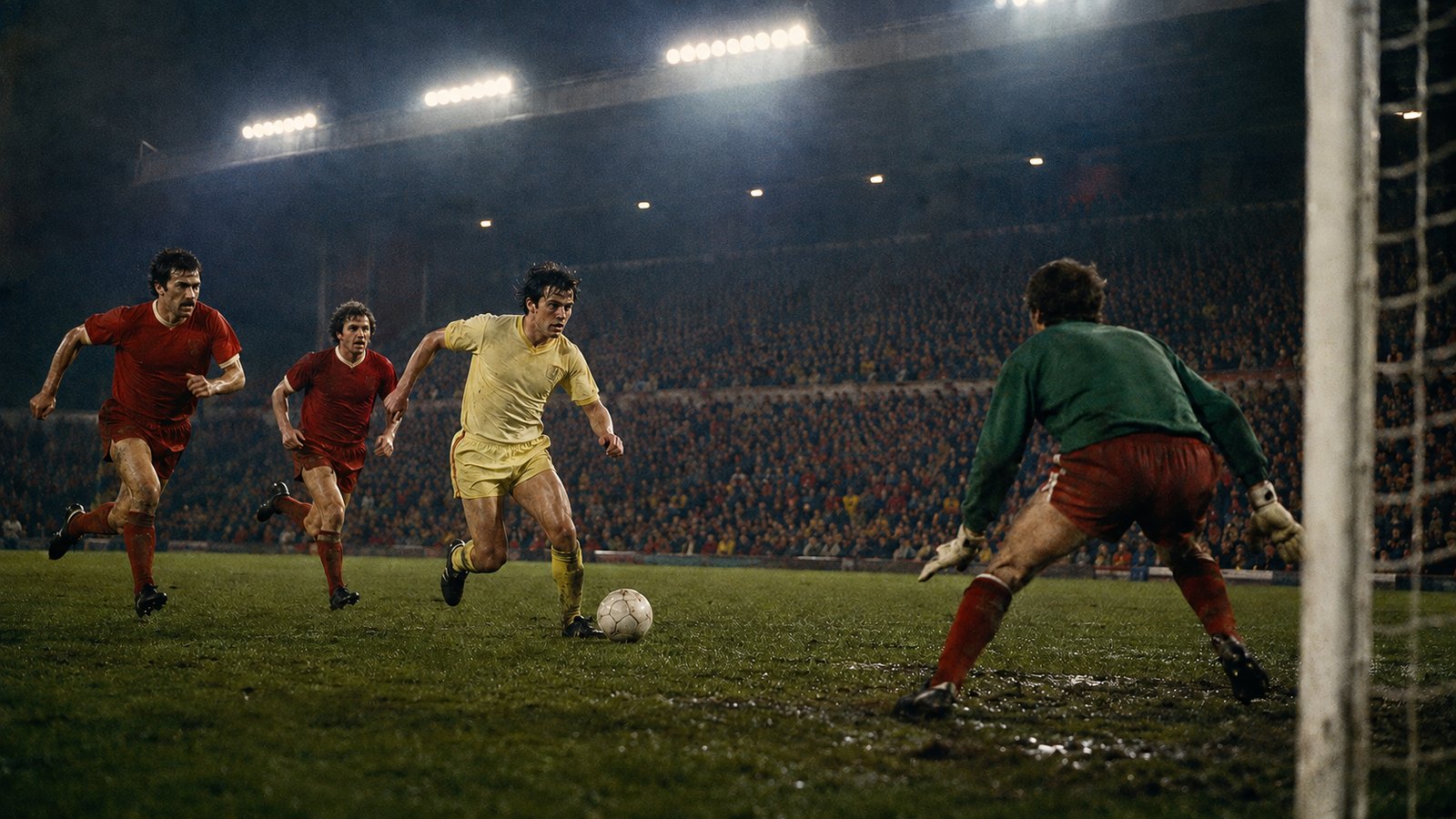
Arsenal entered the final league match of 1988–89 needing to beat Liverpool by two goals at Anfield, and Michael Thomas supplied the title-winning second at the end.
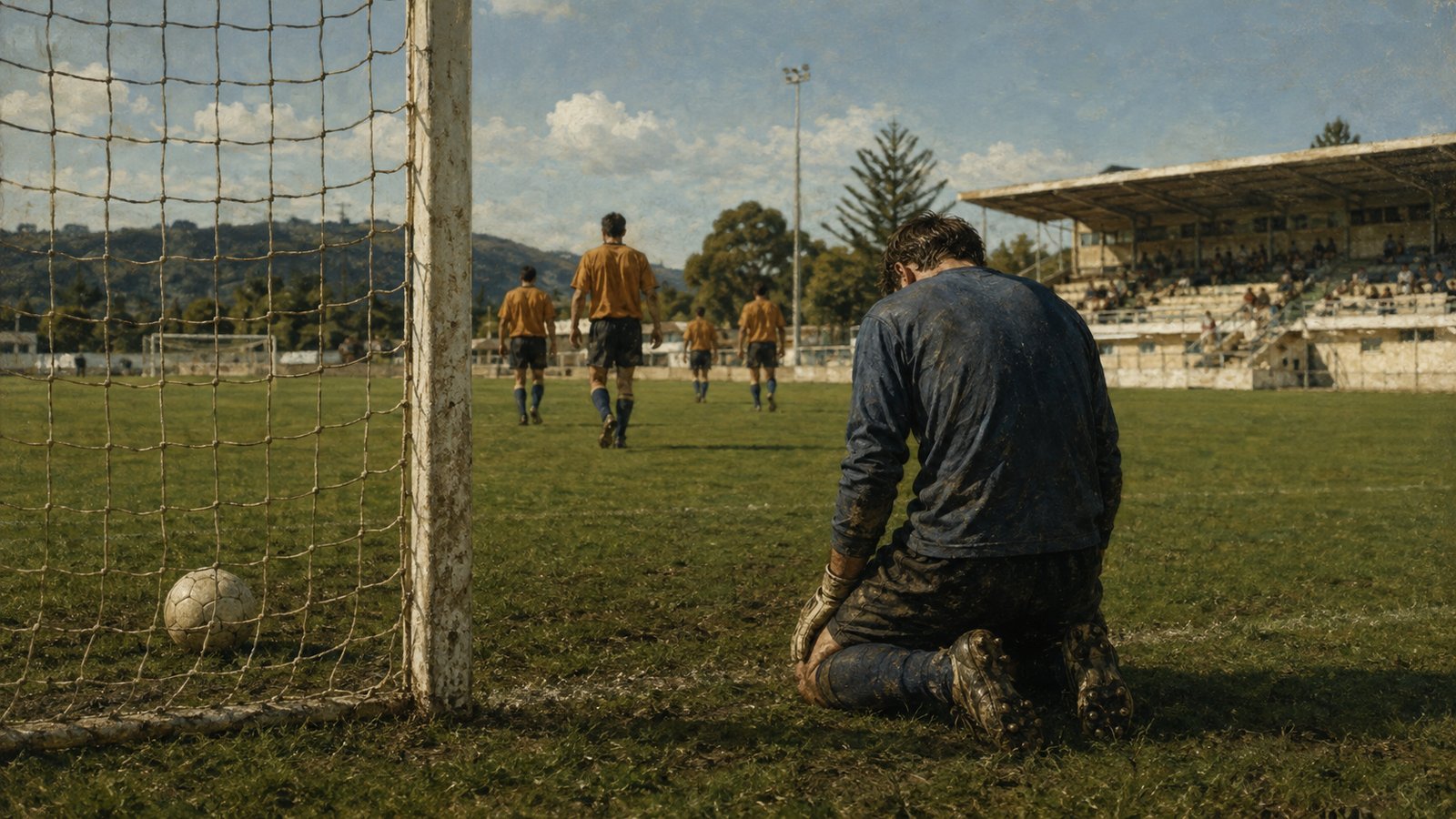
Australia’s 31–0 World Cup qualifier against American Samoa was a record, but the conditions around it reveal why the score was more than a statistical curiosity.