Inside the 1921 Meeting That Exiled Women’s Football From England’s Grounds

How the FA’s 1921 ground restriction removed women’s football from England’s largest stages, and the committee-by-committee campaign that reopened them in 1971.


How Iceland answered an early England goal with two different attacks, then used compact distances and clear decisions to protect its historic Euro 2016 upset.
How Zambia combined collective memory, a compact tournament plan and extraordinary penalty composure to win the 2012 Africa Cup of Nations in Libreville.
The United States’ 1–0 win over England in 1950 was a disciplined World Cup shock—and a miracle that reached almost no audience back home.
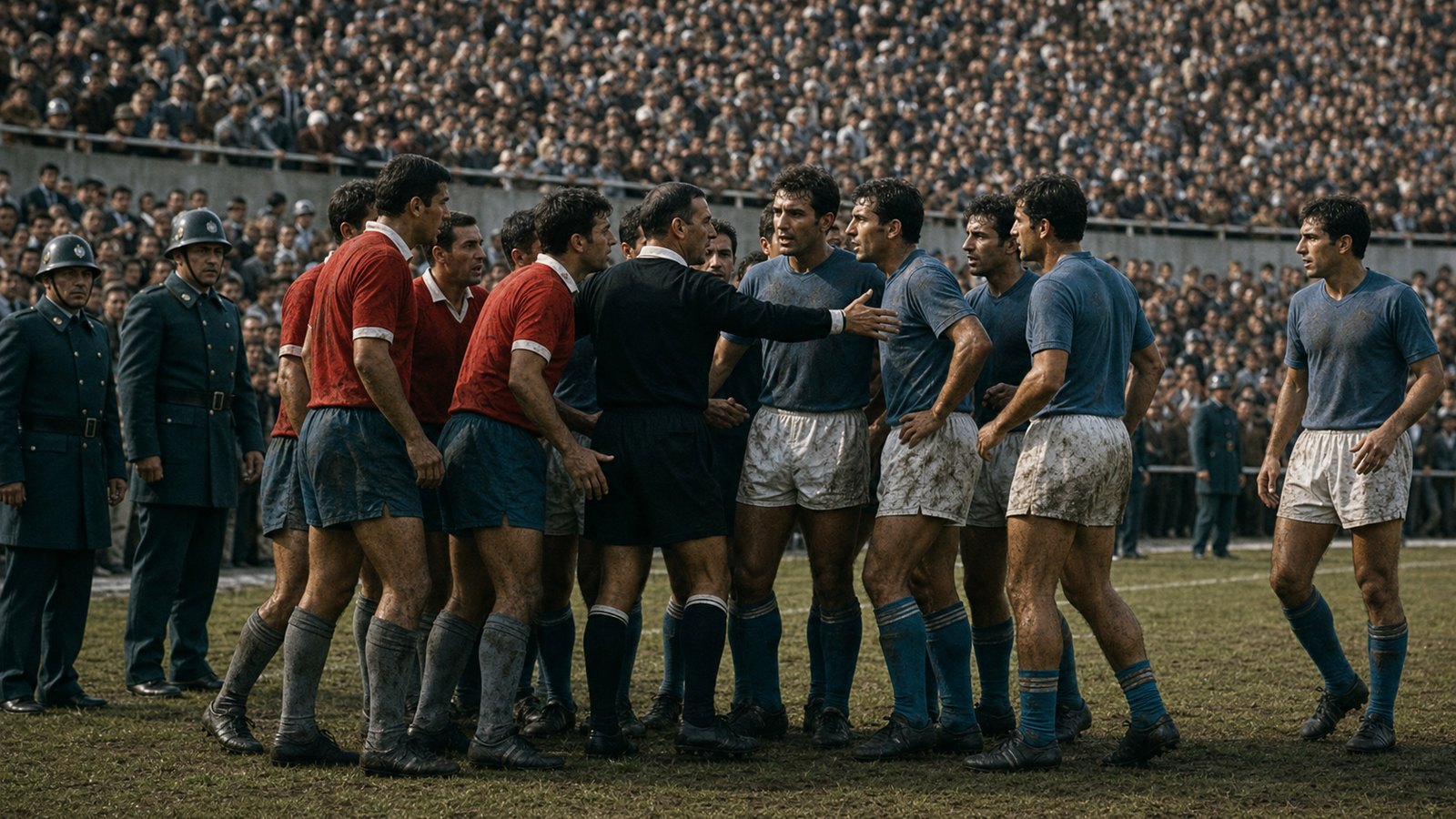
Chile’s violent 2–0 win over Italy in 1962 exposed how little support a referee had when sight, language and authority all broke down.
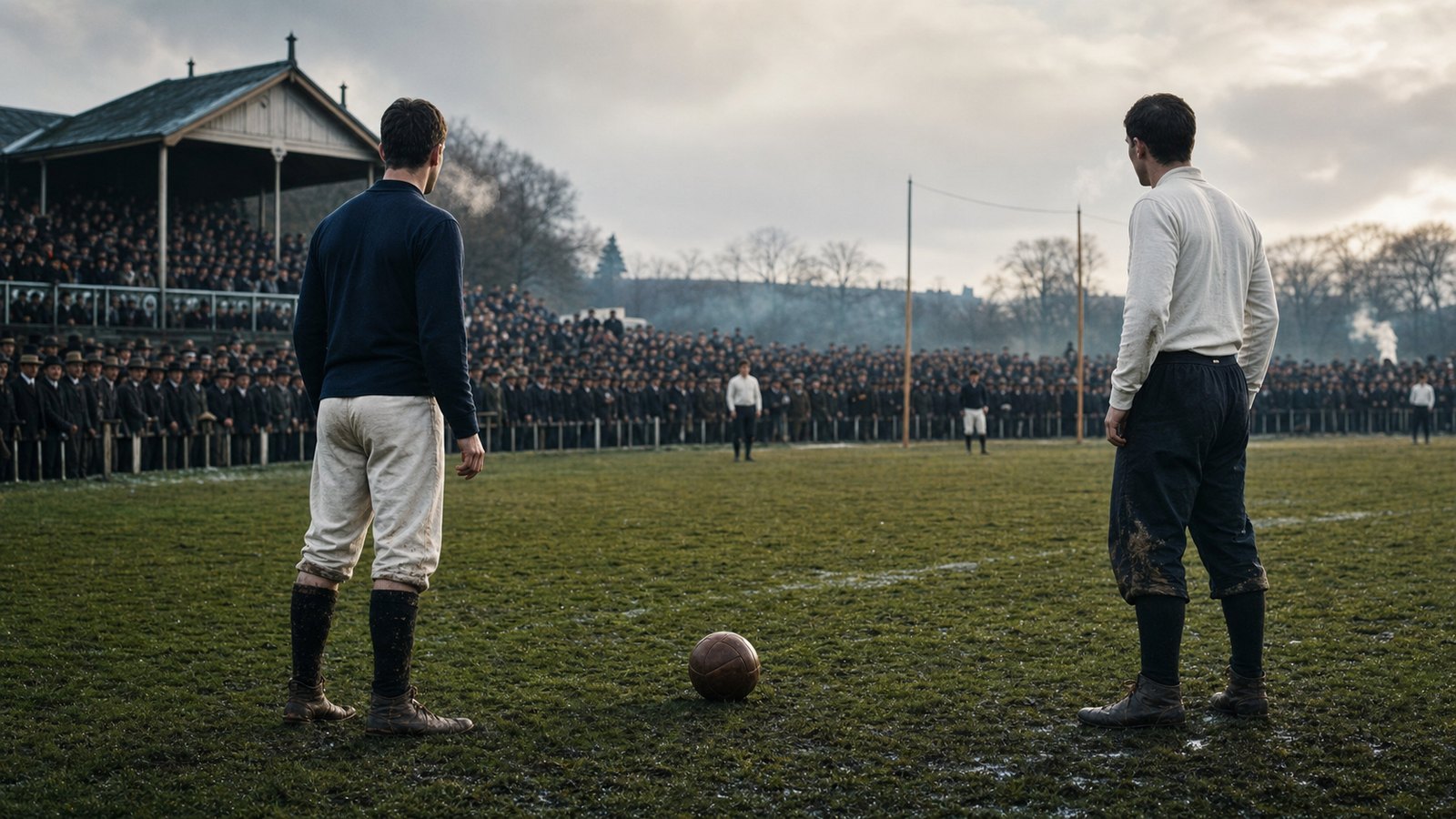
At Hamilton Crescent in 1872, eleven Queen’s Park clubmates faced an England side drawn from nine clubs and proved that international football could work.
How Algeria’s 1982 elimination exposed a scheduling flaw—and why simultaneity, not a new foul, became FIFA’s answer.
How a Second Division side turned early aggression, one instinctive finish and a goalkeeper’s impossible recovery into the 1973 FA Cup’s defining upset.
Bayern controlled the 1999 European final for eighty-five minutes before two substitutions and two corners compressed the entire night into added time.
Nottingham Forest’s climb from the second tier to European champions was less a fairy tale than a ruthlessly focused operating model.