
The 40°C Quarter-Final in Lausanne Produced Twelve Goals
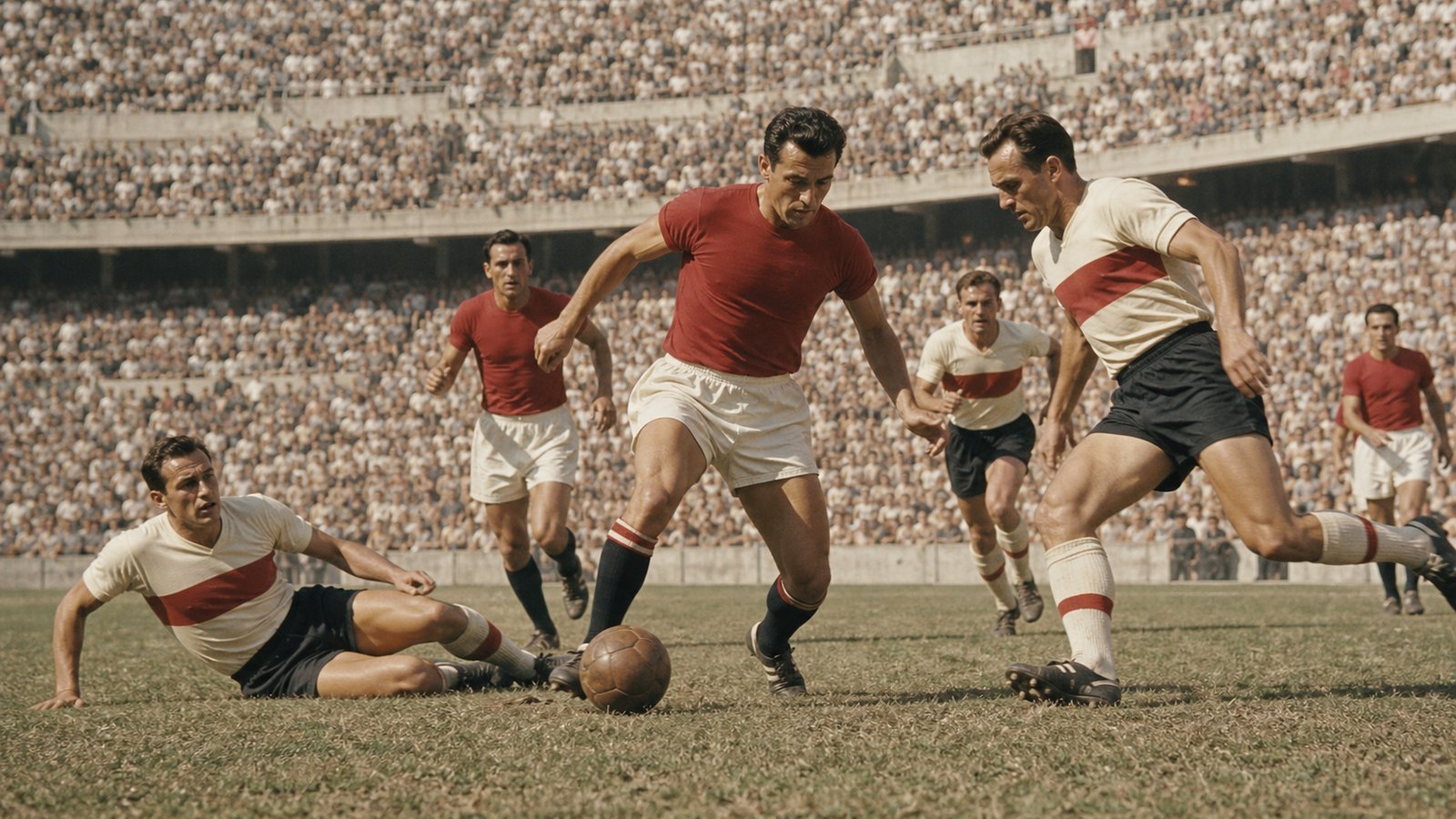
How Switzerland’s 3–0 lead, Austria’s five-goal reply and brutal Lausanne heat produced the highest-scoring match in men’s World Cup history.
How Switzerland’s 3–0 lead, Austria’s five-goal reply and brutal Lausanne heat produced the highest-scoring match in men’s World Cup history.
The rehearsed movement, career-long risk and positional imagination inside René Higuita’s 1995 Wembley scorpion kick.
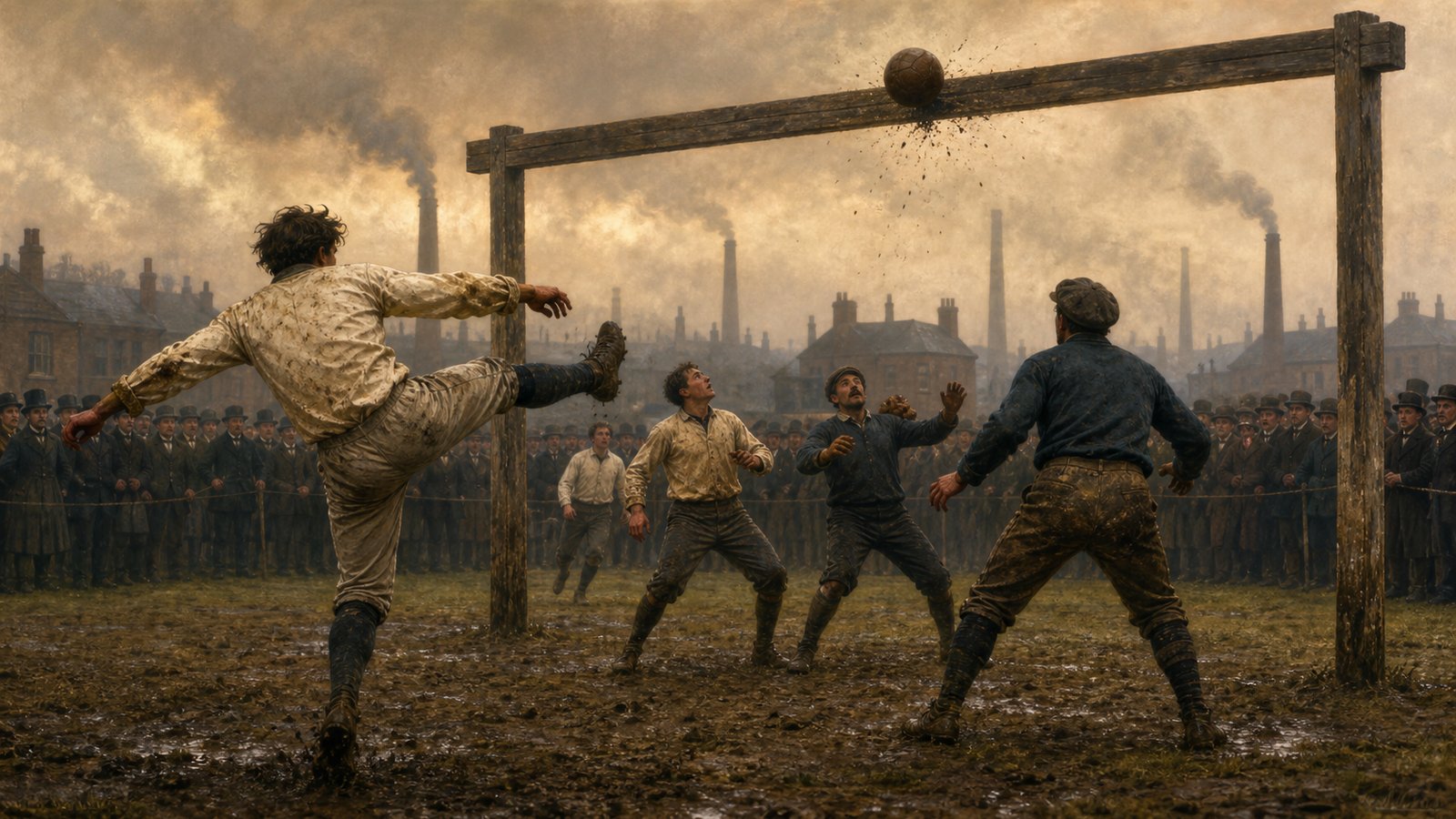
Sheffield used a hard upper boundary before the London FA accepted even a tape, and football spent two decades negotiating the modern goal into existence.
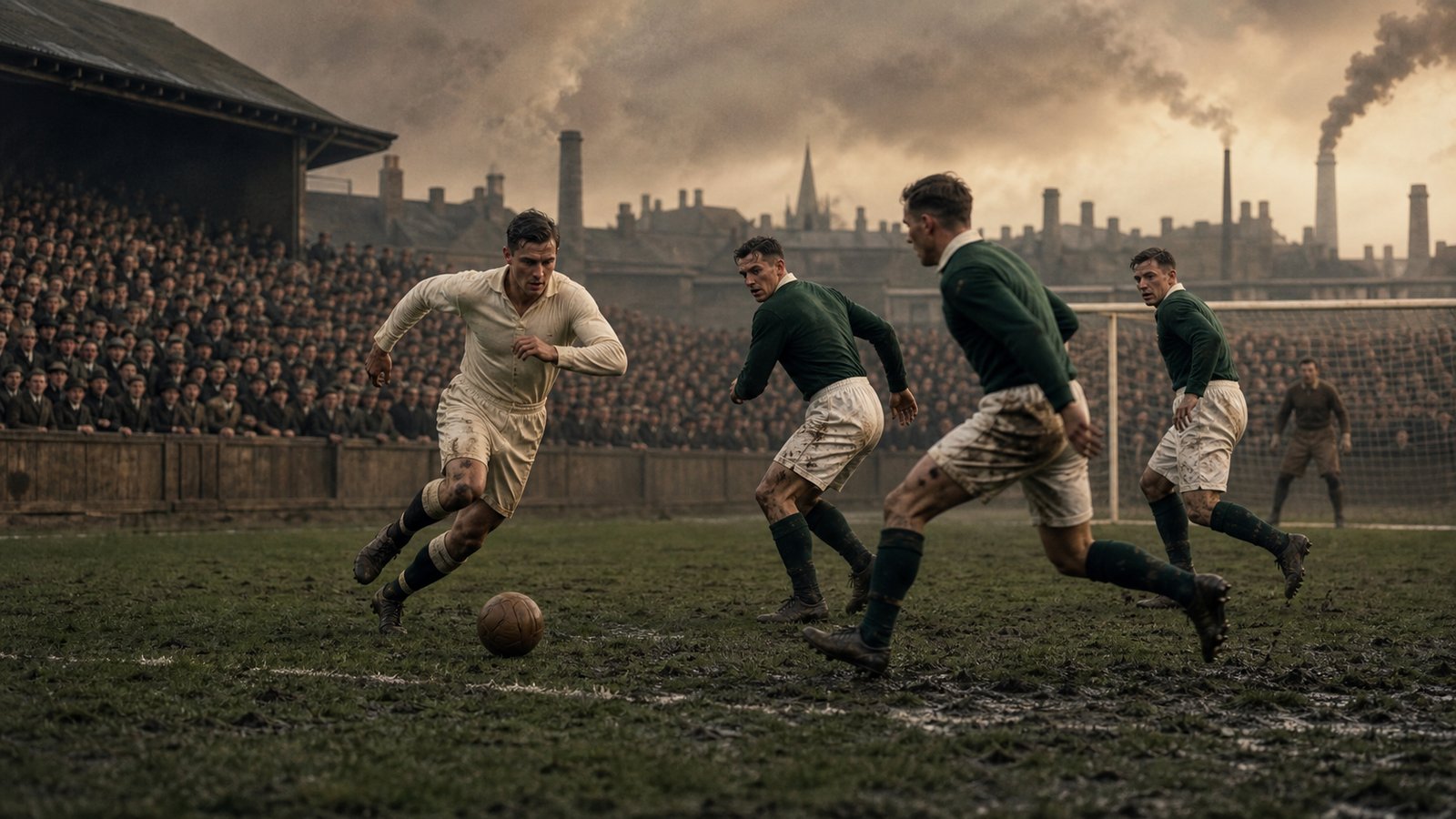
The 1925 offside amendment reduced the required opponents from three to two, unleashed a scoring surge, and forced coaches to reorganize the centre of defence.
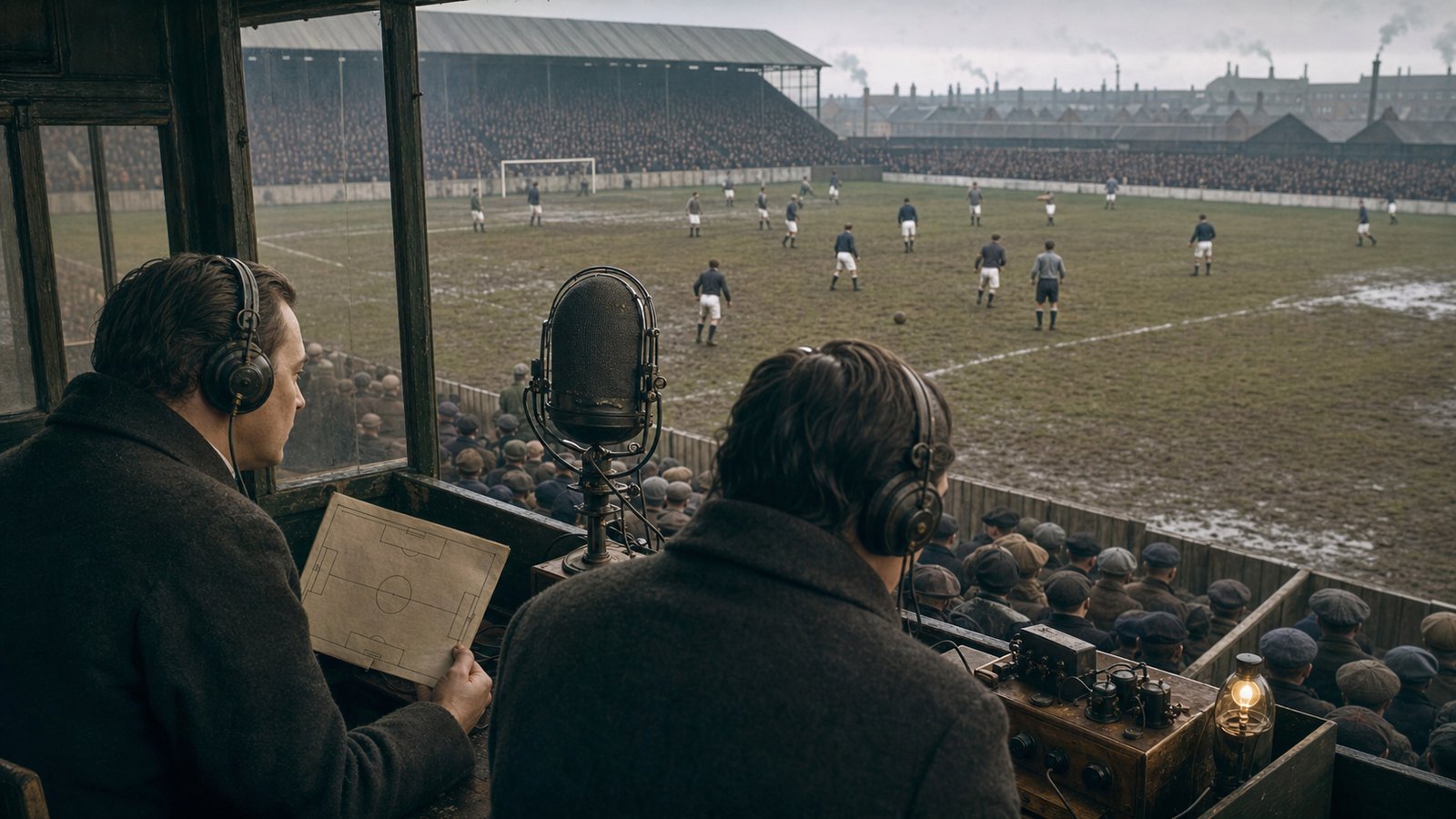
The BBC’s first English league commentary asked Teddy Wakelam to make Arsenal v Sheffield United visible through sound. Lance Sieveking’s numbered paper pitch gave listeners a map.
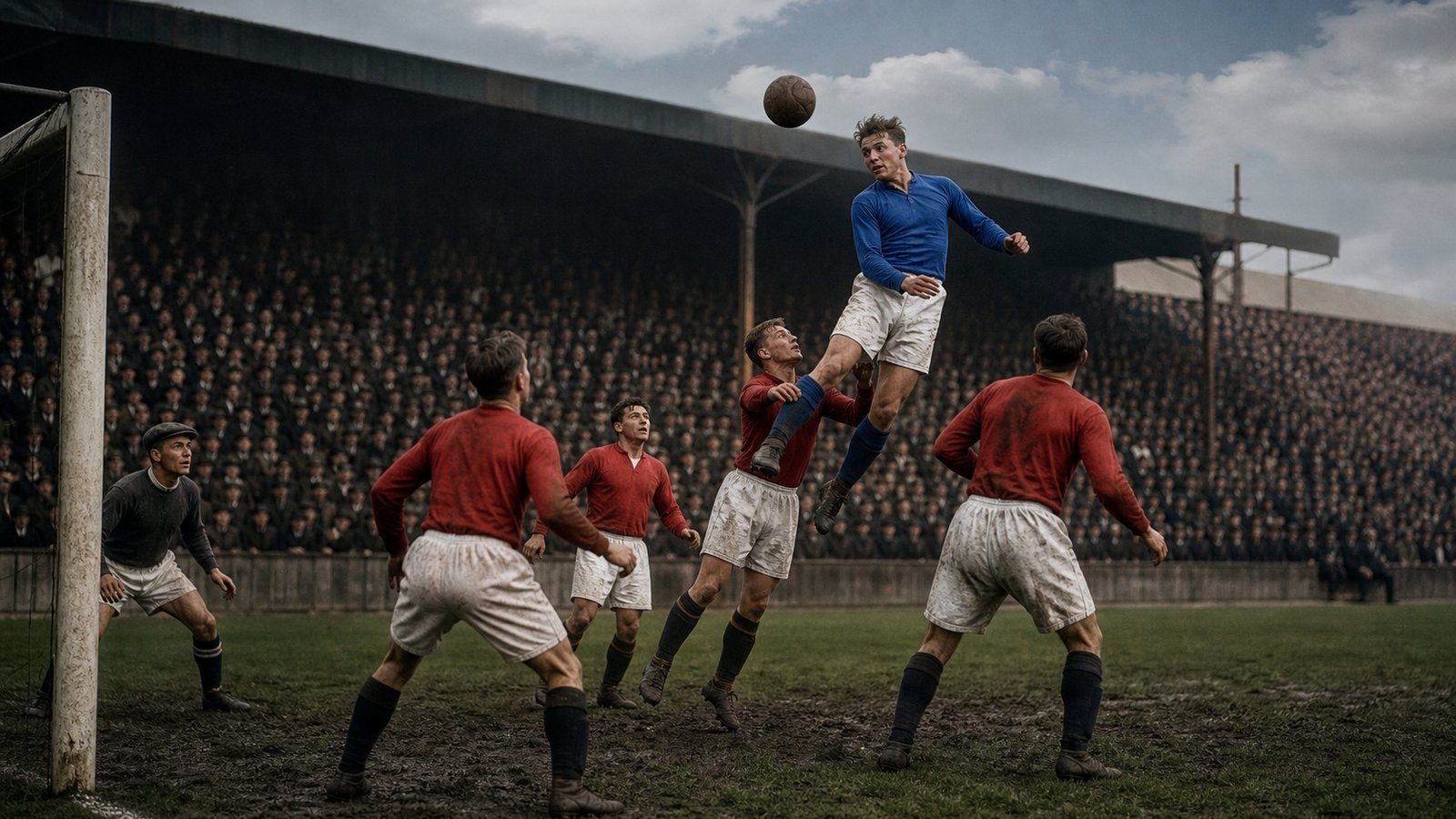
Dixie Dean entered Everton’s final league match of 1927-28 on 57 goals. One late corner completed a record built through timing, aerial craft and a champion side’s supply.
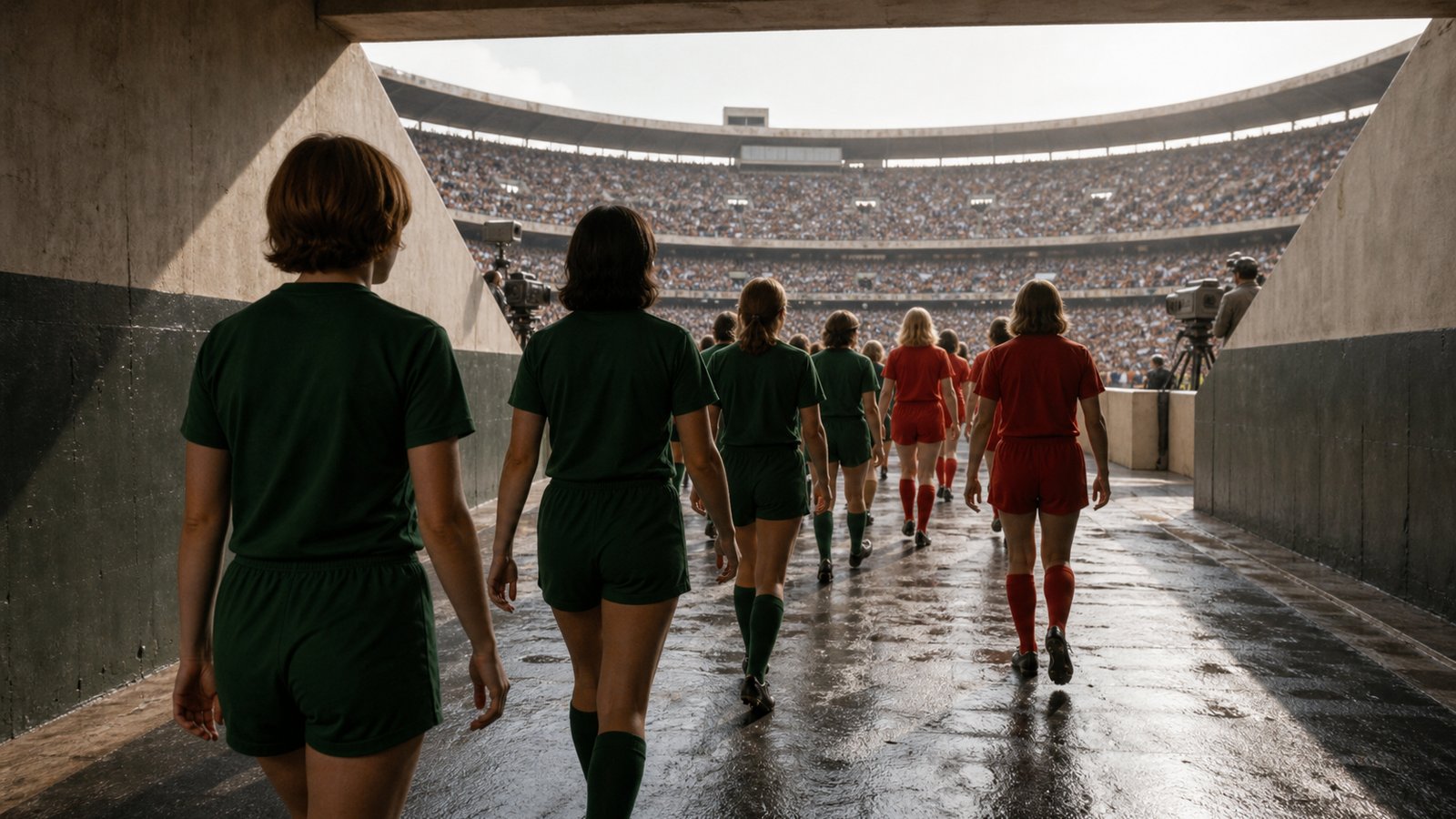
Mexico’s unofficial 1971 Women’s World Cup drew 112,500 people to its final, built a major commercial spectacle, and then slipped out of football’s shared memory.
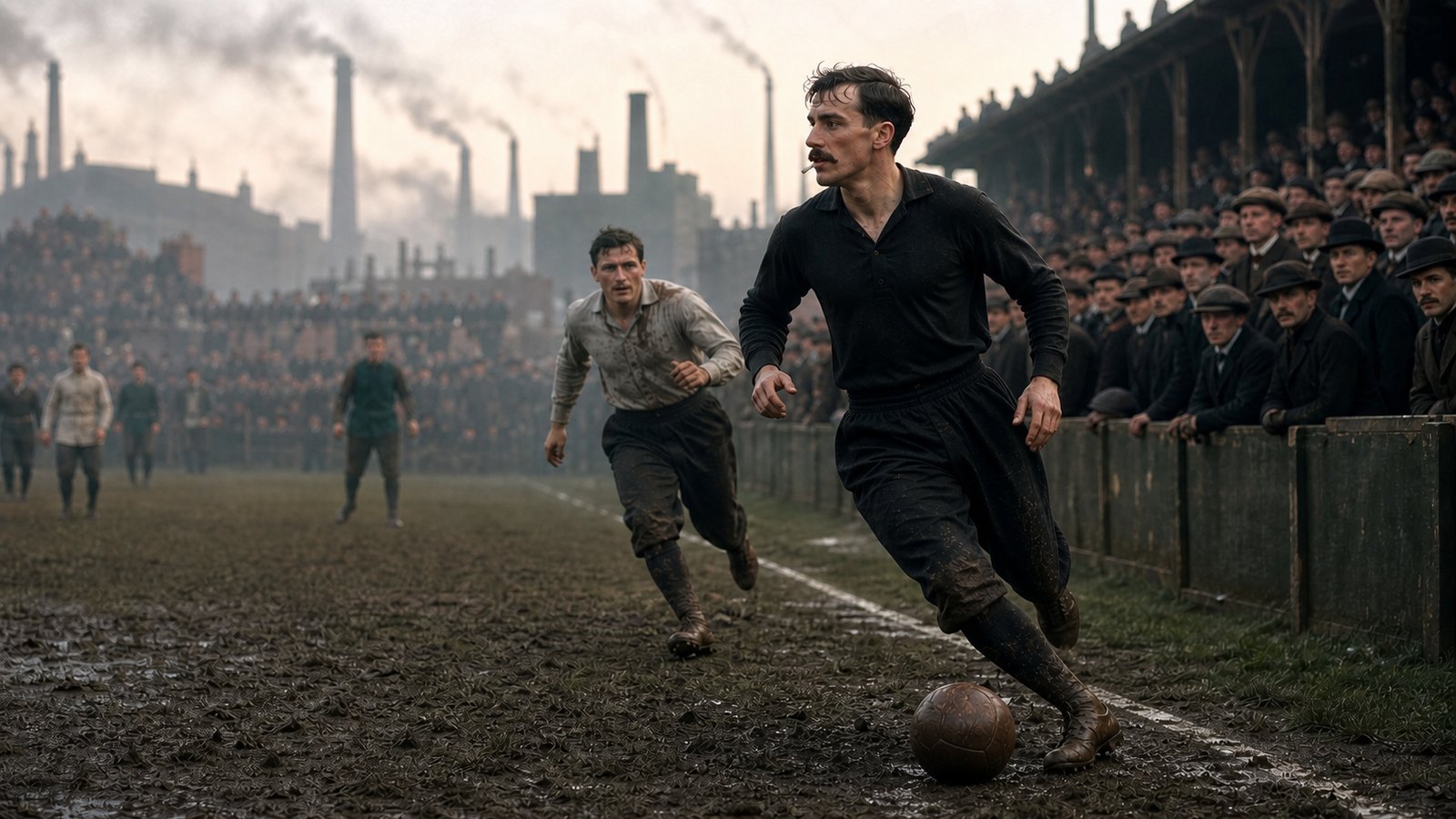
Billy Meredith moved from a Welsh colliery to football celebrity, union leadership and an FA Cup semi-final at 49 without surrendering his independence.
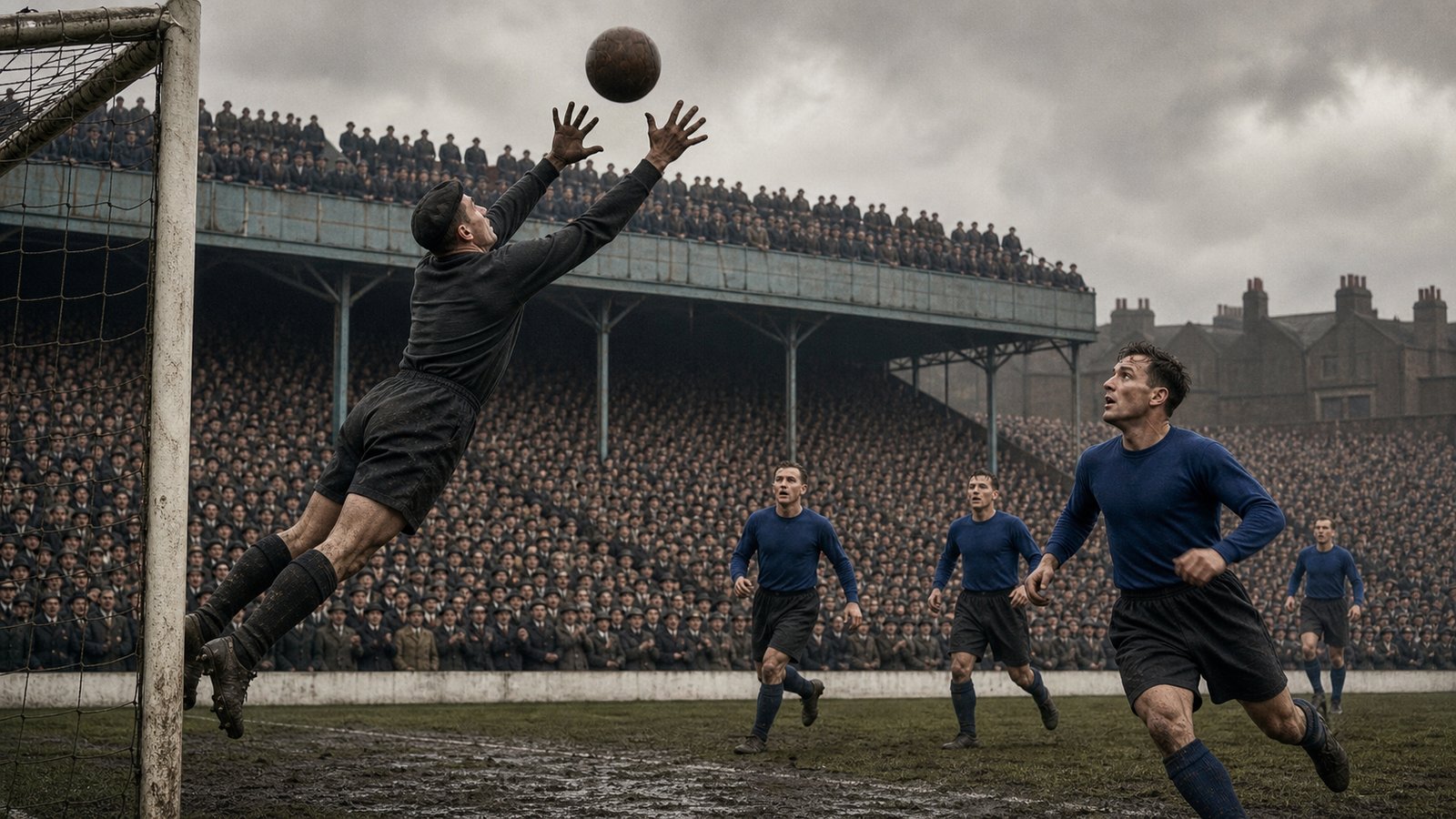
Dynamo Moscow’s unbeaten 1945 tour packed British grounds, unsettled postwar assumptions and gave Chelsea’s crowd a first-hand lesson in Soviet movement.
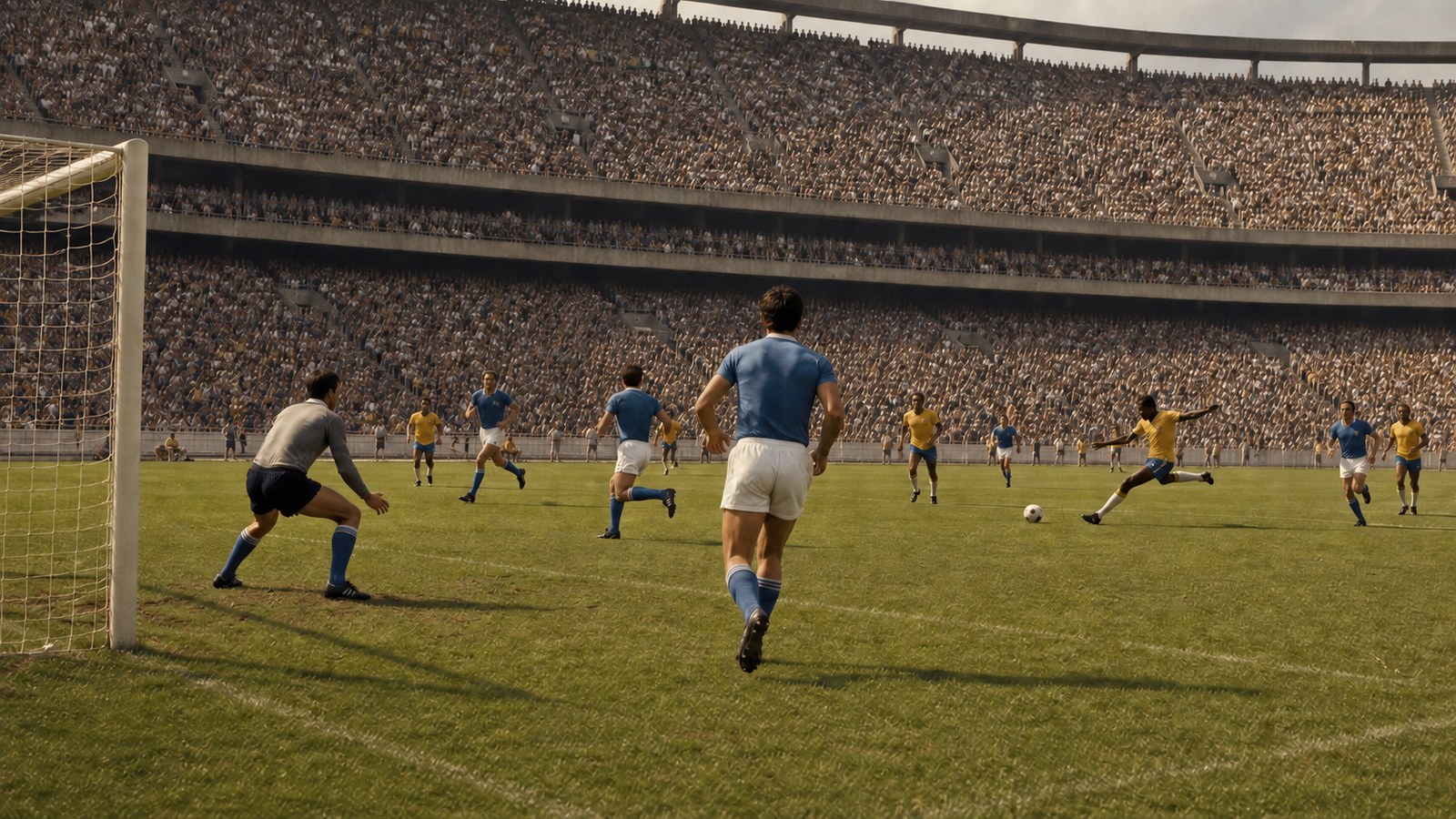
Brazil’s fourth goal in the 1970 World Cup final was a nine-player possession whose decisive right-back overlap had been prepared before the match.