Brazil’s 4-2-4 Surprise at the 1958 World Cup
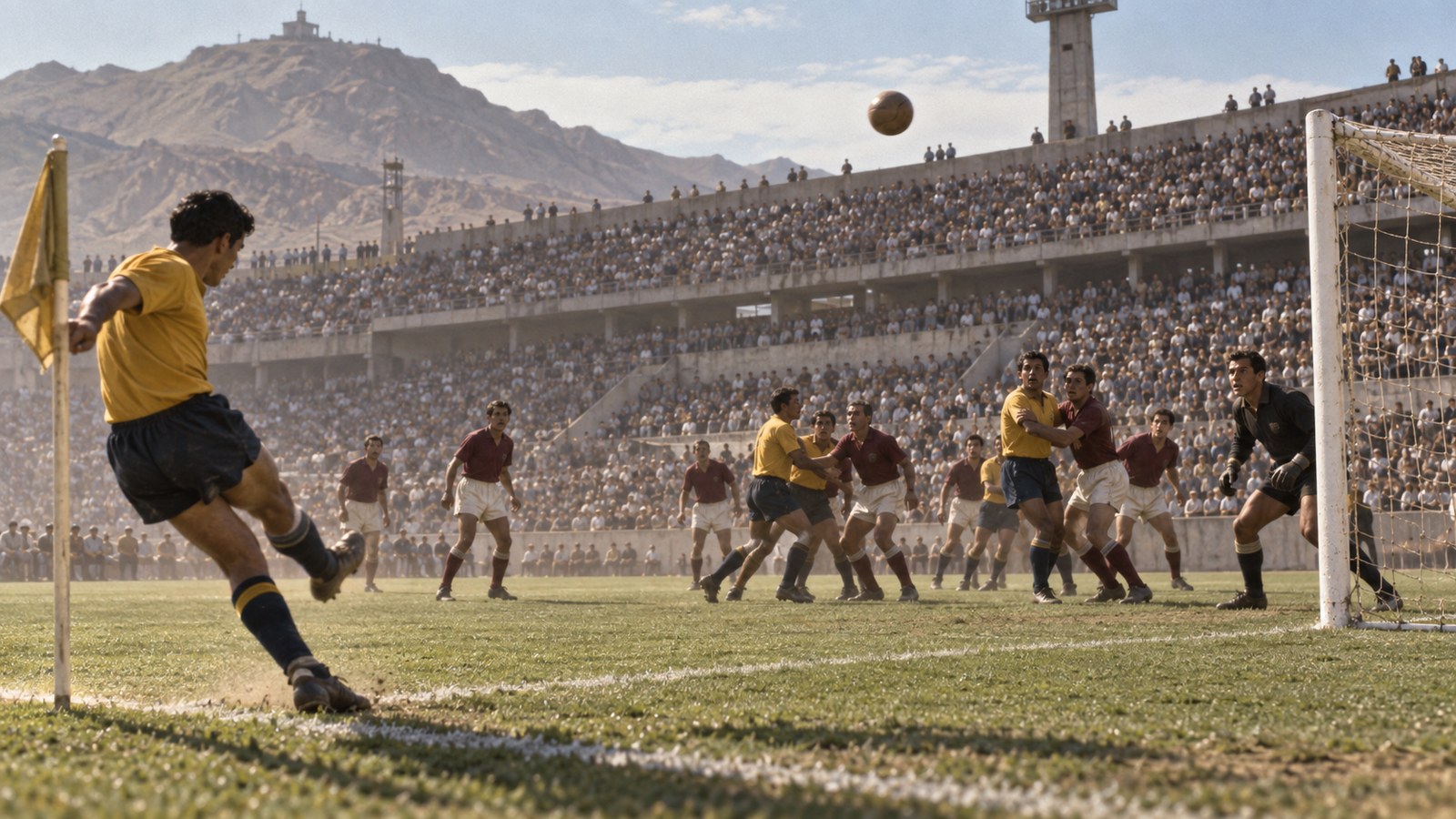
Brazil 1958 is remembered as Pelé arriving, but the deeper shock was a 4-2-4 structure that turned attacking joy into a repeatable World Cup mechanism.
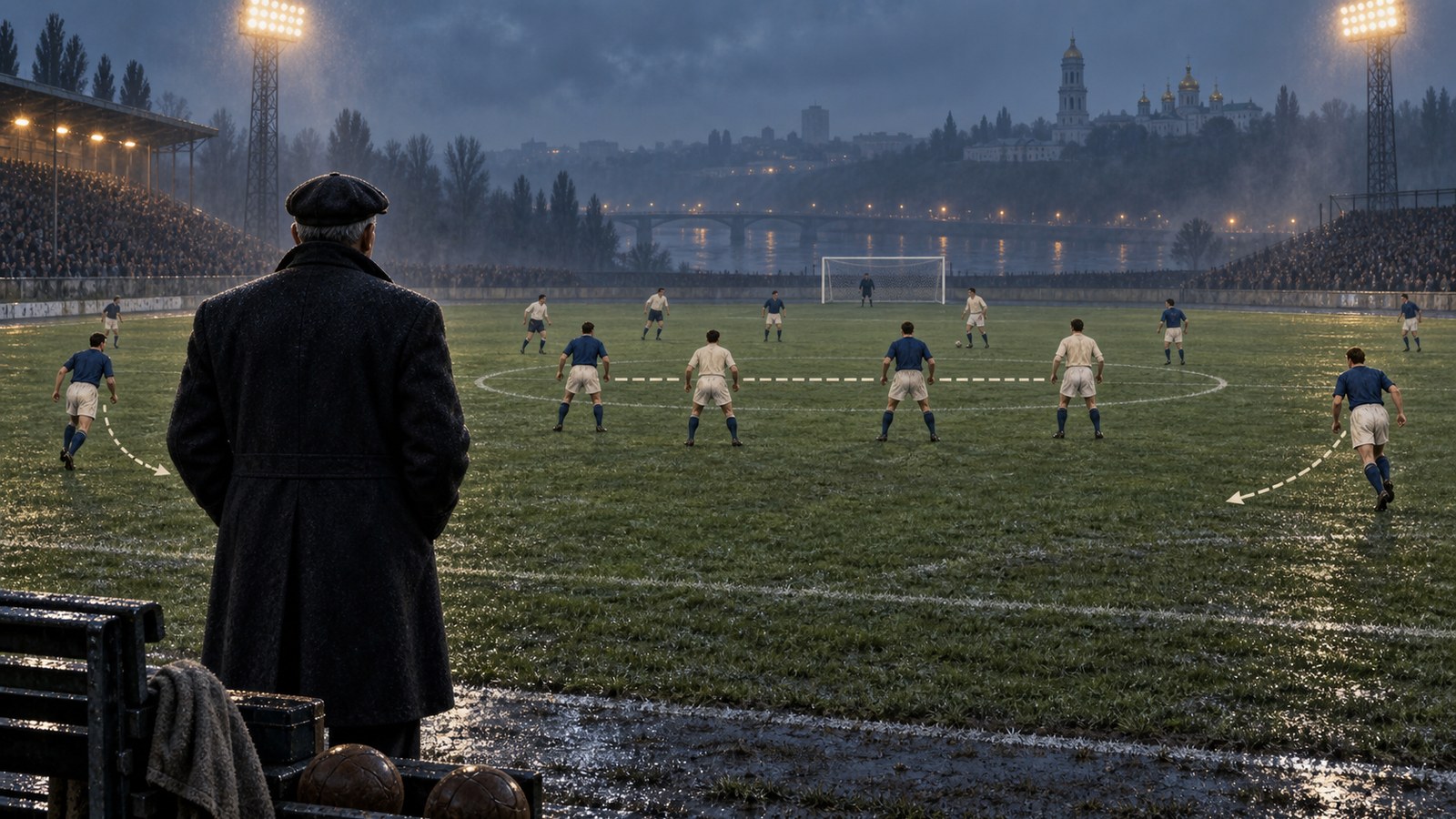
Total Football is remembered as freedom, but the Ajax and Netherlands model was a disciplined system of rotation, pressing and shared risk.
Hungary’s 6-3 at Wembley was not just a scoreline. It was the moment an older defensive grammar met the moving roles of the Golden Team.
Uruguay’s 1950 shock in the Maracanã was not only crowd silence; it was compact defending, emotional control, and one decisive transition corridor.
Denmark’s Euro 1992 win is remembered as a fairy tale, but the trophy came from a compact tournament machine built under impossible pressure.
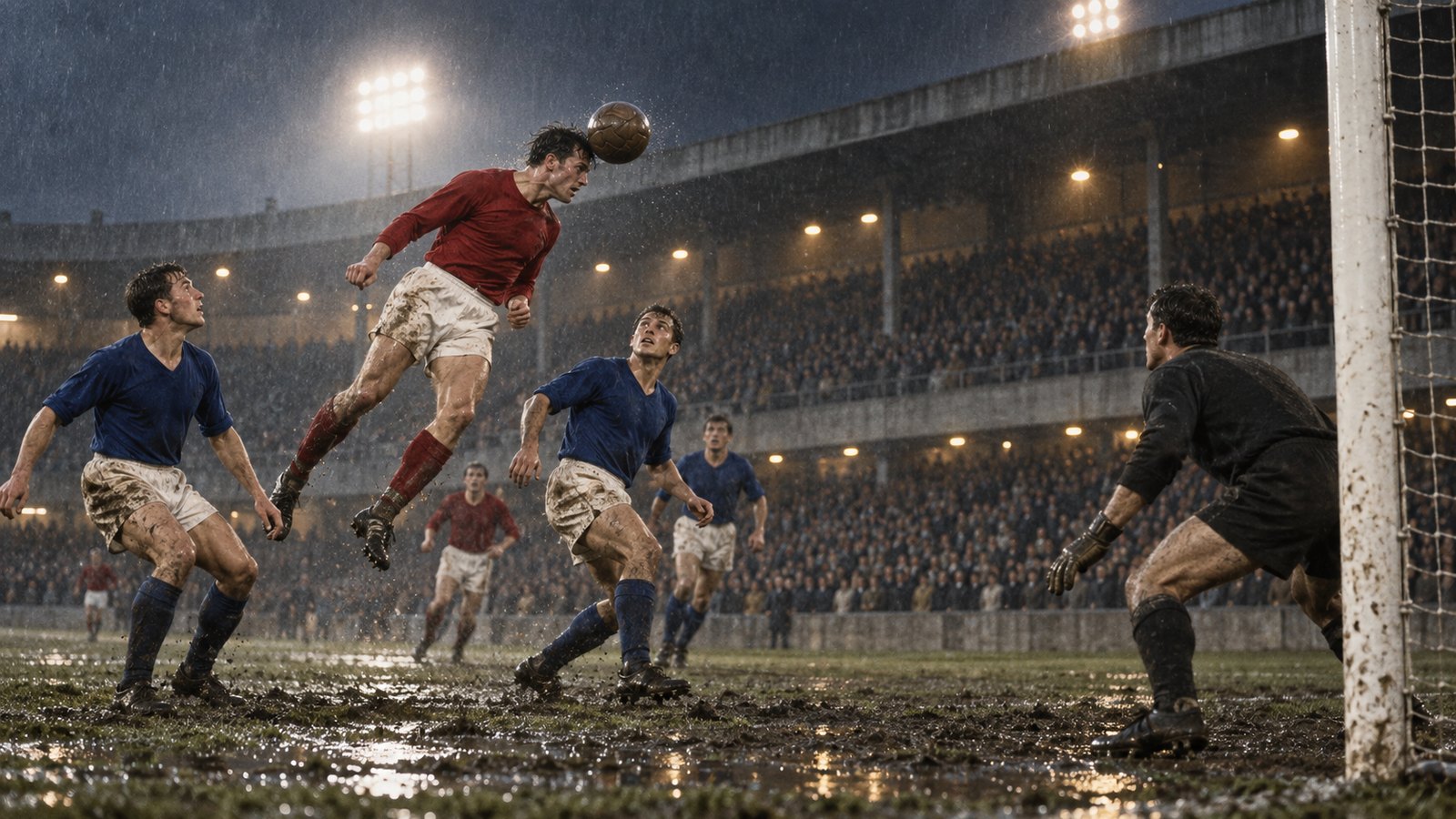
Benfica’s 1962 European Cup final win over Real Madrid was a tactical and psychological handover, not just the beginning of a famous curse legend.
Bulgaria’s 1994 World Cup run was not just a miracle upset. It was a short, dangerous window where qualification trauma, transition play, and elite attackers trapped bigger nations.
The jeu à la nantaise was not just pretty football; in 1994-95 it became a durable title mechanism.
Real Sociedad’s 1981 and 1982 La Liga titles were built from continuity, Atotxa pressure, and local football habits.
How IFK Göteborg’s UEFA Cup win became a practical lesson in compactness, collective nerve, and underdog structure.