

On a March afternoon in 2009, 2,995 people watched Darlington lose 2–1 to Macclesfield inside a stadium built for roughly 27,000. The West Stand had been closed to save money. Most of the home crowd sat together in the main stand while a few dozen visiting supporters occupied another broad bank of seats. Around them stood acres of capacity that the club could neither fill nor easily escape.
Darlington’s financial history is often compressed into one spectacular object: George Reynolds’s arena. The empty tiers certainly made the problem visible, but the accounts beneath them were more revealing. Construction loans, mortgages, stadium running costs, property-development hopes and repeated cash injections had been joined to a football club whose reliable audience remained near 3,000. When benefactors stopped funding the difference, insolvency returned.
The full story ends beyond the arena. In 2012, supporters bought the football assets, left the ground and accepted a place four divisions lower. Survival required them to separate a team from the property project that had come to define it.
Reynolds Replaced Feethams With Scale
George Reynolds bought Darlington in 1997 after an earlier administration. Feethams, the club’s old ground beside a cricket club, was worn and constrained. Reynolds chose replacement rather than refurbishment. His new stadium rose on the edge of town, surrounded by car parks, with a capacity closer to a major city club than to Darlington’s established support.
The ambition was explicit. Reynolds believed a modern ground and spending on players would pull crowds comparable to nearby Middlesbrough. The building carried the details of that expectation: Italian marble in reception, escalators to hospitality rooms, red carpets, plate glass and executive facilities. It cost approximately £16–18 million and initially bore Reynolds’s name.
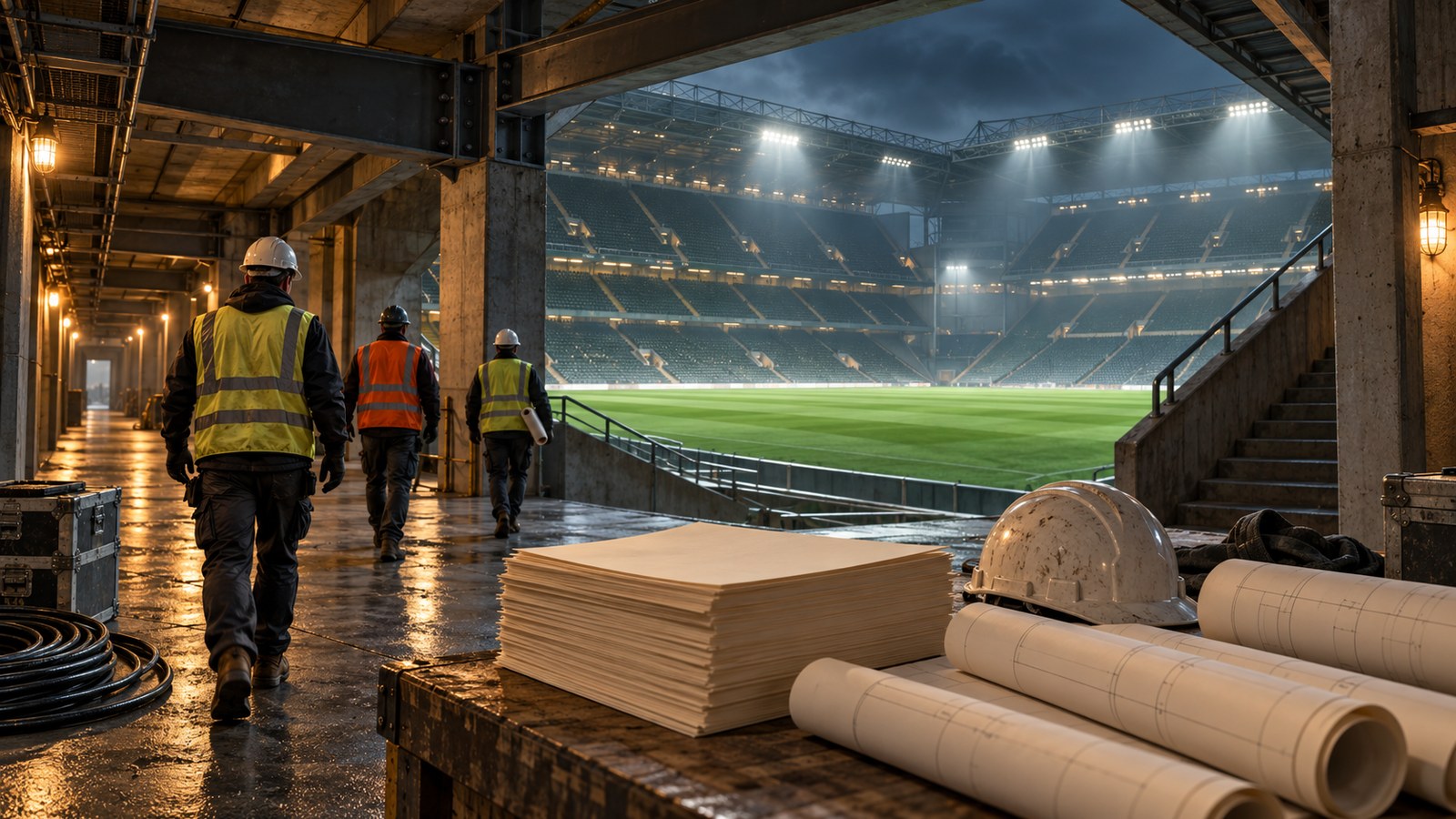
Matchday reality settled elsewhere. The first curiosity crowds did not become a lasting audience. About 3,000 regulars continued to come. Upstairs, directors crossed polished surfaces; downstairs, ordinary spectators entered a draughty concrete holding area and queued at a vending machine or along a 20-yard line for a pie. The contrast was physical evidence of two different ideas about the same club.
The oversized ground did not automatically cause insolvency, but it increased the amount of outside money required. Darlington now had to operate football and maintain a vast venue while hoping that crowds or surrounding development would eventually justify the scale.
The Build Left a Long Creditor List
Reynolds ran short before the stadium was complete. In 2002, he borrowed £3.5 million from Stewart Davies and associates and another £400,000 from Davies personally. The agreement described in later reporting imposed 30% interest on the whole amount after a missed payment. Just before Christmas 2003, Darlington entered administration.
The provisional debt total reached £20 million. Around £14 million was attributed to Reynolds, much of it connected to the stadium build. Another £4 million was secured against the ground. Beyond those large claims sat 169 creditors whose names showed how widely a football collapse travels: an electrical contractor, a construction company, Durham University, the police, utility suppliers, tax authorities and St John Ambulance.
Unsecured creditors other than Reynolds were collectively owed about £2 million. The schedule included more than £24,000 for a Bishop Auckland electrical firm, over £148,000 for a County Durham construction company, about £42,000 for police services and £9,040.79 for St John Ambulance. Those figures turned one owner’s grand project into losses carried by charities, public bodies and local trades.
A celebrity match drew roughly 14,000 and raised around £130,000, a striking crowd and an important rescue effort, but still small beside the liabilities. The club’s old company, stadium and football operation could not be untangled by one successful gate.
This was a different route to distress from Gretna’s rapid ascent and collapse. Darlington’s risk was embedded in a permanent object. Even after ownership changed, the arena remained expensive, mortgaged and central to plans for making the club pay.
A Property Plan Met a Football Payroll
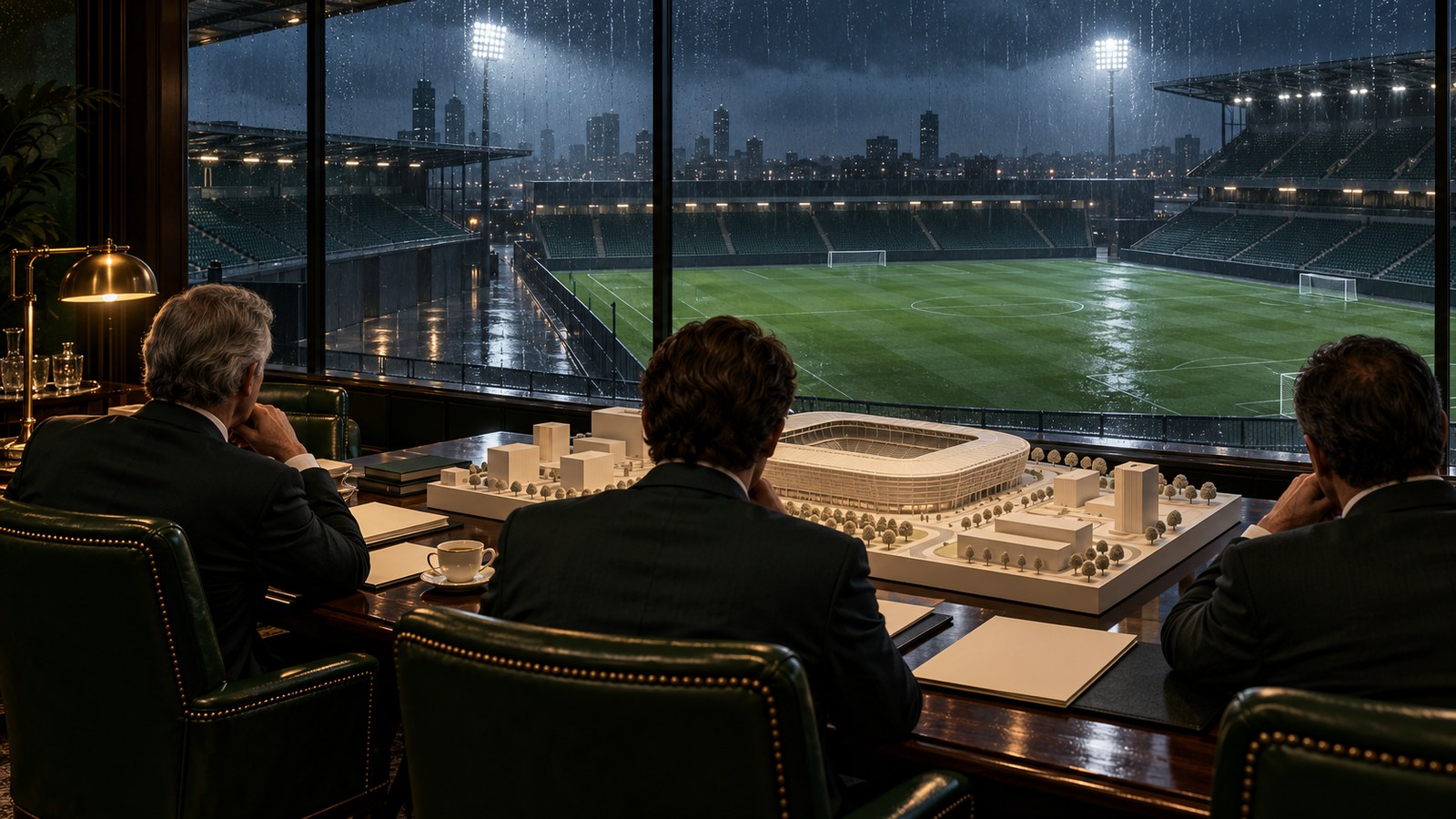
George Houghton bought Darlington in 2006 with ambitions to develop land around the arena. The logic was that property income could make the club self-financing. That plan never reached completion. As the wider economy tightened, borrowing for a loss-making football operation became harder and private support reached its limit.
By early 2009, the numbers were moving quickly. Raj Singh had lent £1.125 million in November. Within three months it was gone. About £290,000 met an obligation still owed to Davies; £250,000 repaid money Houghton had put in; the remainder went toward wages and stadium costs. Two other lenders had advanced £1.7 million at 10% interest and held a mortgage over the property.
The playing budget was also far beyond the gate. Monthly wages were reported at £270,000. Darlington had consumed about £6 million in loans during Houghton’s three years, while an estimated £300,000 in tax and VAT remained due. Manager Dave Penney introduced 16-year-olds who were not considered ready because the senior squad could no longer be supported as planned.
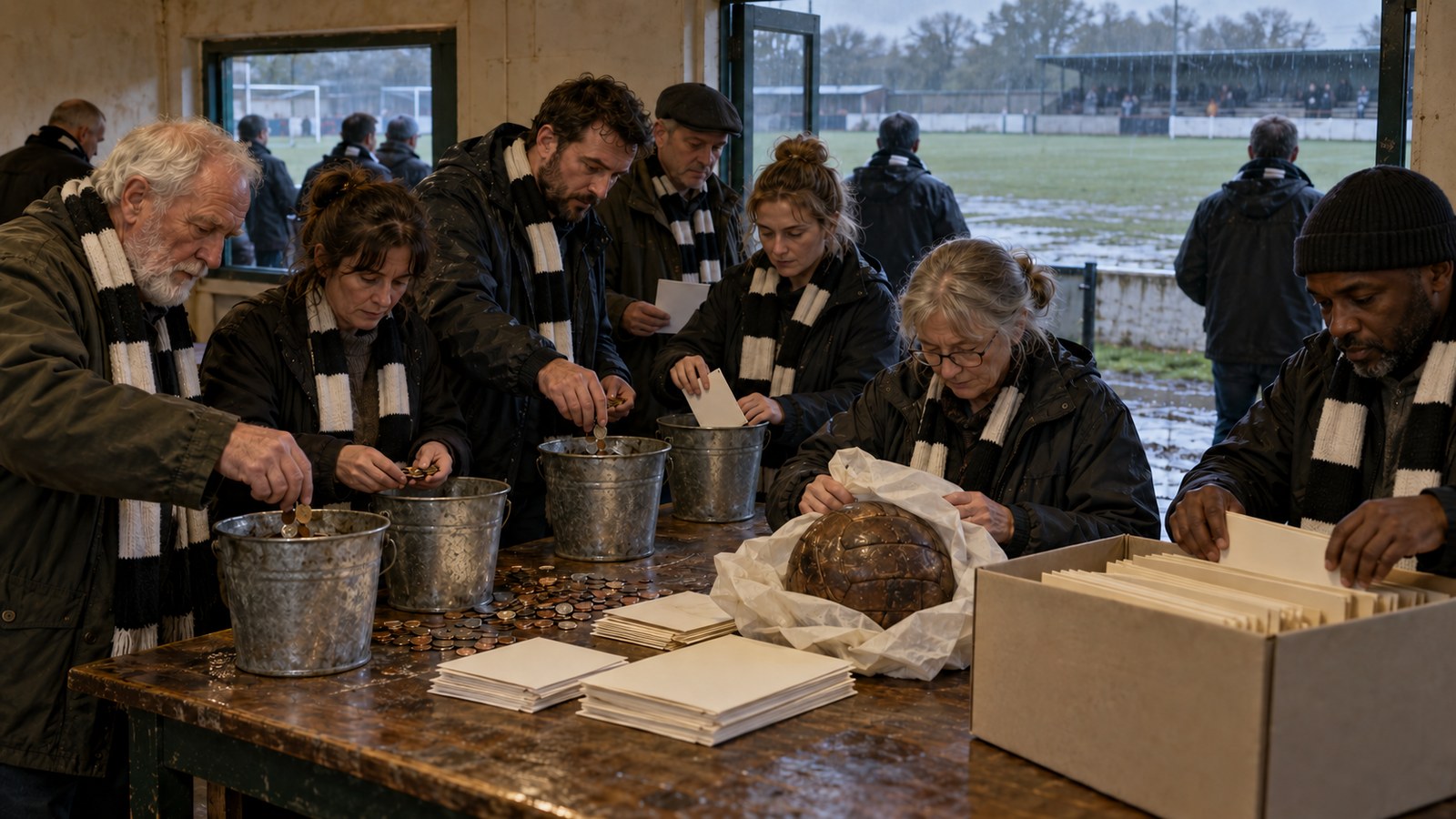
At the Macclesfield match, supporters rattled collection buckets and one stand stayed dark to reduce expenditure. It was the club’s third insolvency in 12 years. The arena was no longer a promise that future growth would pay for present ambition. It was the place where the shortfall appeared every week.
Administration Returned With a Ten-Point Penalty
Darlington entered administration again in January 2012, the third such process in nine years. The Conference imposed an immediate 10-point deduction. Administrator Harvey Madden warned that without financial support or a buyer, trading might cease within a very short time.
The emergency came only months after an FA Trophy victory at Wembley. Form had collapsed, manager Mark Cooper had gone and chairman Raj Singh had asked players to accept wage reductions. Craig Liddle combined interim first-team duties with his youth role. A cup could provide memory and income, but it could not repair a structure still dependent on someone covering recurring losses.
Supporters organised as DFC 1883 Limited. Their initial proposal sought £750,000 through three tranches of 2,500 shares at £100 each, with a two-for-one offer attached to the first tranche. Funds already raised kept the club playing to the end of the season. Players were paid agreed appearance money while administrators controlled every outgoing pound.
That rescue shared something with the struggle after Rushden & Diamonds lost its private backing: once one owner’s funding vanished, survival depended on rebuilding the club around income that supporters could actually sustain.
The Supporters Bought the Team and Left the Ground
In May 2012, DFC 1883 completed the purchase of Darlington’s football assets from administrators. The old liabilities remained with Darlington 2009 Limited. Players and staff deferred full salary payments to help the transaction finish. It was a rescue, but not a restoration of the old arrangement.
No creditors’ voluntary agreement was reached, and the Football Association recommended that the club begin four divisions lower in Northern League Division One. The new group also decided to leave the Arena and find another place to play. That decision removed the most visible symbol of Reynolds’s era from the club’s daily budget.
The sequence clarifies the financial story. The 27,000 seats did not write cheques or negotiate mortgages. Owners and directors did that. Yet the stadium concentrated their assumptions: bigger crowds would arrive, development would pay, private fortunes would bridge the gap, and later revenue would cover present obligations. Each assumption asked time and money from a club with a much smaller dependable base.
Supporter ownership began by accepting the opposite premise. Darlington could continue only after its football identity was detached from the company carrying the debts and from the arena built to announce a different future. Four divisions were lost, but a team remained.
Sources
- BBC Sport, “Darlington put in administration for third time”
- BBC Sport, “Fans group given time to raise Darlington rescue funds”
- BBC Sport, “DFC 1883 Limited group complete purchase of Darlington”
- BBC Sport, “Darlington relegated four divisions after FA recommendation”
- The Guardian, “Reynolds’ grand designs lie at the root of Darlington’s woe”
- The Independent, “Reynolds holds key to Darlington’s £20m debt”