
Four and a Half Minutes at Valley Parade Changed Stadium Safety
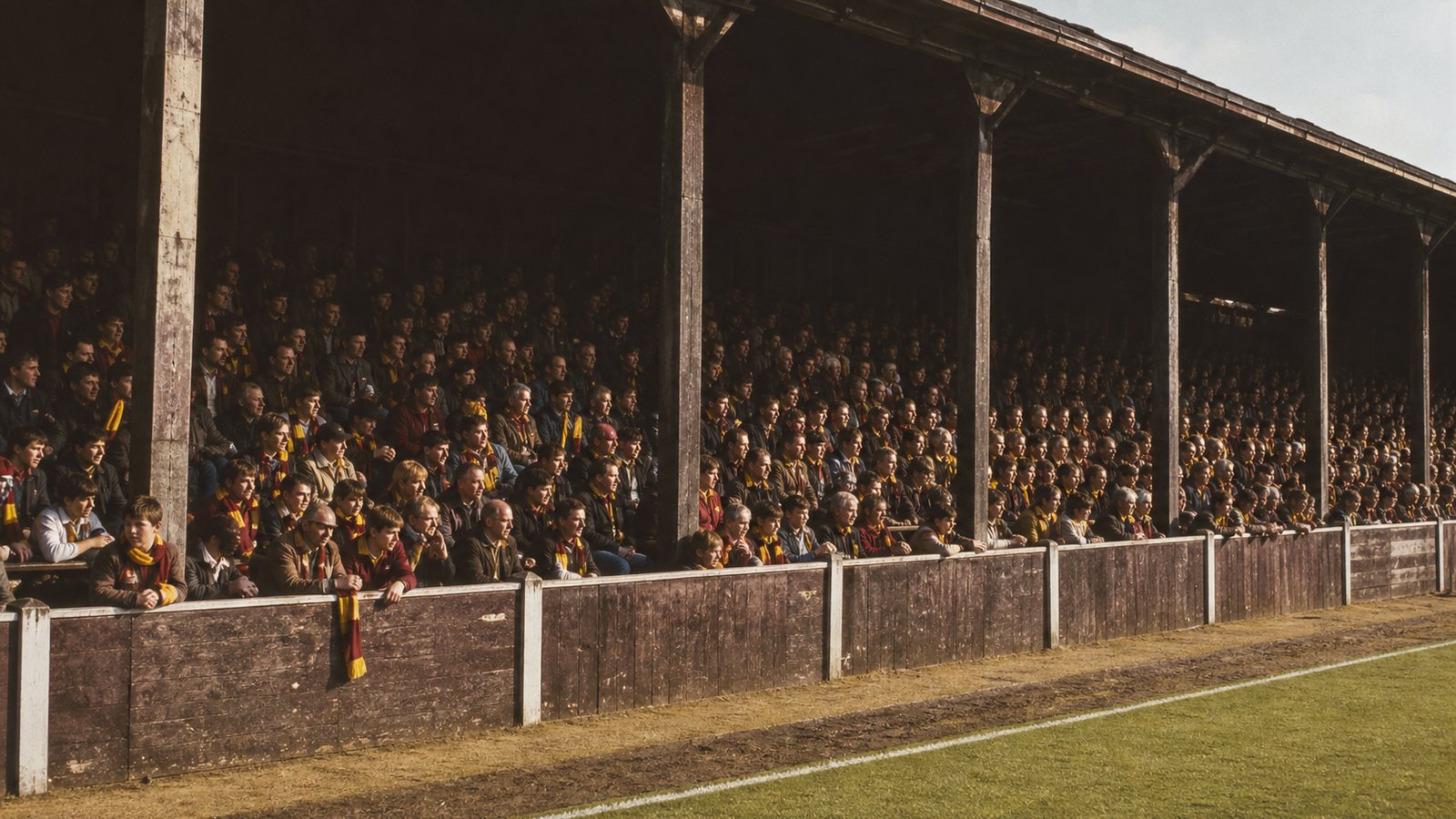
How a four-and-a-half-minute fire at Bradford exposed an ignored warning, transformed sports-ground law and left an unfinished lesson about escape.
How a four-and-a-half-minute fire at Bradford exposed an ignored warning, transformed sports-ground law and left an unfinished lesson about escape.
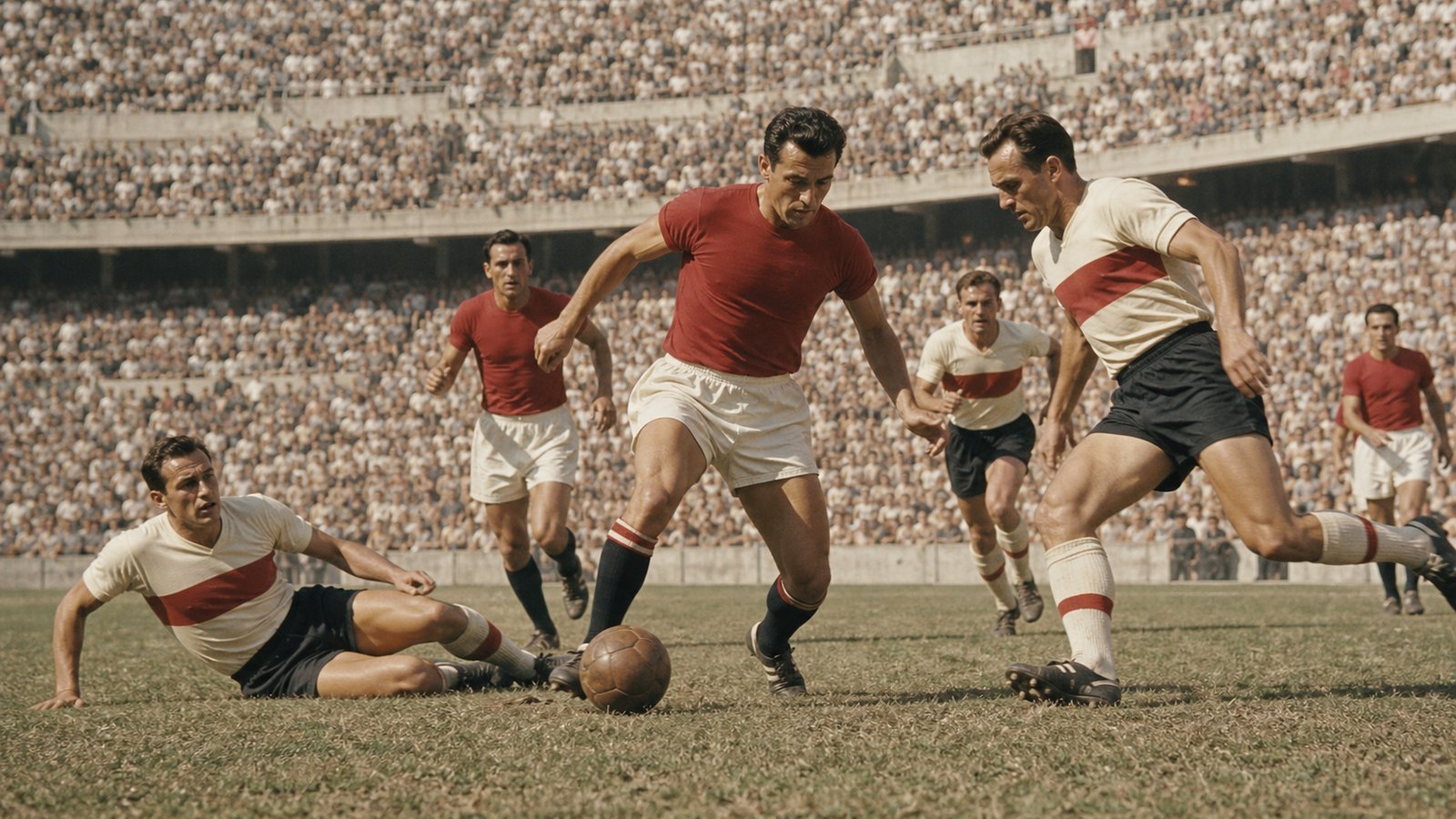
How Switzerland’s 3–0 lead, Austria’s five-goal reply and brutal Lausanne heat produced the highest-scoring match in men’s World Cup history.

The rehearsed movement, career-long risk and positional imagination inside René Higuita’s 1995 Wembley scorpion kick.
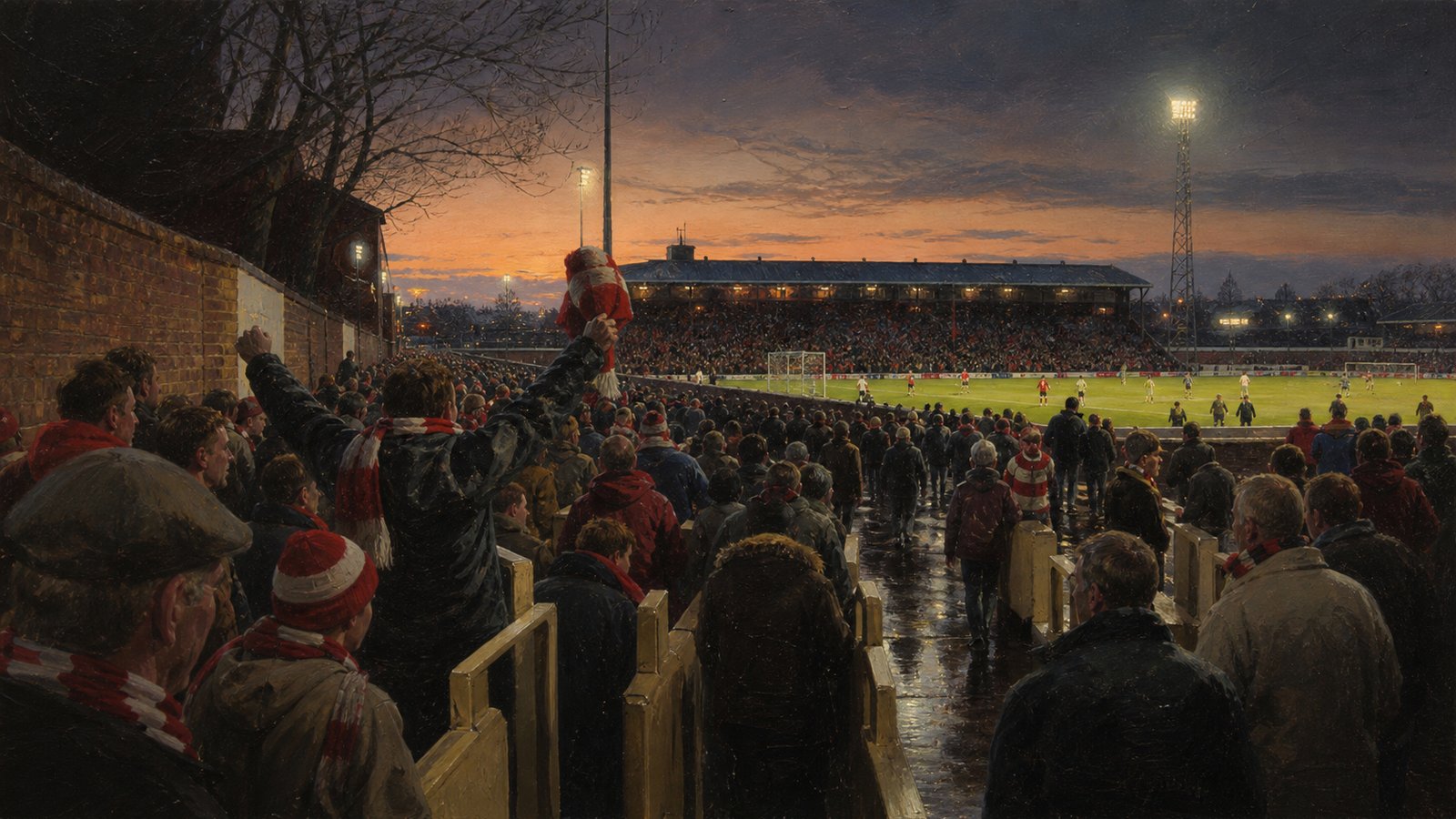
How Charlton supporters turned a rejected stadium plan into a sixty-candidate local-election campaign and helped force The Valley back onto Greenwich’s agenda.
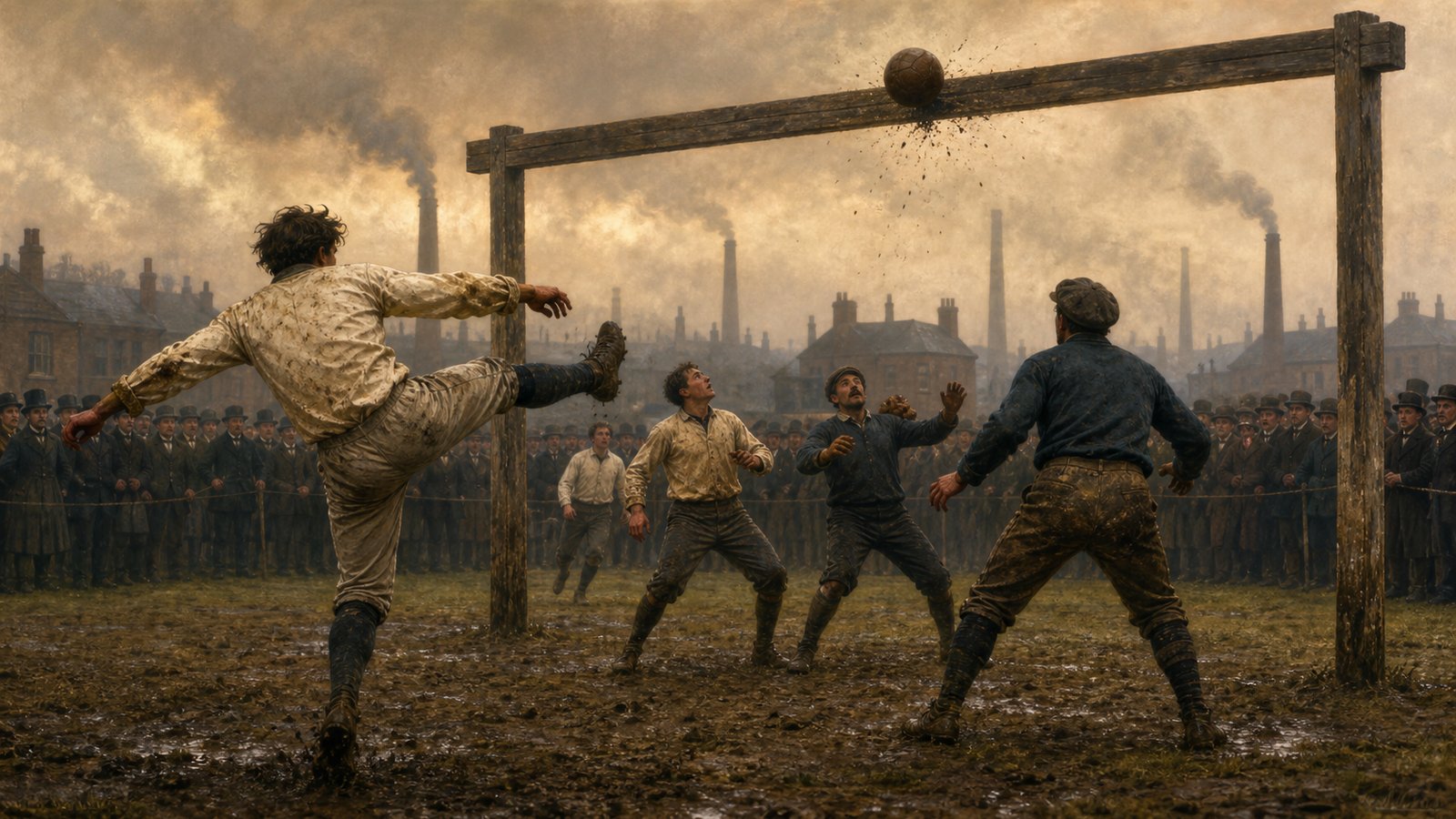
Sheffield used a hard upper boundary before the London FA accepted even a tape, and football spent two decades negotiating the modern goal into existence.
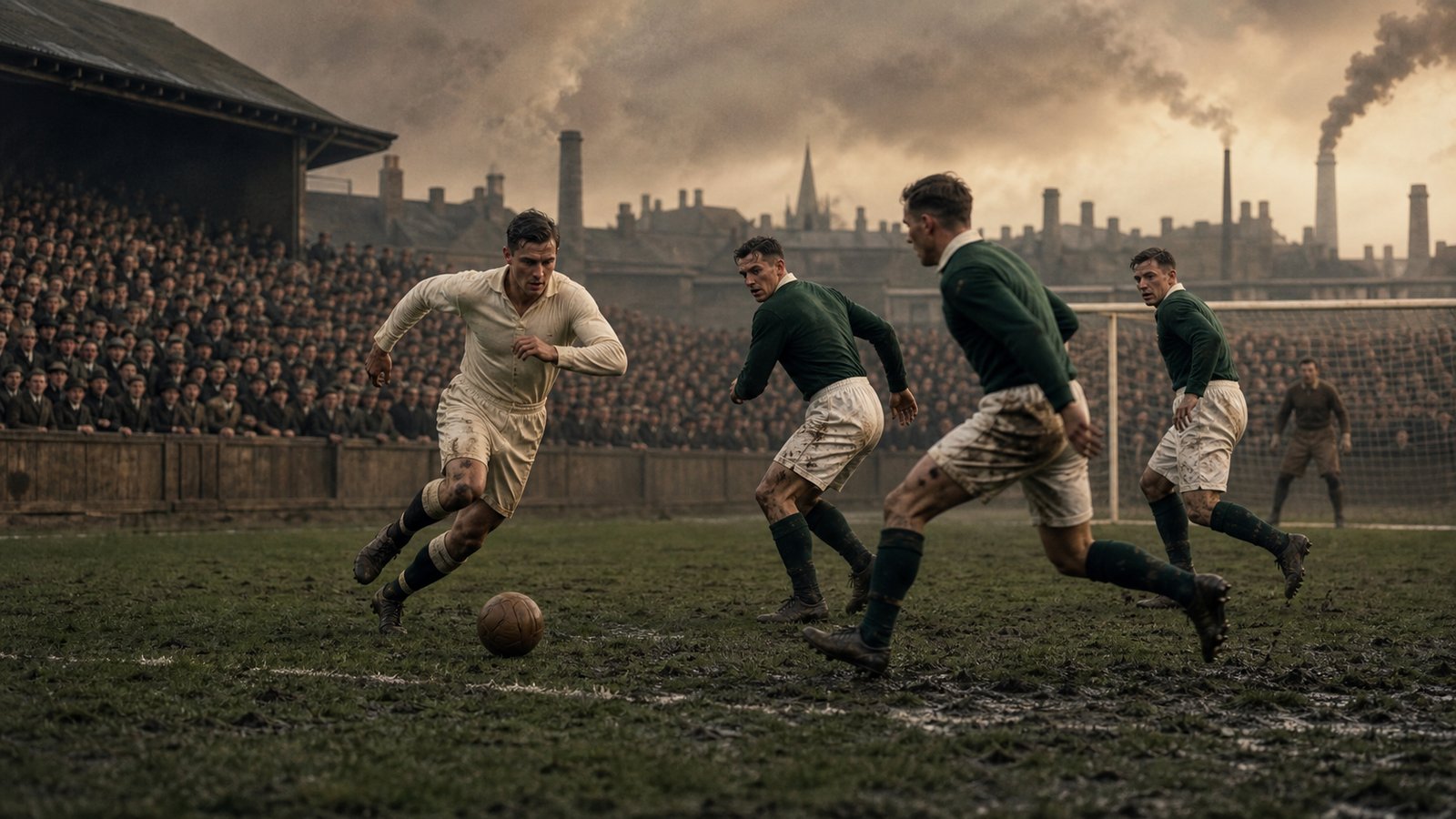
The 1925 offside amendment reduced the required opponents from three to two, unleashed a scoring surge, and forced coaches to reorganize the centre of defence.
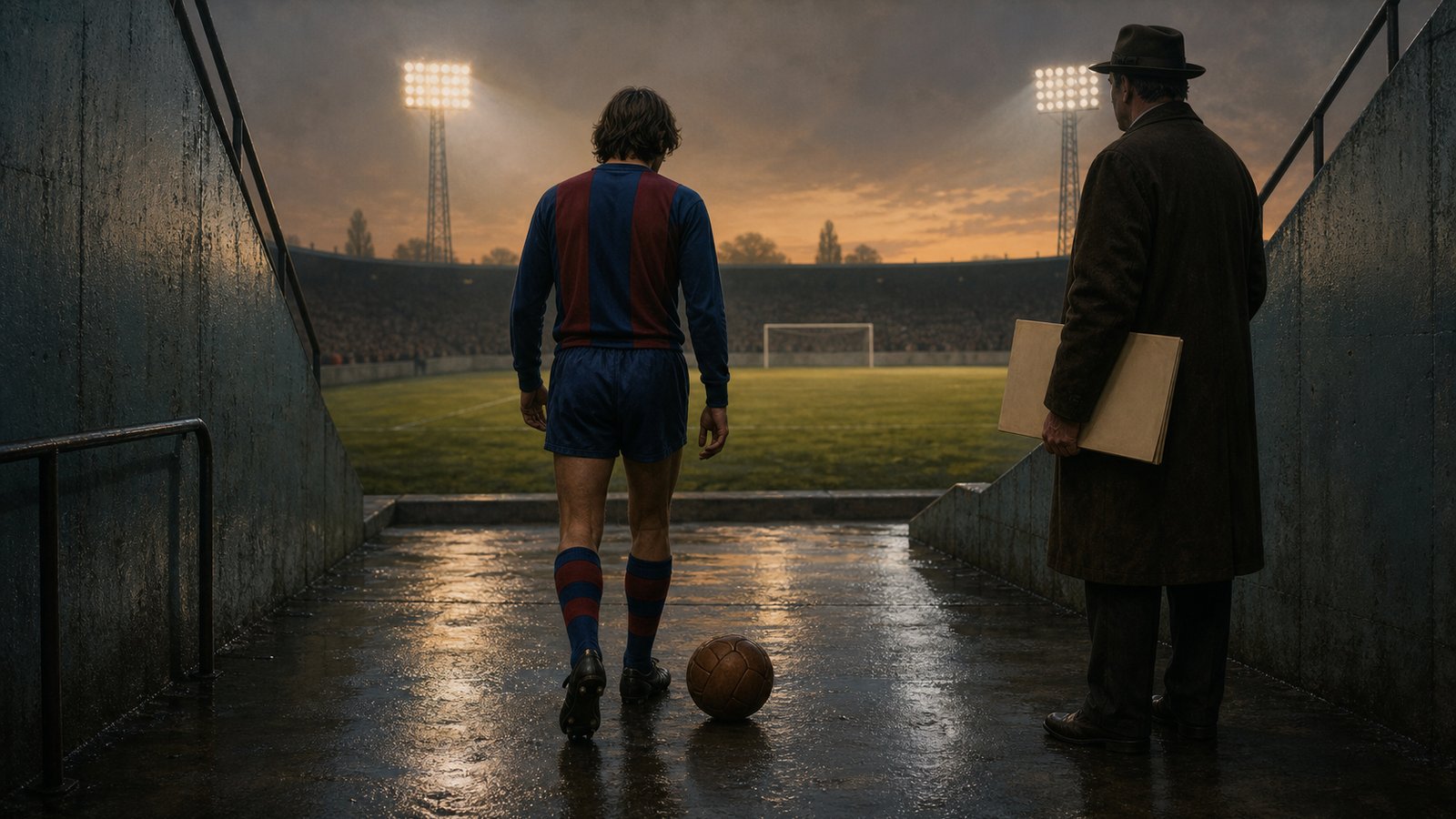
Barcelona broke the transfer record for Johan Cruyff in 1973, then waited for his league registration. His October debut began a rise from 14th place to the title.

West Auckland’s amateur miners financed their 1909 trip to Turin, won the Sir Thomas Lipton Trophy twice, then saw club debt separate the trophy from them for £40.
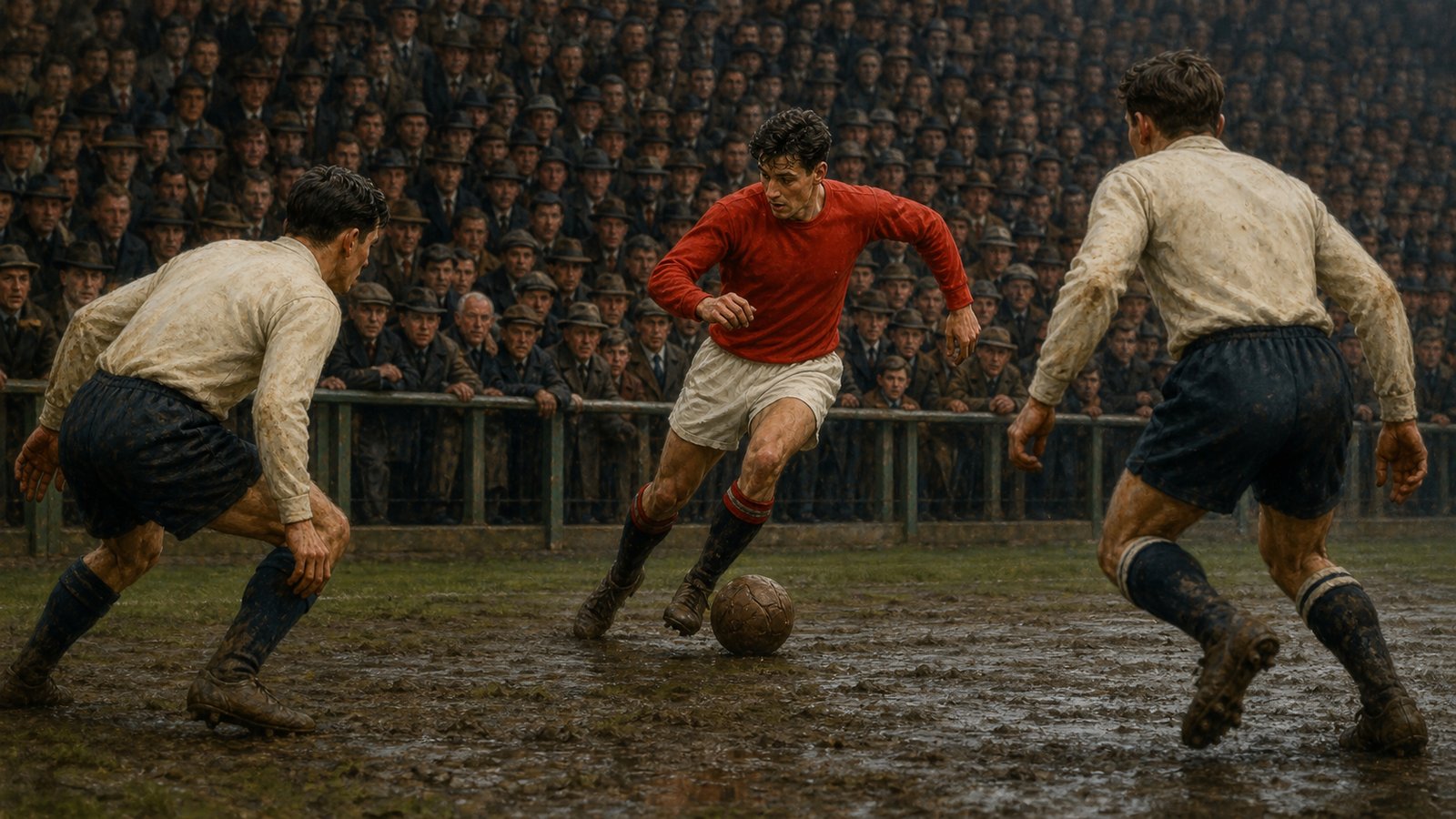
Len Shackleton’s blank chapter about directors condensed a career-long conflict between a crowd-pleasing improviser and the people who controlled footballers’ work.
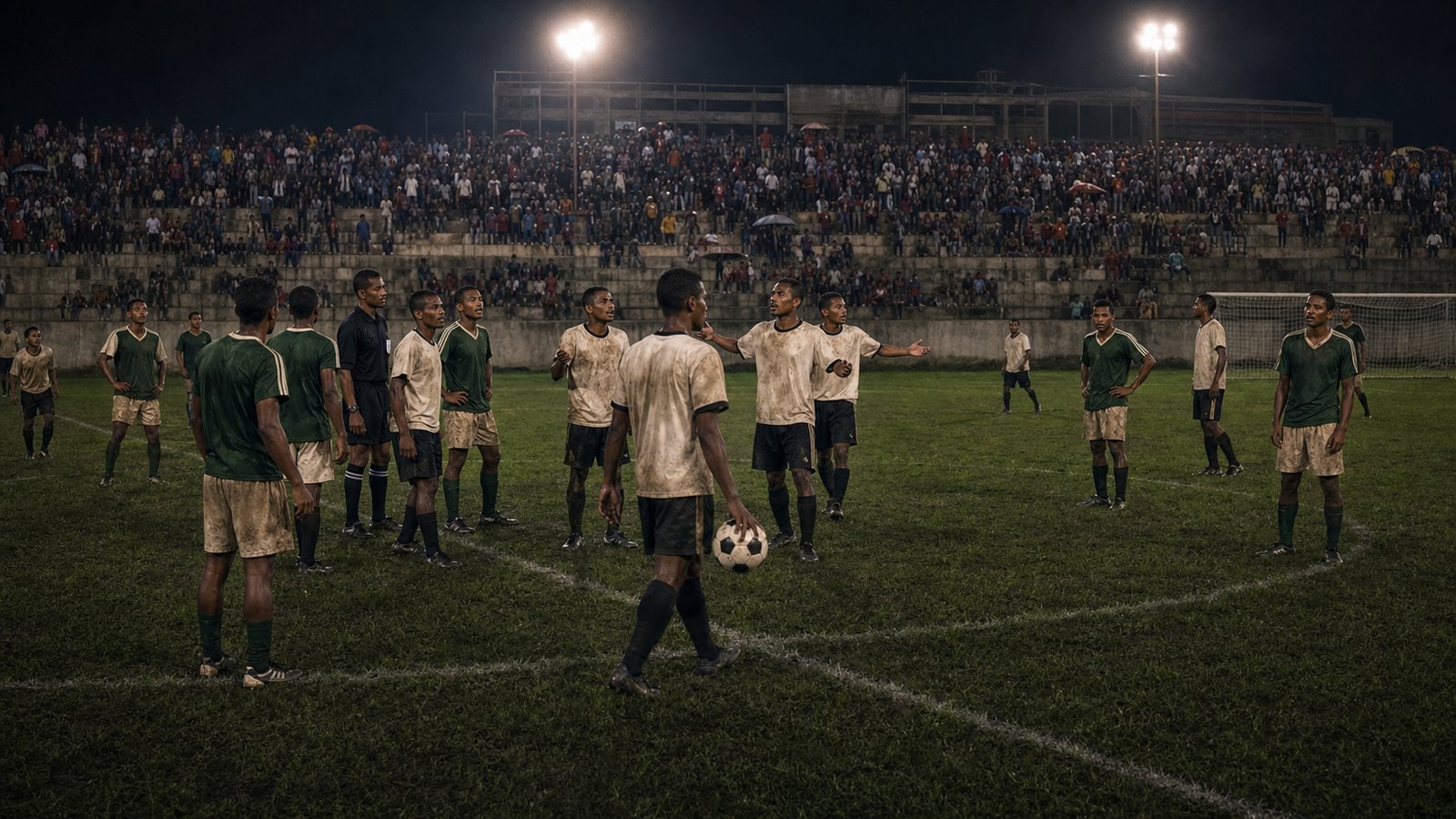
SO l’Emyrne’s 149 own goals were not a defensive collapse. They were a coordinated protest that left an official score counting after competitive intent had vanished.