
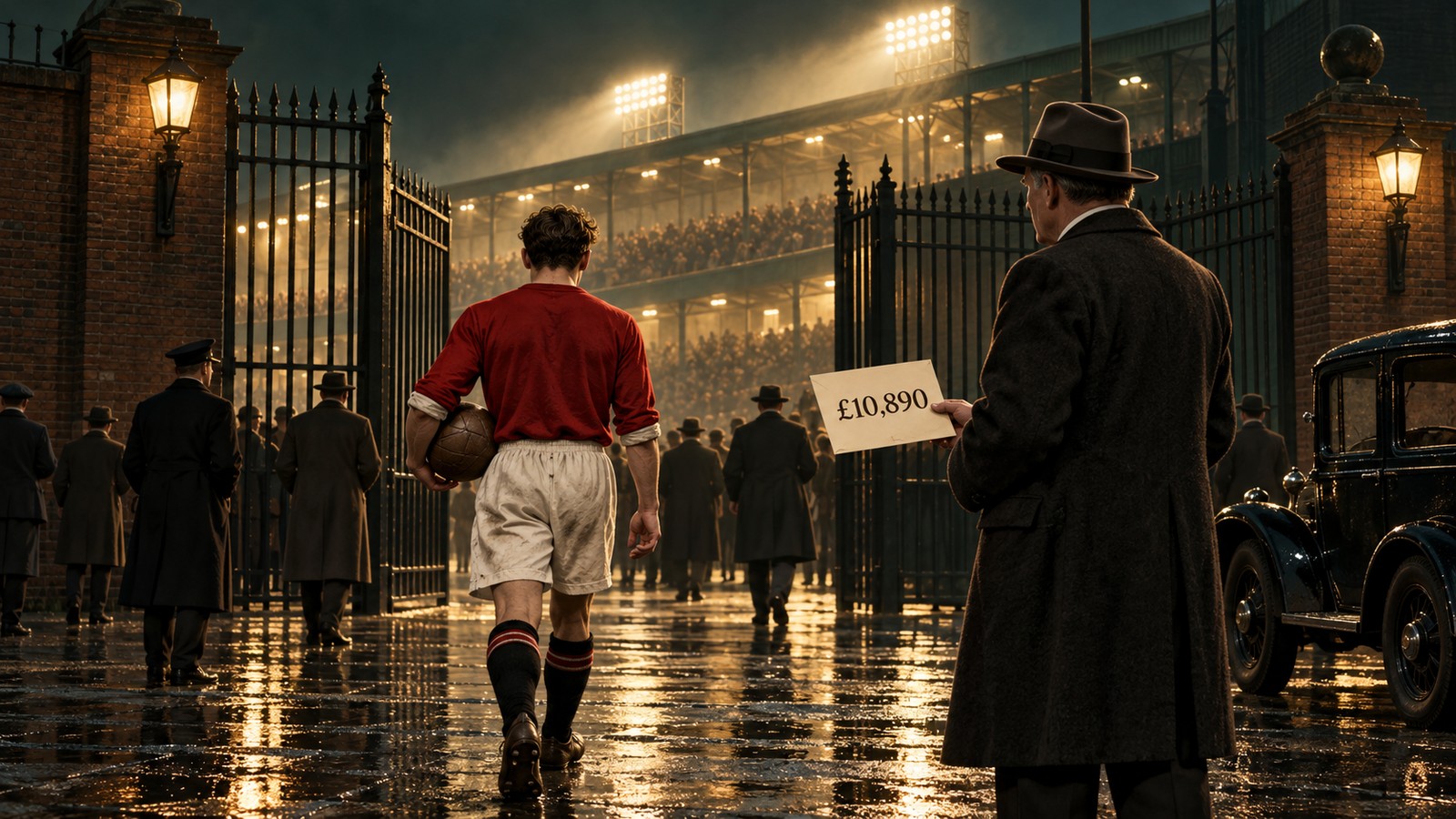
Herbert Chapman wanted David Jack, but Bolton Wanderers had given him two reasons to pause. Jack was 29, an advanced age for a record purchase in 1928, and Bolton initially said he was not for sale. When that position softened, the quoted price was at least £13,000—an amount that made even ambitious football men recoil.
Chapman did not walk away. He arranged a late meeting in a hotel bar, quietly kept the alcohol out of his own glass, and watched Bolton’s asking price fall as the evening stretched toward 2am. The final sum was reported as £10,890, making Jack football’s first five-figure transfer. What looked like extravagance soon became a practical piece of Arsenal’s first great side.
The deal matters because it exposes a transfer market learning how to price certainty. Arsenal were not buying promise. They were paying for a forward who had already scored the first goal at Wembley, decided another FA Cup final and built a formidable league record. The risk lay in his age, the fee and the pressure of being publicly measured against both.
Bolton’s inside-forward arrived with two Wembley goals behind him
Jack’s route to the record began far from Highbury. He played for Plymouth Argyle after the First World War, following a family connection to the club through his father, Bob Jack. Bolton brought him back to his birthplace in December 1920 for £3,500, itself a major fee for the period.
At Bolton, Jack developed into a direct, productive inside-forward. He scored 144 goals in 295 league appearances, according to England Football Online, and became one of the club’s defining attackers of the decade. His value rested on more than volume. His best moments had already arrived on football’s largest domestic stage.
The 1923 FA Cup final was Wembley’s chaotic opening act. A vast crowd spilled around the field before mounted police helped clear enough space for Bolton and West Ham to begin. Jack scored after two minutes, the first goal in the new stadium’s history. Three years later he supplied the only goal as Bolton beat Manchester City in the 1926 final.
Those scenes made Jack unusually legible as an expensive target. Arsenal could see that he handled decisive matches, attacked space directly and finished often. His nine England appearances were modest beside his club record, but four came as captain. He was an established footballer with a résumé that reduced one kind of uncertainty while increasing another: how much useful time remained?
Chapman used a hotel bar to change Bolton’s number
Chapman had already built champions at Huddersfield Town before moving to Arsenal. In London, he needed proof that his methods could travel. Bolton’s first answer did not help: most of their squad might be discussed, but Jack was excluded. Then came a figure that could open the conversation—no less than £13,000.
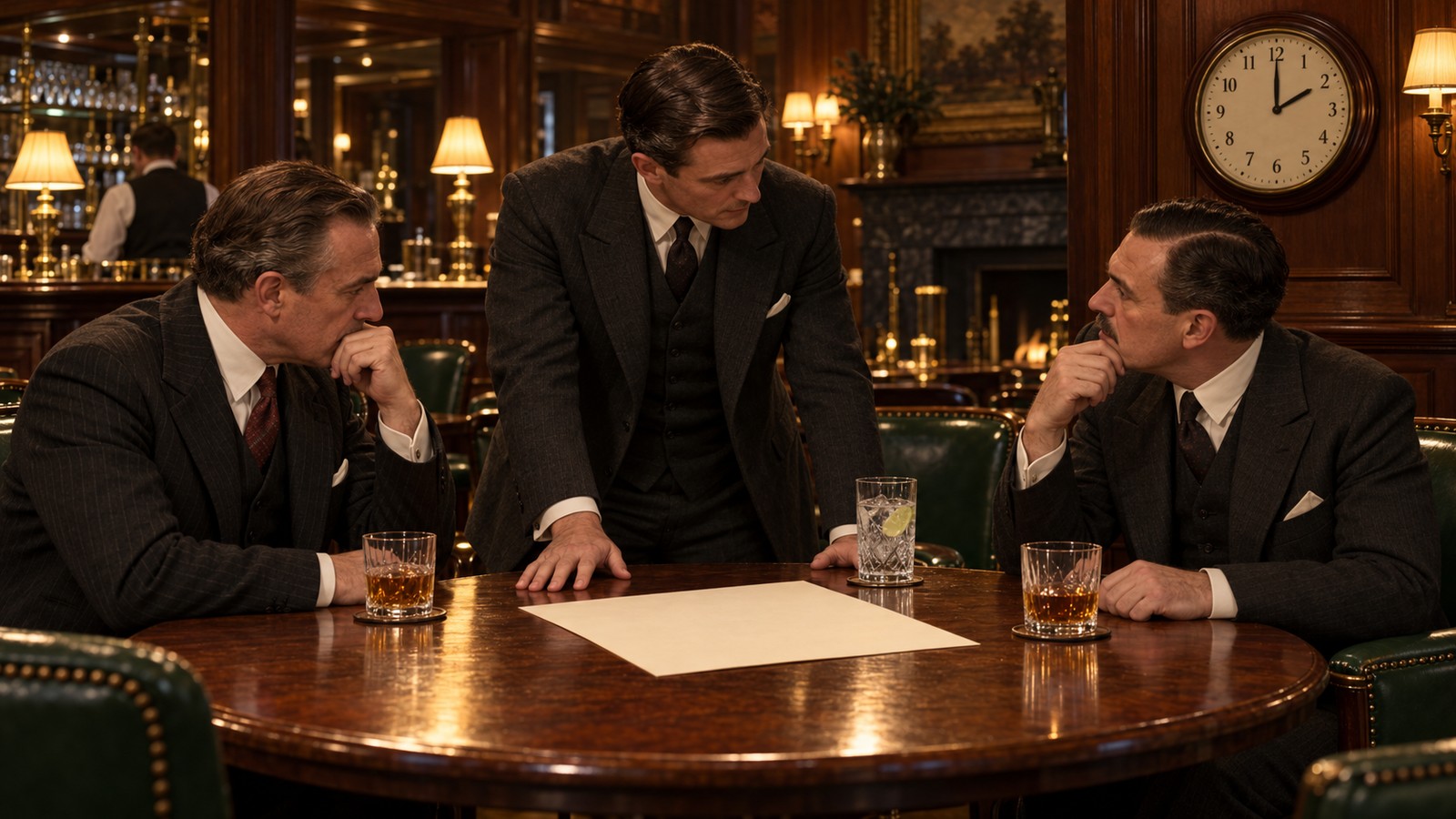
The negotiation became part of football folklore because Chapman treated the setting as a tool. In the account later repeated by journalist Norman Fox, the Arsenal manager arrived early at a hotel and instructed a waiter to serve him gin and tonic without the gin. Chapman’s assistant received whisky and dry ginger without the whisky. Bolton’s representatives were given doubles.
As the hours passed, the room grew more convivial while Chapman stayed clear-headed. By around 2am, the price had dropped. Bolton officials later remembered £11,800; Chapman recalled £10,890. Arsenal’s own historical profile uses £10,890, while other records give a slightly different accounting total. Every version clears the decisive threshold: more than £10,000 for one footballer.
The story should not disguise Bolton’s leverage. Jack was a proven scorer, the club understood his importance, and Arsenal were the pursuer. Nor was the fee a casual indulgence. Chapman had previously argued for limits on transfer prices. Once the Football League declined to impose them, he operated inside the market that existed and sought an edge in the negotiation itself.
The record fee followed Jack into his first months
A record changes the way ordinary performances are read. Jack debuted away to Newcastle United amid an Arsenal run of five winless away matches. Arsenal won, but the newcomer’s own display was subdued. He remained short of his best form and heard the crowd’s criticism as the price became part of every judgment.
Jack understood the burden. Reports describe him feeling pressure to exceed what he had done at Bolton, as though the payment demanded immediate statistical proof. The difficulty was not simply tactical. He had moved clubs after eight seasons, left a familiar partnership and entered a side still being assembled around Chapman’s ideas.
Arsenal’s archived player profile nevertheless records 25 goals in 31 matches in Jack’s first campaign. That is a striking return for a supposedly fading 29-year-old, but it did not instantly bring a trophy. Chapman was still adding the pieces that would define the next decade, including Alex James and the younger wide forward Cliff Bastin.
Jack’s role also asked for more than finishing. He could run directly at defenders and create room with a sharp swerve, yet Arsenal’s shape required an inside-forward to connect midfield work with the front line. The record purchase had to become one function inside a larger team rather than a weekly exhibition of cost.
The fee became small beside Arsenal’s first trophies
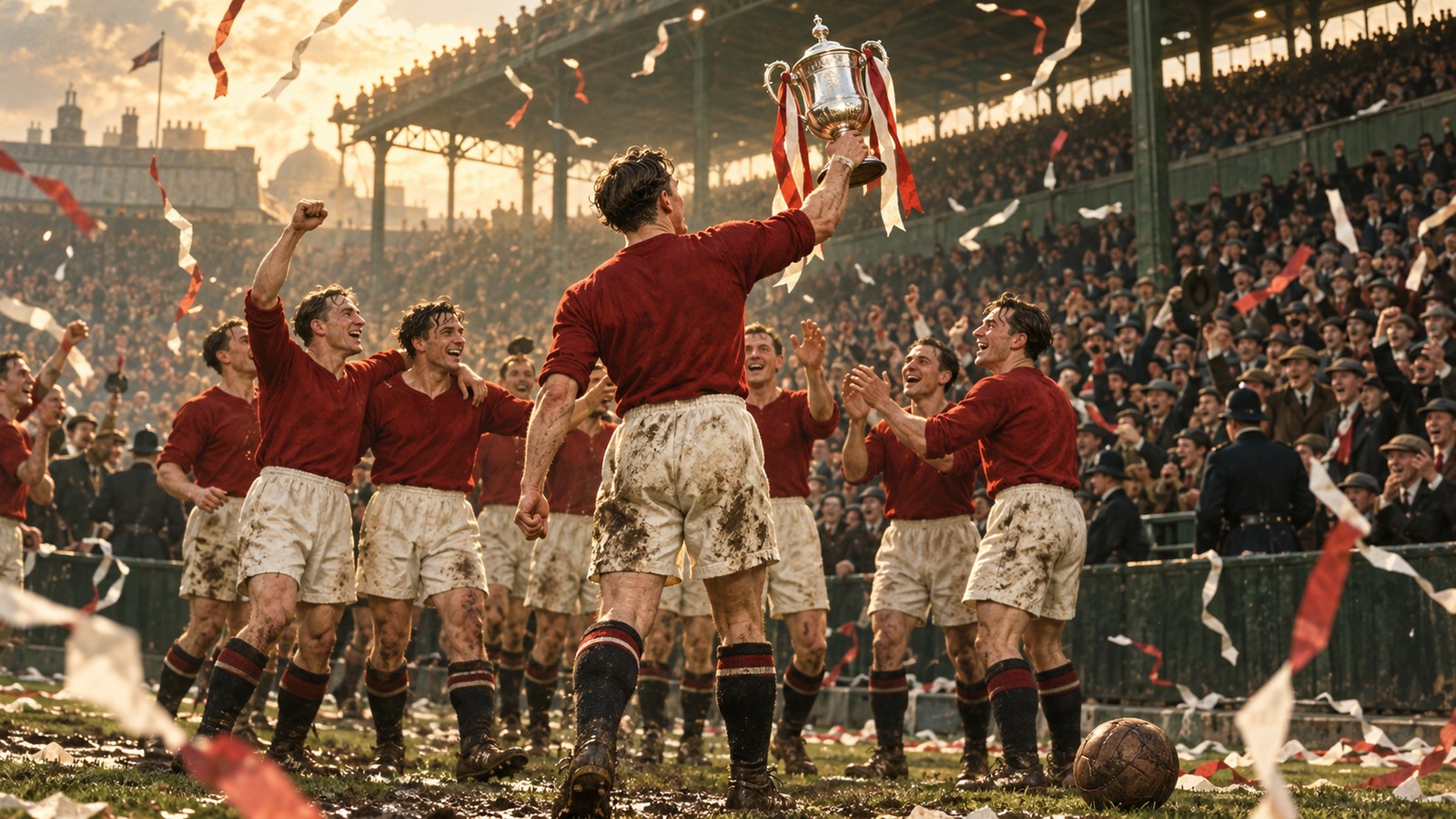
The first major return arrived in 1930. Arsenal beat Chapman’s former club Huddersfield Town 2–0 in the FA Cup final, and Jack became the first player to win the competition at Wembley with two different clubs. The man associated with the stadium’s first goal now linked Bolton’s 1920s success to Arsenal’s breakthrough.
The following league season supplied the strongest answer to doubts about age. Jack scored 34 times as Arsenal won the championship for the first time. He collected further title medals in 1932–33 and 1933–34, although his influence declined as Ray Bowden emerged and the older forward moved toward retirement.
Arsenal’s club record gives Jack 124 goals in 208 appearances. The totals made Chapman’s famous description—“one of the best bargains I ever made”—less paradoxical than it sounds. A record price can still be a bargain when the buyer receives elite production during the exact years a team crosses from aspiration into repeated success.
Jack retired in May 1934 and moved into management. His Arsenal career therefore lasted fewer than six full seasons, not the long development arc expected from a modern record signing. The purchase worked because Arsenal bought a concentrated stretch of known quality and placed it inside a team whose competitive window was opening.
The first five-figure deal priced evidence, not potential
Modern transfer records often attach enormous sums to youth, resale value and imagined development. Jack’s deal followed the opposite logic. He was nearly 30, had played hundreds of senior matches and had already delivered two FA Cup-winning moments. Arsenal paid for evidence that could be used immediately.
The episode also shows that transfer theatre is older than television deadlines and private jets. There was an asking price, a reluctant seller, a manager under pressure to prove himself and a negotiation staged to alter the mood in the room. The numbers were smaller, but the contest over information and resolve was recognisable.
Jack’s earlier Wembley landmark survives in the story of the 1923 White Horse final. The 1928 transfer adds a different frame. Arsenal were not purchasing one famous afternoon. They were judging whether the footballer behind it could still shape several seasons.
Chapman’s gamble succeeded without becoming effortless. Jack felt the fee, endured criticism and entered a team that was still unfinished. Then the goals continued, the cup arrived and league titles followed. Football’s first five-figure player did not make the price disappear. He made it look like a rational cost of getting the right years from a proven forward.
Sources
- Arsenal, David Jack player profile
- The Independent, “Football: Jack the jewel of Highbury”
- England Football Online, David Jack biography and career record
- Arsenal — The Complete Record