
River Plate’s relegation in 2011 still feels wrong at first glance. Some clubs appear too large for ordinary football gravity: too many trophies, too many supporters, too much mythology in the concrete of the stadium. River were one of those clubs. Their red sash had carried decades of Argentine football identity, from elegant academy players to continental nights and domestic titles. Yet the table did not care about the mythology. By the end of June 2011, River were not merely embarrassed. They were out of the top division.
The shock was not that a famous team lost two bad matches. The shock was that years of structural decline finally found a mechanism precise enough to punish them. Argentina’s promedio system, which averaged league results over multiple seasons, was designed to smooth out one unlucky campaign. For River, it had the opposite effect. It turned a slow institutional slide into a trap. Every poor season lingered. Every missed rebuild remained in the calculation. By the time Belgrano arrived in the playoff, River were fighting not only an opponent, but the accumulated weight of their own previous years.
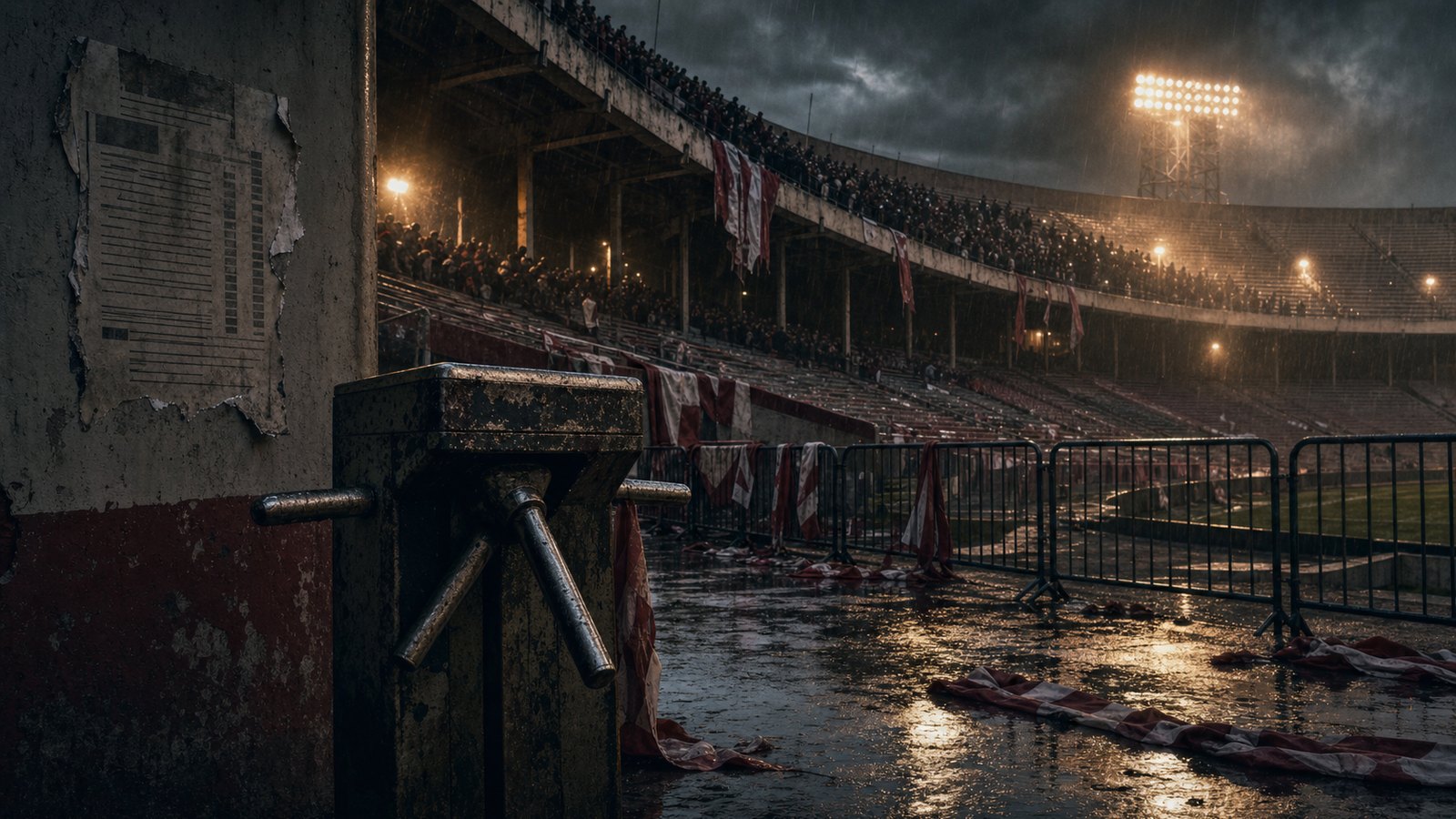
The Promedio Made Memory Count
Most relegation battles are brutally simple: collect enough points this season or go down. Argentina’s system was stranger and, in River’s case, crueler. The promedio measured points per game across multiple seasons, meaning a club could not fully escape yesterday by improving slightly today. The intention was stability, but it also meant that sustained mismanagement created a debt that could not be paid off in one late surge. River were not condemned by one collapse alone. They were dragged downward by a rolling account of underperformance.
That detail changes the story. If River had simply finished last in one bad year, the lesson would be about a disastrous squad. Under promedio, the lesson is about institutional time. A club can spend seasons telling itself the next window, the next coach, or the next academy player will restore order. The average table keeps adding the receipts. Eventually it becomes impossible to pretend that a bad year is temporary. River’s danger had been visible before the playoff, but fame can make warning signs feel like administrative noise until the final numbers are posted.
Belgrano Did Not Play the Role Assigned to Them
Belgrano were supposed to be the smaller club in the story, the obstacle a giant would survive before beginning its correction. The first leg in Córdoba destroyed that script. Belgrano won 2-0, giving River not just a football problem but a psychological one. The return leg at the Monumental then became a test of whether size could still intimidate arithmetic. River needed the stadium, the shirt, and the occasion to become worth goals. They did not. The 1-1 draw meant Belgrano went up and River went down.
The mechanics of the tie are important because they deny the comfort of a freak accident. River were not struck by one late deflection after dominating everything. They entered the decisive match carrying a deficit, anxiety, and a table that had already judged their season. Belgrano’s achievement was not merely surviving the noise. It was making the match feel like a football contest rather than a coronation. They forced River to live inside the same rules as everyone else.
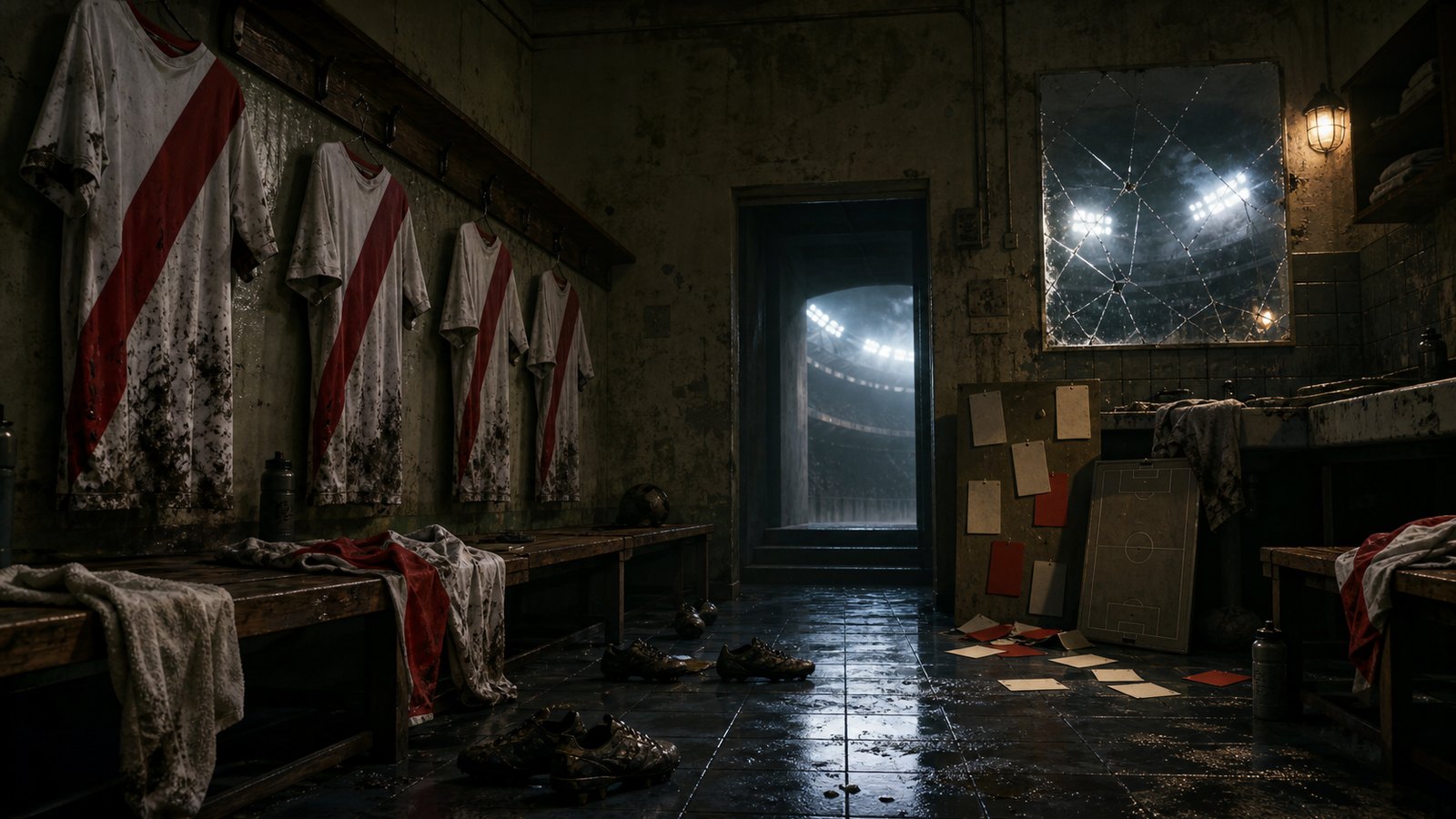
The Crowd Disorder Showed How Identity Had Been Cornered
The aftermath at the Monumental was ugly because relegation attacked more than league status. It attacked identity. For supporters raised on the idea that River represented a certain level of Argentine football, the drop felt like an impossible sentence being read aloud in public. Crowd disorder after the final whistle became part of the global memory of the day, but it should not be treated as random chaos separated from the football. It was the visible rupture of a belief system that had been stretched for years.
None of that excuses violence. It explains why the event carried such force. Relegation for a giant does not simply move fixtures from one division to another. It changes who can mock you, where you must travel, which players will stay, and how every conversation about the club begins. River’s descent became a national argument because it asked whether history had any protective value once the team on the pitch and the institution behind it had weakened enough.
The Collapse Was Also a Governance Story
Great clubs can hide governance problems longer than small clubs because the brand keeps producing oxygen. Supporters still come. Sponsors still know the name. Young players still want the badge. That can create a dangerous illusion: the club appears alive even while decision-making gets thinner. River’s 2011 relegation exposed how little prestige matters when sporting planning, finances, and squad construction stop reinforcing each other. The table did not punish the past greatness. It punished the present inability to turn greatness into points.
The warning applies far beyond Argentina. Every large club believes its floor is higher than the league’s worst outcomes. River showed that floors are maintained, not inherited. If recruitment misses, if debt limits choices, if coaches change without a coherent plan, and if the dressing room carries anxiety instead of authority, the badge eventually stops acting as armor. The bigger the club, the more violent the moment when everyone realizes the armor was symbolic.
Recovery Did Not Erase the Scar
River returned to the top flight quickly, and the club later rebuilt itself into a continental force again. That recovery matters. It prevents 2011 from being the end of the story. Matías Almeyda, among others, became associated with the climb back, and the institution found a way to turn humiliation into a harder reset. But recovery did not make the relegation meaningless. If anything, the return made the lesson sharper: River had enough resources and identity to come back, which only underlined how avoidable the fall had been.
Supporters sometimes treat relegation as either apocalypse or purification. River’s case was both less mystical and more useful. It was a forced audit. The club had to confront which parts of its self-image were still functional and which were decorative. The second division did not magically cleanse the institution, but it removed the luxury of denial. Matches that once seemed beneath River became evidence that status had to be earned again.
The Real Meaning of 2011
River Plate 2011 remains powerful because it is a story about football’s memory becoming enforceable. The promedio table remembered what the club wanted to forget. Belgrano made the playoff a contest rather than a ceremony. The Monumental witnessed the moment when history, debt, poor seasons, and public expectation collided. A giant fell, but not because giants are secretly ordinary. River fell because even giants need working systems beneath the mythology.
That is the part every big club should fear. The badge can fill a stadium, but it cannot mark a striker, balance a budget, or erase three seasons from an average. River’s relegation did not prove that history is worthless. It proved that history becomes fragile when an institution asks it to do the work of planning.
Sources
AFA historical tables; RSSSF Argentina 2010-11; BBC Sport report; Reuters match report; The Guardian feature coverage; River Plate club history.