

The ball had travelled backward before South Korea had properly moved forward. Hong Myung-bo received it near his own penalty area, İlhan Mansız closed from his blind side, and one loose touch opened the shortest route to goal. Mansız rolled the ball across. Hakan Şükür met it with his left foot. At 10.8 seconds, a match normally treated as the World Cup’s unwanted appointment already had its record.
That opening is remembered as a stopwatch fact: the fastest goal in World Cup finals history. The rest of Turkey’s 3–2 victory explains why it mattered. Two exhausted semifinalists arrived in Daegu with radically different emotional burdens, then produced five goals, 29 shots and a game played with almost none of the caution expected from a third-place playoff. Şükür’s finish removed the ceremony from the occasion. From the first attack, there was something concrete to chase.
Daegu Received Two Teams With Nothing Left to Conceal
South Korea and Turkey had already travelled further than either country had previously gone at a men’s World Cup. The co-hosts had become the first Asian side to reach a semifinal. Turkey were appearing at their first finals since 1954, the tournament that began with a replay and a drawing of lots against Spain, and had now reached the last four for the first time.
Both had lost narrow semifinals. Germany beat South Korea 1–0; Brazil beat Turkey by the same score. The consolation match on 29 June could therefore have felt like an administrative coda. Instead, 63,483 people filled Daegu World Cup Stadium for Guus Hiddink’s final match in charge of the hosts. Hiddink altered his defensive personnel, while Turkey paired Şükür with Mansız.
The pairing carried its own tension. Şükür was Turkey’s best-known forward and an established international scorer, but he had gone through six matches at the tournament without a goal. Mansız had made his strongest impact from a less secure place in the side. The first possession reversed those anxieties. Mansız created the opening; Şükür completed it.
Ten Point Eight Seconds Came From a Press, Not a Sprint
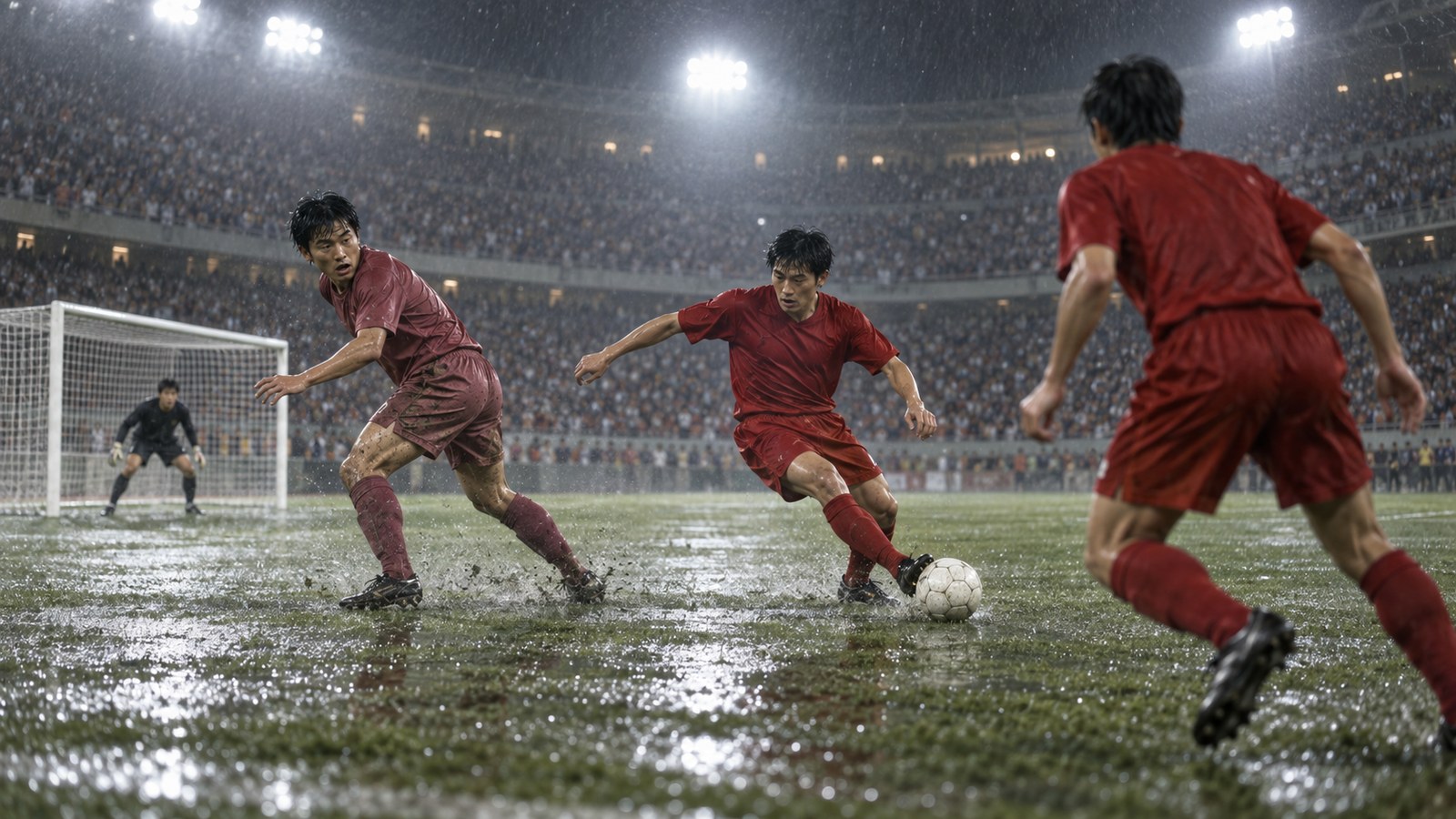
The kickoff itself belonged to South Korea. They sent the ball back, expecting the first phase to settle the shape of the game. Mansız refused the pause. He accelerated toward Hong, stole possession near the edge of the area and looked sideways rather than shooting through traffic. Şükür arrived in the open channel and guided a left-footed finish beyond Lee Woon-jae.
The sequence lasted 10.8 seconds, but its decisive action was not Şükür running faster than everyone else. It was Mansız recognizing that a backward opening pass had isolated South Korea’s captain. The press converted a harmless restart into a two-against-one before the hosts had established supporting angles. One touch won the ball, another moved the goalkeeper, and the third finished.
For Şükür, the timing was almost comic after the frustration of the previous six games. The goal was the 37th of his senior international career according to the match-by-match statistical record. He would eventually finish with 112 caps and 51 goals. Yet his only goal of this World Cup arrived when the competition had only one day left and his own match was barely underway.
The record can flatten that context. Eleven seconds sounds like a freak bounce detached from the player’s wider tournament. In Daegu, the early finish released him into a different role. Şükür would spend the first half linking the attacks that made Mansız the main scorer.
South Korea Answered Before the Match Could Settle
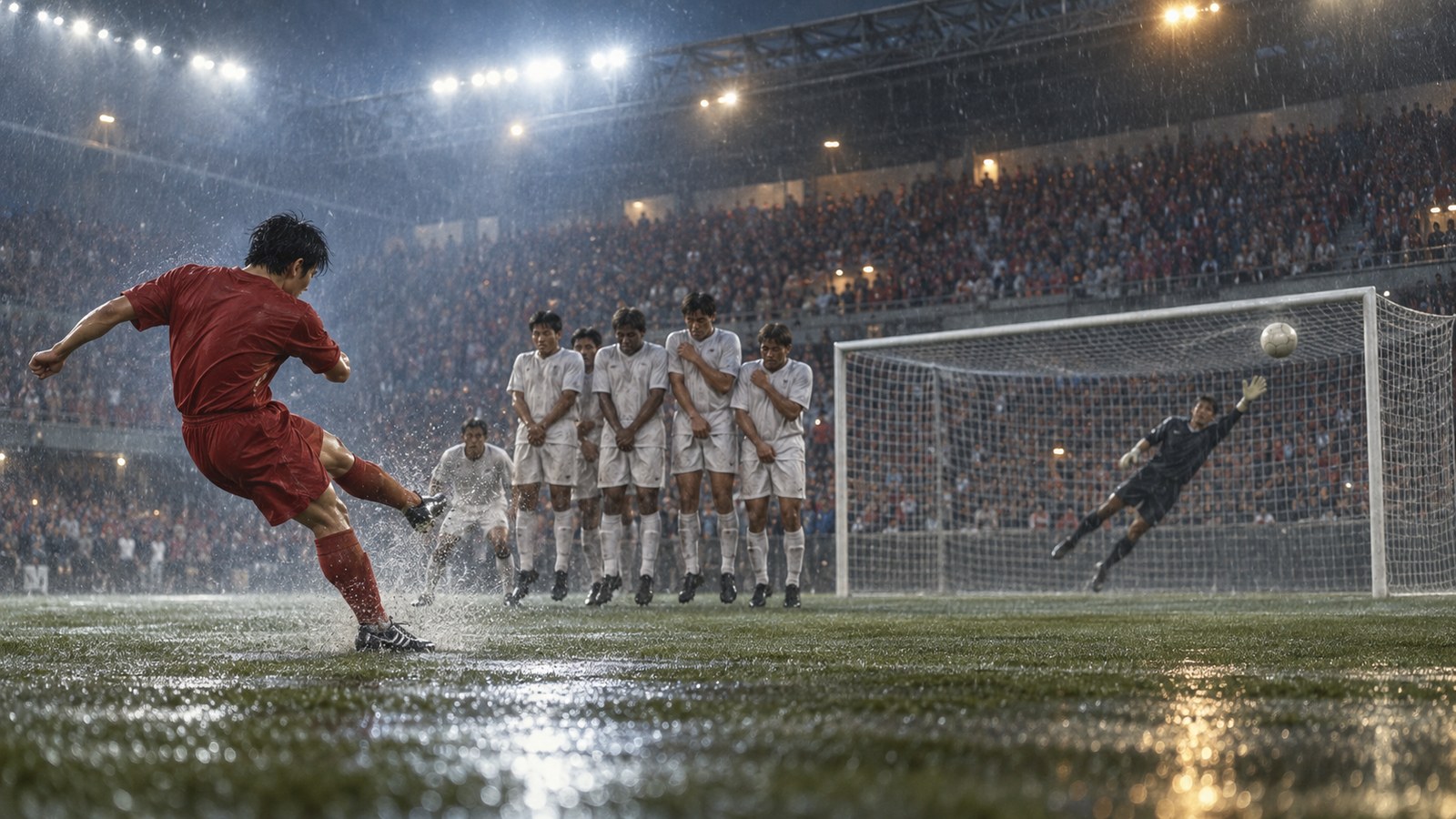
The home side did not allow the opening error to dictate the mood. In the ninth minute, Lee Eul-yong stood over a free kick roughly 25 yards from goal. His left-footed strike rose over the wall, brushed the post and entered the top corner. The equaliser transformed the stadium noise and restored the aggressive rhythm South Korea had carried through the tournament.
Turkey needed only a few minutes to respond. Şükür broke from midfield and combined with Mansız, whose finish in the 13th minute sent the ball beyond Lee Woon-jae. In the 32nd minute, the same pair constructed another route. Şükür redirected Rüştü Reçber’s long goal kick, the ball returned toward Mansız through a crowded exchange, and the forward lifted his shot over the goalkeeper.
Turkey led 3–1 at halftime. All three goals had involved the two strikers, but each began differently: a high press from kickoff, a transition through midfield and a direct ball contested farther up the pitch. The common feature was speed after the opening appeared. Turkey did not accumulate possession around the area. It attacked the moment South Korea’s spacing broke.
The sequence on 29 June 2002 can be read directly from the clock: 1–0 after 10.8 seconds, 1–1 in the ninth minute, 2–1 in the 13th and 3–1 in the 32nd. Three score changes arrived before the match was one-third complete. The final 3–2 result looked close, but Turkey had built the decisive margin inside that opening burst.
The Shot Count Told a Different Story From the Score
South Korea kept forcing the game toward Rüştü. The BBC’s match statistics recorded 20 home shots to Turkey’s nine, ten shots on target to six and ten corners to four. Possession was closer—54 percent to 46—but the territorial pressure was visible. Ahn Jung-hwan twisted into shooting positions, Lee Chun-soo tested the goalkeeper, and Cha Du-ri joined the final push.
Those figures clarify Turkey’s three first-half goals. The visitors were not controlling every phase; they were extracting unusually clear chances from moments when South Korea lost defensive connection. Hiddink’s team generated more volume. Turkey generated the early separation on the scoreboard and could defend it with bodies behind the ball.
Rüştü completed the match while carrying a groin injury, which added strain to the closing attacks. South Korea continued rather than accepting the result. Song Chong-gug finally scored with a deflected effort in stoppage time, reducing the margin to 3–2. There was time for the emotion of another goal, but not enough for a restart to become a comeback.
The hosts’ persistence matched a tournament in which they had repeatedly extended matches beyond expectation. Their campaign also gave a different setting to Ahn Jung-hwan’s golden goal and its consequences in Italy. The third-place game carried less competitive weight, yet it revealed the same refusal to let one setback close the night.
Third Place Became a Shared Exit Rather Than a Consolation
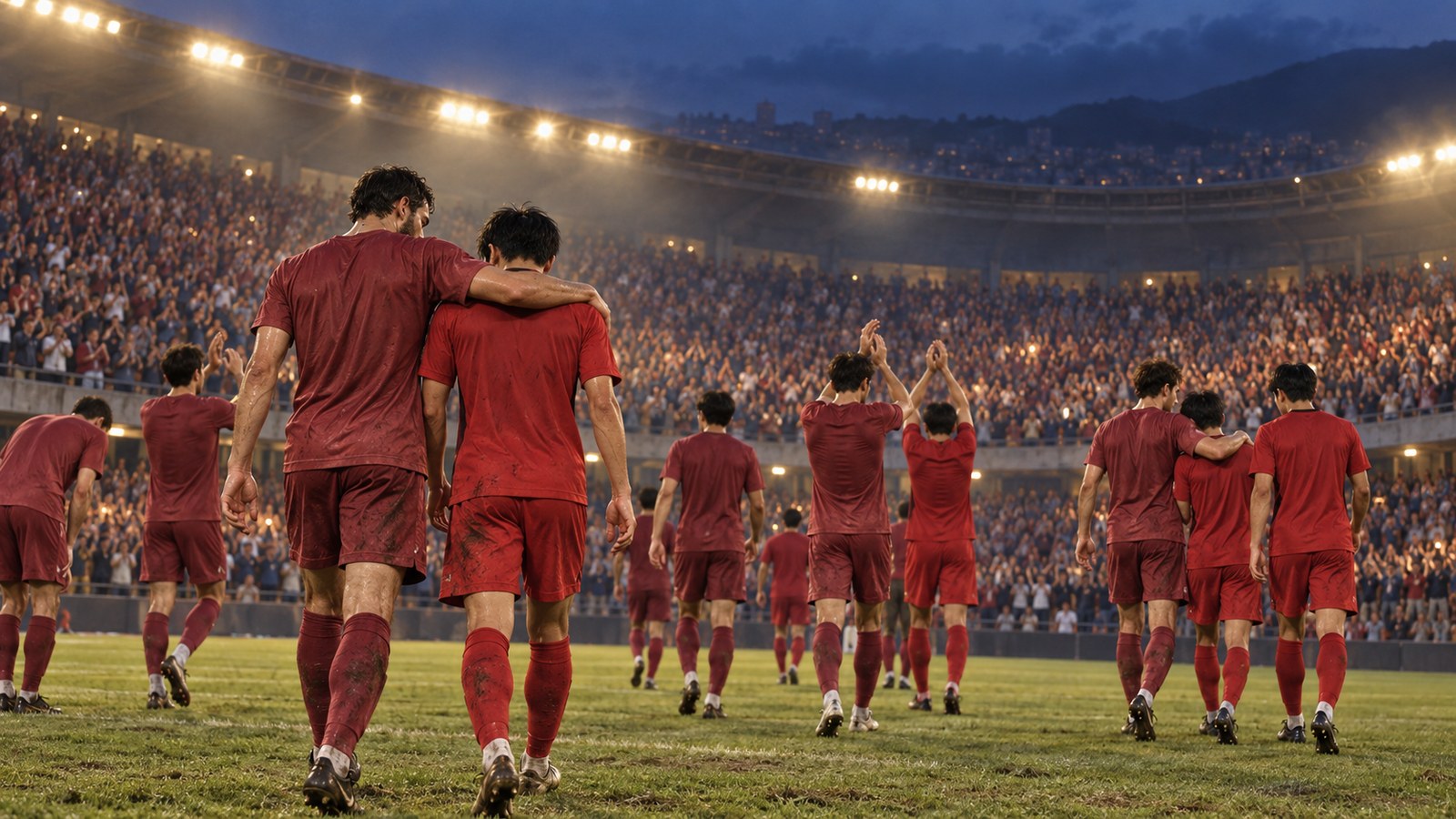
Turkey left with the best World Cup finish in its history. South Korea left with fourth place and the knowledge that its home crowds had watched an Asian team reach the semifinal for the first time. The score separated them, but the evening did not feel built around humiliation. Five goals allowed both groups of supporters to respond to one last surge. For Turkey, third place also closed a 48-year gap between World Cup appearances with a medal rather than a footnote.
That atmosphere matters when reading the fastest-goal record. Şükür did more than place his name beside a number. His finish destroyed the careful opening minutes in which a consolation match can become slow and self-conscious. Lee’s free kick demanded an immediate Turkish answer. Mansız’s two goals then gave South Korea a deficit large enough to attack without calculation.
The final whistle preserved a 3-2 score that was untidy, generous and appropriate to the occasion. A tournament full of pressure ended in Daegu with both teams taking risks. Turkey’s bronze medal came from sharper punishment of defensive errors; South Korea’s last contribution came from carrying an attack into stoppage time.
Şükür’s 10.8 seconds remain the clean headline because records provide an easy handle for memory. The match around them offers the richer point. The first goal did not settle the third-place playoff. It stripped away its caution, forcing 90 minutes that neither team could treat as a ceremonial goodbye.
Sources
BBC Sport; The Guardian; FIFA match record; RSSSF international record.