

At the Emirates on 22 February 2018, the clock had barely reached 23 minutes when Ken Sema took a pass on Arsenal’s right side. Calum Chambers tried to reach the ball first, missed, and turned away as Sema drove a low finish beyond David Ospina. The visiting end was still reacting to the previous attack. Only 70 seconds earlier, Hosam Aiesh’s shot had deflected from Chambers for the opening goal.
Östersund were now 2–0 ahead in London. One more unanswered goal would force extra time. Seven years earlier, the club played in Sweden’s fourth tier, drew about 500 spectators and lacked even basic scouting video. Its preparation for this stage involved promotions and tactical work, but also something stranger: footballers singing, writing and performing before their town.
A Nine-Hour Drive Came Before the Passing Drills
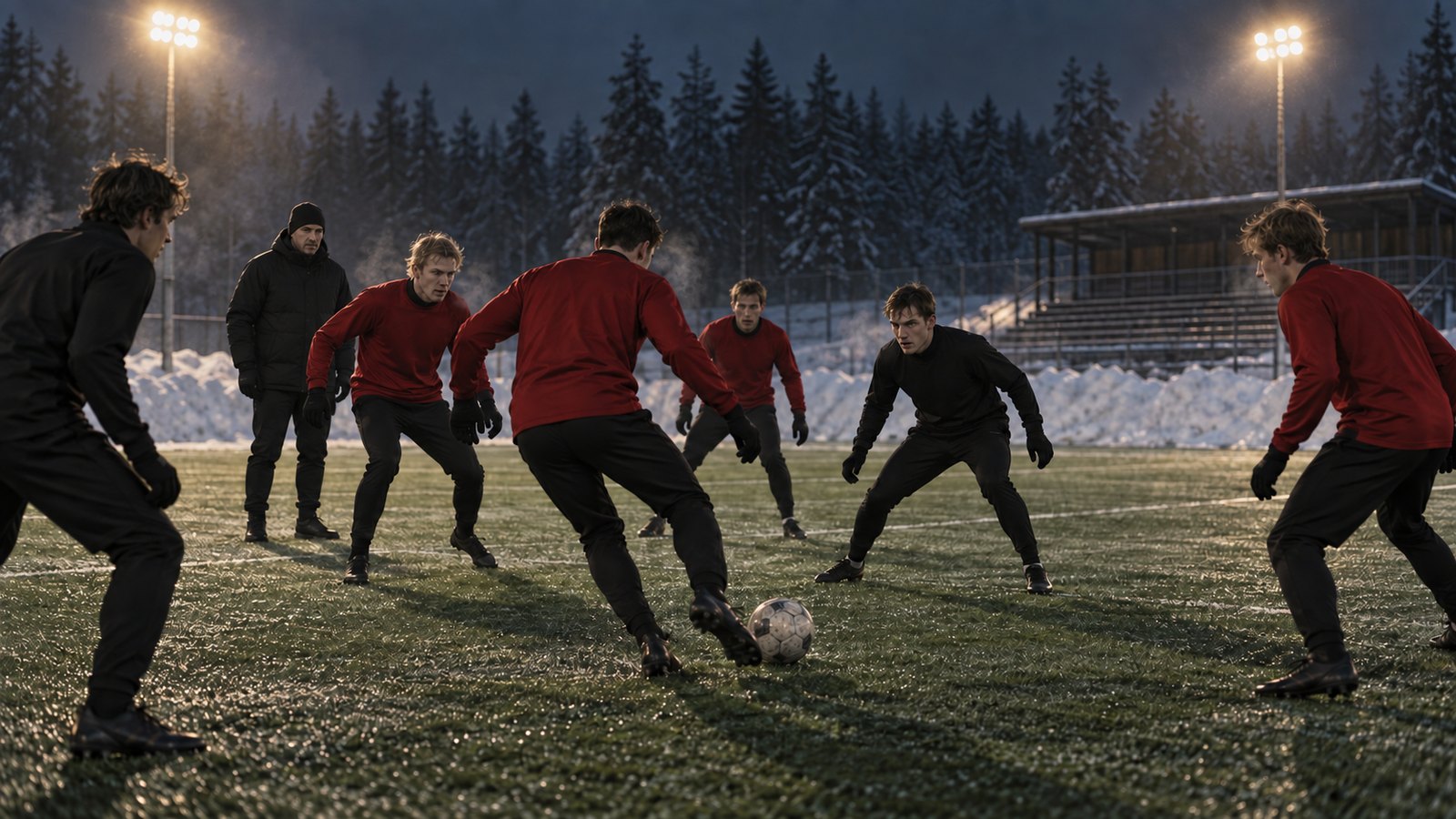
Graham Potter arrived in 2011 for his first senior managerial job. The English former player inherited a club in the northern city of Östersund, far from Sweden’s major football centres. Recruitment began with a practical handicap. Without match footage to study, Potter sometimes drove nine hours to watch a possible signing. Players asked where the place was. His task was to persuade them that distance could offer room to improve rather than evidence of obscurity.
Training used the ball heavily and asked players to solve the particular problems they would encounter at the weekend. Potter’s studies in leadership and emotional intelligence also shaped an environment where a mistake could be examined without becoming a charge against the person who made it. That distinction encouraged players rejected elsewhere to accept responsibility in possession.
Östersund advanced through the divisions and secured a place in the Allsvenskan, Sweden’s top flight, in 2015. Each step brought stronger opponents, longer scrutiny and a larger audience. The squad had to become comfortable with being visibly uncomfortable.
The Club Put Footballers Under Theatre Lights
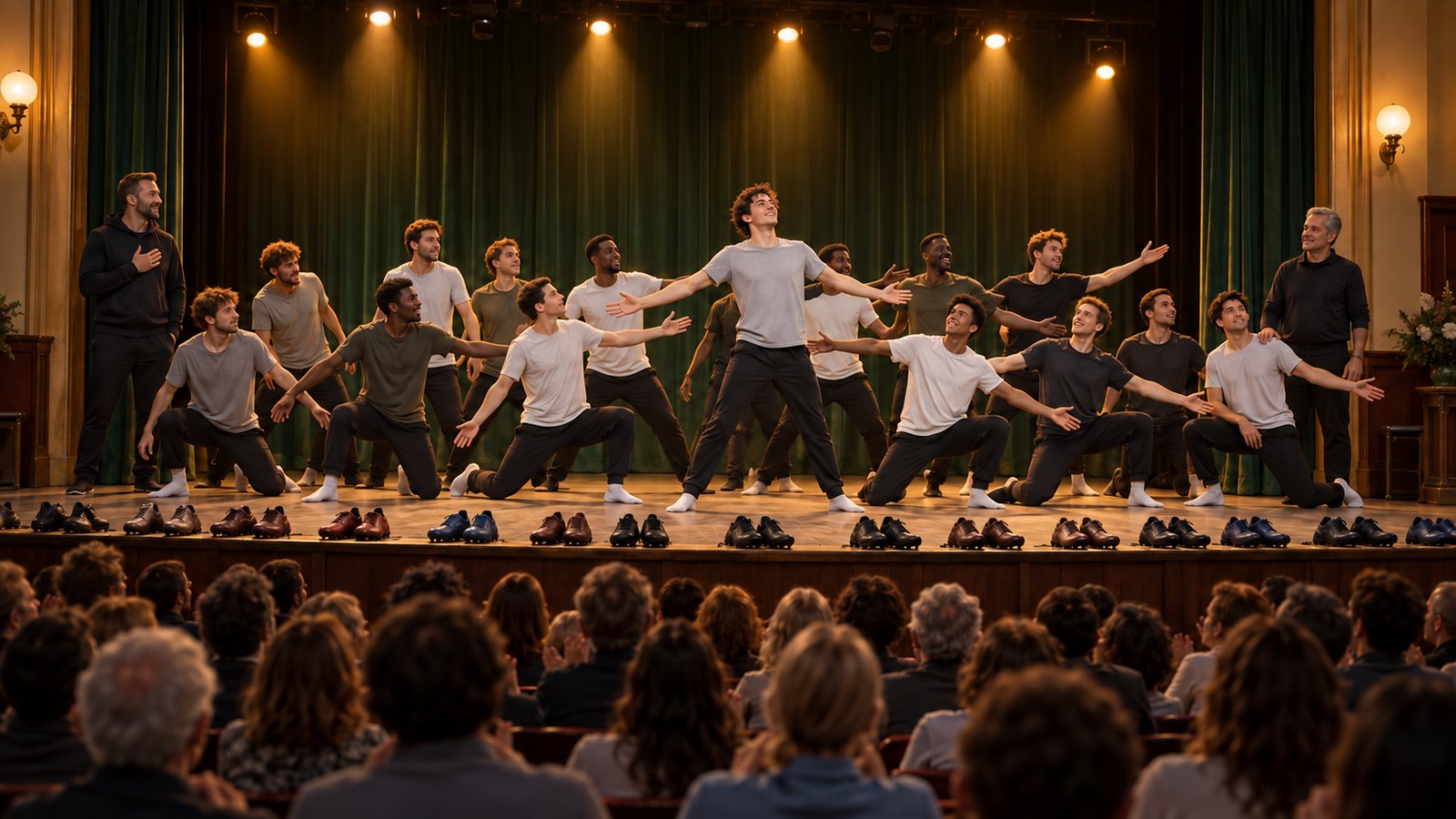
Chairman Daniel Kindberg and Potter developed a culture academy alongside the football programme. Players and staff did not simply attend exhibitions or listen to visiting artists. They had to perform. Projects included singing, writing a book and staging Swan Lake. The first theatre production sold all 500 seats. At a later solidarity gala with refugees, the group appeared before 1,600 people.
The exercises produced no direct football statistic, but their mechanism was exact. A player who normally relied on speed, touch or status had to attempt an unfamiliar task in public. Staff joined him rather than observing safely from the seats. Everyone risked embarrassment and had to complete the performance together.
Potter described that exposure in terms of trust, empathy, self-awareness and responsibility. The point was not that ballet secretly taught a pressing trigger. It was that fear became discussable before a competitive match demanded a response to it. A misplaced pass and a missed cue on stage were different events, but each revealed whether the group blamed, withdrew or recovered. The annual performances gave the club a second rehearsal room for those reactions.
Galatasaray Supplied the First Hostile Auditorium
Östersund won the Swedish Cup in 2017 and finished fifth in the Allsvenskan, then the club’s highest league position. The cup opened a route into Europa League qualifying. Galatasaray arrived first as a test of scale: a club with continental history and a vast support against newcomers playing their first European campaign.
Östersund won the home leg 2–0. In Istanbul, the crowd created the hostile return Potter’s team had expected. The Swedish side scored first, protected the tie and advanced. Potter later remembered Galatasaray supporters applauding the visitors after the final whistle. The important detail was not romance but behaviour. Östersund had retained the ball, attacked and defended without letting the venue dictate panic.
PAOK provided another form of exposure. A 3–1 defeat in Greece left Östersund needing two goals at home. They won 2–0 and reached the group stage. Hertha Berlin were beaten; Athletic Bilbao were held to a draw. By the time the round-of-32 draw paired them with Arsenal, the club had accumulated a sequence of unfamiliar rooms and survived each one.
There are parallels with Mechelen’s compressed climb through European opposition, but Östersund’s route carried a different preparation. Their public performances had made vulnerability an organised club activity before the European fixtures made it unavoidable.
Arsenal Made the Difference in Scale Visible
The contrast could be counted before kickoff. Östersund’s ground held roughly 9,000 people. The Emirates held about 60,000, more than the Swedish city itself. Around 5,000 supporters were expected to travel. Arsène Wenger had managed Arsenal longer than Östersund had existed.
Arsenal established the expected hierarchy in the first match, winning 3–0 in Sweden. That score made the London leg appear administrative. Östersund were also between domestic league seasons, with the Allsvenskan not due to begin until April. They arrived needing what Potter called a miracle rather than a cautious respectable exit.
The opening minutes rejected caution. Jamie Hopcutt had a shot blocked. Sema forced Ospina to save at his near post. Then Aiesh struck and the ball went in from Chambers. Before Arsenal had reset, Sema beat the defender to another pass and scored. The visitors’ two goals in 70 seconds changed the Emirates from a famous destination into a nervous ground.
That burst did not prove that a theatre programme had caused two goals. It showed why Östersund’s methods belonged in the explanation of the rise. Their players entered an arena of radically different size, made assertive choices and continued after the first success instead of retreating into disbelief. The club had rehearsed the emotional problem of performing while exposed, then built a football team capable of using the space that composure created.
The Aggregate Defeat Still Completed the Ascent
Arsenal responded after half-time. Sead Kolašinac scored early in the second period, removing the immediate threat of extra time. Östersund continued to attack, but the third goal never came. The visitors won the match 2–1 while Arsenal advanced 4–2 on aggregate.
Östersund lost the tie but won at Arsenal, only the second visiting side to win at the Emirates in the previous 28 matches. Their debut European campaign ended after 14 games and five eliminated opponents, including Galatasaray and Hertha Berlin.
The win did not guarantee permanence. Rapid rises remain vulnerable once the people or finances holding them together change; Rushden & Diamonds’ eleven-year climb and later disappearance provides a harsher warning. Östersund’s later financial crisis belongs to the broader history, but it does not make the route to London imaginary.
What the Emirates night preserves is a particular sequence of development. First came fourth-tier obscurity and long scouting drives. Then came training sessions built around finding solutions, public performances built around shared vulnerability, domestic promotions, a cup, hostile European away legs and finally two goals in 70 seconds in London. The spectacular result was the last visible scene, not the whole production.

The Stage Work Prepared a Response, Not a Trick
Östersund’s story is sometimes reduced to the novelty of footballers performing Swan Lake. That version mistakes the most memorable detail for a gimmick. The culture academy had value because it repeatedly changed who was allowed to look uncertain. Players, coaches and staff entered unfamiliar work together, then reflected on how they handled it.
Football supplied different technical demands at every level of the climb. No song won a tackle in Istanbul, and no dance selected the pass that released Sema. But the club’s unusual work addressed a pressure beneath those actions: whether a player could remain available, curious and responsible when the setting announced that he did not belong.
At the Emirates, Östersund’s football answered that question for 90 minutes. They did not overturn the tie, yet they refused the passive role the aggregate score offered them. A club that once had no scouting video completed its first European season by making Arsenal chase a game in their own stadium. The 2–1 victory mattered because it revealed how far the group had travelled before the final whistle confirmed where the tournament would end.
Sources
BBC Sport; The Guardian; The Independent.