

In the summer of 2019, the name FC Dnipro was missing from the new Ukrainian season. The club was not in the professional divisions. It was not even registered for the amateur championship in which its remaining side had spent the previous year. Four years earlier, Dnipro had walked into a European final in Warsaw and scored first against Sevilla.
Those two images are close enough to resist the usual language of a slow decline. On 27 May 2015, Nikola Kalinić headed Dnipro in front, Ruslan Rotan bent a free-kick into the top corner and a team from a city affected by war reached half-time level in its first continental final. By 2019, there was no league fixture left for the old club to fulfil.
The missing years are not explained by one bad season. They form an enforcement trail. Former employees were owed money. Sporting penalties converted those obligations into lost points and forced relegations. Professional status went next. Dnipro’s fall shows how a result can remain glorious while the institution responsible for it loses the ability—or willingness—to meet the contracts beneath the team.
A European Run Continued Away From Home
Dnipro’s 2014–15 European campaign began on 30 July in the Champions League qualifying rounds. By the following May, the club had played seventeen continental matches and was preparing for an eighteenth against Napoli. The length of the route mattered. This was not a side that appeared in spring after two favourable draws; it had spent most of a season moving through Europe while its own region lived under the pressure of conflict.
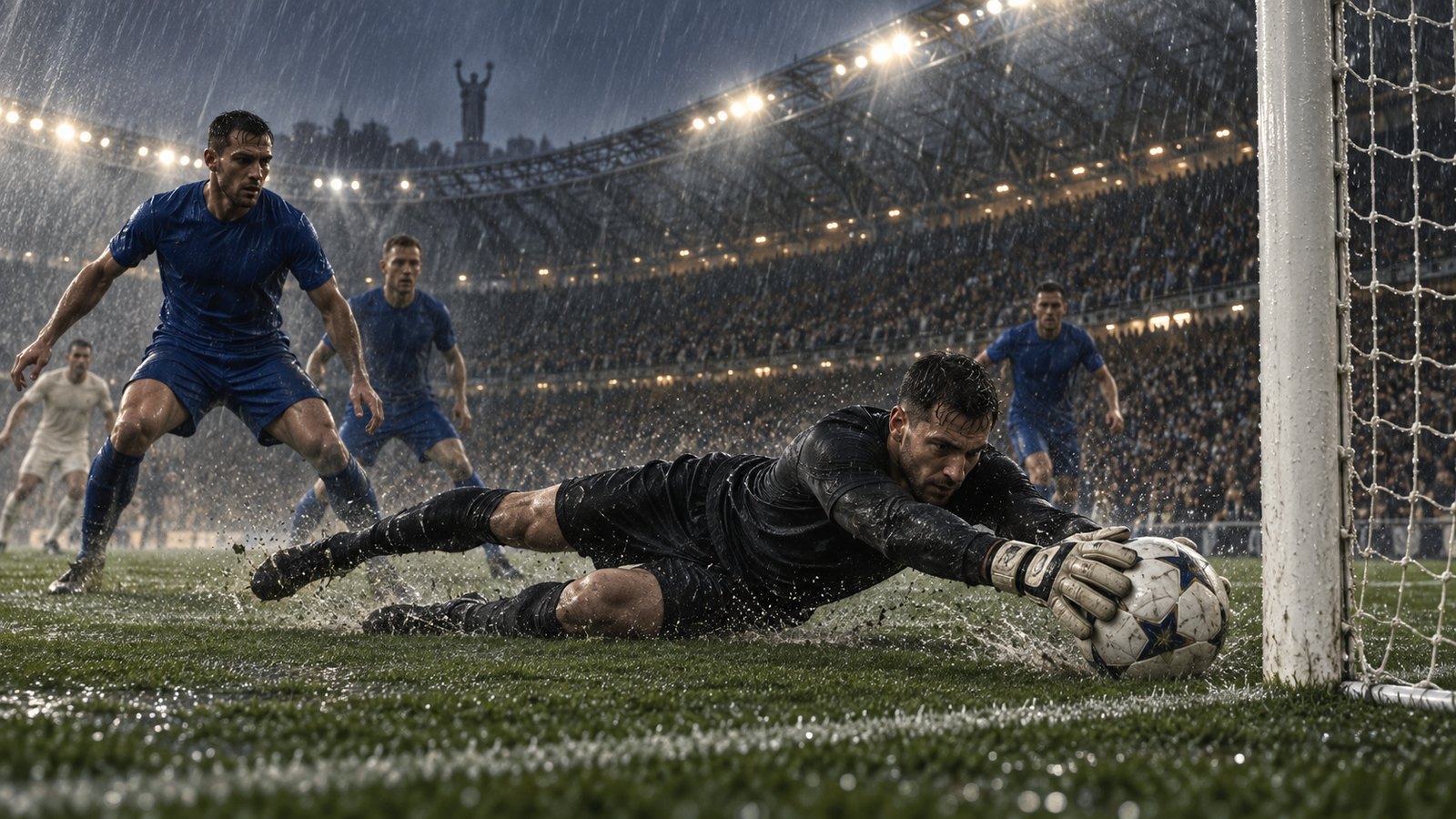
The semi-final home leg could not be played in Dnipropetrovsk because the city was considered too close to the fighting in eastern Ukraine. Kyiv’s Olympic Stadium became the borrowed stage. Dnipro arrived with a 1–1 draw from Naples, where goalkeeper Denys Boyko had stopped Gonzalo Higuaín four times. In Kyiv, driving rain made the pitch treacherous and Higuaín found Boyko waiting twice more before the interval.
Dnipro created little in the first half, but restraint was part of the contest. In the 58th minute, Yevhen Konoplyanka crossed from the left and Yevhen Seleznyov headed the ball in while wrestling for position with Miguel Britos. Napoli pressed, one effort was cleared from the line and Boyko protected his near post. The 1–0 win completed a 2–1 aggregate victory. A club unable to host the tie in its own city had reached its first European final.
Warsaw Compressed the Whole Adventure Into Five Goals
Sevilla entered the final as holders and as the competition’s great repeat winners. Dnipro brought a leaner record: only thirteen goals in sixteen Europa League matches before Warsaw. That contrast disappeared with the first attack. A long ball reached Matheus, who waited for Kalinić and crossed. The forward’s header placed the underdogs ahead.
Experience answered quickly. Grzegorz Krychowiak drove an equaliser through bodies after a corner, then José Antonio Reyes split the defence and Carlos Bacca rounded Boyko for 2–1. Dnipro could have accepted the match’s new direction. Instead Rotan stood over a free-kick about twenty-five yards from goal and curled it beyond the wall. At half-time, the score was 2–2.
The second half tightened. Bacca eventually broke through again and made it 3–2. Dnipro did not lift the cup, but the defeat did not diminish the run. It clarified it. A team that had played away from its own stadium, survived Napoli and reached a first final had made the holders work through every phase of a five-goal night. The campaign looked like an arrival at a new level rather than the last complete version of the club.
That is the cruelty in the sequence. Sporting memory freezes Warsaw at full intensity: blue shirts attacking, Rotan’s free-kick rising, Bacca finding space. Financial obligations do not freeze. They survive the whistle and remain due when the crowd leaves.
The First Public Warning Was a Change of Form
By June 2016, owner Ihor Kolomoisky was responding to reports that Dnipro might be dismantled. He denied that liquidation had been discussed, said a squad was being assembled and insisted the club was preparing for the Premier League. Yet the reassurance contained its own warning. Dnipro, he said, would not exist in the same form as before.
Kolomoisky argued that spending enormous sums for poor returns was not normal and said management was developing a new strategy. That statement did not describe a completed rescue. It described an institution trying to reduce the model that had carried it to Warsaw. The final had supplied prestige, but prestige was not a settlement mechanism for salaries, coaching claims or other liabilities.
This is where Dnipro’s story separates from a familiar football collapse in which relegation empties the stands and falling revenue slowly follows. The pressure was already contractual. The team’s later league position mattered, but decisions outside the ninety minutes would determine where it was allowed to play. A comparable chain appears in Gretna’s final Premier League months, although Dnipro reached the crisis from a continental final rather than a tiny domestic ground.
Debt Penalties Replaced the Sporting Ladder
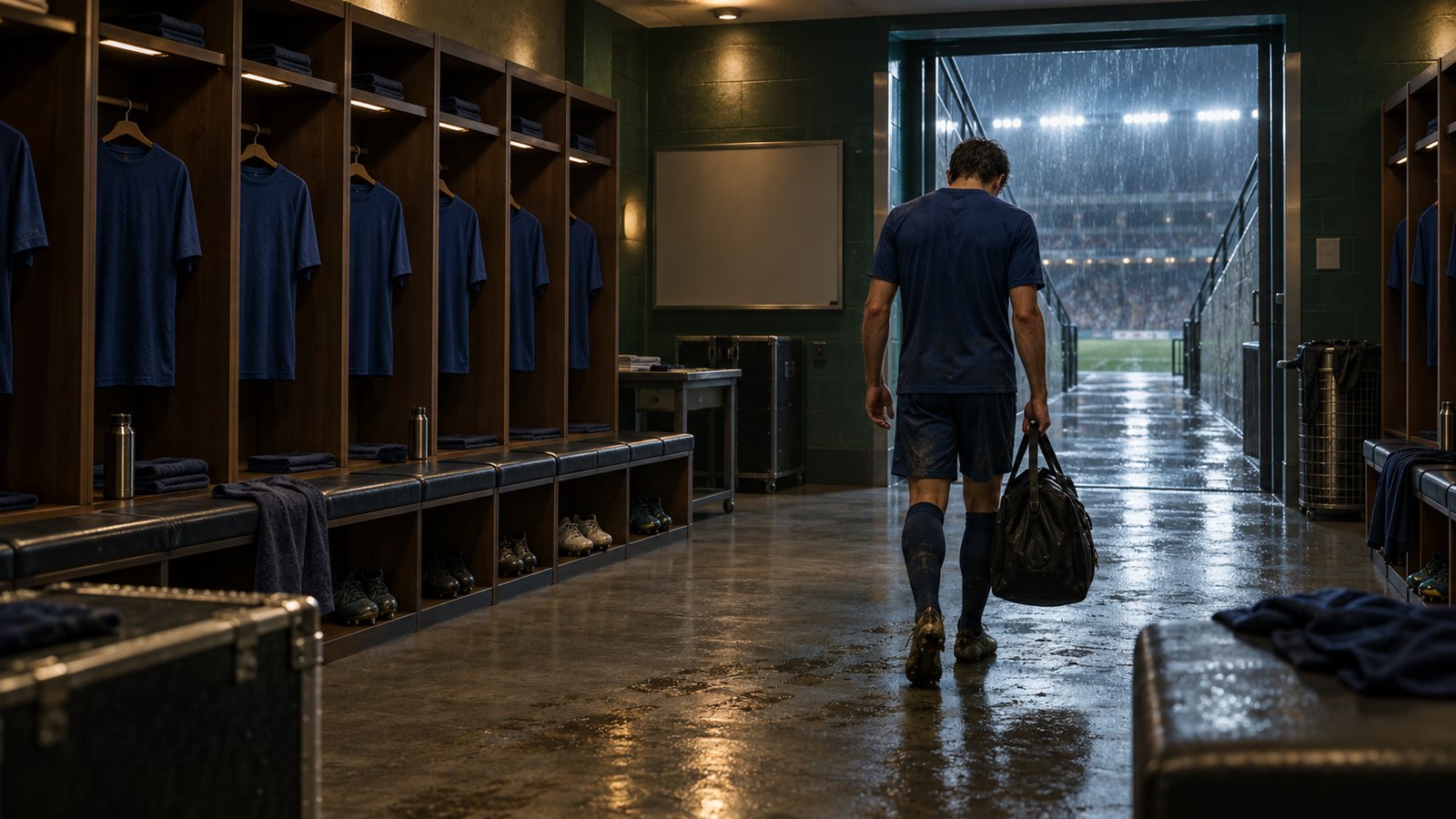
The central claims involved former coach Juande Ramos and members of his staff. Ukrainian reports record repeated points deductions connected to those debts. A league table normally converts wins and draws into rank. Dnipro’s table now also registered failure to satisfy decisions made away from the pitch.
The club finished eleventh in the 2016–17 Ukrainian Premier League and was relegated. That was only the first descent. A FIFA decision sent Dnipro farther down, into the Second League. Each step weakened the ordinary feedback loop by which a club might recover: lower divisions meant less income and less visibility, while the obligations that produced the punishment remained.
Supporters could still recognize the colours and the name, but continuity became deceptive. This was not merely the 2015 finalists playing badly. The competition structure itself was enforcing a series of unresolved claims. The descent therefore moved faster than a sporting rebuild could answer it.
Other famous clubs have carried heavy debt through a bad period and returned. Parma’s spectacular rise and insolvency offers one Italian comparison. Dnipro’s mechanism was starker: the penalty ladder led from the Premier League to the Second League, then out of the professional game entirely.
The Final Step Was an Empty Registration List
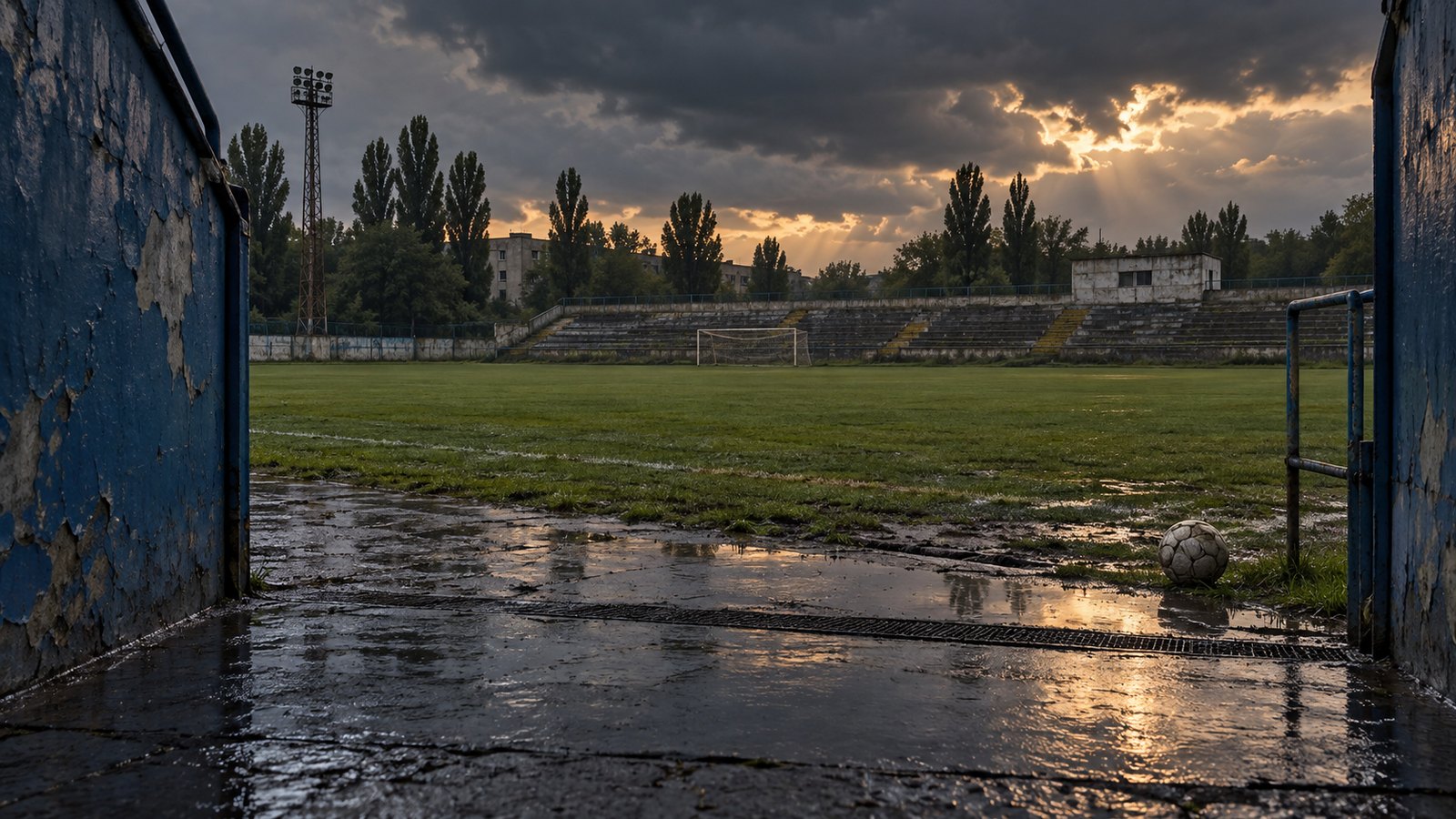
For the 2018–19 season, Dnipro no longer held professional status. The remaining football operation appeared in the amateur championship. That fact might have suggested a floor—a smaller version of the club, stripped of European ambition but still present on a Saturday. Even that floor did not hold.
In the summer of 2019, Dnipro was not entered for the next amateur season. The absence completed a four-year movement from a European final to no scheduled campaign. It also explains why the Warsaw story cannot be reduced to a sentimental “where are they now?” curiosity. The same club that had demonstrated extraordinary sporting resilience did not possess comparable institutional resilience.
Dnipro’s run deserves to be remembered on its own terms. Boyko’s saves, Seleznyov’s header, Kalinić’s opening goal and Rotan’s free-kick were real achievements under difficult conditions. The collapse does not invalidate them. It changes the question asked of them.
A football team can become excellent more quickly than a club becomes durable. Dnipro built a side capable of eighteen European matches and a final against Sevilla. What it did not preserve was the administrative capacity to settle the claims left behind. Warsaw recorded how high the team could climb. The empty 2019 list recorded what the institution could no longer support.
Sources
BBC Sport; The Guardian; Interfax-Ukraine; Football 24 Ukraine.