
Parma are easy to remember as a 1990s aesthetic. Yellow and blue shirts, brilliant names, European nights, and the feeling of a provincial club briefly living inside football’s imagination. That memory is attractive because it is stylish. It is also incomplete. Parma were not just a cult team. They were a case study in how ambition, recruitment, tactics, and corporate money could lift a club fast — and leave it dangerously exposed when the structure behind the dream cracked.
The rise mattered because Parma were not one of Italy’s traditional giants. Their story challenged the old geography of power. Serie A in the 1990s was rich, glamorous, and tactically severe. To matter there, a club needed more than charm. Parma found a way to collect serious players, compete with established powers, and turn European competition into a stage of their own.
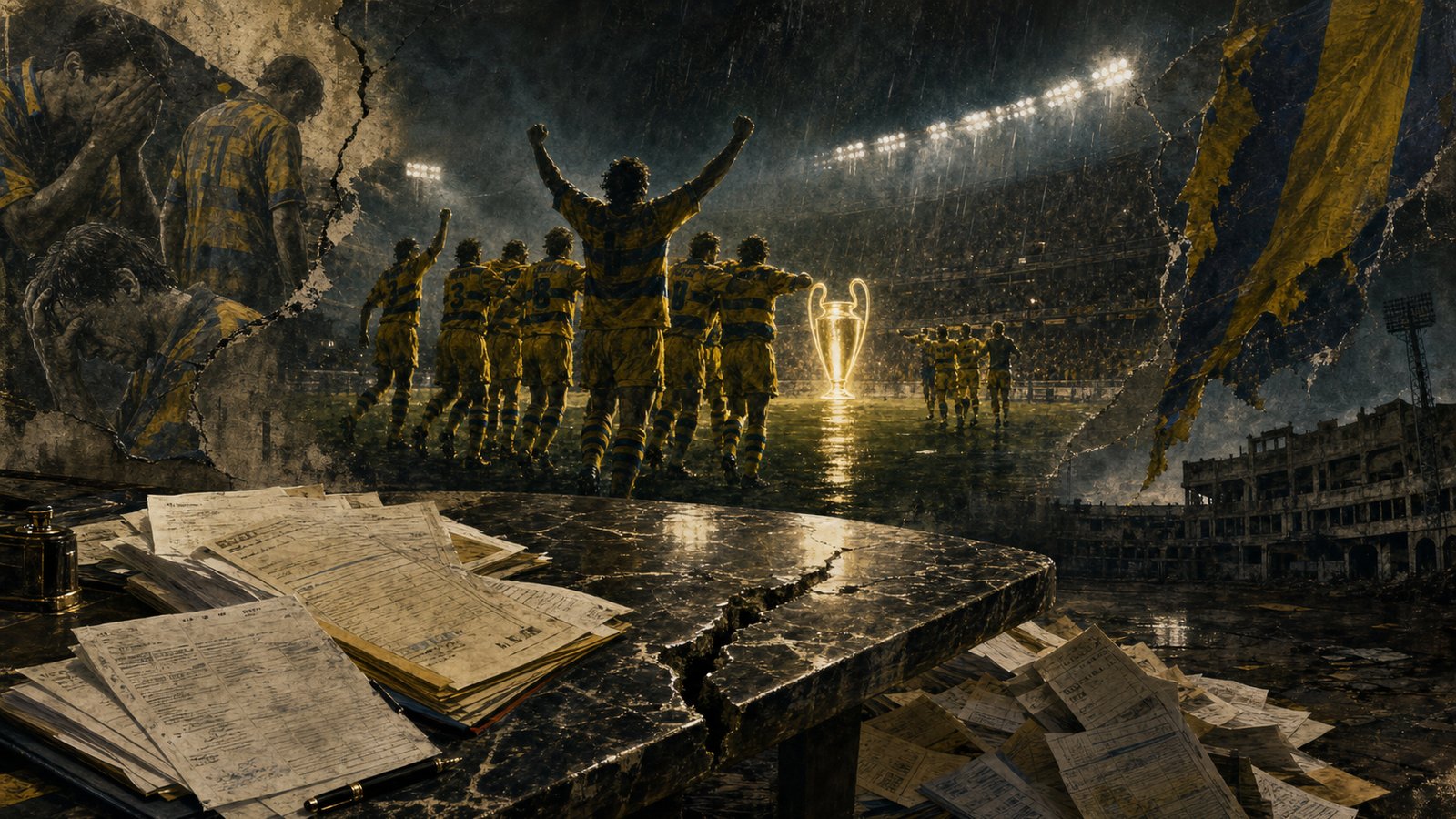
The provincial label hid the scale of the project
Calling Parma provincial can make the achievement sound quaint. It was not quaint. The club’s ascent was connected to serious backing, an ambitious sporting department, and a period when Italian football could attract and keep extraordinary talent. Parma did not simply stumble into relevance because the shirts looked good. They built squads that could survive the weekly grind of Serie A and still hurt opponents in Europe.
That combination is difficult. A cup side can be romantic and fragile. A league side can be consistent and dull. Parma at their best lived in the space between those labels. They had enough structure to compete regularly and enough flair to become memorable. That is why the nostalgia has lasted. The team looked like a story, but it also functioned like a football operation.
The trophies made the rise legitimate
Parma’s European record in the 1990s gave the project its hard evidence. Cup Winners’ Cup success in 1993, UEFA Cup success in 1995, and another UEFA Cup in 1999 were not decorative footnotes. They were proof that Parma could carry their domestic quality into continental knockout football. Those trophies mattered because they stopped the club being treated as a fashionable curiosity.
The 1999 UEFA Cup final win over Marseille is especially useful as a snapshot. Parma were not merely surviving on reputation. They had a team strong enough to make a European final feel controlled. In an era crowded with Italian power, that was a serious statement. It put Parma in the same conversation as clubs with deeper histories and larger natural audiences.
Recruitment gave the club its romance
The romance of Parma is inseparable from the names who passed through. Some became icons there. Some used the club as a stage on the way to even larger platforms. That flow can be presented as proof of glamour, but it was also proof of recruitment intelligence. Parma were good at being early enough, convincing enough, and competitive enough to make elite players fit the project.
There is a tactical part to this as well. Italian football of the period demanded players who could live with detail. Defenders had to manage space with discipline. Midfielders had to understand tempo. Forwards had to handle tight matches where one movement mattered. Parma’s best sides were not just collections of famous stickers. They worked because the players could be placed into demanding structures.
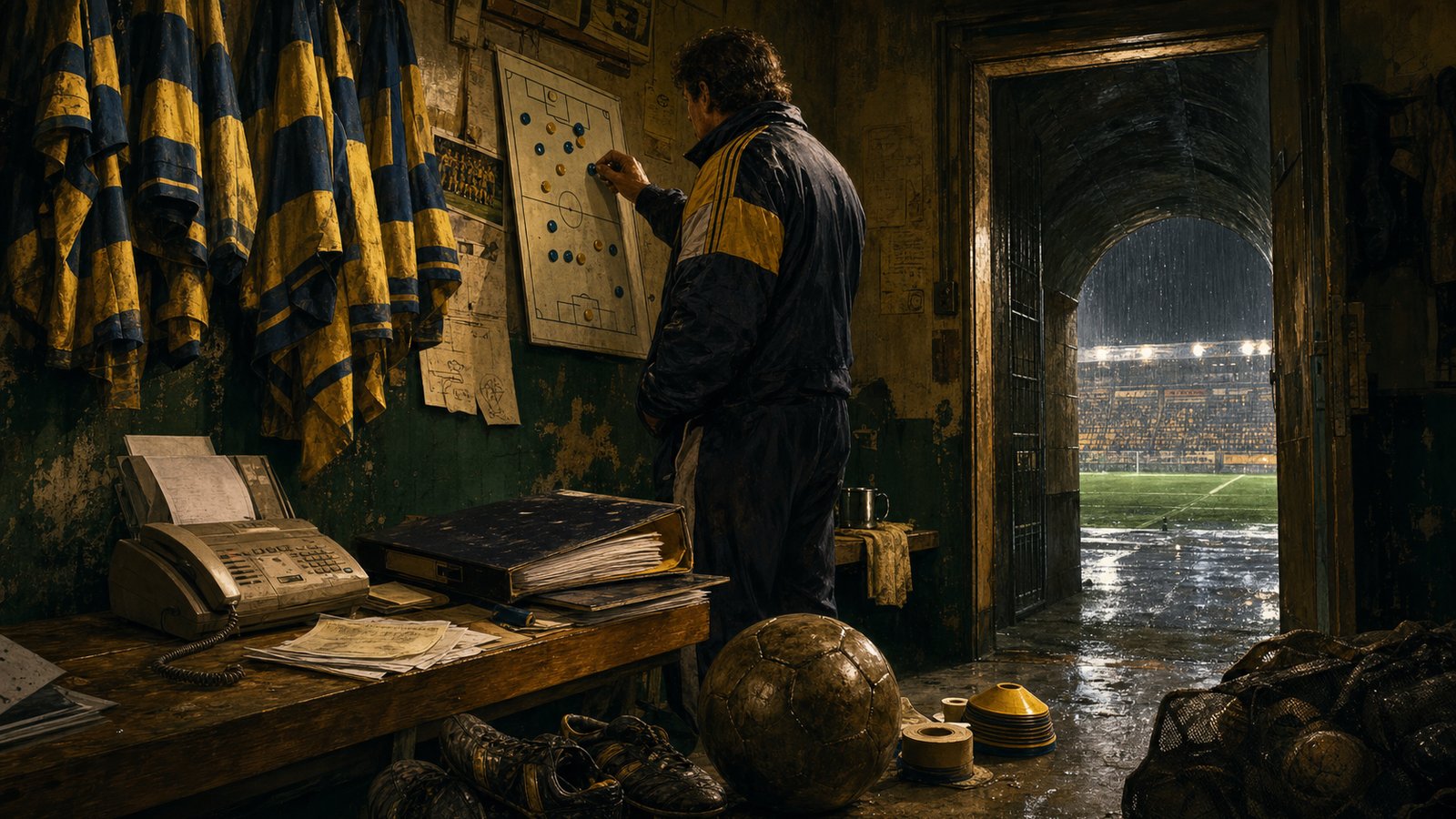
The money was a strength until it became the question
The harder edge of the story is financial dependence. Parma’s rise was tied to the wider Parmalat world, and that connection made the club’s ambition possible. It also meant the football dream was not standing alone. When the corporate scandal around Parmalat exploded in the early 2000s, Parma’s glamour could not protect the club from the consequences of fragility above it.
This is where nostalgia can become misleading. If the story is only yellow-and-blue beauty, the collapse feels like a cruel twist. If the story includes the financial architecture, the collapse becomes part of the same arc. Parma had been lifted by a structure that was powerful enough to accelerate a football club and vulnerable enough to leave it exposed when trust disappeared.
The cult survives because the warning is still current
Modern football still loves fast rises. A new owner arrives. A smart recruitment team finds value. A club outside the old aristocracy suddenly looks sharper than the institutions around it. Supporters want to believe in the sporting miracle because football needs those stories. Parma show why the miracle also needs a balance sheet.
That does not make the joy fake. The trophies were real. The players were real. The nights were real. The warning is that a football club can be both beautifully built and dangerously dependent. Parma were not just a cool 1990s memory. They were one of the clearest examples of how modern football could make a provincial club feel enormous, then reveal how much of that size belonged to the scaffolding.
The lesson is not to sneer at ambition
It would be too easy to turn Parma into a warning against dreaming. That would miss the best part of the story. Ambition gave the club nights that supporters still carry. It brought elite football to a place that might otherwise have been treated as scenery for larger institutions. The danger was not ambition itself. The danger was ambition without enough independent stability underneath it.
That distinction matters in every era of football finance. A club can look smart on the pitch while being fragile above it. It can buy well, coach well, and compete well, yet still depend on a parent structure, owner, lender, or commercial promise that supporters cannot see from the stand. Parma’s beauty and Parma’s warning are inseparable for exactly that reason.
The club became a symbol of a specific football economy
Parma’s 1990s story works because it belongs to a particular era, when Italian football could attract stars, mid-sized clubs could dream loudly, and commercial backing could turn ambition into trophies. Parma were not simply charming outsiders with nice kits. They were a club built inside a moment when money, recruitment, television, and Serie A’s prestige made unusual football projects feel possible.
That is why the nostalgia can be misleading. Remembering only the players makes Parma look like a cult sticker album come to life. The deeper story is about infrastructure and vulnerability. The same conditions that helped the club rise also made the project dependent on forces outside ordinary sporting rhythm. When the backing, finances, and wider economic confidence changed, Parma’s position could not be protected by romance.
Why the collapse still fascinates
Football fans are drawn to Parma because the rise was beautiful and the fall was instructive. The team gave the 1990s a vivid cast: elegant defenders, explosive forwards, European nights, and the feeling that Serie A had room for more than the usual giants. But collapse turned that memory into a warning. A club can feel permanent when trophies arrive and famous players wear the shirt. Parma showed how quickly permanence can disappear when the business structure underneath the football is not as strong as the team on the pitch.
Sources
- IFAB Laws of the Game archive
- FIFA World Cup technical reports
- UEFA competition records
- Contemporary newspaper and agency reports
- Club and league historical records