
On 28 April 1967, Third Lanark’s players climbed into a minibus at Dumbarton after losing 5–1. They did not know whether their wages would be paid. The vehicle carried them back toward Cathkin Park, the Glasgow ground where only six years earlier a team in scarlet had completed one of the wildest attacking seasons in Scottish football.
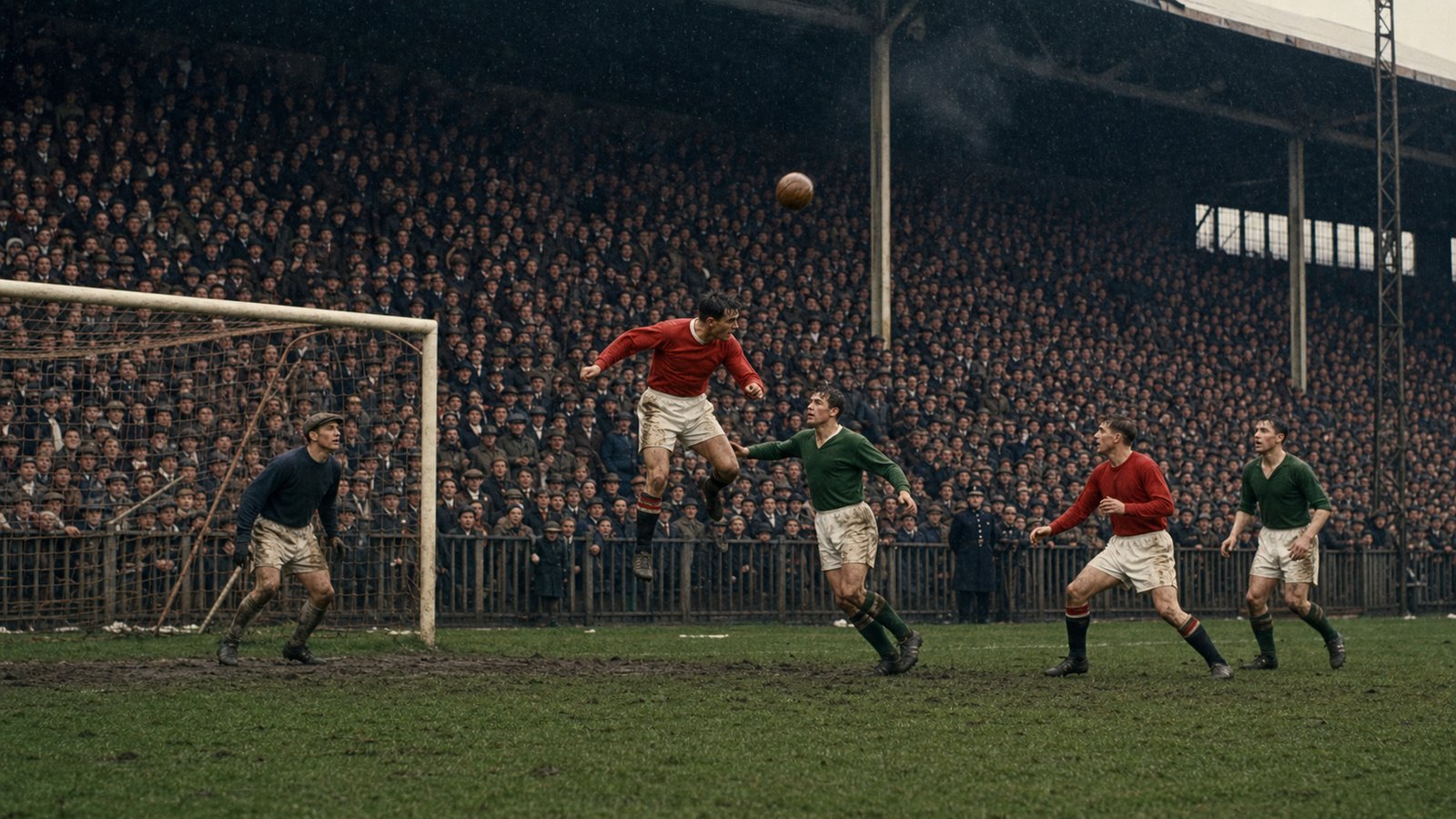
In 1960–61, Third Lanark finished third in the top division and scored 100 league goals. On the final day at Cathkin, they needed six against Hibernian to reach the century. They won 6–1. Alex Harley scored 42 across the season. Supporters had watched a side reckless enough to concede 80 in 34 matches and good enough to qualify for Europe.
The distance from that afternoon to the minibus is the real Third Lanark story. This was not an old name quietly losing relevance over decades. A founding member of the Scottish Football League went from 100 goals to liquidation in six years. Its football weakened because the institution around it was being stripped of people, money, reliability, and trust.
Six Goals Completed a Season of Beautiful Excess
Third Lanark already had deep roots by 1961. Members of the Third Lanarkshire Rifle Volunteers founded the team on 12 December 1872, inspired by the first Scotland–England international played two weeks earlier. The club joined the Scottish Football League as a founder member in 1890, won the league in 1904, and collected two Scottish Cups.
Cathkin Park had once been the second Hampden Park. Steep banks of terracing pressed spectators close to the pitch, and the old military club’s “Hi Hi” cry became part of south Glasgow’s football sound.
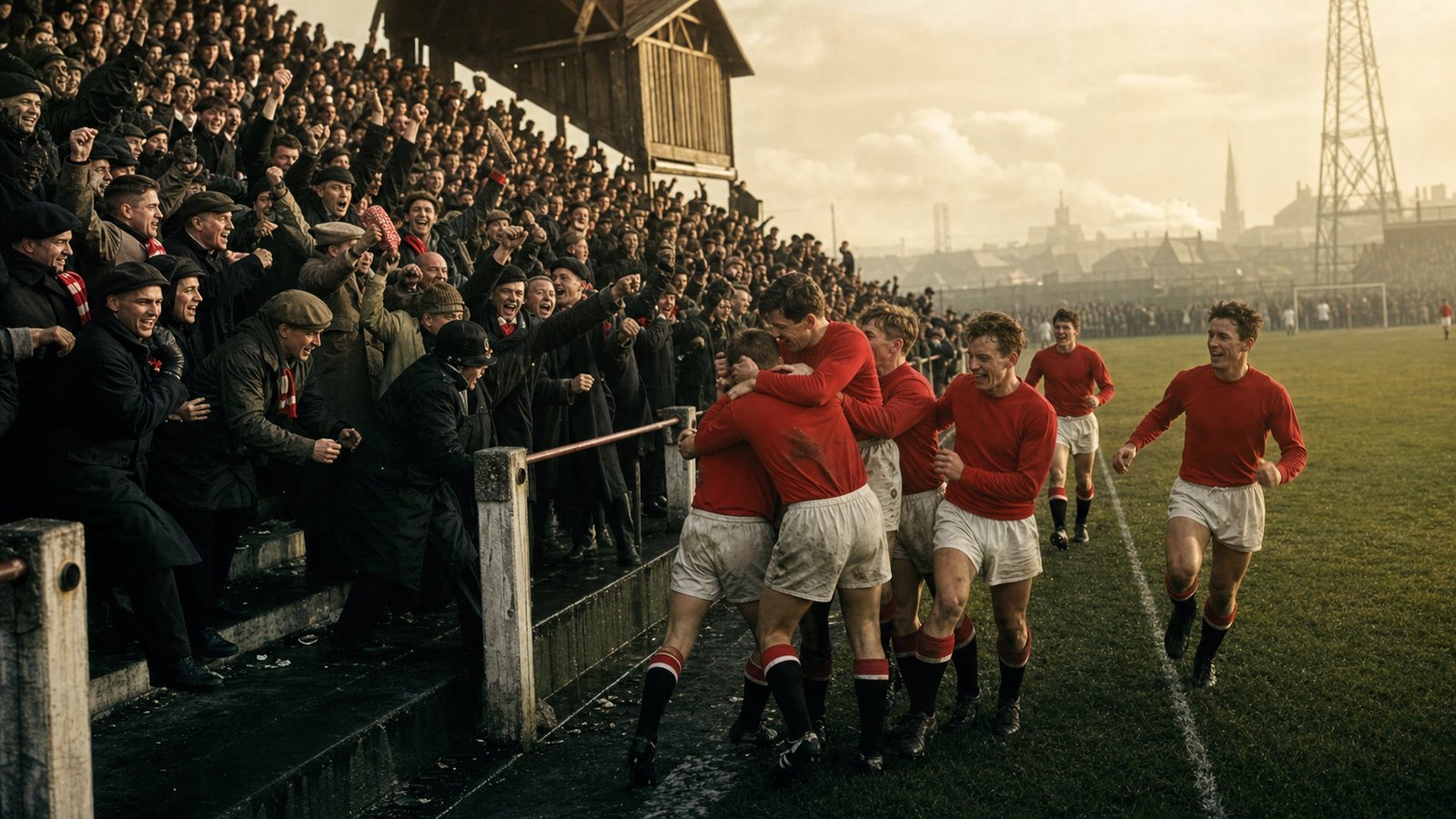
The 1960–61 team made permanence feel vivid. Going into the last home league match, Thirds had 94 goals. Six against Hibernian would create a round number that supporters could keep, while a third-place finish would put the club in Europe for the first time. They scored all six.
The achievement was gloriously unbalanced. Thirds conceded 80 goals in 34 league matches, so almost every fixture promised movement. Harley supplied 42 at the other end. Davie Hilley, Matt Gray, Jimmy Goodfellow, and Joe McInnes belonged to a forward line remembered long after the financial records became the darker archive.
The Ownership Change Removed More Than Players
The break came at the December 1962 shareholders’ meeting. Bill Hiddleston emerged as chairman after acquiring a controlling position. George Young, the former Rangers and Scotland captain managing Third Lanark, had made his response clear beforehand: if Hiddleston entered the board, he would resign. Once the vote was complete, Young picked up his coat and left.
That departure was an early measure of lost confidence. The following summer, 34 players were released. A club that had recently created value through an adventurous team began treating football capacity as something to be cut away. Bobby Evans and Bobby Shearer later took turns trying to stabilize the side, but management could not compensate for decisions made above them.
The better players had value in the market. Harley went to Manchester City for £14,500. Hilley moved to Newcastle for £30,000, while Gray’s move to Manchester City was priced one pound higher. Transfers can refresh a squad when proceeds return to recruitment and operations. Here, the departures became part of a thinning structure.
Hiddleston dismissed another 19 players in 1964. Replacements drawn from cheaper and less proven levels could not preserve top-flight standards. Thirds finished bottom with seven points and only 22 goals, then dropped into the second division for 1965–66. The collapse on the pitch was visible, but it was following the loss of capability behind it.
Turnstile Coins Became the Wage Department
The most revealing details are not balance-sheet abstractions. Players went unpaid. Gate receipts were used to quiet immediate wage demands. Bobby Shearer sometimes reached into turnstile takings—small coins collected from the people still arriving at Cathkin—to find enough money for his squad.
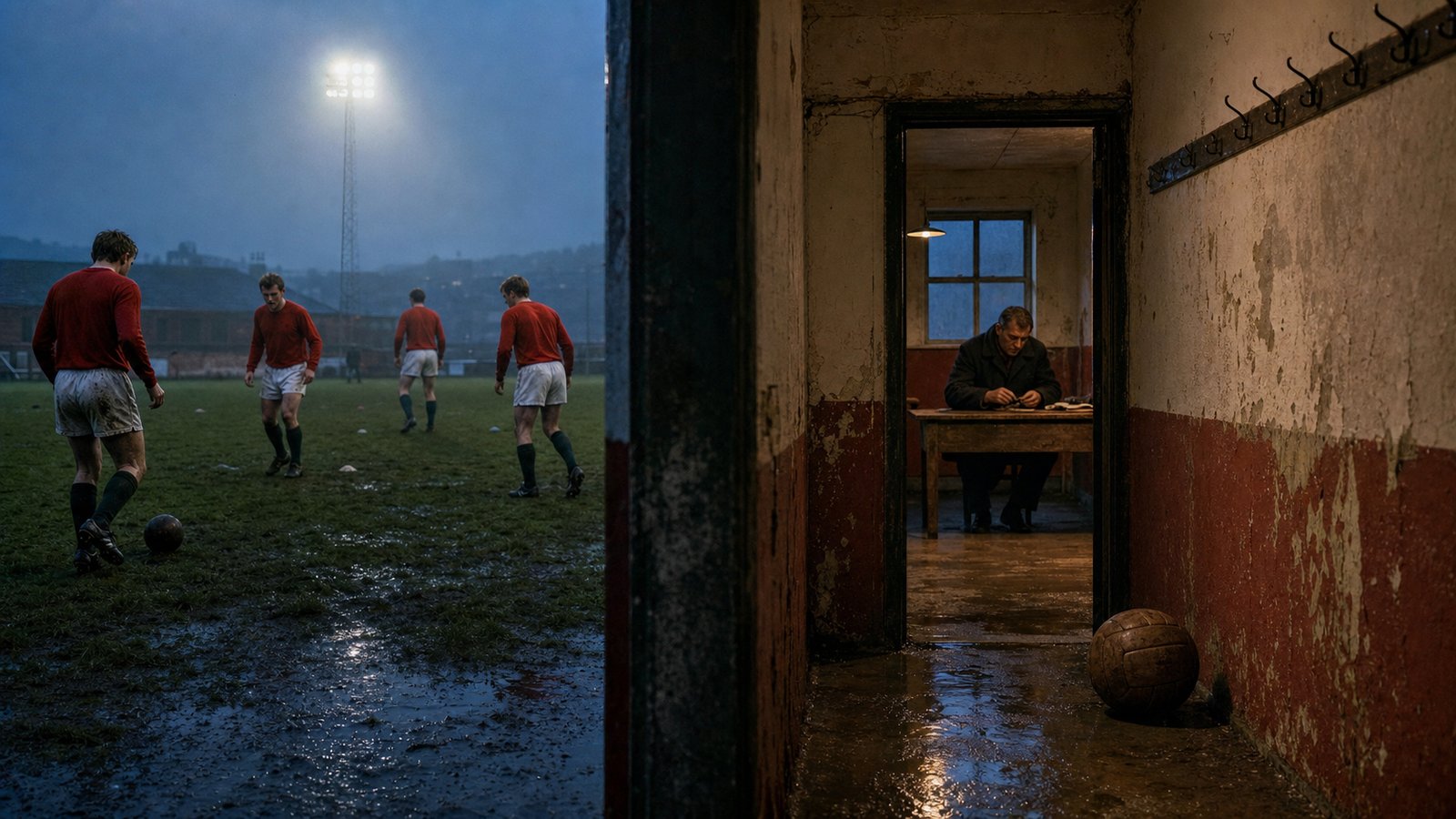
Visiting clubs learned to bring basic supplies. Accounts describe opponents arriving with lightbulbs and soap because Third Lanark could not reliably provide them. Electricity failed. Players trained in darkness. Away travel ceased to be a dependable club operation, and footballers sometimes had to make their own arrangements.
A training session without light, an uncertain journey, or a delayed wage told every employee that the next promise might also fail. Managers spent attention on survival tasks rather than selection and coaching.
One episode captures how scarcity invaded physical care. After a player suffered a severe arm fracture, former player Mike Jackson recalled being told to accompany him to hospital but to make sure the shirt was not cut away because the club possessed only one set. The jersey had become more protected than the process around the injured footballer.
Third Lanark’s supporters could see effects without seeing every cause. Paid attendance home and away had totalled 555,489 in 1960–61, when gates were shared. In the final season the comparable figure was 55,543. Falling crowds reduced cash, but the tenfold drop also recorded the destruction of reasons to believe in the next match.
A Proud Club Reached Its Last Away Dressing Room
By April 1967, Scottish football around Third Lanark was enjoying an extraordinary spring. Celtic was approaching the European Cup final. Rangers had reached the Cup Winners’ Cup final, and Kilmarnock was contesting a Fairs Cup semi-final. The national team had beaten world champion England at Wembley.
Third Lanark’s crisis could disappear beside those headlines. Its final fixture came at Dumbarton on Friday, 28 April. The 5–1 score was conclusive, but nobody in the ground could treat it formally as a farewell to a 95-year-old club. Supporters had not been given a final ceremony. Players left in the minibus with uncertainty rather than closure.
Several winding-up petitions had already been resisted. The decisive pressure came from contractors responsible for a new stand, who pursued liquidation over unpaid money. A liquidator was appointed, and Third Lanark was wound up with debts reported at £40,000.
A Board of Trade inquiry later described the operation under Hiddleston as an “inefficient and unscrupulous one-man business.” Four fellow directors were convicted of Companies Act breaches and fined. Hiddleston died in November 1967 before he could have become the fifth defendant.
The alleged purpose behind running down the club was the value of Cathkin Park as development land. Football historian Bob Crampsey later described the demise as deliberate and connected it to the prospect of a property sale. The final irony was that housing did not replace the terraces. Glasgow Corporation designated the site as open space and eventually bought it for the price paid by the developer.
Cathkin Park Kept the Shape of the Missing Club
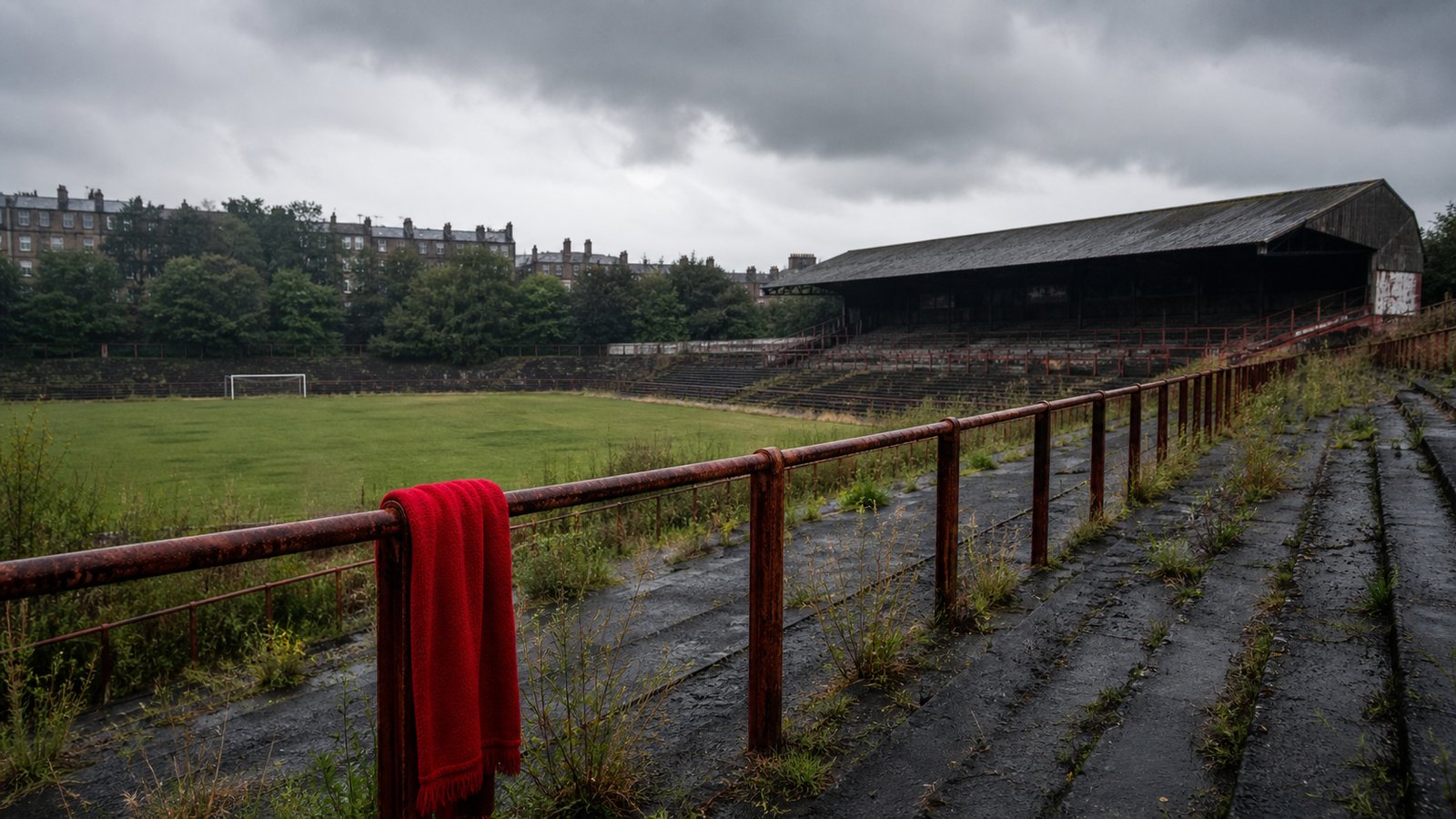
The ground did not disappear as completely as the senior team. Parts of Cathkin’s steep terracing remain beneath weeds and trees. Old barriers, repainted scarlet at intervals, still trace the viewing positions of supporters. Amateur football continues on a pitch surrounded by the physical outline of a major ground.
Visitors can still stand where hundreds of thousands of paid admissions once accumulated across a season and see how close the crowd was to the grass.
The comparison with Accrington Stanley’s 1962 resignation from the Football League is useful because both names became shorthand for clubs vanishing. Yet Third Lanark’s mechanism was distinct. Its final six years began from top-flight sporting abundance and passed through a controlling ownership change, mass releases, broken operations, wage uncertainty, and creditor action.
Football clubs are often discussed as teams with accounts attached. Third Lanark shows the order running in the other direction. When an institution cannot keep lights on, transport players, maintain supplies, honor wages, or retain trusted staff, the team eventually expresses those failures in public. The table is a late indicator.
The 100 goals should therefore remain beside the liquidation. Remove them and the ending can look inevitable, as if Glasgow had simply outgrown a minor club. Keep them, and the pace of destruction becomes impossible to ignore. In May 1961, six goals against Hibernian completed a European season. In April 1967, a minibus returned from Dumbarton carrying players who did not know if they would be paid. Cathkin’s surviving terraces hold both scenes.
Sources
Scottish Football Museum; Glasgow Live; Glasgow Times; BBC Sport.