

On 10 July 1989, Maurice Johnston sat beside Graeme Souness at Ibrox and became a Rangers player. The photograph looked like a conventional transfer unveiling: manager, striker, fee, scarf, flashbulbs. Nothing around it was conventional. Celtic had already presented Johnston as their returning forward. Their manager believed he held signed contracts. Johnston’s agent said no binding deal had been completed. Rangers had negotiated in secret while Glasgow assumed the player was going elsewhere.
The transfer became famous as a breach in Rangers’ modern sectarian employment practice, but religion was only one pressure inside it. Celtic and Nantes disputed money. Johnston and Celtic disputed consent. Souness wanted a proven scorer and a competitive blow against his rival. Rangers chairman David Murray wanted a player strong enough to survive a decision the club had postponed for decades. One signature had to carry every argument at once.
A public return existed before a settled transfer
Johnston was already known intimately on both sides of Glasgow. After beginning at Partick Thistle and helping Watford reach the 1984 FA Cup final, he joined Celtic. He scored heavily during three seasons there, winning the Scottish Cup in 1985 and the league in 1986, before moving to Nantes in 1987. By the spring of 1989, a return to Britain was being assembled from several directions.
Bill McMurdo, Johnston’s agent, later wrote that terms had been agreed with Montpellier before the French club failed to raise the money. Stuttgart, Torino and Tottenham were possibilities. Celtic then made their own pursuit public. Johnston travelled to Paisley as the club’s guest and appeared before the cameras as a returning hero, creating the impression that the story had ended before the paperwork agreed.
What happened legally remained contested long afterward. Celtic chairman Jack McGinn said Johnston signed a document for a four-year contract. Johnston said McGinn asked him to behave for the press as if a final agreement existed. McMurdo insisted Celtic had dealt around him. Each version explains the same strange interval: the player had been publicly claimed, yet the transfer still contained enough uncertainty for another club to enter.
Billy McNeill’s missing balance made the dispute tangible
Celtic manager Billy McNeill offered the most concrete version of the club’s case. He told the BBC that he held both parts of the contract after Johnston left his copy in a car. The secretary of UEFA, in Scotland for an under-20 tournament, examined the documents and told him they appeared to be in order. For McNeill, the failure came above the manager’s office.
His numbers turned an emotional betrayal into an unfinished transaction. Celtic, he said, had paid £400,000 of £1.1 million to Nantes and still owed £700,000. Payment of the balance would have secured control of Johnston’s destination, even if the forward then refused to play. McNeill went on holiday believing the return was protected and learned otherwise when a journalist read him the club’s statement withdrawing its interest.
The competing accounts cannot be flattened into a neat courtroom verdict from the available record. They do establish why the move remained possible. A press conference had created certainty in public while payment, representation and the player’s willingness remained fractured in private. Rangers did not prise Johnston from a completed season or activate a visible clause. They stepped into a gap between performance and completion.
A chance meeting opened the Paris route
McMurdo’s account places the turn at a match, where he happened to meet Souness. The agent explained that the newspaper photographs had overstated Celtic’s position. A few calls followed. Johnston, McMurdo, Souness and a Rangers executive then met in Paris, away from Glasgow’s cameras. Further meetings in Scotland were conducted quietly.
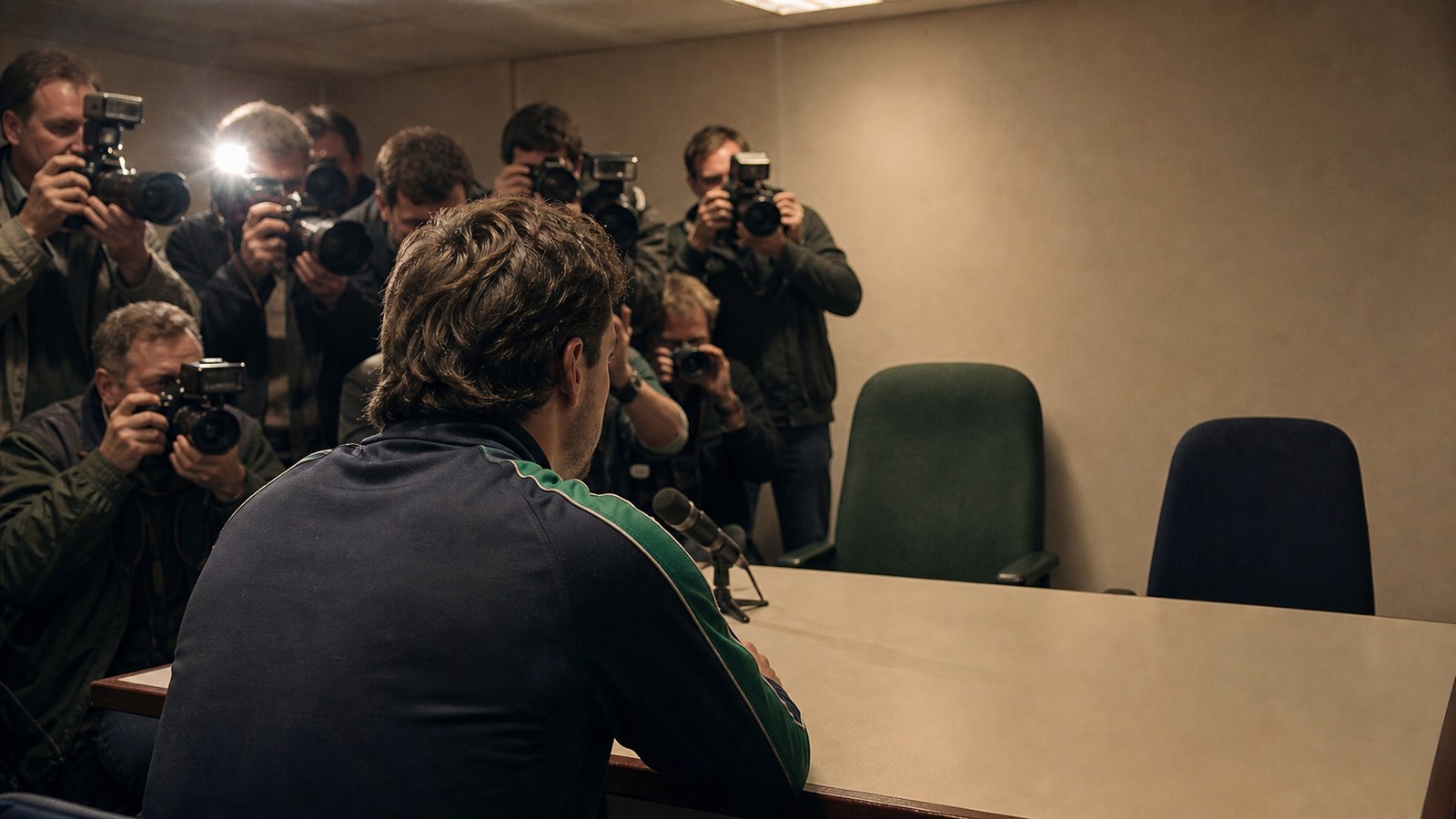
Souness did not have to be taught the scale of the act. He had tried to sign Catholic players before, McMurdo said, including Ray Houghton, Ian Rush and Derek Statham. The obstacle was not finding any Catholic footballer. It was finding one whose ability and nerve could make the decision survive its first bad afternoon. Johnston was an established Scotland striker, a former Celtic scorer and a player Souness knew personally from international duty.
The football and symbolism therefore reinforced one another. A marginal signing might have allowed opponents inside Rangers to blame the policy change for every missed chance. Johnston could be selected on merit immediately. He also inflicted the sharpest possible competitive wound because Celtic had already announced him. Souness told McMurdo that he was buying an excellent player first, then added that the transfer could hold Celtic back for years.
Rangers used one elite player to confront an unwritten barrier
Descriptions of Johnston as Rangers’ first Catholic player need care. Catholics had represented the club earlier. The accurate distinction is that he was the first high-profile open Catholic signing of the modern era, made after a long unwritten practice had kept Catholics from prominent playing and institutional roles. The BBC later framed the move as Scotland’s “Signing of the Century” because it crossed that entrenched line in full public view.
David Murray said Rangers had a social responsibility to remove the tarnish attached to the club. That purpose did not make the institution change gently. Terry Butcher recalled a divided dressing room: English players welcomed a very good striker, while others resisted for sectarian reasons. Outside the club, some Rangers supporters objected to Johnston’s religion and some Celtic supporters treated his decision as treachery.
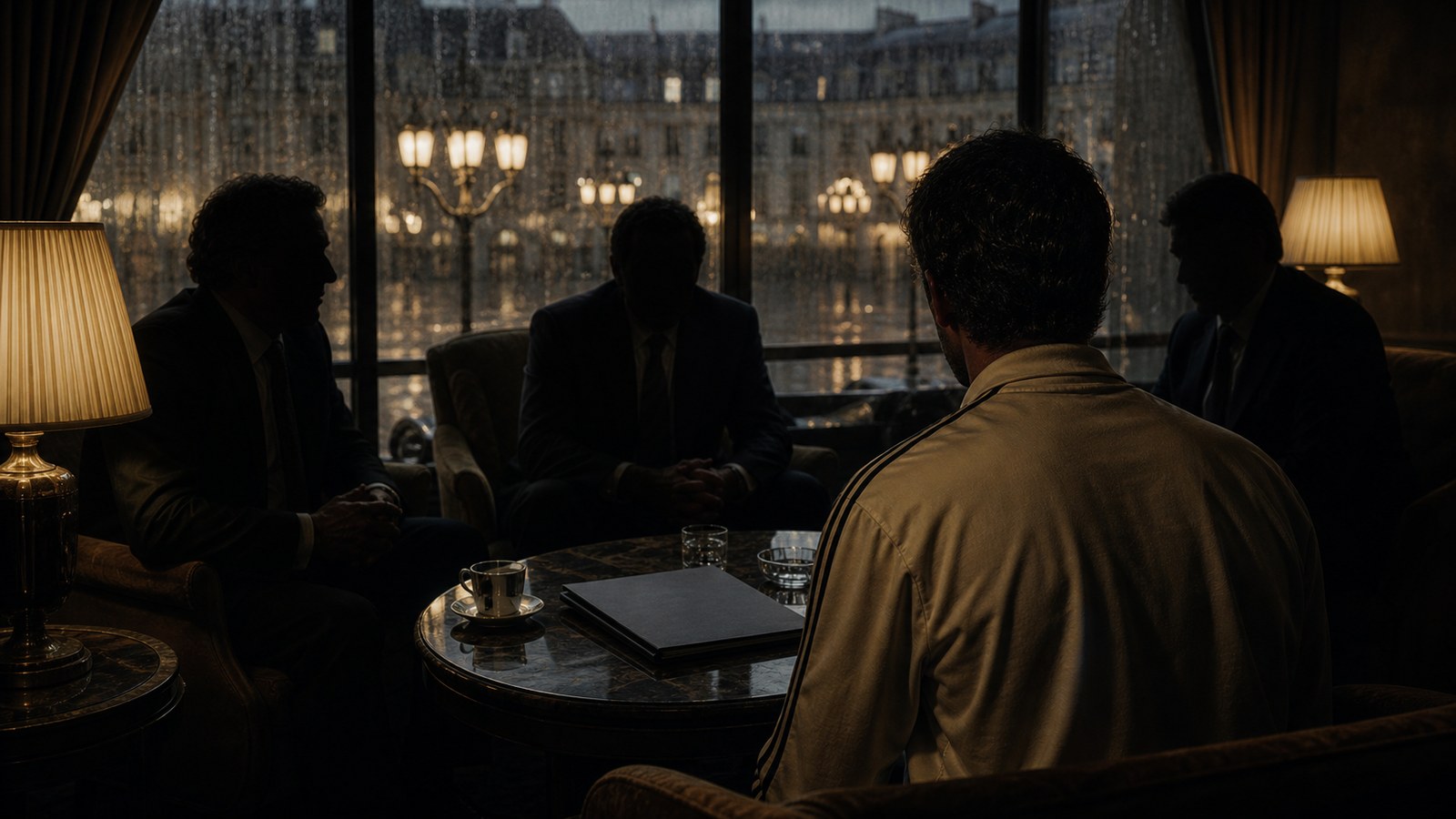
Rangers responded as though the transfer might generate physical danger. McMurdo said he and Johnston received security around the clock after the announcement; people stayed at the agent’s home for six months, while the player had a minder. The protection shows how far the consequences exceeded ordinary supporter anger. A contract had become a referendum on who could represent a football club.
The move belongs beside later transfers that exposed the rules beneath football’s market. Jean-Marc Bosman’s blocked move eventually changed European employment law. Johnston’s case did not produce a legal judgment, but it revealed how custom could govern access as powerfully as a written regulation. Rangers could end the practice because Rangers had maintained it.
A November goal changed the argument inside the stadium
No goal could resolve Glasgow’s religious divide, but football could alter the practical question of whether Johnston belonged in the team. In November 1989 he scored a late Old Firm winner against Celtic. The moment was almost too perfectly designed for the transfer’s mythology: the former Celtic striker deciding a derby in blue only months after both clubs had claimed his future.
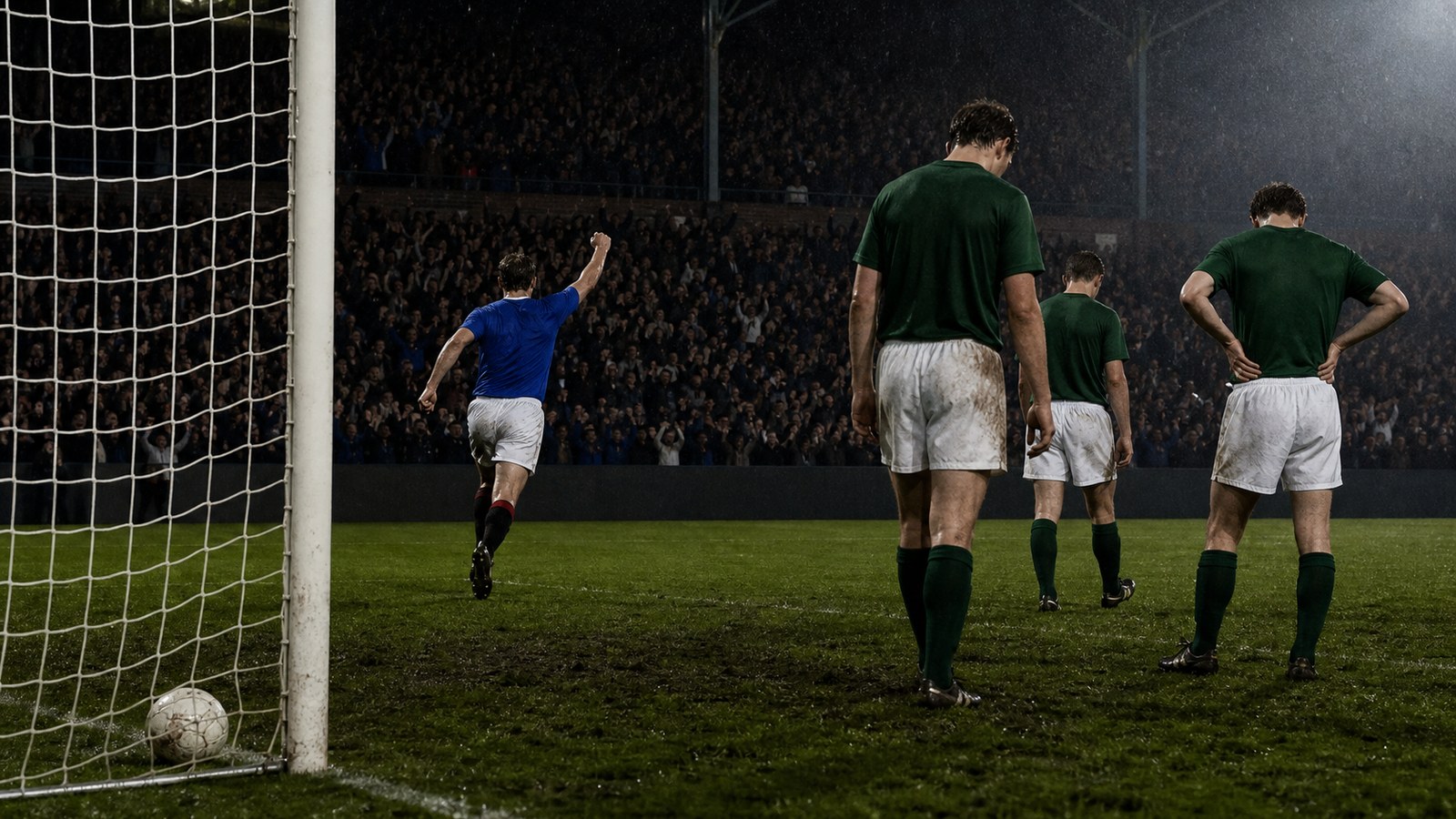
Scoring did not erase hostility, yet it denied opponents an easy sporting case against him. Johnston produced 46 goals in 100 Rangers appearances. He won league titles in both of his seasons at Ibrox before moving to Everton in 1991. The player selected to withstand the policy change also helped Souness’s side keep winning while it took effect.
That combination separated the move from an abstract gesture. Murray could cite responsibility; Souness could cite goals. Supporters were forced to encounter the new reality every time Johnston was named, scored or collected a medal. The institution did not ask permission from all of its constituency before changing. It chose a player capable of making reversal expensive.
The transfer solved access but not the surrounding hatred
Johnston’s success at Rangers can make the story appear cleaner in retrospect than it felt in daily life. He later told the BBC that Old Firm occasions kept producing abuse: objects thrown at his car, people spitting, a fresh incident whenever the rivalry intensified. He rejected the prospect of another Rangers contract despite the likelihood of more medals and returned to England with Everton.
The distinction matters. Signing Johnston broke a barrier at the point of employment. It did not remove sectarianism from the city, the stands or the player’s route home. Rangers could change whom the club employed in one afternoon; culture did not move at the same speed. The transfer’s achievement and its limits were visible in the same career.
Johnston’s path from Celtic presentation to Rangers title winner is often retold as a sensational defection. The paperwork gives it a more revealing shape. Public theatre outran a disputed agreement. An unpaid balance preserved room for negotiation. A chance conversation sent four men to a quiet Paris meeting. Rangers then joined competitive opportunism to overdue institutional change. The signing shocked Glasgow because it was never only about where one forward would score. It tested who could wear the shirt, who controlled a transfer, and how quickly a football club could abandon a custom once victory and responsibility pointed in the same direction.
Sources
The Guardian; BBC Sport; BBC World Service.