
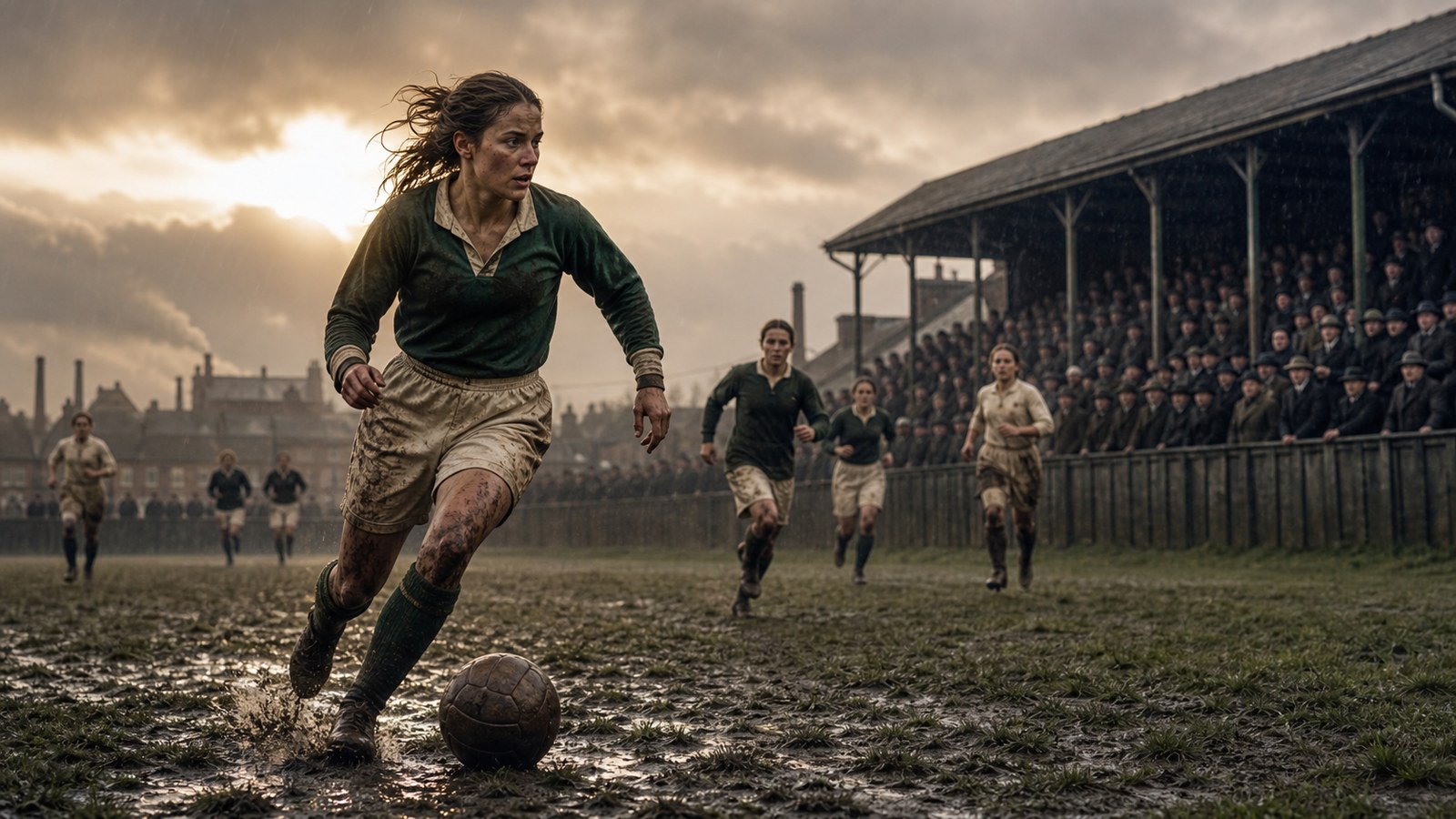
When Lily Parr became captain of Preston Ladies in 1946, the club’s records offered a startling way to measure one footballer’s endurance. Parr was credited with 967 of the team’s 3,022 goals and had missed only five matches. She was 41, still playing on the left, and still working as a nurse. The Football Association had closed its members’ grounds to women a quarter of a century earlier. Parr’s career had continued anyway.
That sequence matters more than any single legend about the force of her shot. Parr entered senior football as a 14-year-old in 1919 and played her last match in 1950. Across those three decades, the women’s game moved from factory-backed crowds at major stadiums to recreational grounds and improvised tours. Her career became a bridge across that forced change: not an uninterrupted professional pathway, but a sustained refusal to let the pathway’s removal decide when she stopped.
A Factory Scout Saw More Than a Six-Goal Defeat
Parr was born in St Helens in 1905, the fourth of seven children. She played football and rugby with her brothers before joining St Helens Ladies. At 5 feet 10 inches, left-footed and unusually powerful, she was difficult to miss. What brought her to Preston, however, was a defeat.
In 1919, St Helens played Dick, Kerr Ladies, the team attached to a Preston locomotive and munitions factory. St Helens lost 6–1. Dick, Kerr manager Arnold Frankland watched the losing side’s 14-year-old winger and recruited both Parr and Alice Woods. The offer joined football to employment: a place in the factory, a place in the team and, according to later accounts, ten shillings for each appearance. A packet of Woodbine cigarettes was said to supplement Parr’s payment.
The arrangement belonged to the world that had produced many women’s teams during the First World War. As men left industrial jobs for military service, women entered factories on lower wages. Lunch-break games became organised sides, initially tolerated as recreation and then recognised as useful for morale and fundraising. Parr arrived just as that wartime opening was becoming a major spectator sport of its own.
Forty-Three Goals Before Her Sixteenth Birthday
Parr scored 43 goals in her first season with Dick, Kerr before she turned 16. A newspaper called her perhaps the greatest football prodigy in the country. Team-mates remembered the violence of her left-foot strike; one description gave her a “kick like a mule.” The stories accumulated because the underlying output was so difficult to explain away. She was not a novelty selected to decorate an exhibition. She was a winger whose goals repeatedly decided serious matches.
She also belonged to a side playing at extraordinary volume. Dick, Kerr Ladies completed 67 matches in 1921 while the players kept full-time jobs. They represented England twice against Wales and won both games, and also beat Scotland. The schedule demanded more than talent. Travel, factory shifts and recovery had to fit around one another without the institutional support later generations would associate with elite sport.
Goodison Park Revealed the Size of the Audience
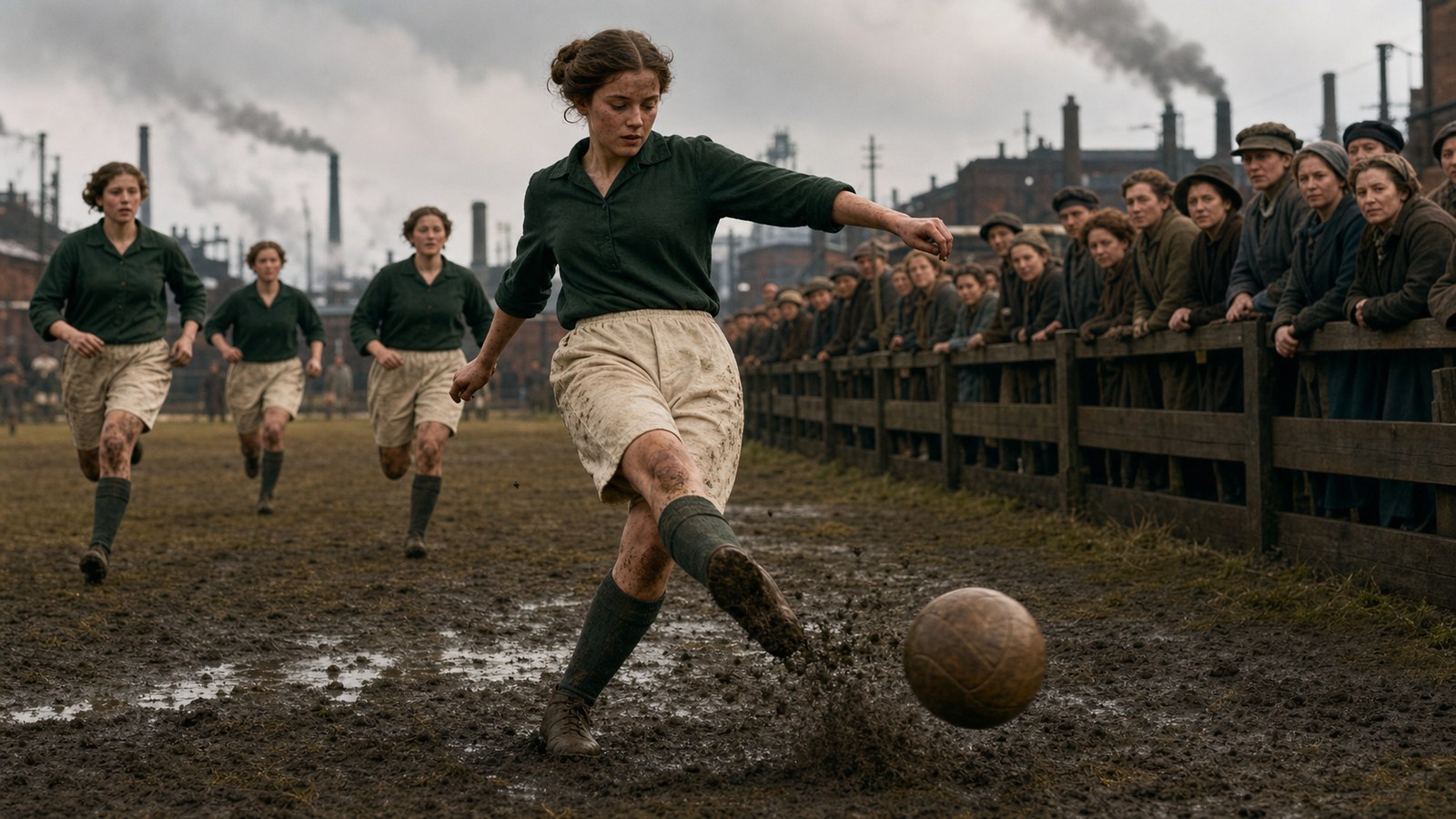
On Boxing Day 1920, more than 53,000 spectators entered Goodison Park to see Dick, Kerr Ladies face Parr’s former club, St Helens Ladies. Roughly 12,000 more were unable to get inside. Dick, Kerr won 4–0. The numbers showed that women’s football had moved far beyond a factory pastime. It could occupy one of England’s major grounds and fill it.
The team’s matches often raised money for local workers, including unemployed miners. That purpose connected players from working-class communities to spectators dealing with the same economic pressures. It also made access to large grounds essential. Bigger gates did not merely signal prestige; they produced larger charitable receipts and allowed the team’s fame to travel.
The Ban Changed the Map, Not the Player
On 5 December 1921, the Football Association declared football “quite unsuitable for females” and instructed affiliated clubs not to make their grounds available to women’s teams. FA members were also barred from officiating. The decision removed the most suitable stadiums and much of the infrastructure needed to stage matches at scale. Parr was 16.
The ruling did not formally make it illegal for women to kick a ball. Its power was geographical and institutional. It pushed teams from Football League grounds toward recreational spaces, reduced gates and separated them from recognised officials. A player could continue, but the game around her had been deliberately made smaller.
For Parr, the timing was particularly severe. She had already proved that she could attract a major audience, score at a remarkable rate and sustain an exhausting fixture list. The ban arrived not before her career began, but after the public had supplied evidence of what that career might become. It removed the professional future at the moment when the demand for one was visible.
Dick, Kerr Ladies carried on. In 1922, Frankland took the team to the United States, where it played nine men’s teams before crowds reported at up to 10,000. Parr and three team-mates also raced the United States women’s Olympic relay team over a quarter of a mile and won. The tour was not a substitute for a stable domestic competition, but it demonstrated the team’s adaptability. When English football’s official map contracted, they looked for matches elsewhere.
Captaincy Made the Long Career Measurable
Dick, Kerr Ladies became Preston Ladies in 1926, and Parr remained. She qualified as a nurse and worked at Whittingham psychiatric hospital while continuing to play. Football did not replace employment, and employment did not reduce her to an occasional guest. The two careers ran beside each other for decades.
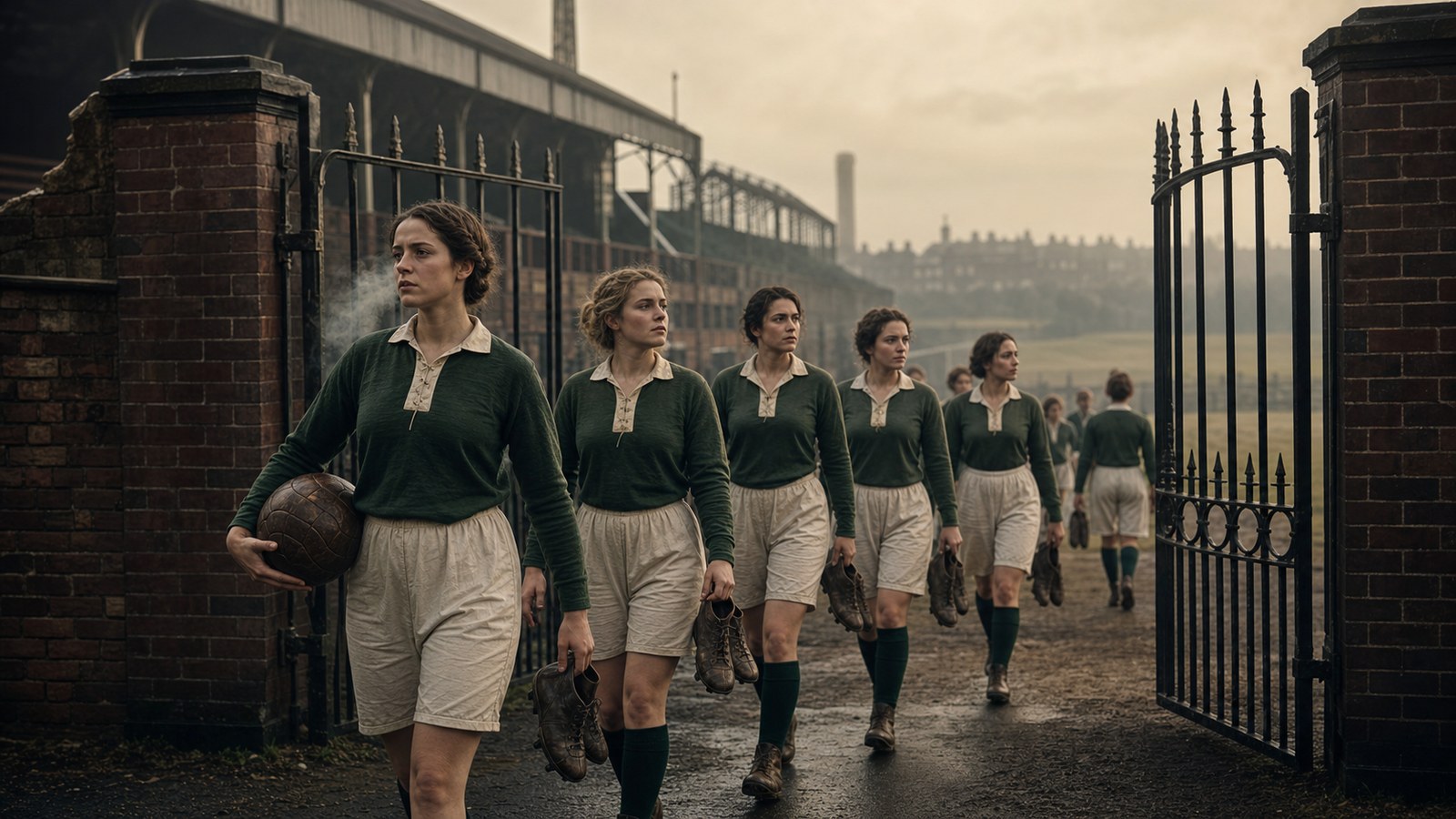
By 1946, when she was named captain, the reported totals—967 of 3,022 team goals and only five matches missed—captured both dominance and availability. The goal figure is extraordinary, but the absences may reveal more. To miss so little across years of restricted facilities, travel and full-time work required routine, health and commitment that the famous descriptions of her shot cannot contain.
Her life also resisted another set of expectations. Parr and her partner Mary worked at the same hospital and were open about their relationship at a time when LGBT+ people faced deep social exclusion. She became the first person in her family to own a home. None of this was presented by Parr as a campaign slogan. It was simply the shape of the life she insisted on living.
She played her final match in August 1950 at the age of 45 and scored in an 11–1 win over Scotland. Estimates place her career total just below 1,000 goals; the National Football Museum later listed 986 across 32 years. Exact totals from an era without a fully supported competition structure will always carry archival uncertainty. The scale does not.
A Statue Arrived After the Grounds Reopened
Parr lived to see the FA reverse its restrictions on women playing at affiliated grounds around 1970–71, almost half a century after the 1921 decision. She died from cancer in 1978, aged 73. Recognition accelerated later. In 2002, she became the first woman inducted into the National Football Museum’s English Football Hall of Fame.
In 2019, a life-size bronze sculpture of Parr was unveiled at the museum in Manchester. It was described as the first statue in England commemorating a female footballer, set against more than a hundred statues of male players. A career long excluded from football’s major grounds finally occupied permanent space within its official memory.
The cleanest version of Parr’s story is not that one exceptional player defeated a ban. She could not restore the stadiums, officials, leagues and professional choices removed from her generation. Her achievement was narrower and more stubborn. She remained a footballer from adolescence to middle age while the institutions around her spent most of that time refusing to build a proper place for her game.
Sources
BBC Sport; BBC News; National Football Museum records as reported by the BBC.