
Nottingham Forest’s European Rise Was Recruitment, Nerve, and a Trap Door Under the Giants
Nottingham Forest’s rise under Brian Clough and Peter Taylor is easy to flatten into folklore. A promoted club wins the English title in 1978, then the European Cup in 1979, then keeps it in 1980. The outline sounds so improbable that the explanation often stops at personality: Clough’s mouth, Taylor’s eye, a dressing room that believed what nobody else could believe. Those things mattered. But Forest’s story was not magic sprinkled over a small club. It was a hard, narrow operating model that punished bigger teams for assuming size would eventually tell.
The real shock is not only the trophies. It is the sequence. Forest had been in the Second Division when Clough arrived in the mid-1970s. Within a few seasons, they were not just competitive with the elite; they were forcing the elite to play on Forest’s terms. That required recruitment, defensive organization, emotional control, and a capacity to make glamorous opponents feel awkward. The fairy tale becomes more impressive, not less, when it is treated as design.
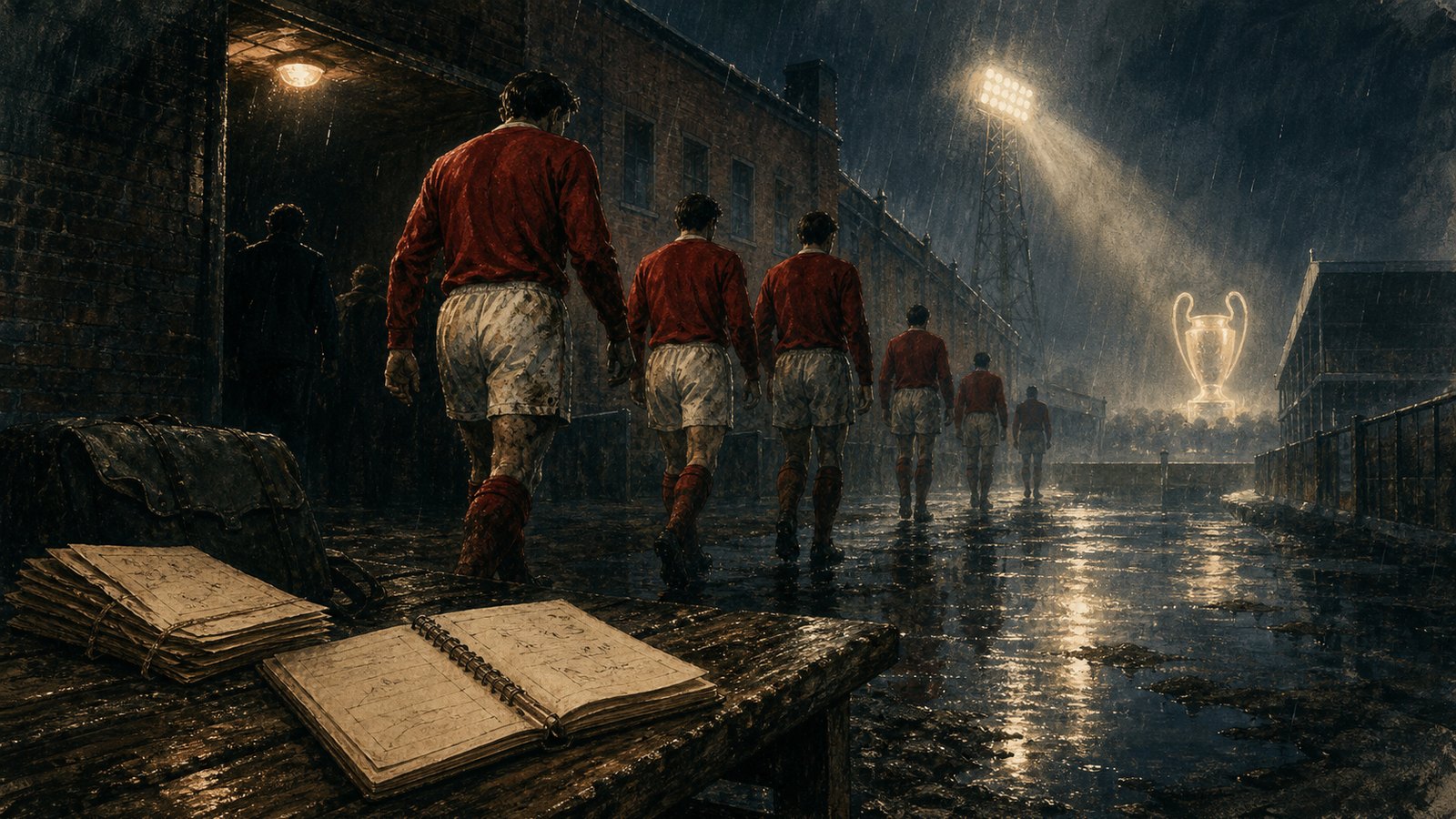
Taylor’s Eye Was the First Weapon
Peter Taylor’s role is sometimes reduced to assistant mystique, but Forest’s rise makes little sense without recruitment. The club did not simply buy famous names and wait for chemistry. It found players who fit the emotional and tactical demands of the side: resilient, coachable, technically useful, and comfortable in matches where the other team was supposed to own the story. The signing of Peter Shilton was huge because it gave Forest an elite goalkeeper at the heart of a team that would live by tight margins.
There were other pieces: defenders who could hold shape, midfielders who would compete without turning possession into panic, and forwards who understood that European Cup football could be won through patience as much as explosion. Taylor helped Clough locate value and personality. Clough then turned that personality into conviction. The recruitment was not glamorous in the modern transfer-window sense. It was sharper than that. Forest bought or built footballers who could make a compact plan feel bigger than the club’s resources.
Clough Made Pressure Feel Smaller
Clough’s genius was not only tactical, and it was not only motivational. It was the way he could shrink a terrifying occasion into a task. European nights can seduce underdogs into playing the badge across from them rather than the match itself. Forest often seemed to avoid that trap. They were not naïve, but they were not dazzled. The side could sit in a game, manage its emotional temperature, and wait for the moment when the more decorated opponent began to carry the heavier burden.
That mattered in the European Cup because knockout football rewards nerve in a different way from league football. One away leg, one mistake, one anxious spell after half-time can tilt a tie. Forest’s compactness made opponents work for clear chances, and Shilton’s presence changed the psychology of the chances that did arrive. The team did not need to look expansive to be dangerous. It needed to make the match narrow enough that its own confidence became the most reliable tool on the pitch.
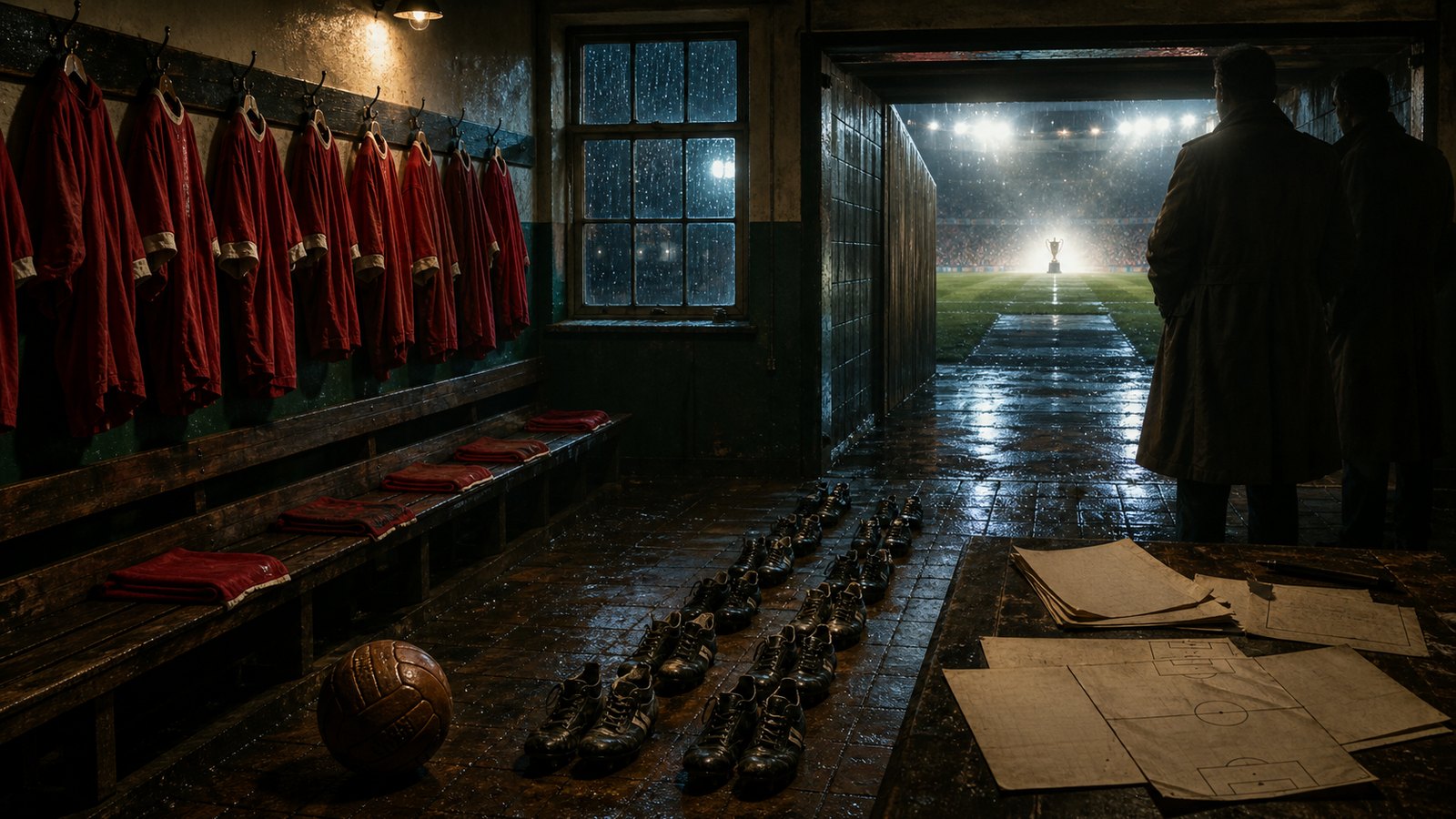
The 1979 Final Was Not a Lottery Ticket
The 1979 European Cup final against Malmö is sometimes remembered through the modest scoreline and Trevor Francis’s decisive header. A single goal can make a final look like a coin toss in retrospect. But Forest’s path and behavior suggest something sturdier. They had already eliminated Liverpool, the holders, earlier in the competition. That tie alone announced that Forest were not simply enjoying a lucky draw. They were capable of closing the door on the strongest English-European force of the period.
Francis’s arrival added another layer because he was Britain’s first million-pound footballer, a label that could have distorted the dressing room or made the story feel suddenly inflated. Instead, the final remained recognizably Forest: controlled, stubborn, alert to the decisive moment. The header became the photograph, but the mechanism was the team’s ability to make a European Cup final feel like another problem to solve rather than a stage too grand for them.
Keeping the Cup Made the Miracle Harder to Dismiss
Winning once can be filed under miracle. Winning again in 1980 made the category less comfortable. Forest’s second European Cup, secured against Hamburg, forced the continent to accept that this was not just a romantic interruption. The team had a repeatable way of surviving pressure and turning small margins into silverware. John Robertson’s goal in Madrid became another clipped memory, but the broader achievement was the defense of an identity under maximum attention.
That repeat matters because football loves to explain away uncomfortable stories. A small club’s first triumph can be treated as weather, luck, or one golden alignment. A second triumph becomes an argument. Forest’s argument was that hierarchy could be attacked through clarity. Know what you are, recruit for it, protect the dressing room’s nerve, and drag supposedly superior teams into a match where their advantages become less useful.
The Trap Door Under the Giants
Forest’s rise still feels impossible because modern football has made the gap between resources and outcomes feel wider. But the lesson is not that any small club can simply copy Clough and Taylor. The conditions were specific: era, personalities, recruitment market, domestic structure, and European format all mattered. The lesson is sharper. For a brief period, Forest created a trap door under the giants. They invited bigger names to step onto a stage where reputation did not decide the rhythm.
That is why the story keeps its power. It is not only nostalgia for muddy boots and old floodlights. It is a reminder that football history is full of moments when the machine of status misreads the machine of a team. Nottingham Forest did not stumble into Europe and wake up champions. They built a narrow bridge across a gap that should have swallowed them, then walked it twice while everyone else tried to explain why it should not have been possible.
Why the Model Was So Hard to Copy
The tempting mistake is to turn Forest into a manual: hire a charismatic manager, find a brilliant recruiter, tell the players they can beat anyone, and wait for Europe to fall. History is less generous. Clough and Taylor were operating in a specific transfer market, with a specific group, before the modern concentration of money made repeated continental shocks much harder. Their achievement is not diminished by those conditions. It is clarified by them. They spotted a window in football’s structure and moved through it with extraordinary nerve.
The European Cup format helped a team that could manage two-legged pressure and finals without needing to dominate every week against a super-club economy. But format alone did not win the ties. Forest still had to beat opponents who were comfortable with European nights, still had to absorb the emotional force of Anfield, still had to make finals feel winnable, and still had to return the next year with everyone aware of the trick. The second cup is the detail that protects the story from becoming too soft.
In modern terms, Forest were not a possession empire or a pressing laboratory. They were a clarity machine. Their recruitment served the manager’s psychology; their psychology served the match plan; the match plan served the margins of knockout football. That chain is why the rise remains one of the sport’s great institutional shocks. It was not only that the giant fell. It was that Forest knew exactly where the loose board in the floor was, and stepped on it twice.
Sources
- Nottingham Forest club historical records
- UEFA European Cup archives
- Jonathan Wilson, Brian Clough and European football histories
- RSSSF European Cup records
- Contemporary reports on the 1979 and 1980 European Cup finals