
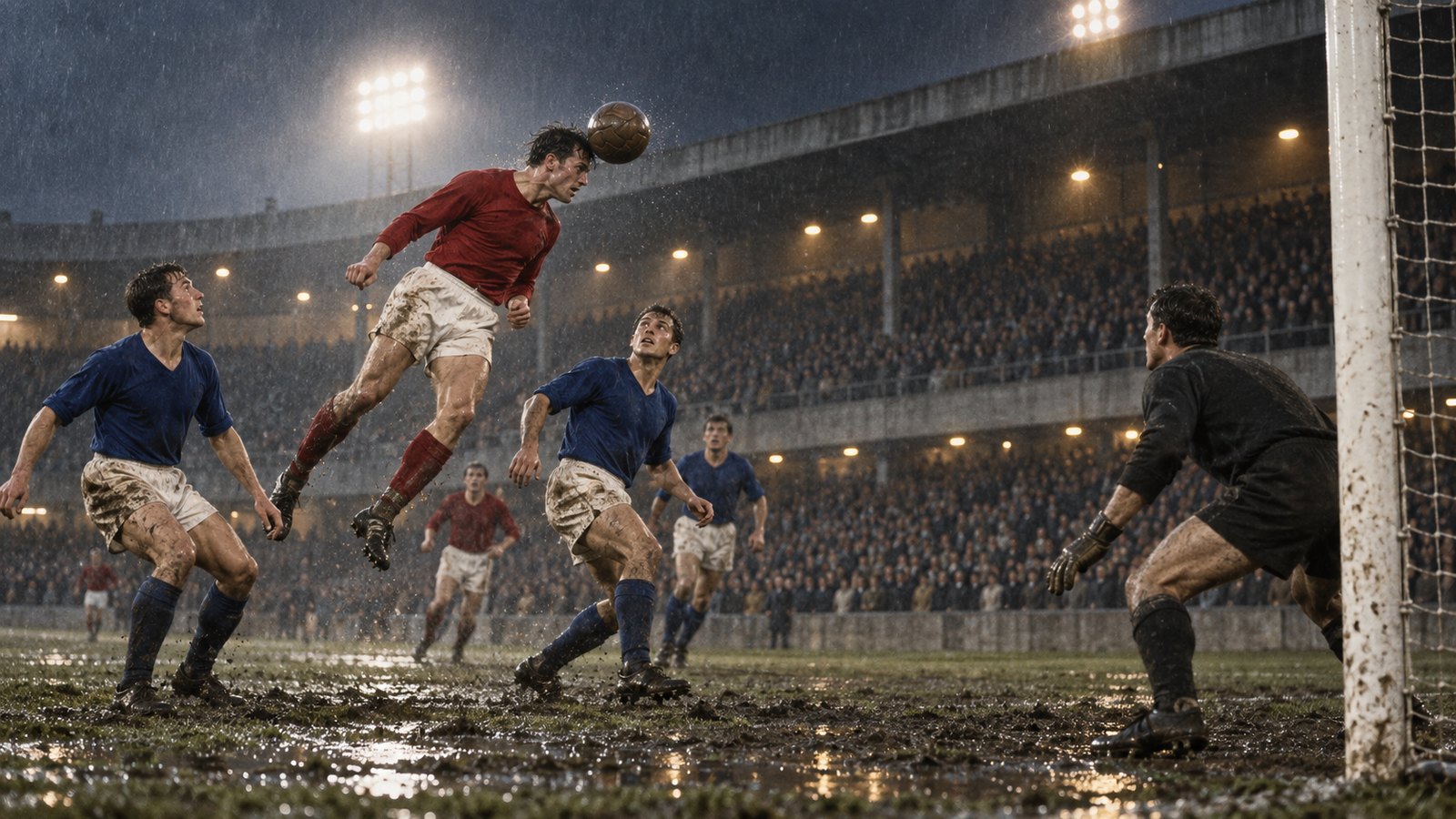
On 5 April 1959, a crowd in Dublin watched Ireland beat Czechoslovakia 2-0. Nothing about the afternoon looked like the start of a continental institution. It was a qualifying-round first leg between two of only 17 countries willing to enter a new competition, played more than fourteen months before the trophy would be decided. Ireland then went to Bratislava, lost 4-0, and disappeared from the story.
That awkward beginning explains the first European Nations’ Cup better than a polished origin myth can. Europe already had a successful club tournament, but a championship for national teams still had to survive reluctance, an uneven bracket, a politically cancelled quarter-final and a tiny four-team finals in France. By the time Viktor Ponedelnik scored in extra time in Paris, the experiment had acquired the one thing its organizers could not manufacture in a committee room: a final people could remember.
A trophy waited longer than its tournament
Henri Delaunay, the French administrator who became UEFA’s first general secretary, had advocated a European championship for national sides long before the first ball was kicked. He died in 1955, three years before the new European Nations’ Cup began. The trophy carried his name, making the competition a delayed answer to an idea whose principal advocate never saw it played.
The response from national associations was cautious. Seventeen teams entered the 1958–60 competition. That number forced Ireland and Czechoslovakia into a preliminary tie simply to reduce the field to sixteen. Several major football countries stayed out, including England, West Germany and Italy. The field was continental enough to test the concept, but too incomplete to make the tournament feel inevitable.
The format also differed sharply from the month-long festival that the European Championship later became. Most of the competition consisted of home-and-away knockout ties spread across seasons. Supporters encountered it as isolated international dates rather than as one shared summer event. France would host only the last four teams in July 1960.
Seventeen entries produced an uneven road
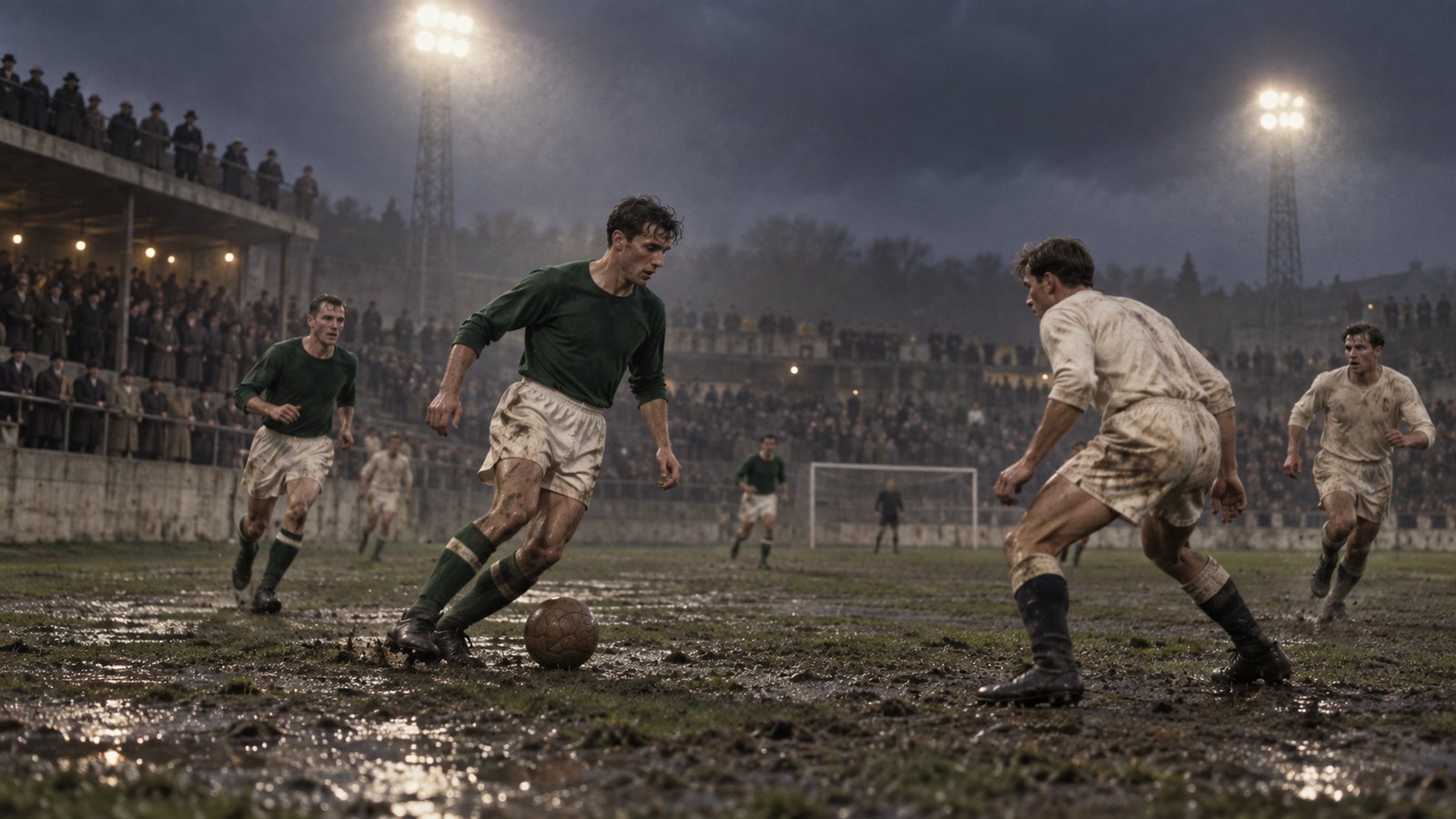
The first full round began before the preliminary tie had even finished. The Soviet Union beat Hungary 3-1 in Moscow on 28 September 1958, then completed a 4-1 aggregate win in Budapest almost a year later. France overwhelmed Greece 7-1 in Paris and advanced 8-2 across two legs. Spain beat Poland 4-2 in Chorzów and 3-0 in Madrid, with Alfredo Di Stéfano and Luis Suárez among the scorers.
Those scores reveal how little standard rhythm the competition possessed. Some ties were separated by weeks, others by many months. Romania took a 3-0 lead over Turkey in November 1958 and did not play the return until April 1959. Yugoslavia’s two games against Bulgaria were separated by nearly five months. The bracket existed, but it moved at the pace of national calendars and diplomatic permission.
There was compelling football inside that loose structure. France’s attack featured Raymond Kopa and Just Fontaine. Spain could select Di Stéfano, Suárez and Francisco Gento. The Soviet side had Lev Yashin in goal, Igor Netto in midfield and a forward line that included Slava Metreveli, Valentin Ivanov and Ponedelnik. The new cup did not lack elite players. It lacked agreement that the cup mattered enough for everyone to join.
One quarter-final never reached a pitch
The deepest problem arrived after Spain and the Soviet Union were paired in the quarter-finals. Their two legs were listed for Moscow and Madrid in May and June 1960, but Spain withdrew. The Soviet Union received a walkover and advanced to the four-team finals without playing the tie.
The cancellation belonged to the politics of Francisco Franco’s Spain and its refusal to send the national team to the Soviet Union. It also exposed a weakness in a pure knockout tournament: one diplomatic decision could remove an outstanding side and erase a quarter of the last-eight programme. Spain had scored seven goals against Poland in the previous round. None of its celebrated attackers appeared in France.
The other quarter-finals did supply clear winners. Czechoslovakia beat Romania 5-0 on aggregate. France defeated Austria 9-4 over two high-scoring legs. Yugoslavia recovered from a 2-1 defeat in Lisbon by beating Portugal 5-1 in Belgrade. Four finalists emerged, but only three had won their place on the field.
Four teams made France feel like a beginning
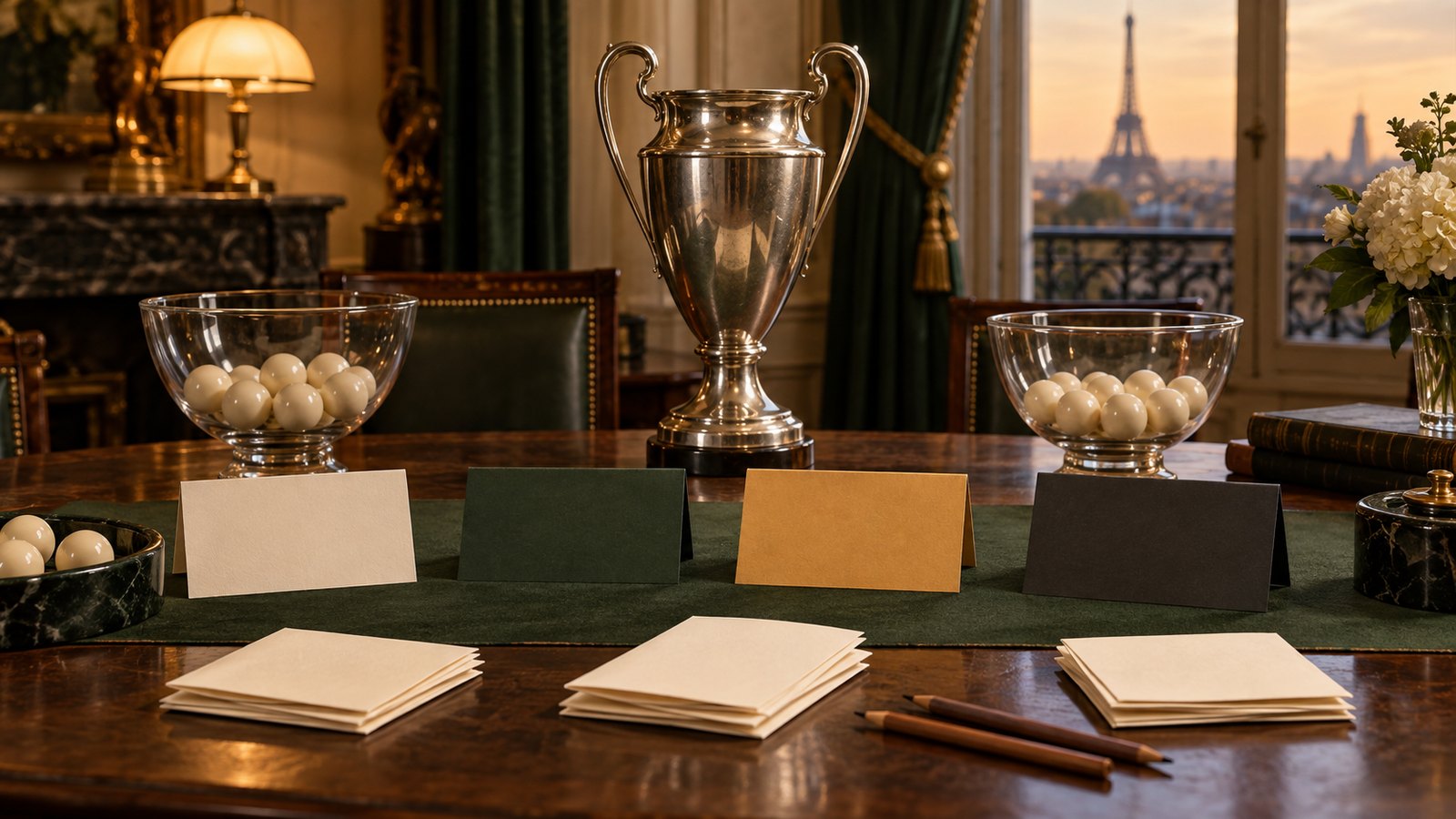
The draw for the final tournament took place in Paris on 31 May 1960. On 6 July, the Soviet Union met Czechoslovakia in Marseille while France faced Yugoslavia at the Parc des Princes. This was the entire semi-final programme: two matches on one day, followed by a third-place game and a final.
The Soviet Union advanced with control, beating Czechoslovakia 3-0. Ivanov scored in the 34th and 56th minutes; Ponedelnik added the third in the 65th. Yashin and the Soviet defence kept a clean sheet in front of an estimated 28,000 at the Stade Vélodrome.
The line-up joined experience to a clear attacking spine. Netto captained from midfield, while Metreveli and Mikheil Meskhi worked from the flanks around Ivanov and Ponedelnik. Czechoslovakia could call on Josef Masopust and Ján Popluhár, players who would return to a World Cup final two years later, but the Soviet side scored at three separate stages of the semi-final and gave Yashin a protected afternoon. Its route to Paris was measured: four goals against Hungary across two legs, a political walkover, then three unanswered goals in Marseille.
Paris delivered the opposite kind of semi-final. France led Yugoslavia 4-2 after François Heutte scored in the 62nd minute. Yugoslavia answered through Tomislav Knež in the 75th and Dražan Jerković in the 77th and 78th. Three goals in four minutes changed control into elimination. The 5-4 result remains a vivid argument for staging a compact finals at all: the competition’s identity suddenly belonged to a single, breathless night.
Ponedelnik gave the experiment an ending
The final returned to the Parc des Princes on 10 July. Milan Galić put Yugoslavia ahead in the 41st minute. Metreveli equalised four minutes after half-time, and the score remained 1-1 through ninety minutes. In the 114th minute, Ponedelnik scored the extra-time winner. The Soviet Union had become the first European champions.
The final was watched by roughly 18,000 people, modest for the birth of a tournament that would later fill enormous stadiums and dominate a summer. Yet scale is not the same as consequence. The first edition proved that national teams could move through a continental qualifying competition and meet for a short, dramatic conclusion. It also revealed what needed improvement: broader participation, a cleaner calendar and a finals large enough to feel representative.
Czechoslovakia beat host France 2-0 in the third-place match. Fontaine finished as the leading scorer across the entire competition with six goals, even though France lost both games in the final tournament. Ponedelnik, Ivanov, Galić, Jerković and Heutte each scored twice in the four-team finals. The statistics were small enough to fit on one page, but the model had survived its trial.
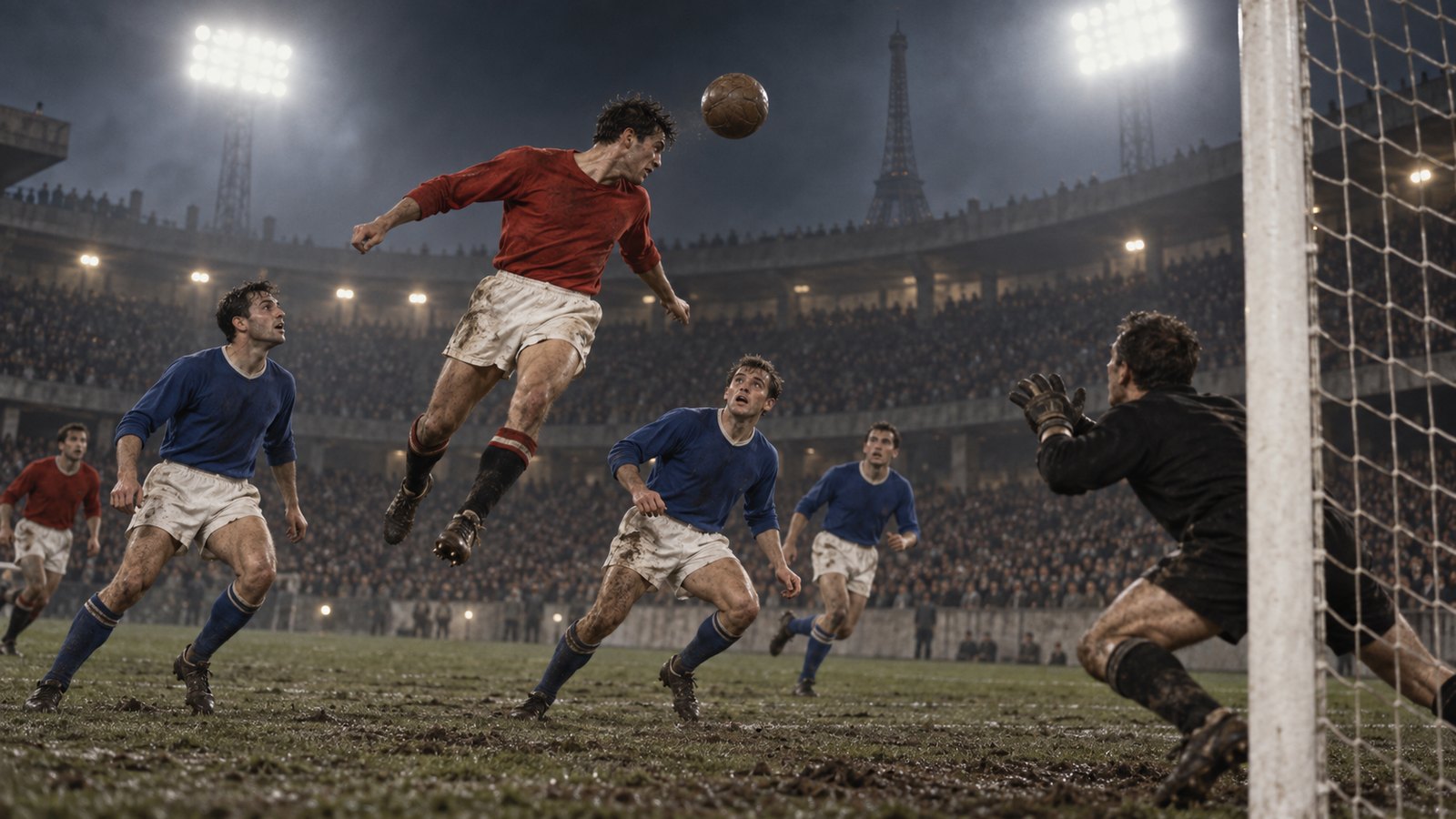
The dates themselves show the transformation. The first full-round match, Soviet Union against Hungary, was played in September 1958. The last preliminary match did not occur until May 1959, and several return legs waited until that autumn. The final four, by contrast, completed four matches between 6 and 10 July 1960. A competition that had wandered through the calendar finally acquired the compressed tension of a finals week. Marseille and Paris gave distant qualifying results a common stage, while the semi-finals offered both a controlled 3-0 and a chaotic 5-4.
Europe’s first Nations’ Cup did not arrive fully formed. It began with Ireland’s temporary two-goal lead, passed through a bracket of reluctant entrants and an unplayed political tie, then found urgency in France. Its importance lies in that conversion from proposal to practice. Seventeen associations were enough to begin. Four finalists were enough to reveal the possibilities. One 114th-minute goal was enough to place a champion’s name on Henri Delaunay’s trophy.
Sources
UEFA European Championship archive; Rec.Sport.Soccer Statistics Foundation; Wikipedia tournament chronology.