
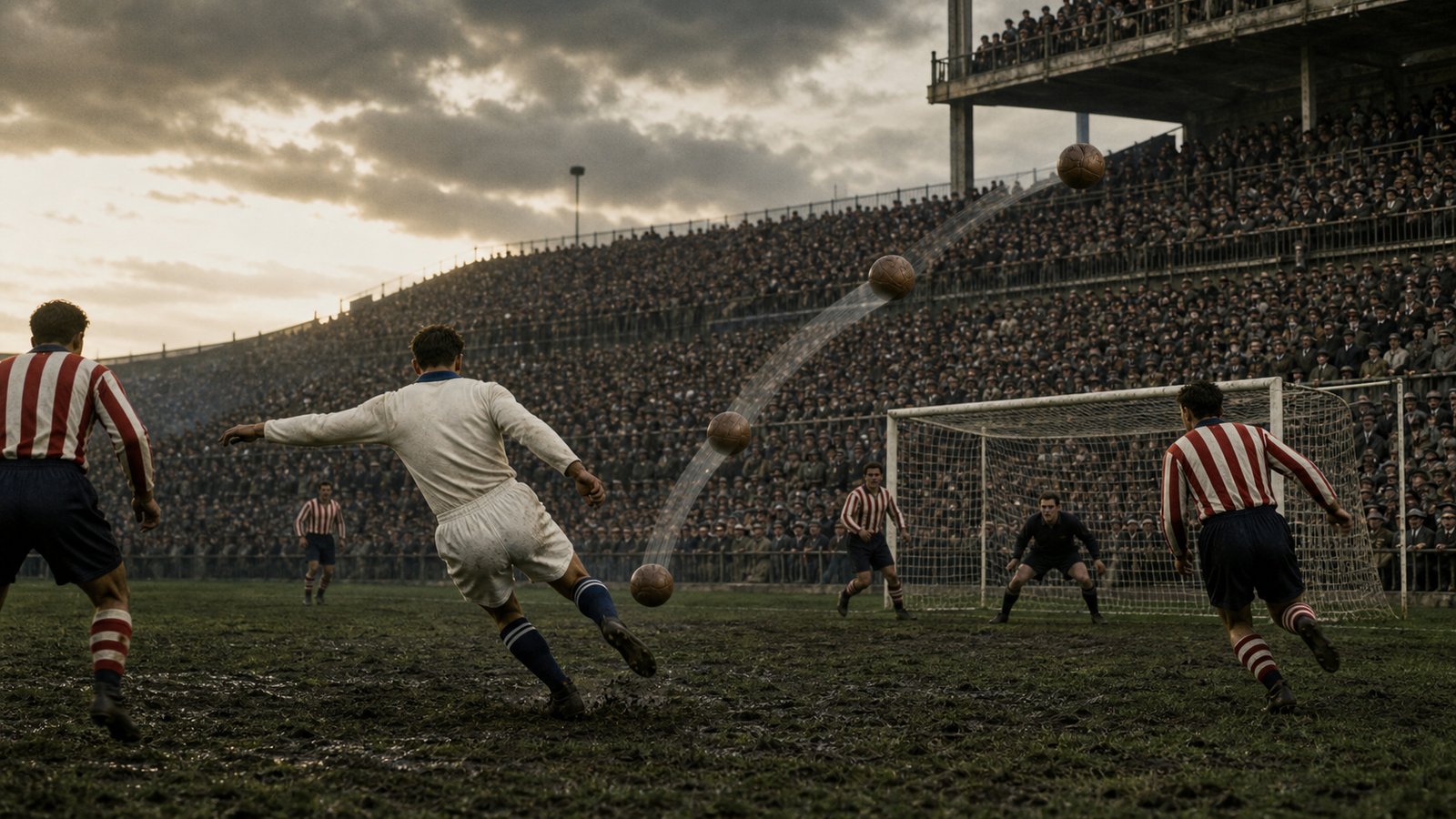
The first World Cup hat-trick sat in the wrong place for most of the tournament’s recorded history. Bert Patenaude had scored it in 1930; the official recognition arrived in 2006.
A record can look permanent simply because it has been printed often enough. For decades, World Cup lists began their hat-trick history with Argentina’s Guillermo Stábile and his three goals against Mexico on 19 July 1930. The date was neat, the name was famous, and the line survived from one reference work to the next.
Two days earlier, however, the United States had beaten Paraguay 3–0 in Montevideo. All three goals eventually belonged to one forward: Bert Patenaude. The obstacle was not whether the match happened or whether the score was known. It was the identity attached to one goal. FIFA research concluded in 2006 that the disputed strike, long credited to United States captain Tom Florie, should be assigned to Patenaude.
That correction moved football’s first World Cup hat-trick backward by 48 hours. It also restored a sharper picture of a scorer whose club record made three goals in one afternoon entirely believable.
Three goals, but only two stayed together on paper
The United States arrived at the inaugural World Cup with a forward already accustomed to high-scoring American soccer. Patenaude was playing for the Fall River Marksmen, one of the strongest clubs in the American Soccer League. Fall River had just completed an American Soccer League, U.S. Open Cup and Lewis Cup triple. He was not a curiosity carried to Uruguay for one unlikely summer; he belonged to a winning, demanding club environment.
His tournament began with a goal in the United States’ 3–0 victory over Belgium. Four days later, on 17 July, the team met Paraguay at Estadio Gran Parque Central. The United States won by the same score. Patenaude’s first and third goals were not the source of the historical problem. The middle goal became detached from him in the record and was credited to Florie.
That single attribution had an outsized consequence. Without the middle goal, Patenaude had scored twice. With it, he had completed the World Cup’s first hat-trick. The difference between those two versions was not visible in the final score, which remained 3–0 either way. It existed in the line beneath the score, where a name determines who owns a milestone.
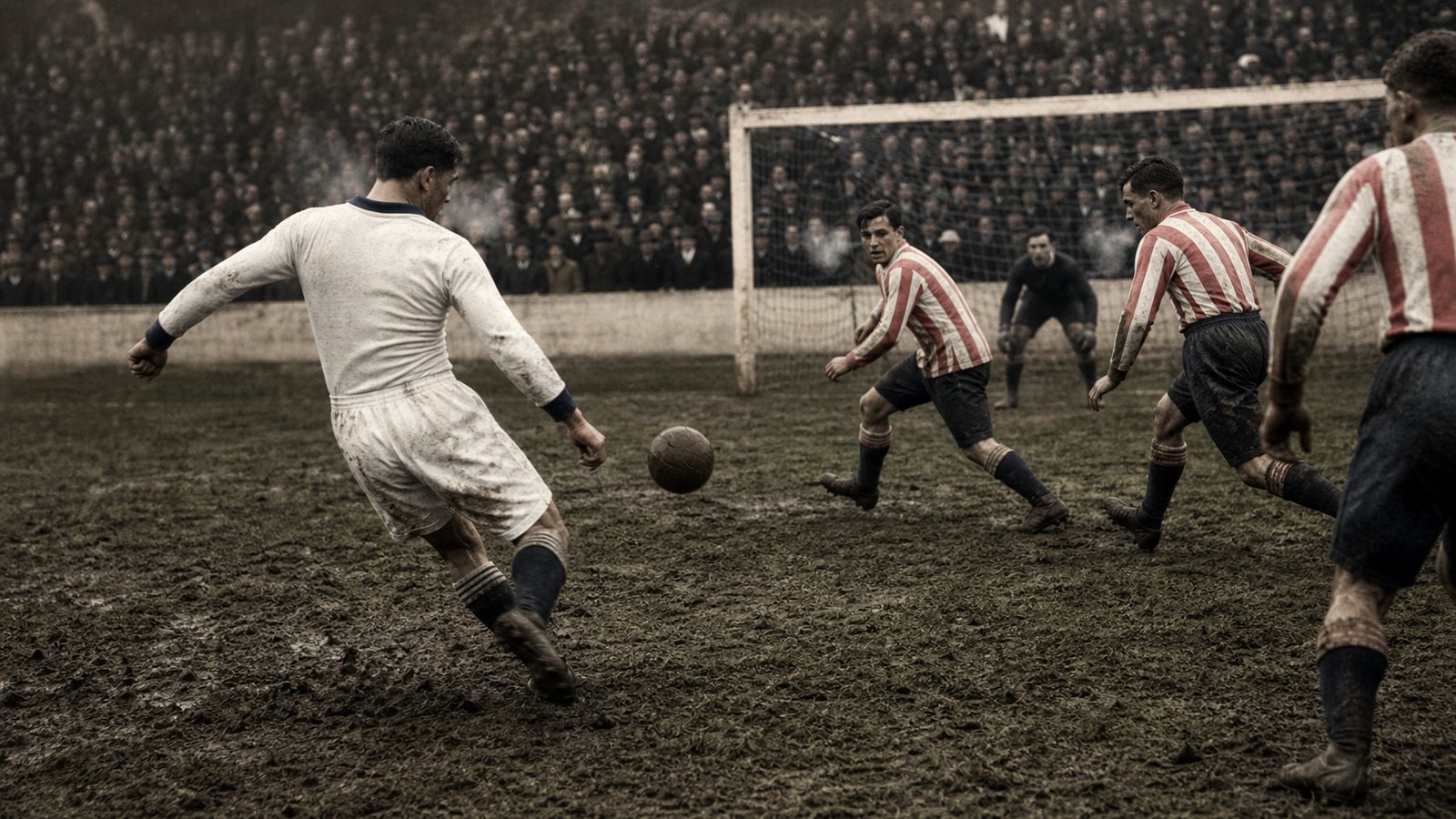
Stábile inherited a record from the calendar
Argentina met Mexico on 19 July, and Guillermo Stábile scored three times in a 6–3 victory. With Patenaude’s Paraguay tally divided between two names, Stábile appeared to be the first man to score three in a World Cup match. He did not claim anything falsely. The chronology available to football placed him there.
The two matches make an unusually precise archival hinge. They were separated by only two days. Moving one goal from Florie to Patenaude did not merely add another hat-trick to a list; it changed which match came first. A tiny piece of identification altered the opening sentence of an entire tournament record.
There is a temptation to imagine a dramatic lost document suddenly pulled from a drawer. The sources used here do not establish such a scene, and the correction should not be embroidered. Guinness World Records states that FIFA research found the goal initially credited to Florie should instead belong to Patenaude. That is enough to explain the outcome, but not enough to invent the precise chain of evidence behind it.
The restraint matters because this story is about the fragility of records. Treating the correction like a detective film would replace one false certainty with another. What can be said is concrete: Patenaude scored against Paraguay on 17 July 1930; Stábile’s three came on 19 July; FIFA’s 2006 conclusion changed the recognized order.
Fall River had already shown what kind of scorer he was
The restored hat-trick fits Patenaude’s career rather than standing apart from it. At Fall River, he played for a side collecting trophies across league and cup competition. The Marksmen’s 1930 triple meant he reached Uruguay from a football culture with its own crowded schedules, rivalries and pressure, not from an empty American prehistory.
His most startling club performance came on 5 April 1931. Fall River faced Chicago Bricklayers in the first leg of the U.S. Open Cup final, and Patenaude scored five goals in a 6–2 victory. Fall River went on to take the cup. Five in a final leg gives the World Cup afternoon a different scale: the Paraguay match was historically unique, but prolific bursts were part of his game.
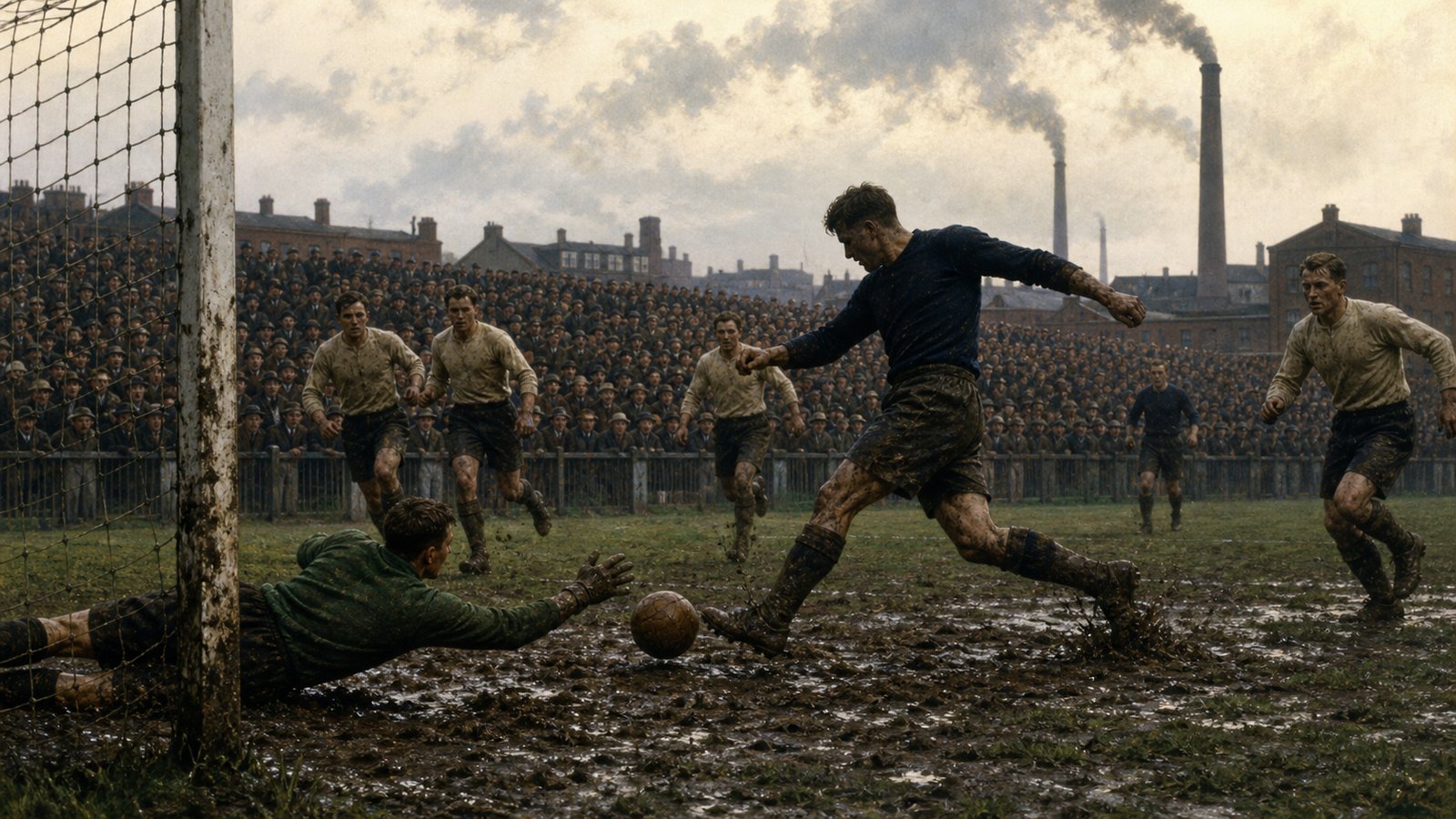
The pattern continued in several settings. He scored five in an American Soccer League match in 1931, another five for Philadelphia German-Americans in a 1933 cup tie, and four within 15 minutes for Stix, Baer & Fuller in a 1934 U.S. Open Cup match. Those totals describe a forward who could turn a short spell into a flood.
He also accumulated the medals that keep a scorer from being reduced to personal statistics. After the 1930 success, he won another U.S. Open Cup with Fall River in 1931 and one with St. Louis Central Breweries in 1935. His football life stretched across strong clubs in Fall River, Philadelphia and St. Louis, cities linked by a thriving but later underremembered American game.
The correction recovered more than a trivia answer
By 2006, Patenaude had been in the National Soccer Hall of Fame for 35 years. His 1971 induction recognized a career that did not depend on the World Cup correction. Yet the restored hat-trick changed how that career connected to the global history of the sport.
World Cup memory often narrows the early United States team to a surprising semi-final place. The Americans won their group matches against Belgium and Paraguay before Argentina beat them 6–1 in the semi-final. Patenaude’s four tournament goals—one against Belgium and three against Paraguay—give that run a recognizable attacking figure. The team did more than advance through an unfamiliar format; it had a forward producing at the highest rate of the opening week.
The correction also exposes a geographical blind spot. Early American soccer can disappear from modern accounts because its leagues and clubs do not fit the later story of the sport’s growth in the United States. Fall River Marksmen, Philadelphia German-Americans and St. Louis Central Breweries sound distant from the commercial map people know now. Patenaude’s record pulls those names into the World Cup’s first chapter.
His restored place is therefore not a consolation prize awarded decades late. It is evidence that the tournament’s beginnings were connected to a deeper American club culture than the simplified version usually allows.
Seventy-six years changed the label, not the afternoon
Nothing about the 2006 decision altered what happened on the grass in Montevideo. The United States still won 3–0. Paraguay still lost. The crowd did not experience a retroactive fourth goal, and Stábile’s performance against Mexico remained a hat-trick. Only the ownership of one existing goal changed.
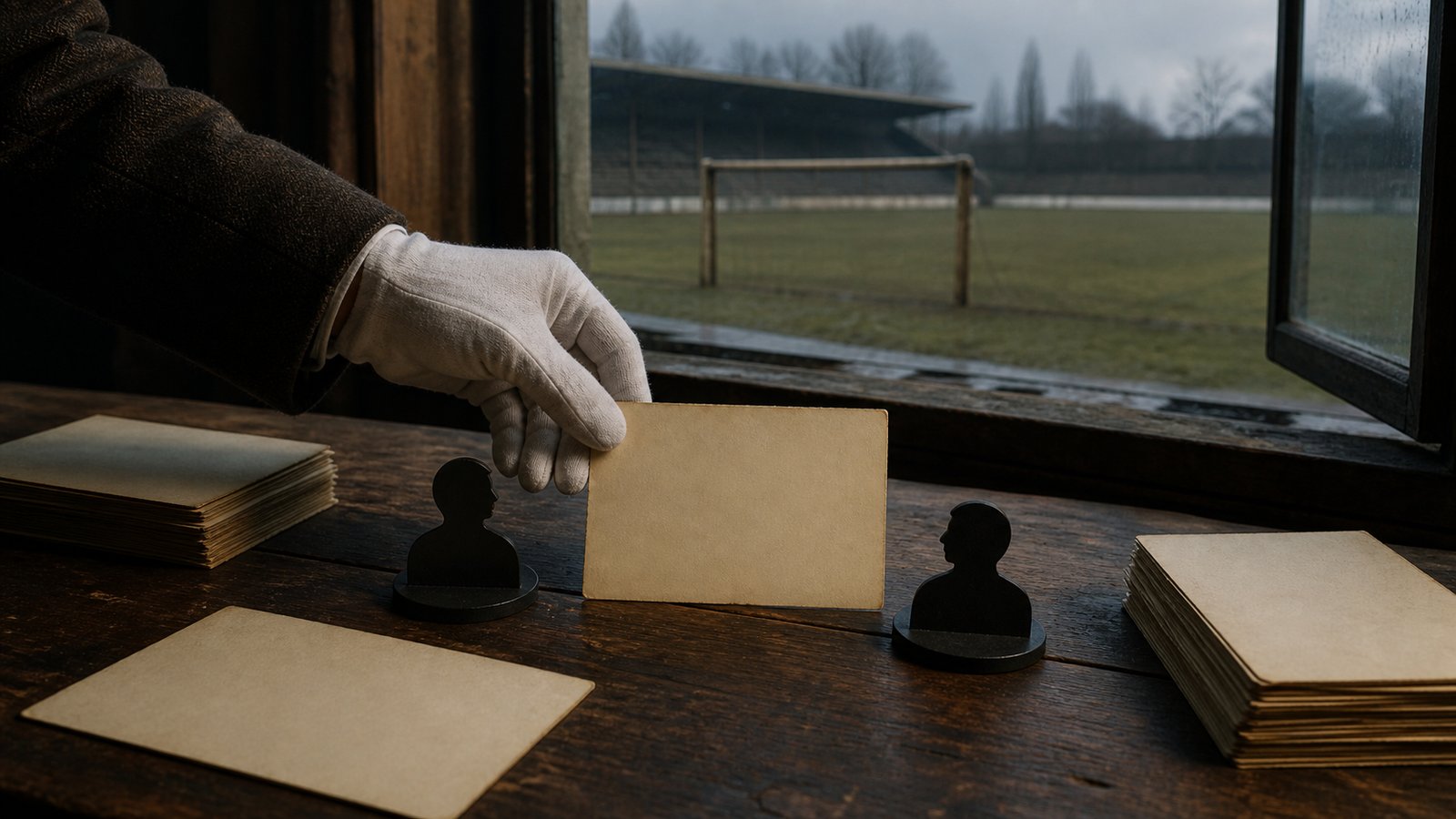
Yet labels are the architecture of sporting memory. “First” determines which photograph is reused, which player opens a list, and whose life becomes attached to a category. For 76 years, the World Cup’s first hat-trick pointed to the wrong match. Once the disputed goal moved, Patenaude’s three goals became whole again.
The strongest ending is not that football history can never be trusted. Results, line-ups and contemporary records remain indispensable. The point is that a record is a claim assembled from evidence, and even a familiar claim can be revised when the attribution beneath it changes.
Patenaude’s afternoon needed no new legend. A 3–0 win, three goals, a two-day margin over Stábile and a club career full of scoring bursts are vivid enough. The remarkable part is how long football knew the match but mislaid the man inside it.
Sources
- National Soccer Hall of Fame
- Society for American Soccer History
- Guinness World Records
- RSSSF World Cup archive