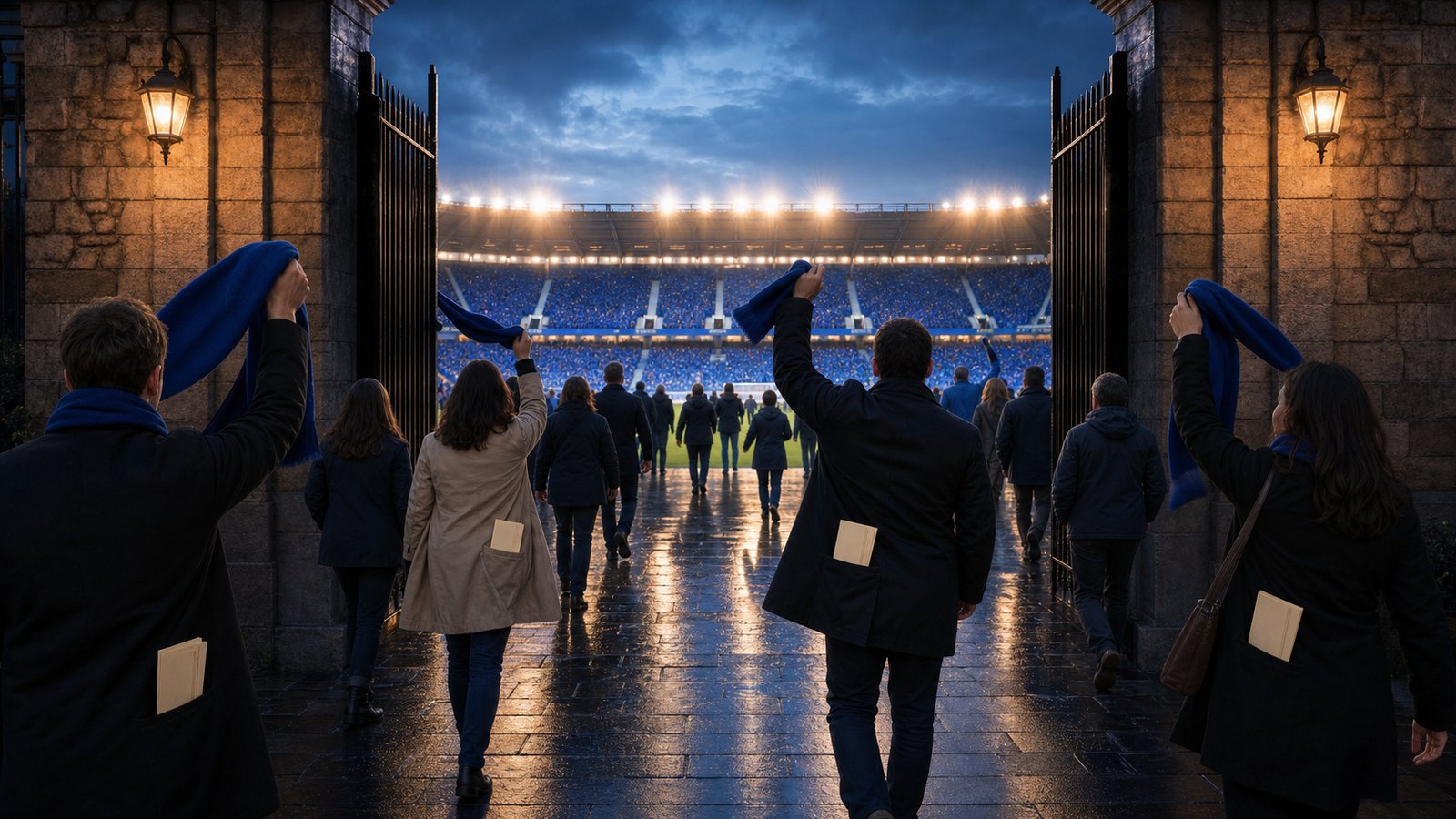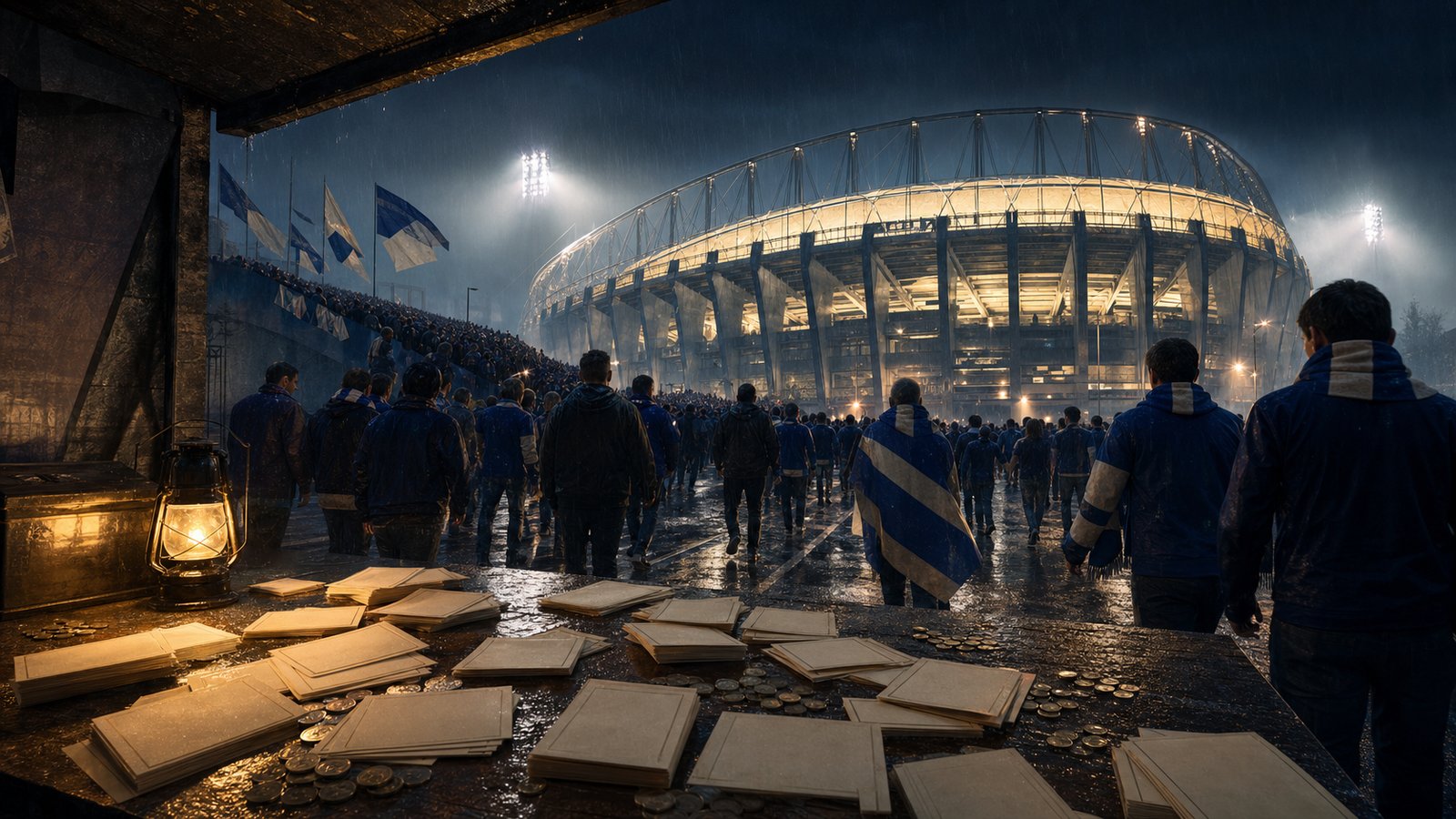
For €10.75, a stranger could become part-owner of Real Oviedo. The club did not disguise what the purchase meant. Its English-language appeal warned that the share would probably gain no financial value, described the money as effectively a donation and told buyers not to spend what they could not afford. The return was a certificate and a vote in the future of a football club most purchasers had never seen play.
That blunt offer travelled farther than any conventional investment pitch. During two weeks in November 2012, more than 20,000 people in more than 60 countries bought €1.93 million of shares. A third-tier Spanish side facing dissolution acquired an ownership map that stretched far beyond Asturias. The remarkable part was not simply that the internet found a distressed club. It was that local memory, academy alumni, radio, social media and thousands of small payments aligned before a fixed deadline.
A €1,905,000 deadline carried ten years of damage
The emergency had a long runway. Real Oviedo dropped out of La Liga in 2001 after thirteen consecutive seasons at the top level. The club expected a quick return, but failure to win promotion exposed debts that first-division income had helped conceal. Unpaid players complained, results deteriorated, and in 2003 sporting relegation was followed by an administrative fall into Spain’s fourth tier. On 1 August, the official club history records, Oviedo had no players, suffocating debt and an administration process intended to prevent liquidation.
The city’s football loyalties were tested as local authorities backed Oviedo ACF, a project developed from Astur CF that appeared capable of replacing the old club. Oviedo’s supporters answered with what became known as Espíritu 2003. More than 10,000 season tickets were sold even in the lower divisions, and some crowds passed 25,000 on grounds built for far fewer people. The fight kept the name alive, but survival did not remove the liabilities or guarantee competent ownership.
By the summer of 2012, a new five-man board chaired by Toni Fidalgo inherited another immediate threat. The capital increase needed to reach €1,905,000. The club’s own offer said that failure would force the board to call a general meeting to dissolve the company. Contemporary reporting separated the problem into three levels: roughly €1.9 million to stop the winding-up danger, €2.5 million to finish the season, and €4 million to establish medium-term security. The first number was the line that had to be crossed now.
The prospectus sold belonging rather than profit
Most football rescue appeals ask for loyalty first and explain the finances later. Oviedo put the unappealing economics in plain view. One share cost €10.75, usually rounded in international reports to €11. Buyers were told they were unlikely to make money. They were also told that the balance after the issue would determine voting power and the composition of a new board. This was emotionally charged crowdfunding conducted through actual equity.
That distinction gave every transaction two meanings. A small buyer was helping meet the cash target, but was also diluting the influence of Alberto González, the absent controlling shareholder whose period at the club had deepened the crisis. The share issue could supply oxygen and alter authority at the same time. It converted the familiar supporter claim — “this is our club” — into an entry on the register.
Three academy graduates carried the appeal abroad
Oviedo had a powerful network that did not appear on its balance sheet. Santi Cazorla, Juan Mata and Michu had all developed in the club’s academy. By 2012 they were visible in the Premier League, while Oviedo remained in Spain’s regionalised third tier. They bought shares, promoted the campaign and made a local deadline legible to audiences who knew their names. Adrián, another academy product then playing for Atlético Madrid, joined the effort.
The alumni link made the rescue more than nostalgia. Cazorla and Mata had left amid the 2003 turmoil, when the club’s ability to retain young talent disappeared with its league position. Michu had played for Oviedo in the fourth tier and kept close ties with people still inside the club. Their careers demonstrated what the academy had produced; their participation explained why preserving that institution mattered.
Other gestures multiplied the signal. Real Madrid bought €100,000 in shares and ceded them to Oviedo’s city council. Players from Real Madrid C bought shares around a visit to Carlos Tartiere. During Celtic against Barcelona, a Save Real Oviedo banner appeared in the stands. At Oviedo’s own ground, a message thanked buyers in several languages. None of these acts settled the bill alone. Together they made the deadline difficult to ignore.
PayPal gave the rescue an away end without borders
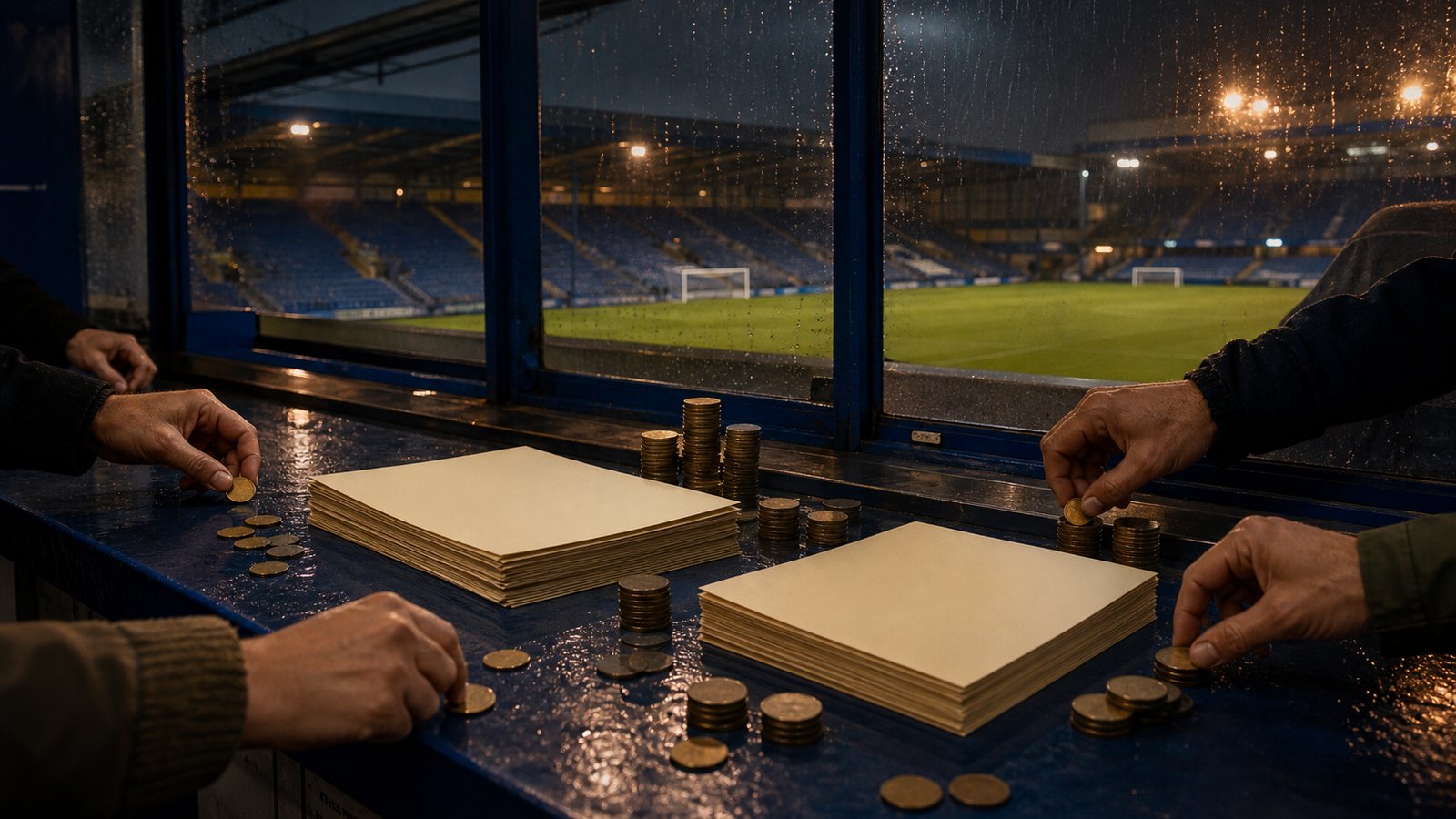
Supporters and board members moved quickly. A PayPal account was assembled within hours, removing much of the friction for buyers outside Spain. Social networks carried instructions, progress figures and personal reasons to join. The campaign did not require an overseas supporter to pretend to have inherited an Asturian identity. It offered a narrower proposition: help a real community keep something that could not be rebuilt after dissolution.
The numbers accelerated. In a fortnight, small buyers purchased €1.93 million in shares. The Guardian counted more than 20,000 people in more than 60 countries; the club’s later retrospective described support from more than 80. Different counting methods do not change the central fact: a lower-league team suddenly had shareholders scattered across the world. Long-standing Oviedistas answered with the phrase “Proud of You,” turning gratitude toward people who had entered the story only days earlier.
A radio joke opened the door to Carlos Slim
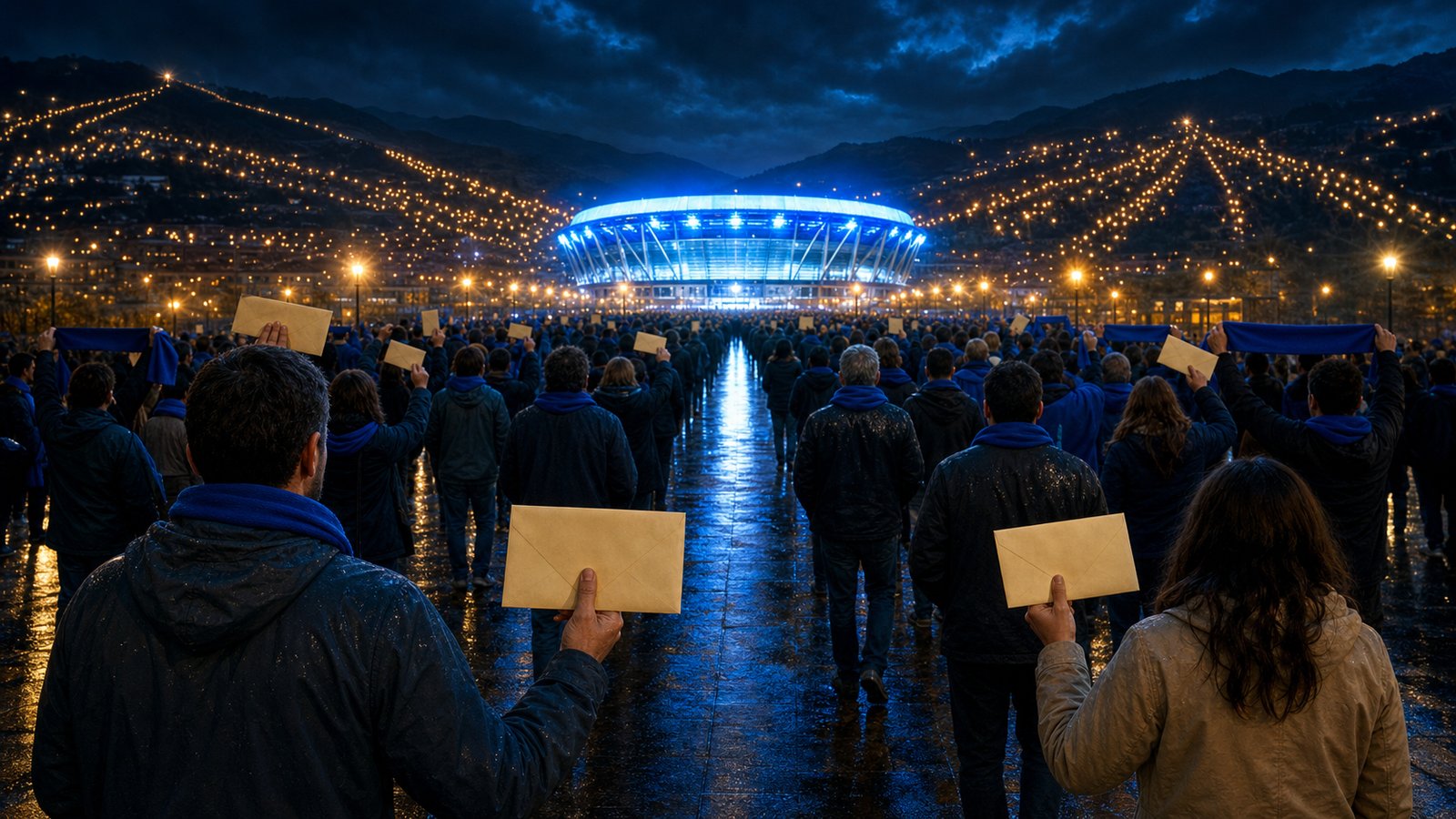
The crowd had secured the immediate rescue, but the larger financing question remained. On the radio programme Tiempo de Juego, journalists Paco González and Marcos López floated an audacious idea: ask Arturo Elías, son-in-law of Mexican telecommunications magnate Carlos Slim, to save Oviedo. López continued the conversation away from the microphone, connecting Elías with Toni Fidalgo while the public share drive advanced.
On the final day, Slim’s Grupo Carso bought €2 million of shares. CNN described the injection as $2.5 million and reported Slim’s interest in links between Spanish, Mexican and Latin American football. The timing mattered. This was not a billionaire appearing before the supporters had acted. The mass purchase had already shown that Oviedo possessed an audience, an identity and enough organised energy to make further investment plausible.
The post-issue balance captured that sequence. Contemporary figures gave Grupo Carso 32.44%, the city council 8.4%, Celso González 4.16% and Alberto González 12.41%. Small shareholders and Oviedistas collectively held 40.81%. Carlos Slim became the largest single investor, but the dispersed supporters together formed the largest block.
The rescue changed who could say “our club”
There is a temptation to end any financial rescue at the moment the total reaches its target. Oviedo’s more revealing aftermath came in the maintenance of those relationships. In April 2013, more than 150 supporters from outside Asturias attended the first Supporters’ Day. Carlos Tartiere opened Gate 19 in their honour, with displays recalling the November campaign and the idea of a global Oviedo.
The club had survived an earlier collapse through stubborn local attendance; readers can see a related form of institutional rebirth in Fiorentina’s 2002 collapse. Oviedo’s 2012 answer added another layer. Digital reach did not replace the people who had kept turning up on muddy fourth-tier afternoons. It allowed that loyalty to recruit capital, witnesses and owners at the speed demanded by a two-week deadline.
A share priced like an inexpensive match ticket could not solve every future problem. It could, however, prove that the club’s remaining value was spread among people rather than stored in one wealthy account. The €10.75 certificate represented almost no promise of profit. Its power came from accumulation: one name, then another, until a football club scheduled for dissolution instead had an ownership register spanning continents.